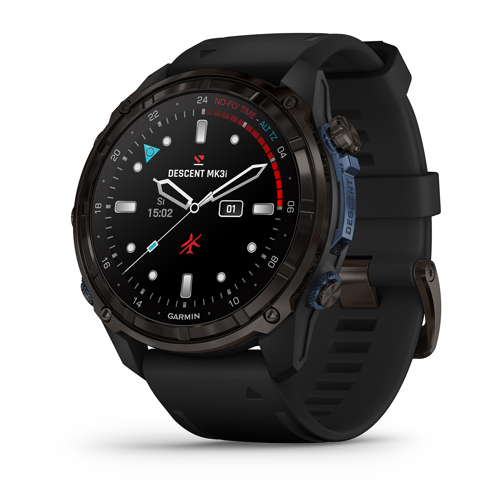
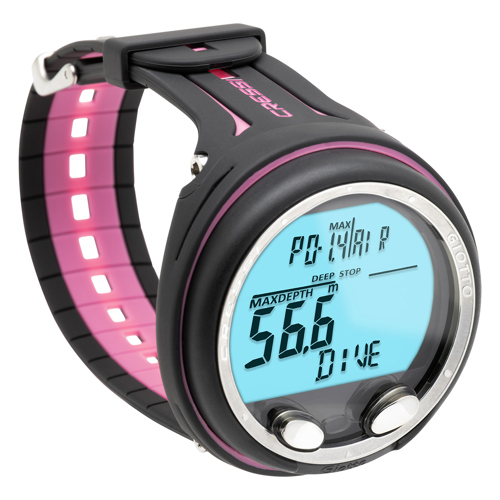
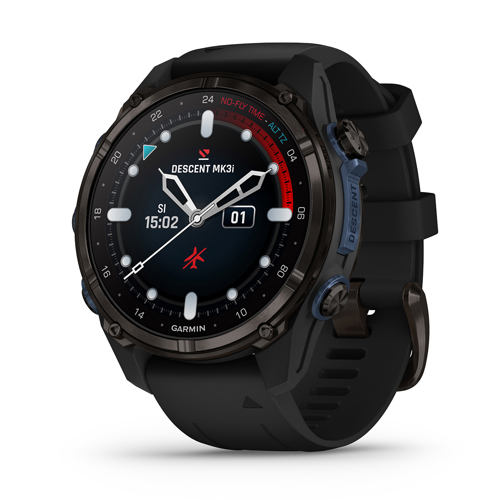
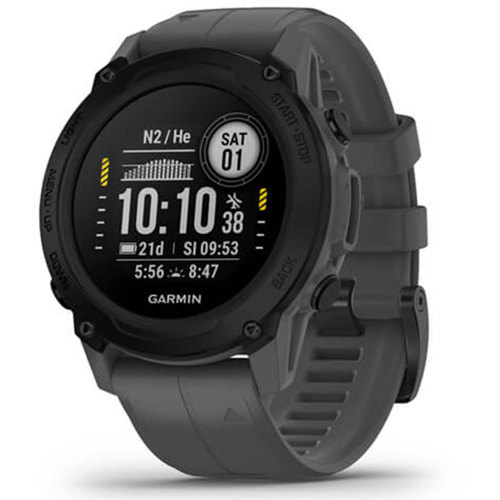
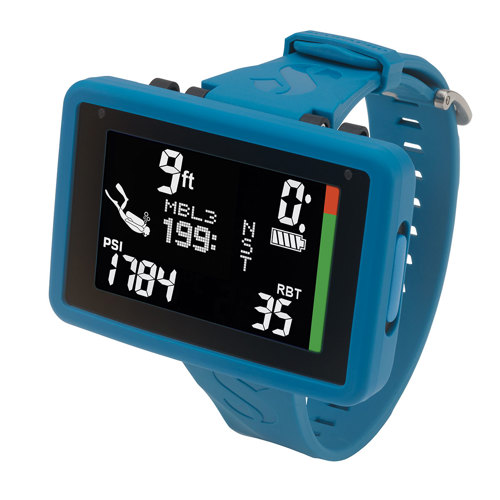
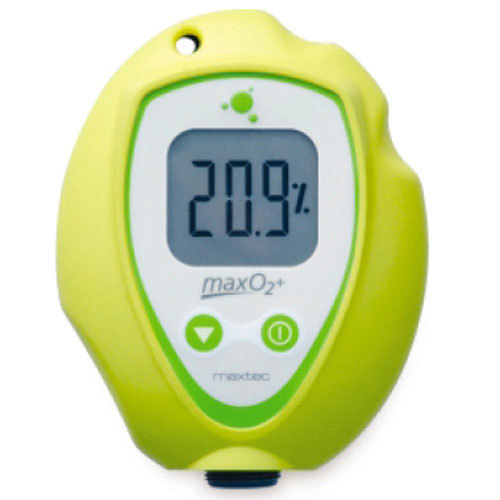
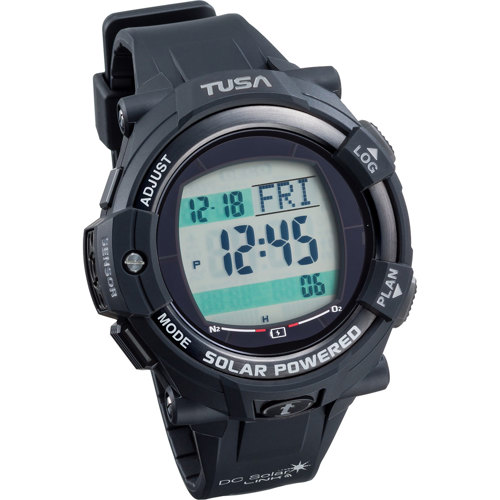
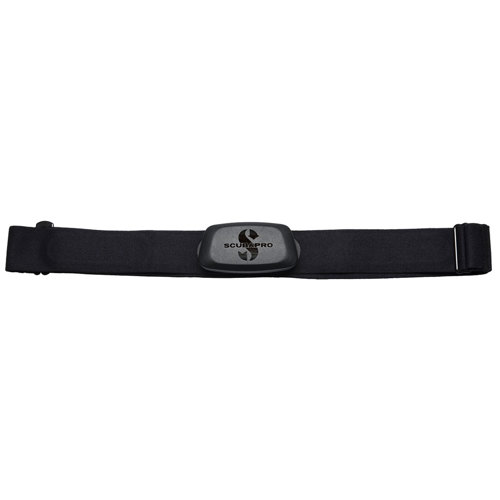
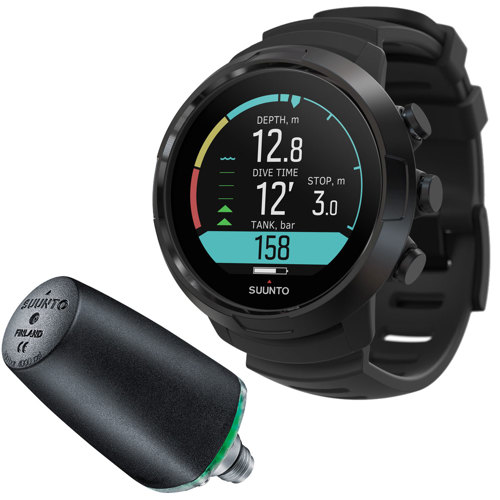
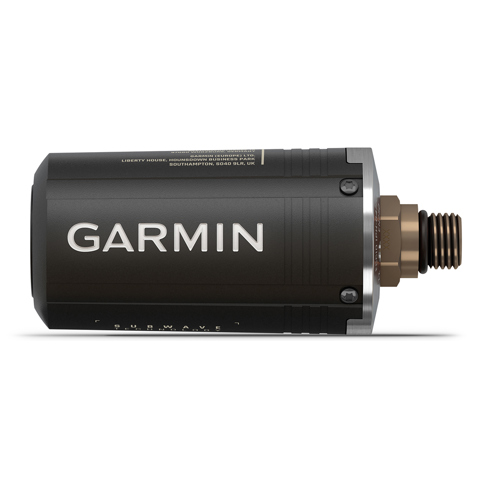
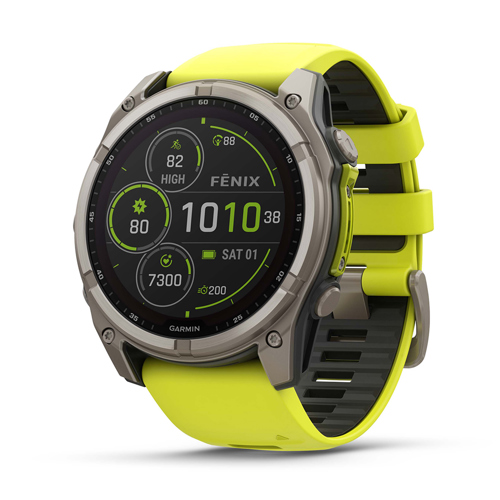
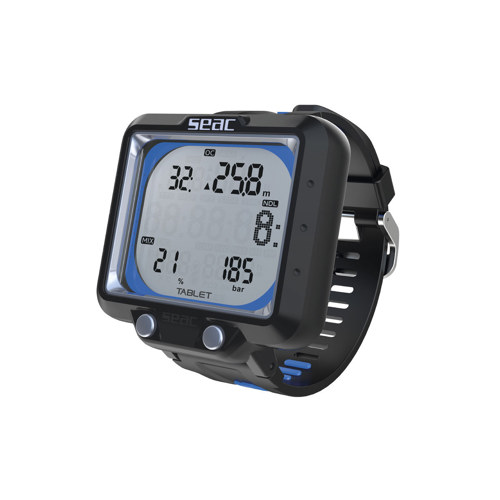
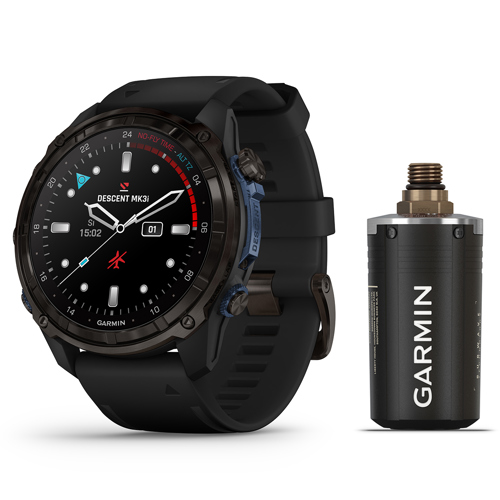
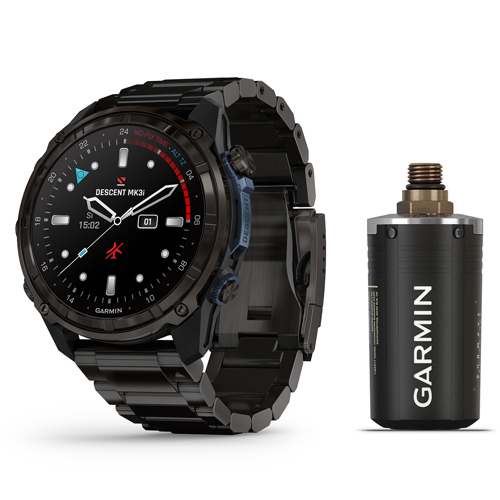
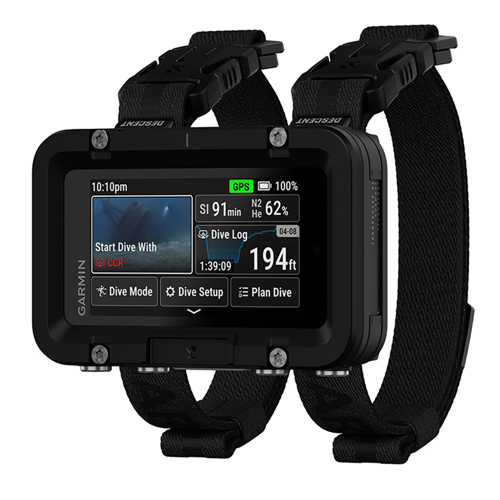
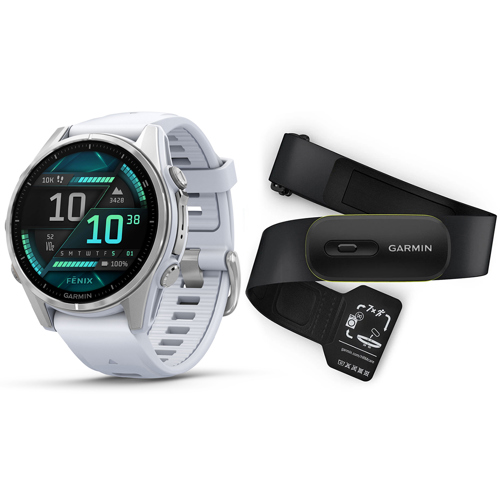
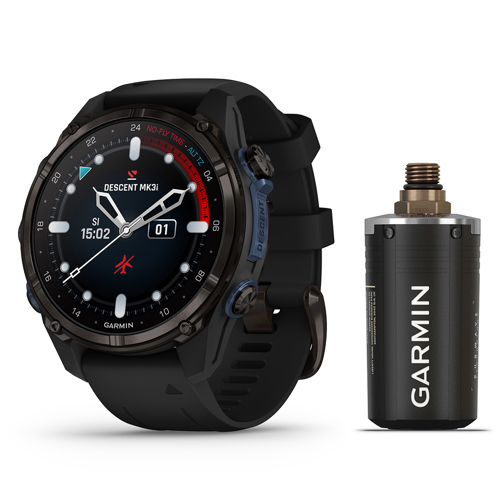
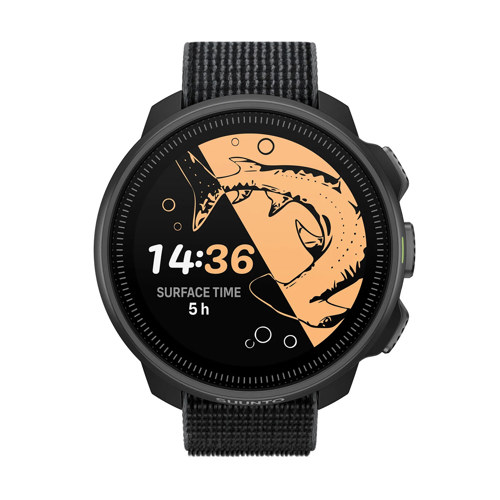
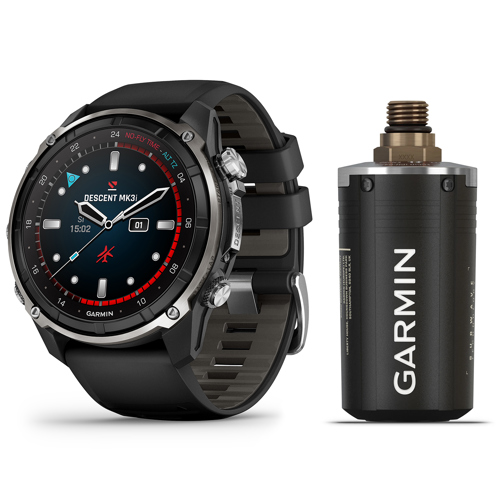
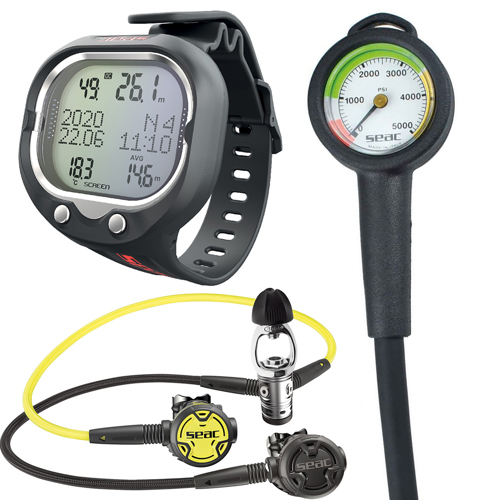
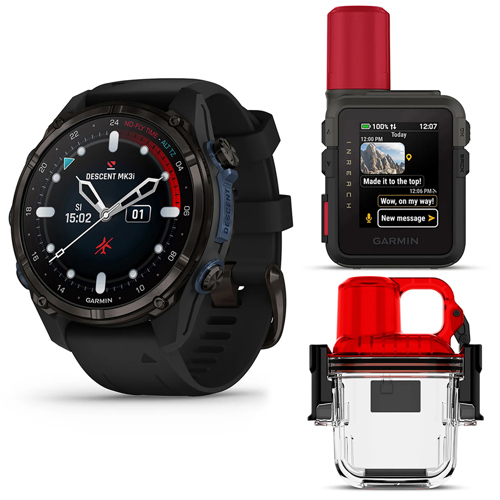
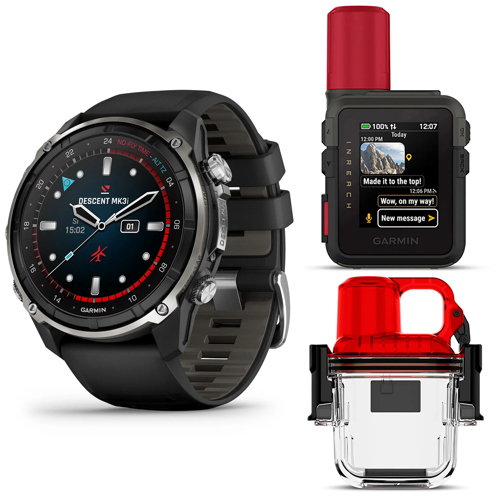
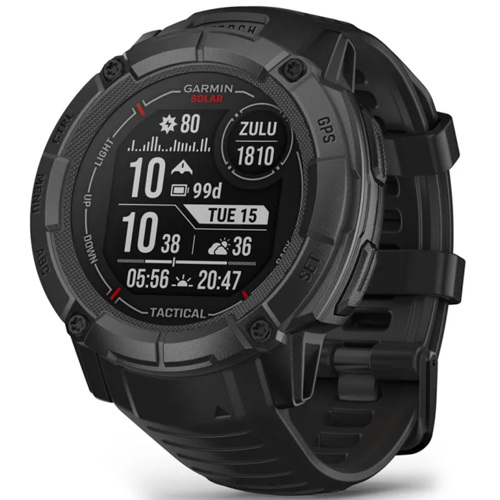
Diver health monitors have become an essential part of the modern diver’s safety toolkit, offering an impressive array of features designed to track and protect your well-being beneath the surface. These wearable devices are engineered to capture vital biometrics such as heart rate, blood oxygen saturation (SpO2), and body temperature, providing real-time feedback that can be invaluable during both recreational and technical dives. For those who dive throughout the year, the transition into spring brings shifting water temperatures and changing conditions, making robust health monitoring even more critical. Many of today’s monitors also offer decompression stress analysis, tracking nitrogen absorption and off-gassing to help reduce the risk of decompression sickness. Advanced models may feature air integration, allowing divers to wirelessly monitor tank pressure, as well as GPS and depth tracking for added situational awareness. These capabilities are particularly useful for divers who push their limits, whether exploring deep wrecks, navigating complex cave systems, or logging frequent dives over a short period. For instructors and dive guides, health monitors can serve as a backup safety net, adding another layer of oversight when responsible for groups in dynamic environments.
Choosing the right diver health monitor involves considering several key factors, all of which depend on your diving style, experience level, and personal health needs. Entry-level models often provide core metrics like heart rate and SpO2, making them suitable for newer divers or those who want straightforward feedback without a steep learning curve. On the other end of the spectrum, advanced monitors offer comprehensive analytics, including air integration, decompression tracking, and detailed logs that can be synced with dive planning software. These are ideal for seasoned divers, technical enthusiasts, and professionals who demand precise, actionable data. The price range for these devices can vary significantly, from accessible entry-level options to high-end, feature-rich systems designed for rigorous use. When evaluating a monitor, it’s wise to consider battery life, display visibility in low-light conditions, and the durability of the device’s housing—especially if you regularly dive in saltwater or rugged environments. Some monitors double as everyday fitness trackers, blending seamlessly into your daily routine and making them a thoughtful gift for the dedicated diver in your life. Whether for a birthday, holiday, or as a pre-season upgrade, a diver health monitor is a practical and meaningful present that demonstrates care for the recipient’s safety and passion for the underwater world.
As you browse our curated selection of diver health monitors, take time to reflect on your unique diving goals and the environments you explore. The right monitor can make a significant difference not just in safety, but in your overall dive experience—helping you understand how your body responds to different depths, water temperatures, and exertion levels. For those interested in expanding their safety protocols, consider pairing a health monitor with specialized ascent tracking devices, which are designed to further reduce the risk of decompression sickness by guiding your rate of ascent and providing additional data points. You can learn more about these options on our
Dive Ascent Monitors page. Ultimately, investing in a quality health monitor is about more than just numbers on a screen; it’s about gaining confidence, peace of mind, and the freedom to enjoy every dive to its fullest, knowing that you have the tools to monitor and protect your health in real time.