Every diver, from those just beginning their underwater adventures to seasoned rescue professionals, understands that preparation is the cornerstone of safety. Diver emergency kits are the unsung heroes of any dive trip, quietly tucked away in gear bags or stowed on boats, ready to address the unexpected. These kits are more than a collection of items—they are a diver’s peace of mind, providing immediate solutions for both minor mishaps and more serious emergencies. As the diving season transitions into the cooler months of November, when water temperatures drop and conditions become more unpredictable, the importance of a well-stocked emergency kit becomes even more pronounced. Colder water can increase the risk of equipment malfunctions due to stiffened seals or brittle materials, and minor injuries like cuts or scrapes may take longer to heal. For divers planning trips to tropical destinations to escape the chill, travel-friendly kits ensure you’re prepared wherever your adventures may lead.
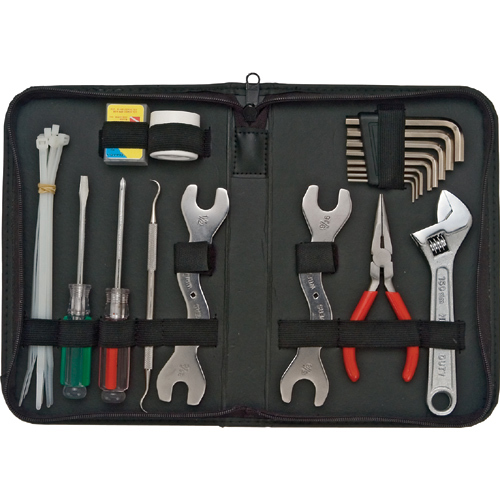
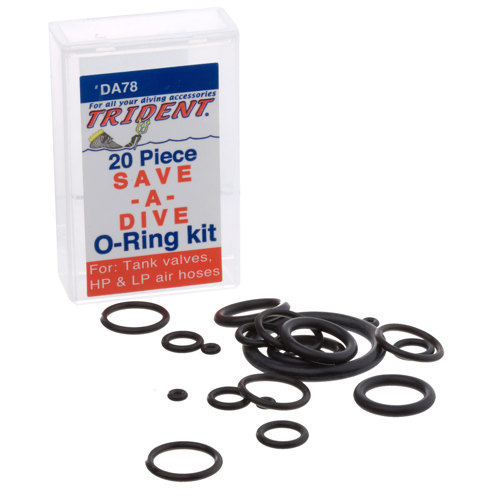
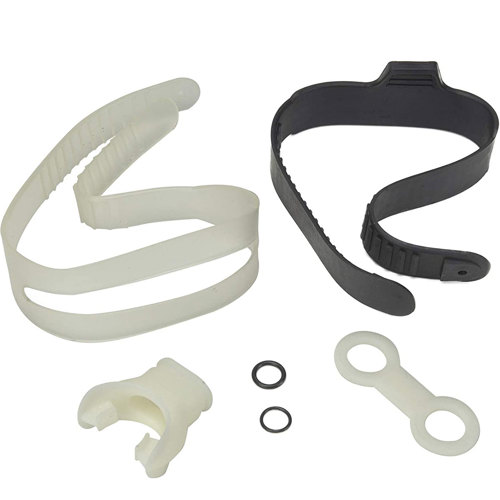
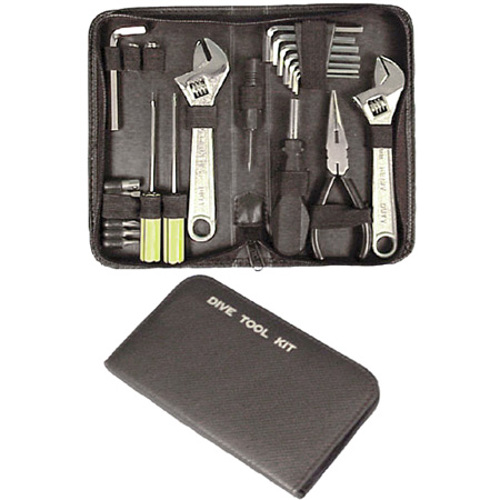
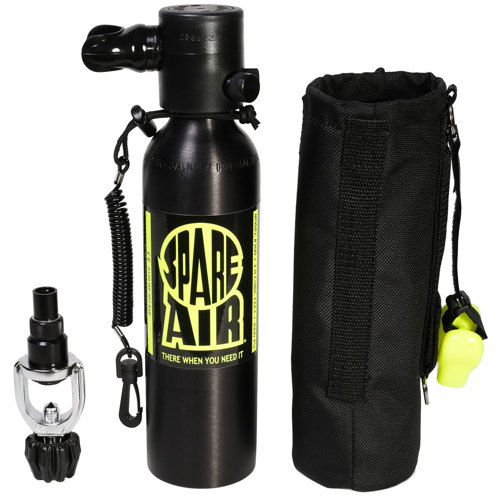
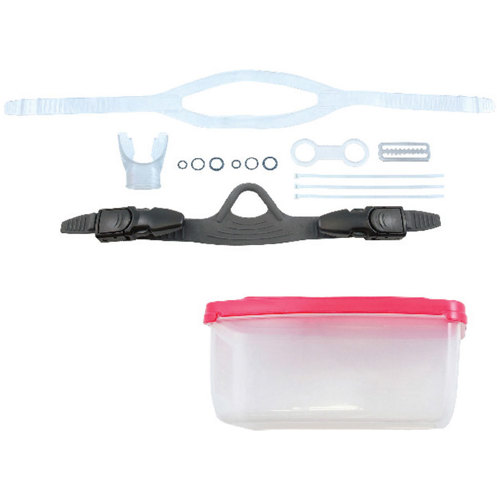
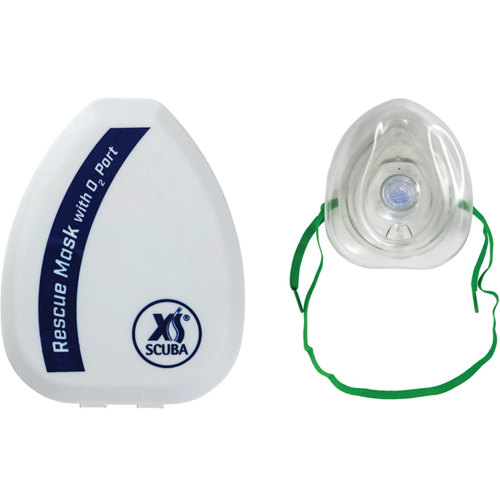
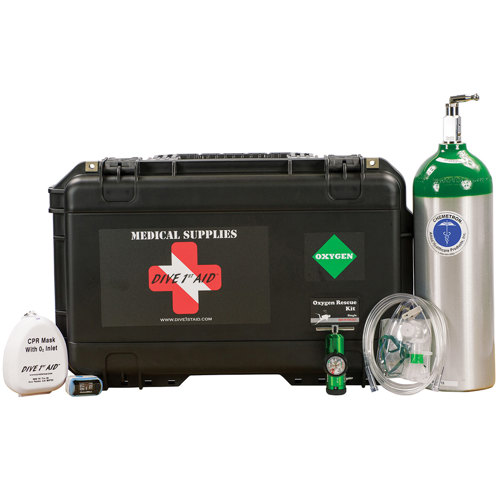
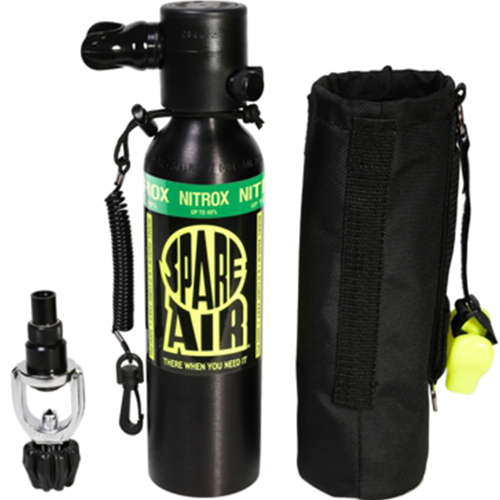
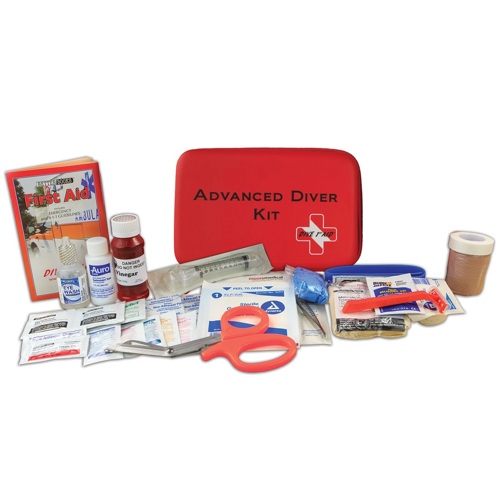
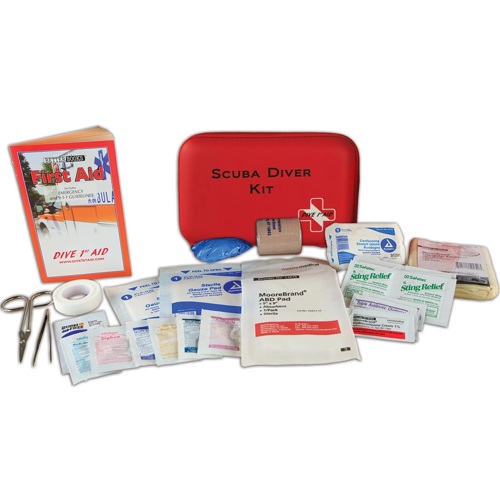
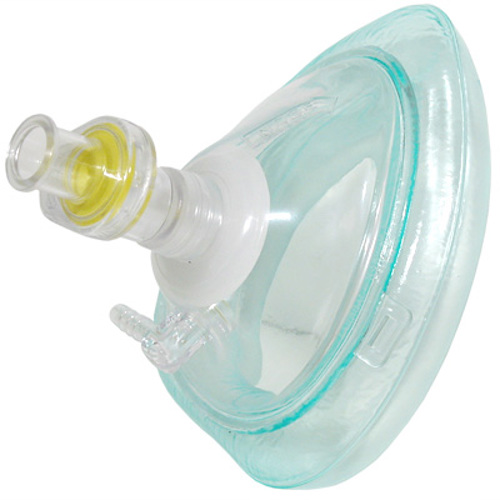
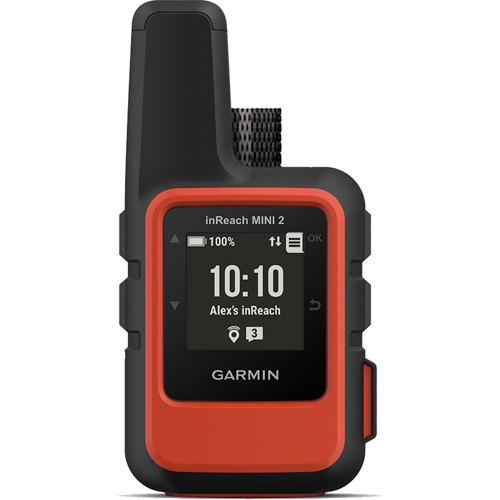
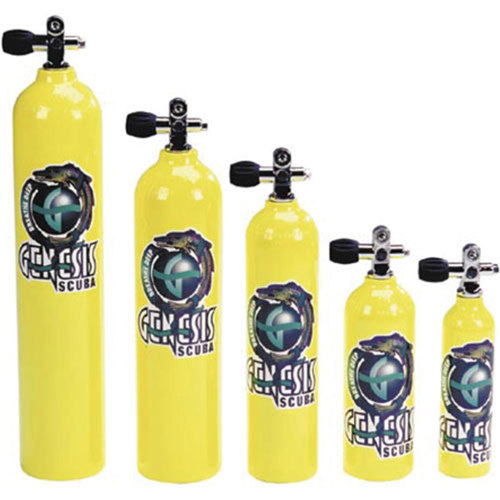
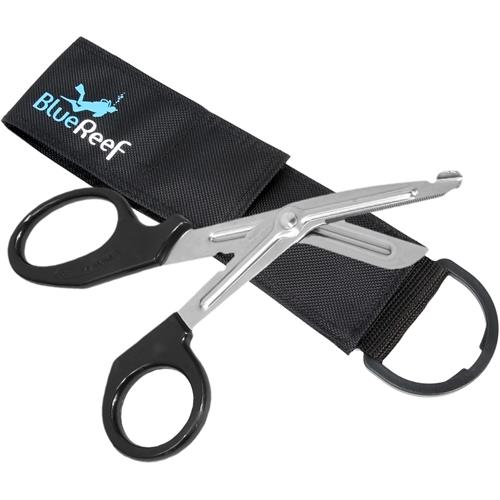
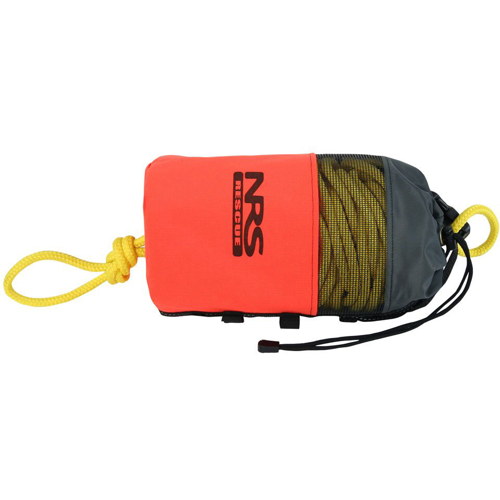
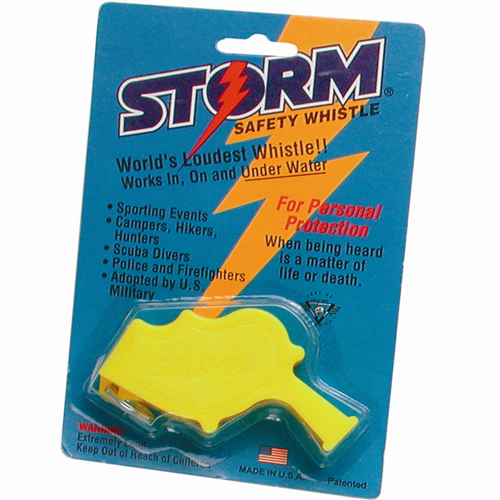
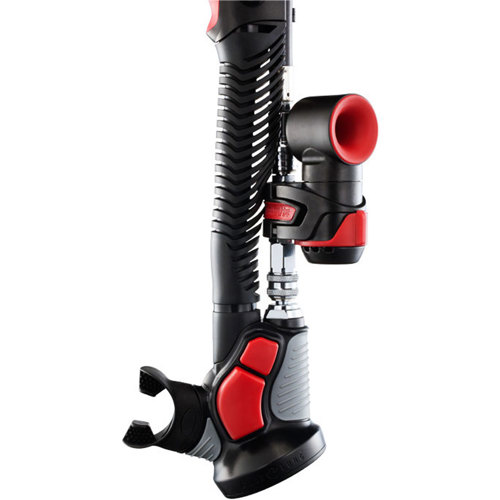
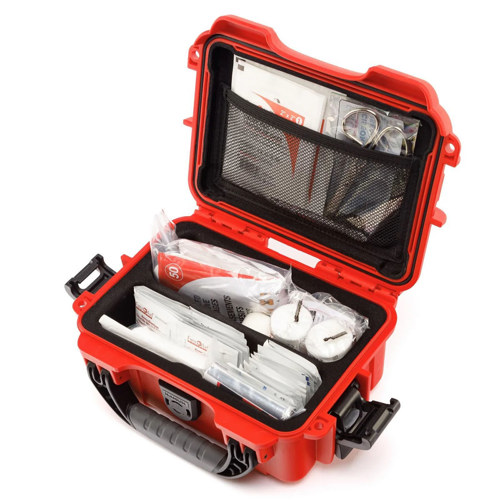
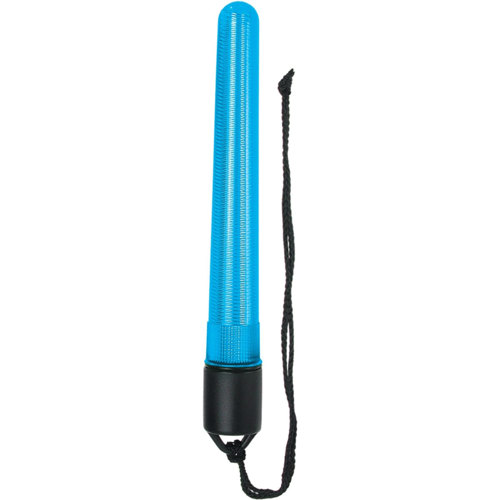
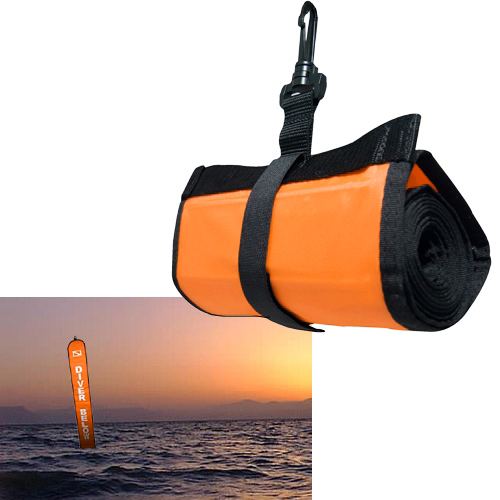
A comprehensive diver emergency kit typically includes first aid essentials to address common underwater injuries—think waterproof bandages for fin blisters, antiseptic wipes for coral scrapes, and vinegar or specialized gels for jellyfish stings. For those with allergies, an EpiPen or antihistamines can be life-saving additions. But a diver’s preparedness doesn’t stop at medical needs; equipment repair tools are equally vital. Spare O-rings, silicone grease, fin and mask straps, and a compact multi-tool can mean the difference between a dive cut short and a day saved. Many experienced divers recall the relief of fixing a leaking regulator or replacing a snapped mask strap on the fly, all thanks to the thoughtful assembly of their save-a-dive kit. For those venturing into remote dive sites or engaging in technical or commercial diving, more advanced kits may include emergency oxygen supplies and comprehensive trauma gear, reflecting the higher stakes and specialized risks of these environments. Surface signaling devices—such as whistles, signal mirrors, and surface marker buoys—round out the kit, ensuring that divers can attract attention in the event of a separation or emergency ascent.
Diver emergency kits are not just practical gear—they make thoughtful, potentially life-saving gifts for the divers in your life. Whether you’re shopping for an aspiring open water diver, a seasoned instructor, or a friend who loves to travel and explore new dive sites, a well-chosen kit shows you care about their safety and peace of mind. Dive clubs and instructors often keep several kits on hand, both for personal use and to assist others in their group. Assembling or upgrading your own kit is an act of self-reliance, but it also bolsters the safety net for your entire dive community. For those looking to further enhance their preparedness, exploring the broader range of
Dive Emergency Systems can offer additional tools and resources tailored to a variety of diving environments and experience levels. Ultimately, a diver emergency kit is an investment in confidence, allowing you to focus on the wonders beneath the surface, knowing you’re ready for whatever challenges the sea may bring.