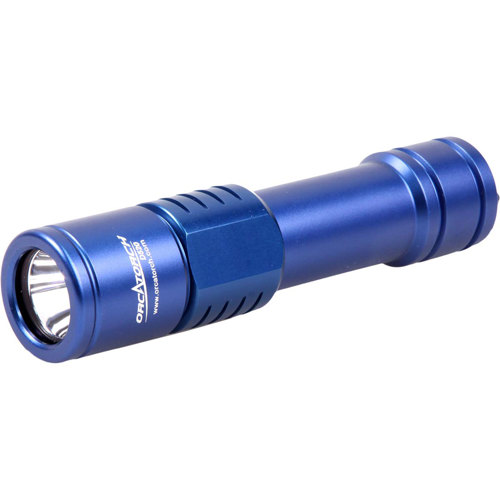
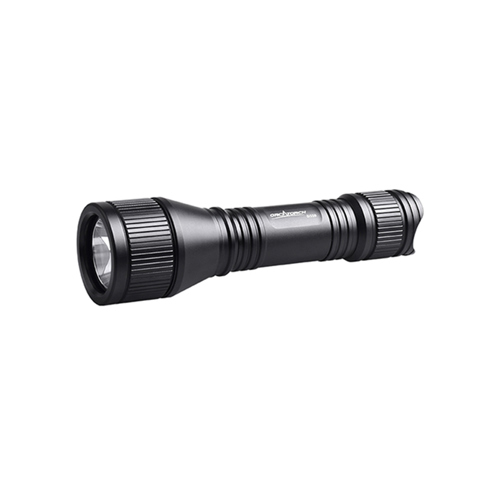
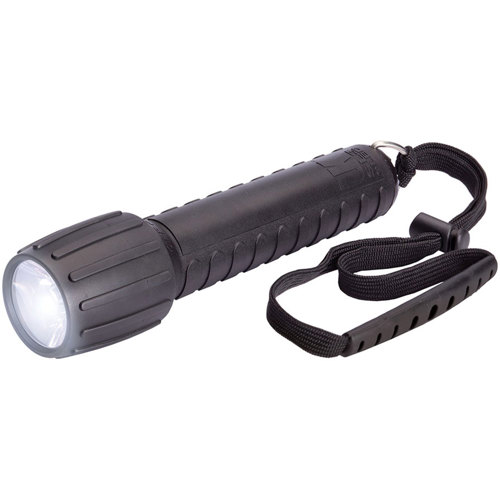
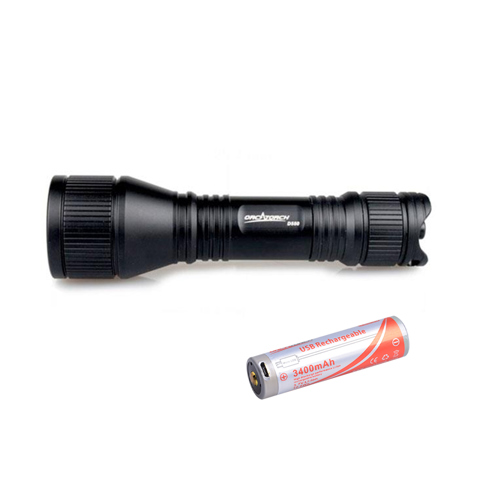
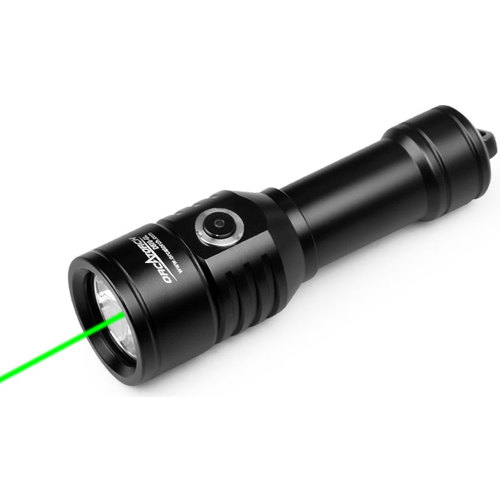
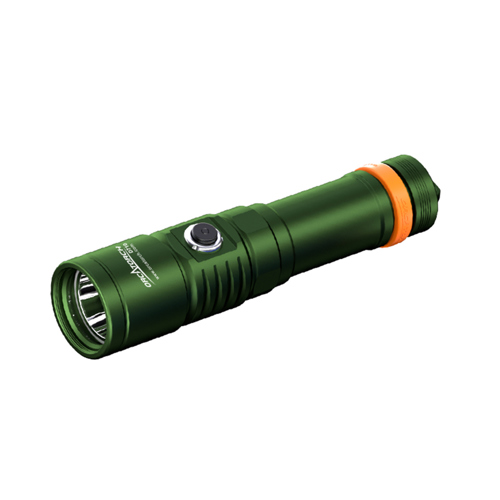
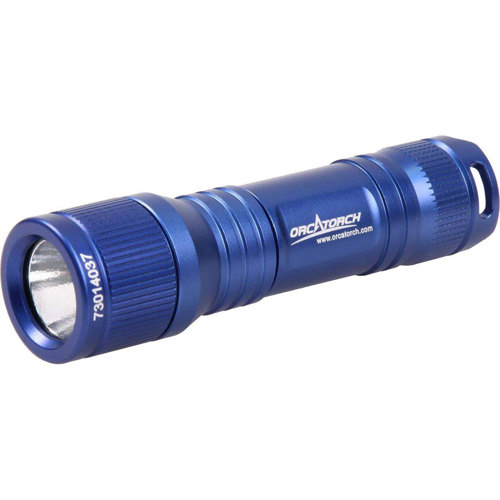
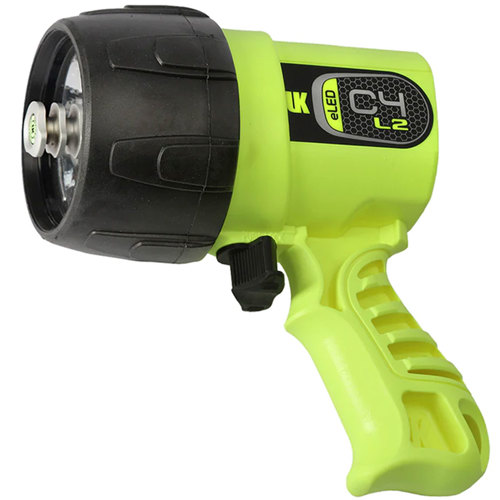
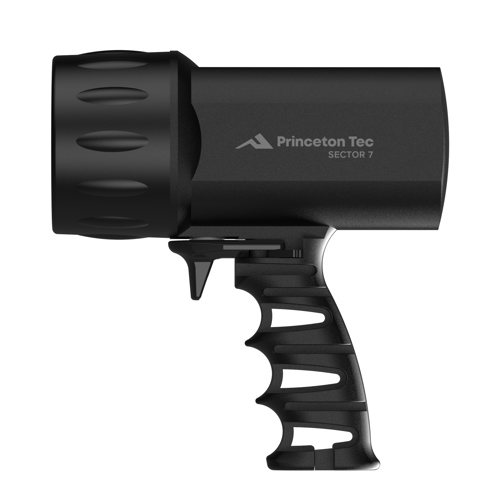
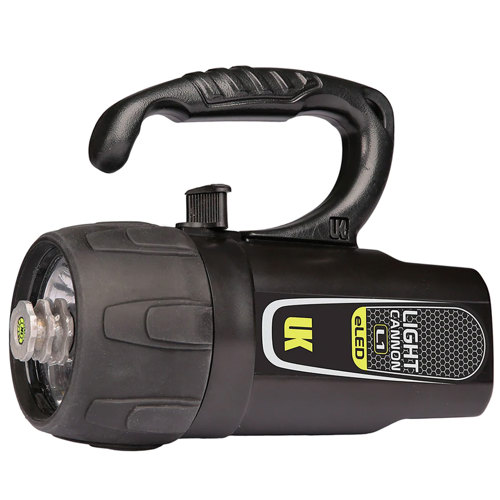
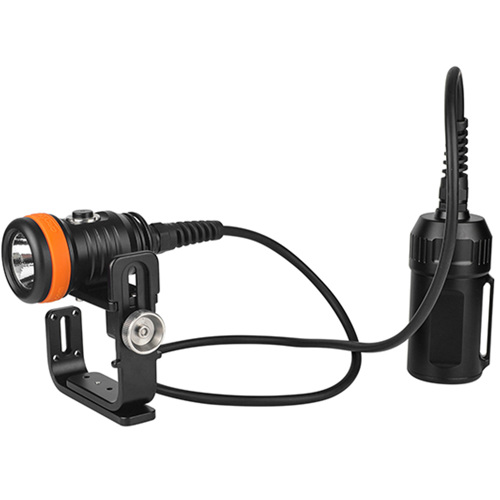
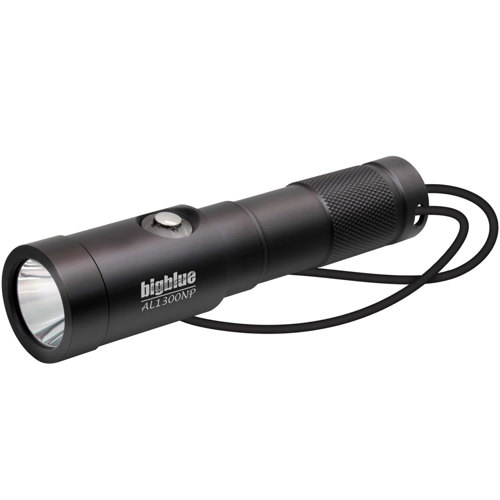
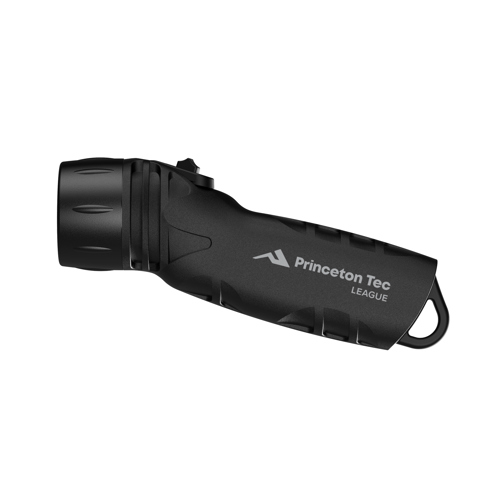
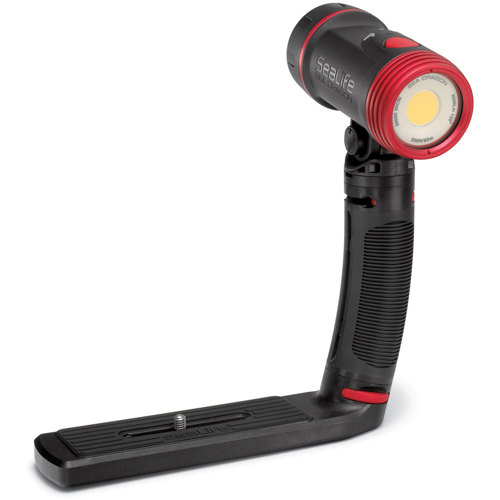
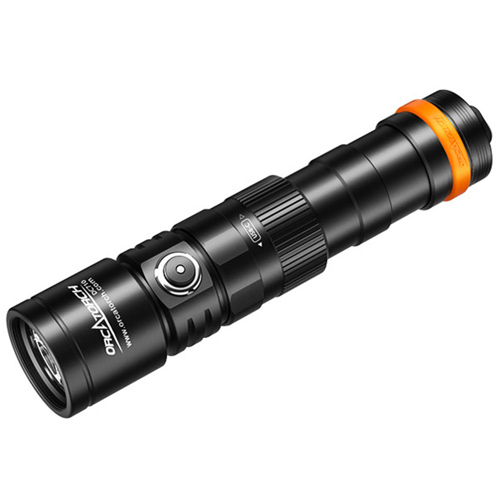
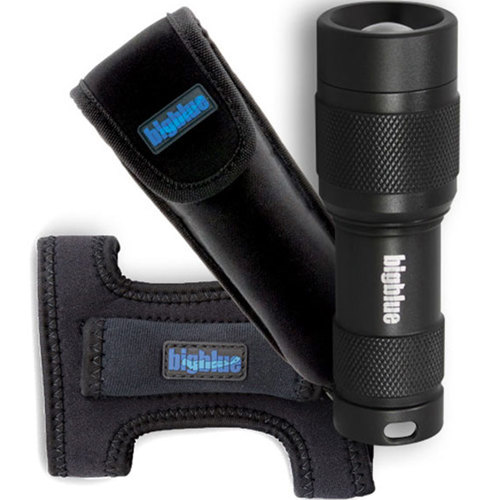
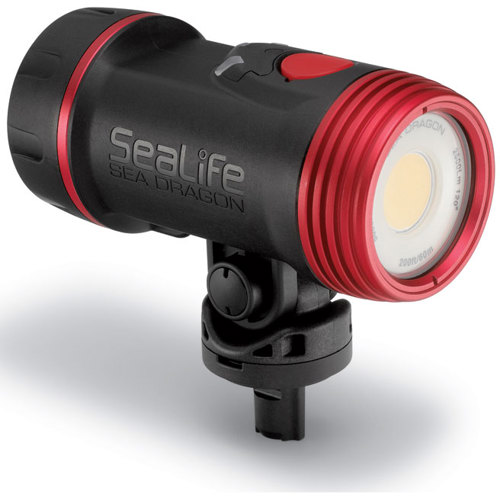
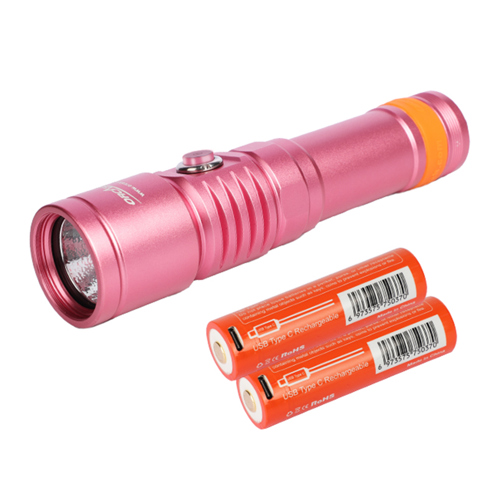
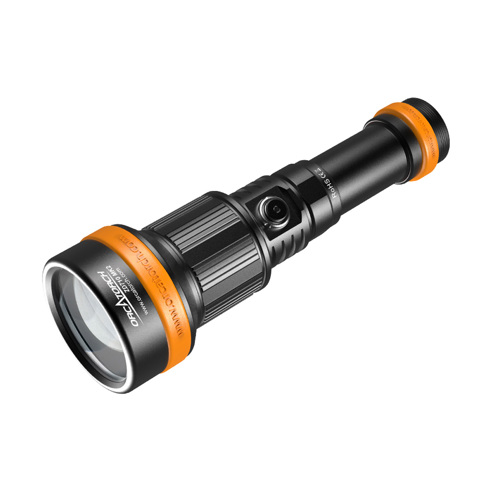
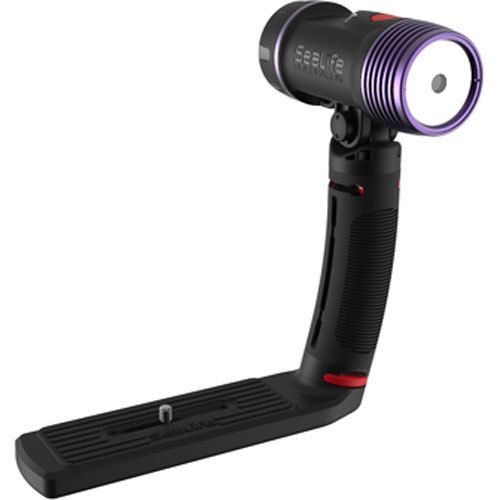
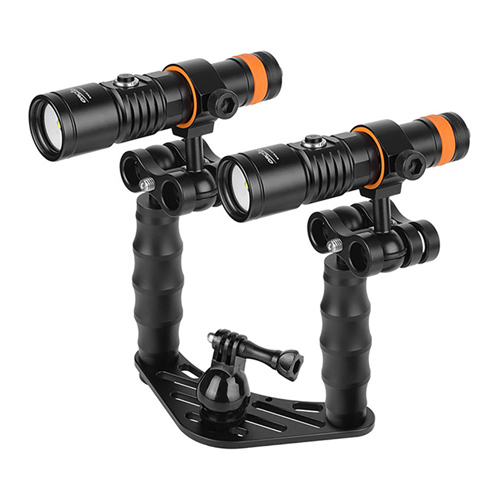
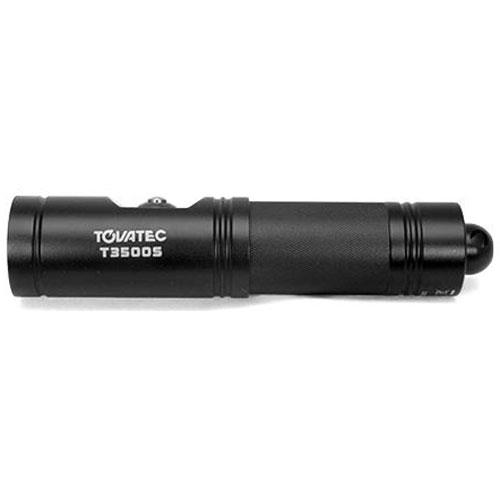
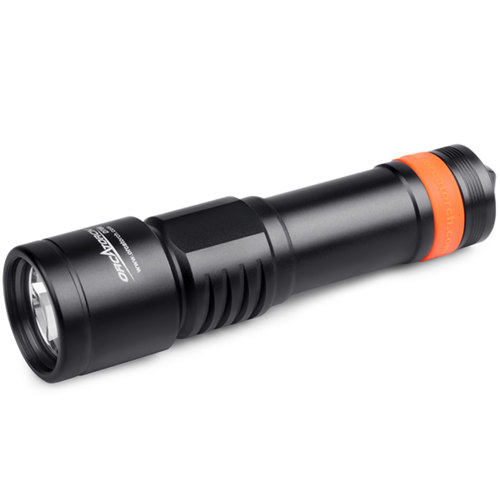
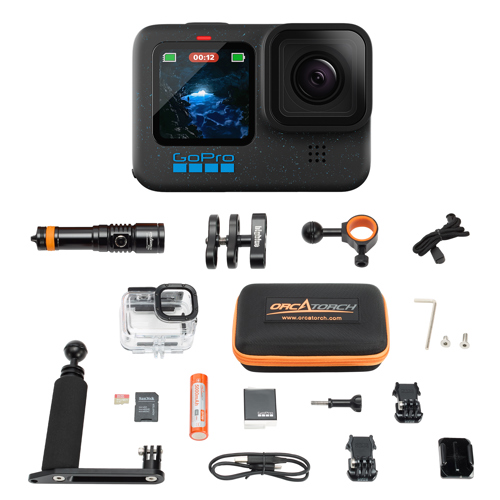
As the seasons shift from the warmth of summer into the cooler embrace of early fall, divers find themselves greeted by some of the most inviting underwater conditions of the year. September, in particular, brings a unique blend of clear visibility, comfortable water temperatures, and the fading remnants of summer’s vibrant marine life. For many, this is a favorite time to explore both temperate and tropical waters, whether that means drifting along a local reef, venturing into the mysterious corridors of a shipwreck, or navigating the silty passages of a freshwater lake. With the days gradually growing shorter and the sun dipping below the horizon earlier, dependable illumination becomes an essential part of every diver’s kit. Dive light combos—pairings of primary and backup lights—provide not only the brightness and beam control needed for night and twilight dives but also the peace of mind that comes from always having a reliable backup at hand. These combos are especially valued during this season, when changing weather patterns and shifting water conditions can quickly turn a late-afternoon dive into a low-light adventure.
Selecting the right dive light combo is about more than just brightness; it’s about matching your gear to your environment and your diving style. A narrow-beam primary light is ideal for cutting through murky water or peering deep into crevices, making it a favorite for wreck and cave divers who need to see far ahead or signal a buddy across the gloom. Meanwhile, a wide-beam light excels at illuminating broad swathes of reef or lighting up the inside of a cavern, which is perfect for those who enjoy the spectacle of nocturnal marine life or underwater photography. Many modern combos offer dual-output or adjustable beams, allowing divers to switch between focused and wide light as needed. Burn time is another crucial factor, particularly as evening dives stretch longer; look for lights that provide at least 60 to 90 minutes of strong, consistent output. Rechargeable batteries, durable housings, and intuitive controls all add to the reliability you’ll want when conditions are unpredictable. For those who travel, compact combos that pack easily and resist corrosion from salt or fresh water are especially attractive. Dive light combos also make thoughtful gifts for the adventurous diver in your life—whether they’re a seasoned technical diver, a passionate night photographer, or someone just beginning to explore the underwater world after dark. Unwrapping a well-chosen light set can open up a whole new realm of diving experiences, from shimmering plankton blooms to the subtle colors of a reef under LED illumination.
The versatility of dive light combos ensures they’re used in a variety of ways throughout the late summer and early fall. Recreational divers rely on them for safety and navigation during dusk or night dives, while technical and cave divers depend on backup lights as a critical part of their redundancy planning. Even daytime dives can benefit from a powerful light, especially when exploring overhangs, swim-throughs, or the shadowy interiors of wrecks where natural light doesn’t reach. For those interested in underwater photography or videography, a combo with a wide-beam floodlight can bring out the true colors of marine life, while a spot beam helps highlight elusive creatures hiding in nooks and crannies. As you plan your next underwater adventure, remember that the right lighting setup not only enhances your view but also keeps you connected with your dive buddies and aware of your surroundings. If you’re looking for more inspiration or want to compare options for different times of year, visit our guide to
Led Dive Lights For July Diving Trips for additional insights and recommendations. Whether you’re gearing up for a night dive off a tropical island or preparing for an autumn wreck exploration, a reliable dive light combo is your ticket to safer, more memorable underwater experiences.