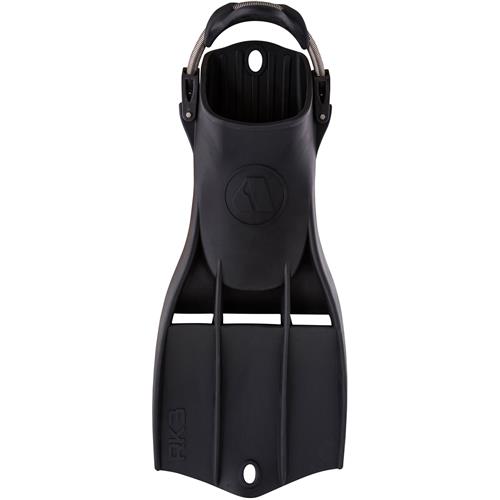
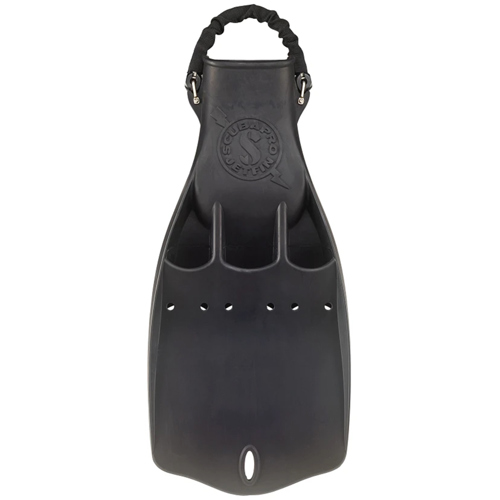
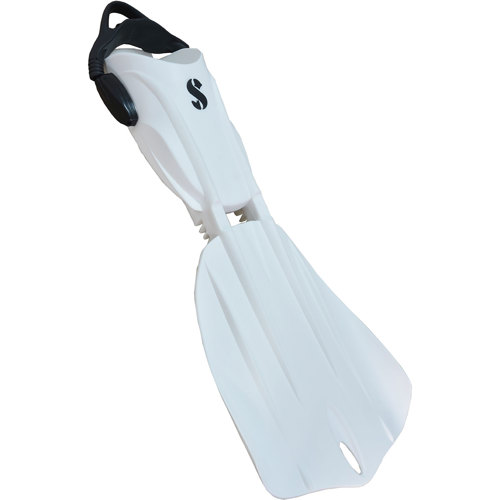
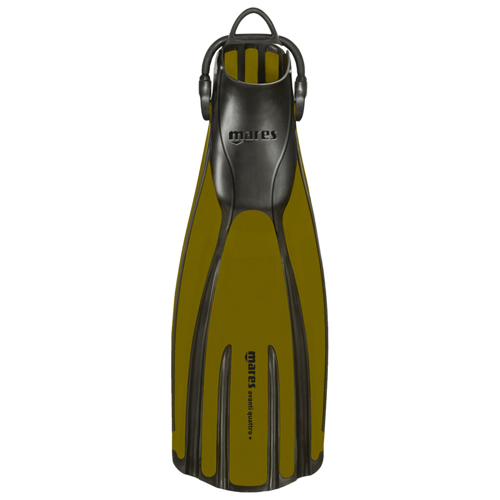
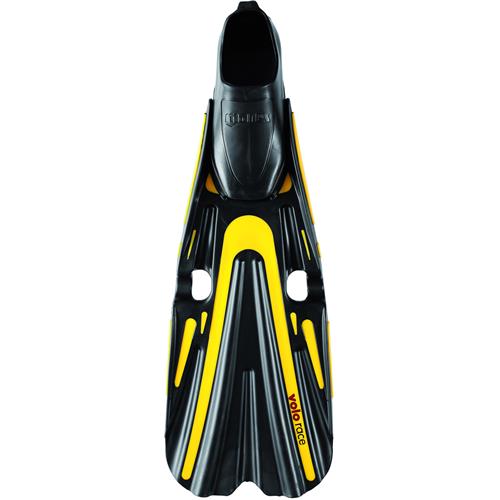
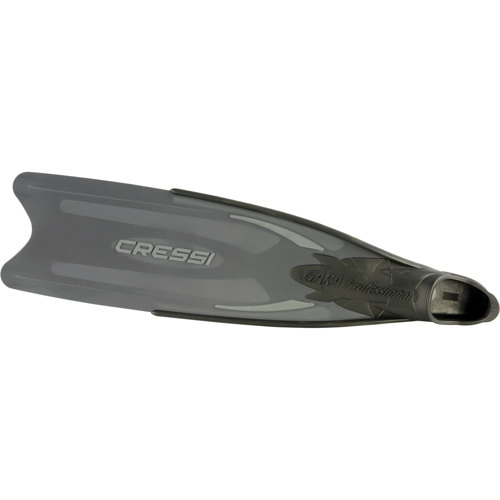
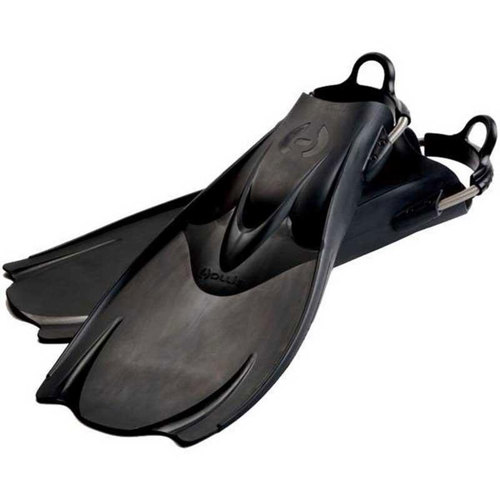
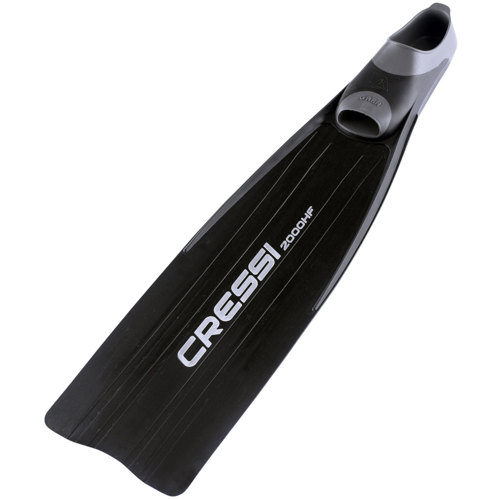
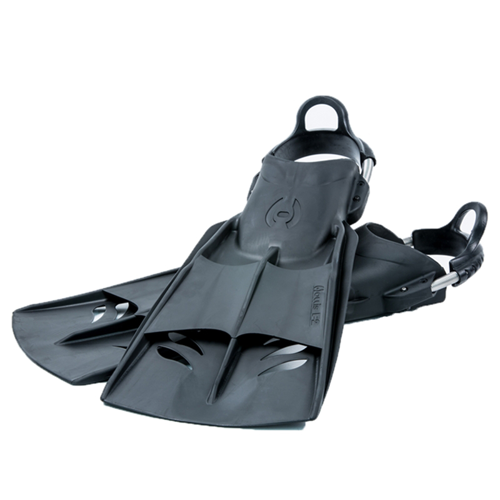
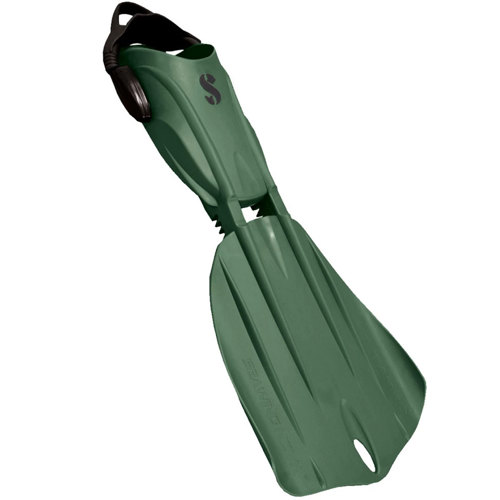
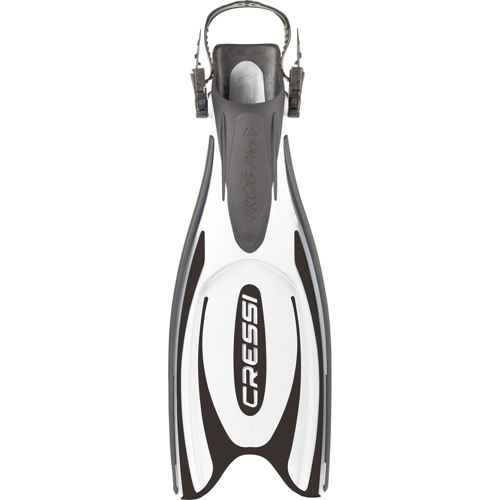
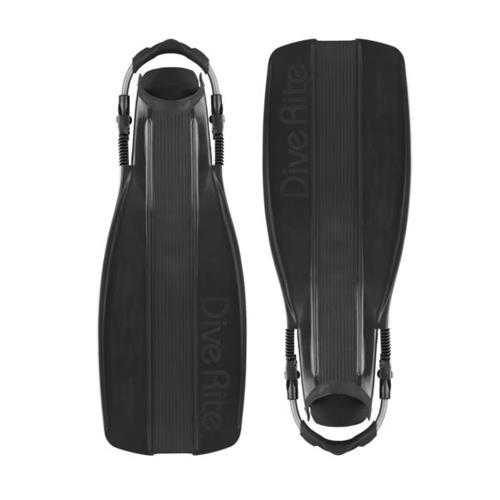
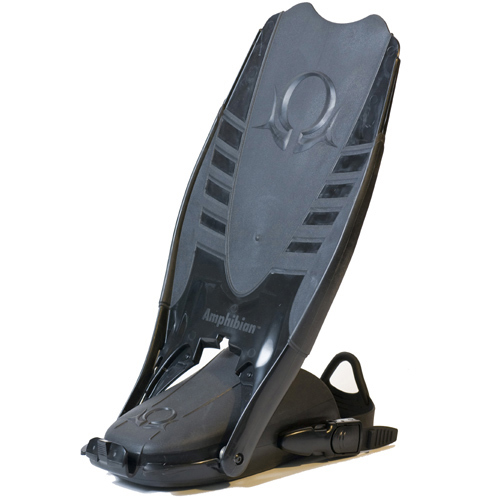
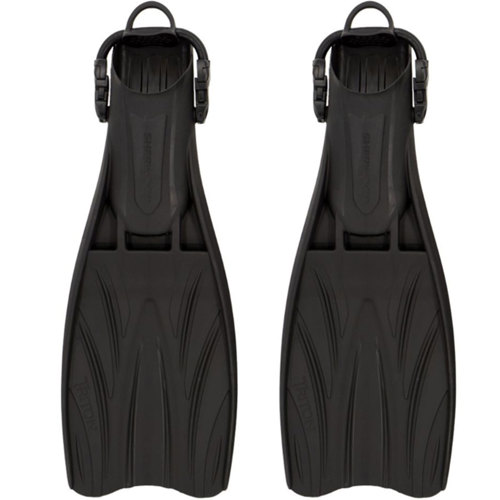
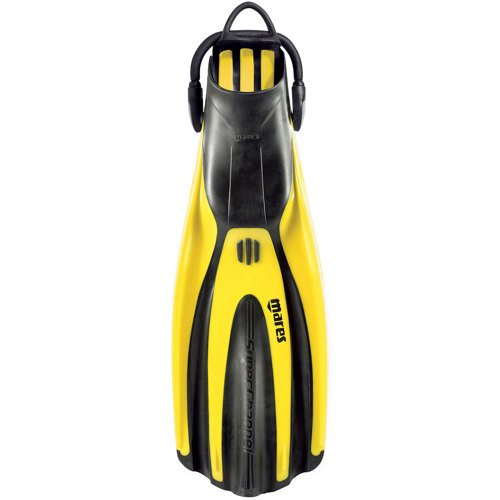
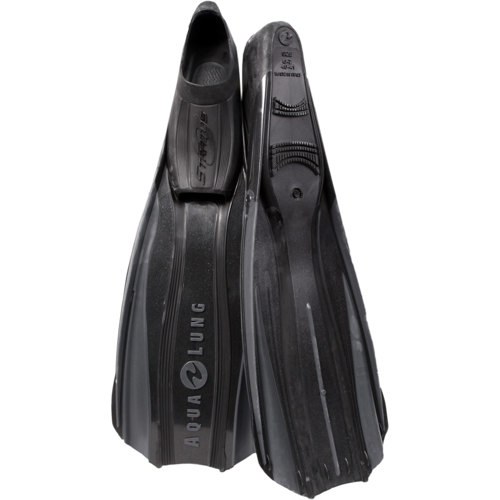
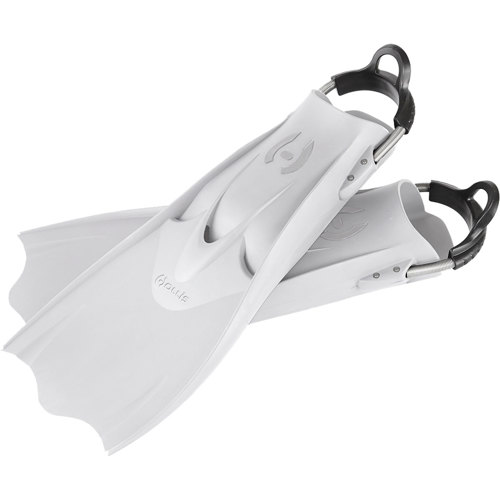
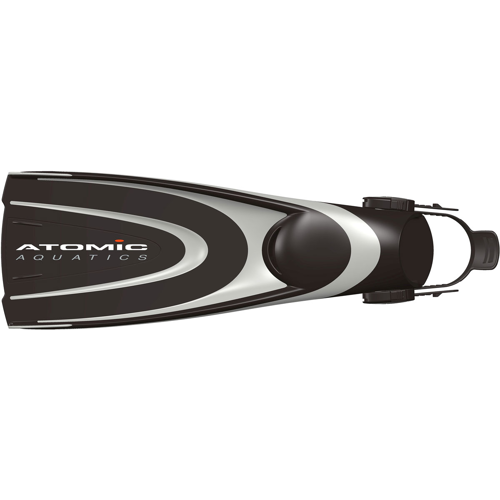
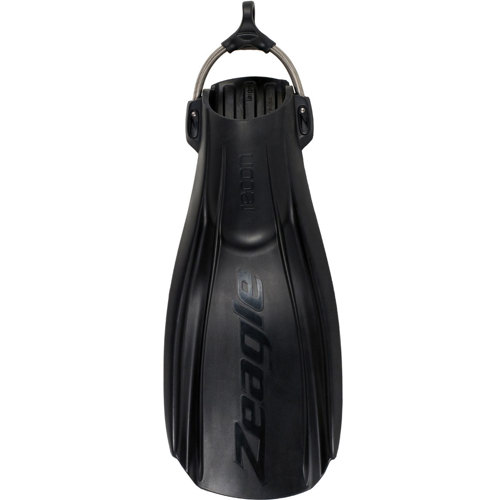
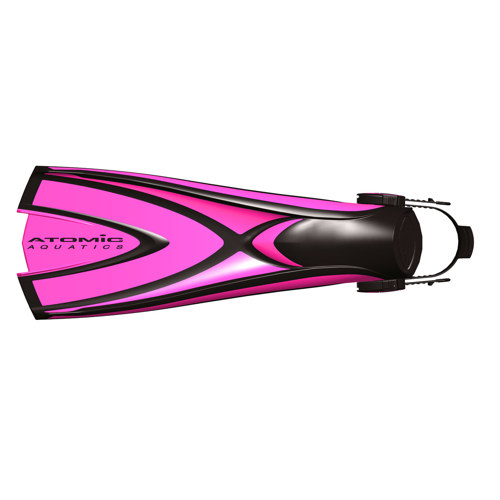
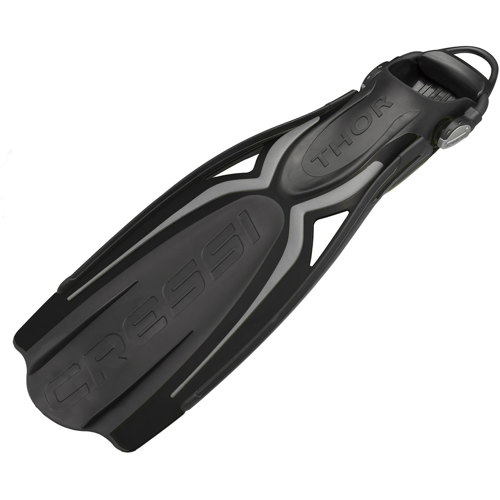
Commercial diving fins are engineered to meet the rigorous demands of professional underwater work, where durability, power, and maneuverability are essential for safety and efficiency. Unlike recreational models, these fins are built to withstand the challenging environments faced by commercial divers, such as strong currents, low visibility, and extended hours underwater. With spring approaching and dive sites opening up for seasonal maintenance, search and recovery, or infrastructure work, the right pair of commercial diving fins becomes a critical tool. Professionals in underwater construction, salvage, aquaculture, and scientific research rely on fins that deliver maximum propulsion with minimal fatigue, allowing them to carry heavy equipment and perform precise tasks without sacrificing control. The design of commercial diving fins often incorporates reinforced materials, robust foot pockets, and advanced blade technology, ensuring they can handle repeated use in harsh conditions. These fins are not just practical—they are a lifeline for divers who spend significant time below the surface, often in cold or unpredictable waters.
When choosing commercial diving fins, several purchase considerations come into play. The fit and comfort of the foot pocket are crucial, especially for those who wear thick wetsuits or drysuits with boots. Open-heel designs are favored for their adjustability and compatibility with various boot types, while full-foot fins may be preferred in warmer waters or for lighter-duty tasks. The stiffness of the blade is another key factor: stiffer blades provide the thrust needed to move through strong currents or transport gear, but they require more leg strength, whereas more flexible blades are easier to kick and may be better suited for long-duration dives. Many diving fins manufacturers offer different types of fins tailored to specific commercial applications, including models designed for surface swimming, deep dives, or maneuvering in confined spaces. The weight and buoyancy of the fins also matter—heavier fins help counteract the buoyancy of thick exposure suits, while lighter fins are easier to pack for travel between job sites. Some divers even consider boat motor fins for specialized propulsion needs, though traditional commercial diving fins remain the gold standard for most underwater tasks. For those looking to give a practical and thoughtful gift to a professional diver or someone starting a commercial diving career, a high-quality pair of fins is a choice that blends utility with a nod to their passion and expertise.
In the world of underwater work, the right fins can make all the difference in performance and safety. Seasoned divers often share stories of how a well-chosen pair of commercial diving fins helped them complete a challenging job—whether it was inspecting a ship’s hull in choppy spring waters or conducting a delicate archaeological excavation on the seafloor. The evolution of fin technology has brought about innovations in blade shape, materials, and strap systems, each designed to optimize thrust and reduce drag. It’s not uncommon for professionals to have a preferred style, honed over years of experience and countless dives, but even newcomers can benefit from understanding the nuances between different models. For those interested in exploring the roots of fin design or seeking a blend of tradition and performance, our curated list of
Classic Diving Fins provides a window into time-tested options that continue to inspire confidence among divers. No matter the job or the environment, selecting the right commercial diving fins is an investment in comfort, capability, and underwater success—ensuring every dive is as efficient and safe as possible.