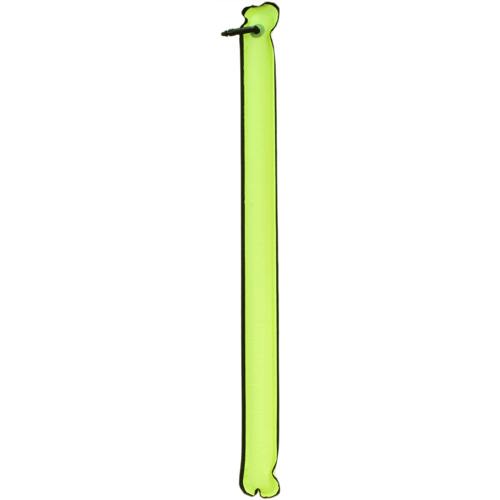
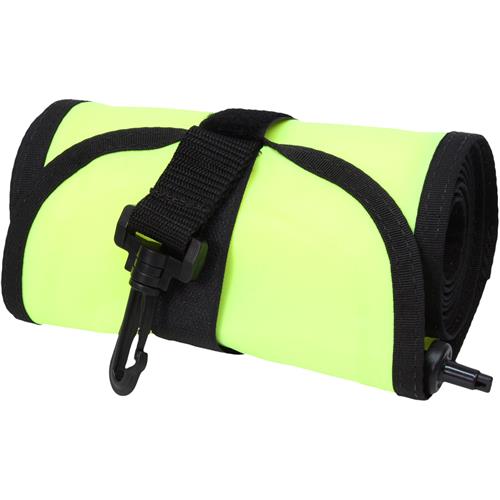
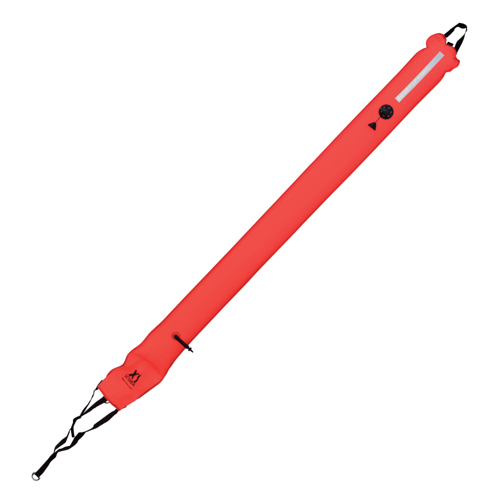
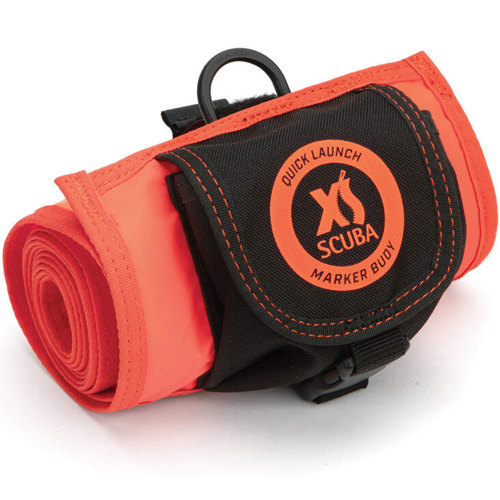
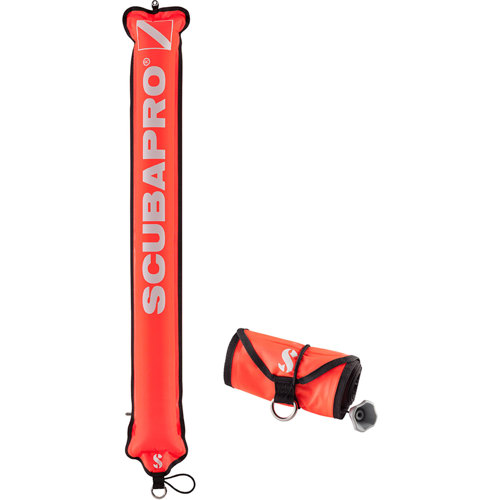
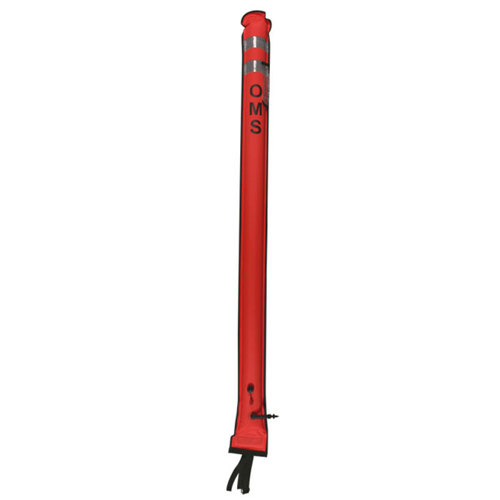
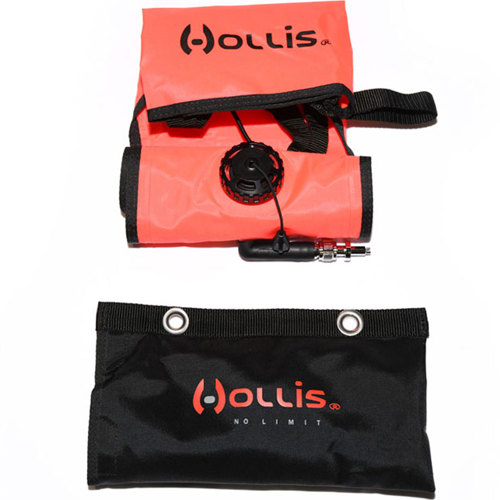
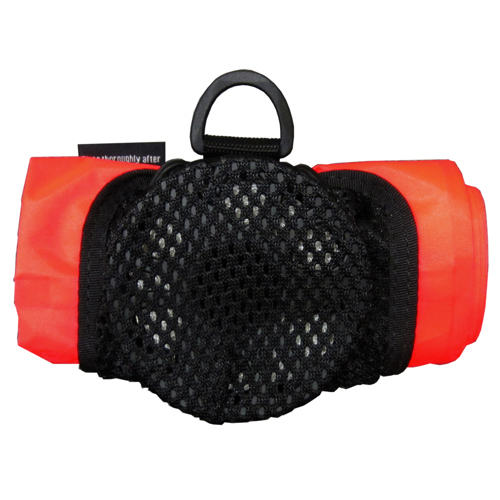
Buoyancy control buoys serve as essential tools for a wide range of underwater activities, from recreational scuba diving and snorkeling to advanced marine research and commercial operations. At their core, these devices harness the principles of displacement and controlled density to maintain precise positioning or depth in the water column. For divers, Surface Marker Buoys (SMBs) are indispensable safety devices—brightly colored, inflatable markers that are deployed during ascent or at the surface to signal a diver’s location to boats and support teams above. The simple act of releasing an SMB and watching it soar toward the sunlight is both a reassuring ritual and a vital communication tool, especially in areas with heavy boat traffic or variable visibility. More advanced buoyancy control buoys, often used by research institutions or commercial operators, go beyond passive flotation; they feature internal air bladders, ballast systems, and sophisticated sensors that allow for real-time adjustments in depth and position. These controllable buoys can be networked, tethered to remotely operated vehicles (ROVs), or equipped with GPS, pressure, and temperature sensors, providing critical data for ocean monitoring, environmental studies, and the support of underwater assets.
Selecting the right buoyancy control buoy depends on your specific needs and the environments in which you operate. Recreational divers and instructors often look for SMBs that are highly visible, easy to deploy, and constructed from durable materials to withstand repeated use in saltwater. These make thoughtful gifts for new divers or anyone advancing their training, as they are not only practical but also contribute directly to safety and peace of mind. For those involved in scientific research, environmental monitoring, or underwater construction, the requirements become more technical: controllable buoys must offer reliable communication capabilities, robust sensor integration, and the ability to autonomously adjust buoyancy to remain at a set depth for extended periods. Winter months, with their unique oceanographic conditions and reduced daylight, can present additional challenges—making reliable buoyancy control and clear surface signaling even more important for safe and effective operations. Maintenance is another key consideration, as exposure to the elements and frequent handling can wear down components; choosing buoys with replaceable parts and corrosion-resistant materials can extend their lifespan and performance.
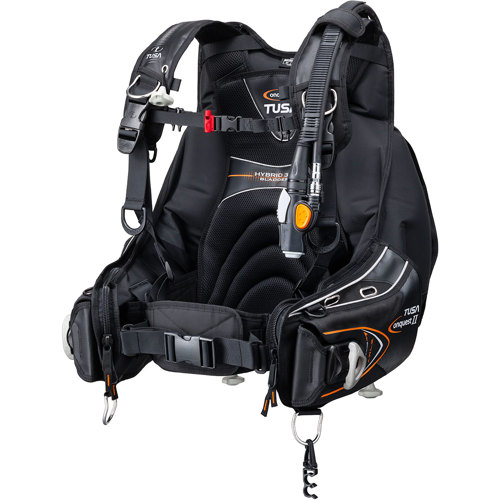
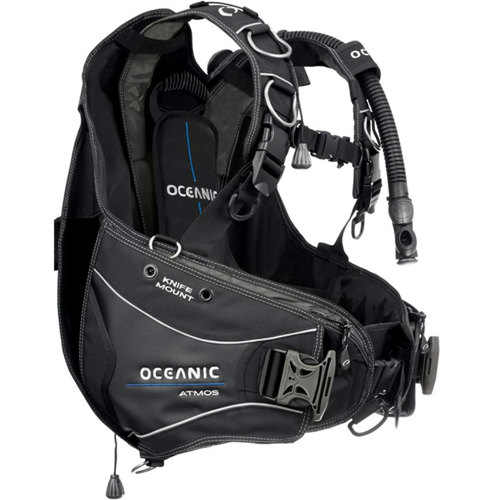
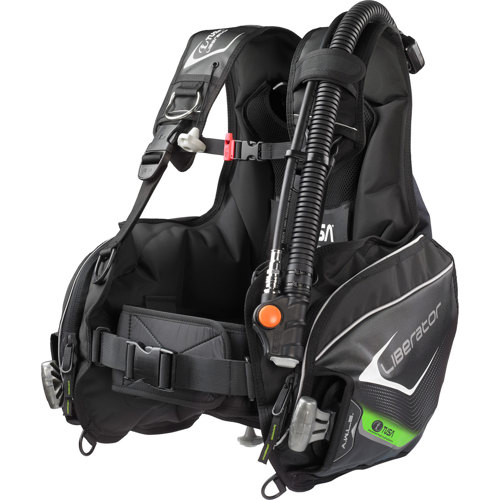
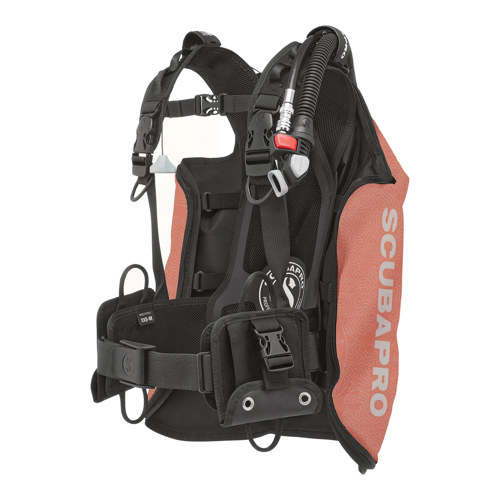
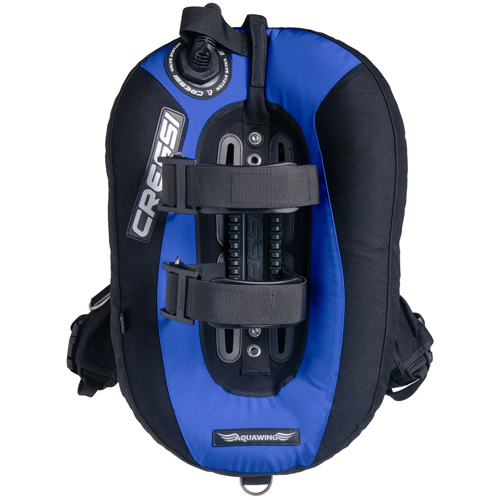
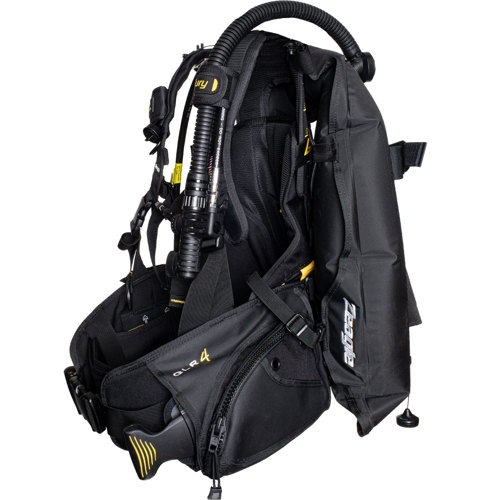
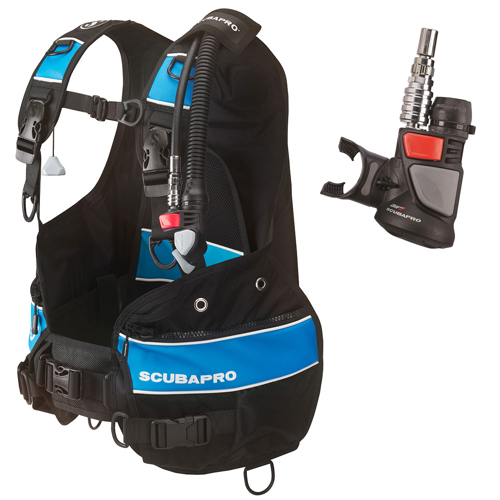
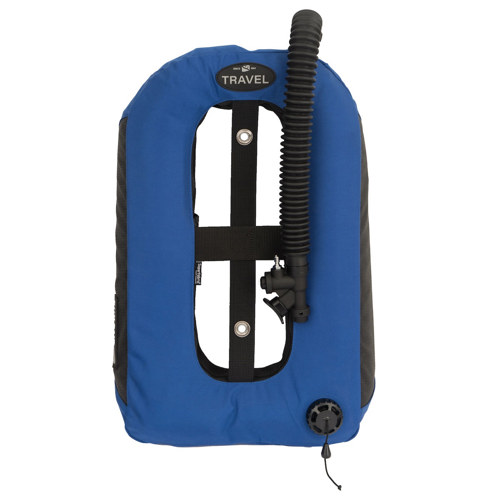
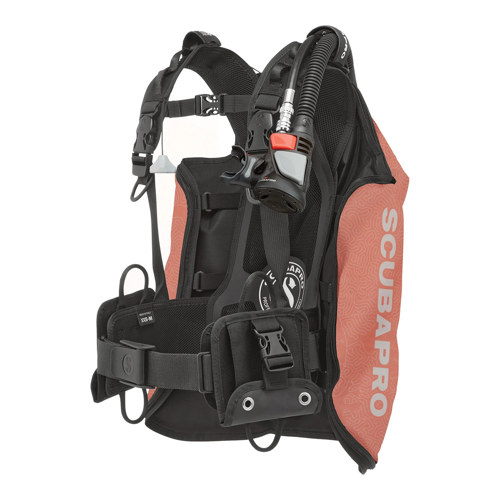
Whether you’re a diver seeking greater confidence during ascent, a marine scientist gathering long-term environmental data, or a technical operator managing underwater vehicles, buoyancy control buoys are a cornerstone of safe and successful aquatic activity. Their versatility makes them suitable for a wide variety of users, from beginners learning the ropes to seasoned professionals working in demanding conditions. As you explore the options available, consider how these buoys can complement other essential gear—such as
Buoyancy Control Suits—to create a comprehensive system for managing your position and safety beneath the waves. Investing in the right buoyancy control solution not only enhances individual performance and safety but also supports the broader goals of conservation, research, and responsible exploration of our planet’s oceans.