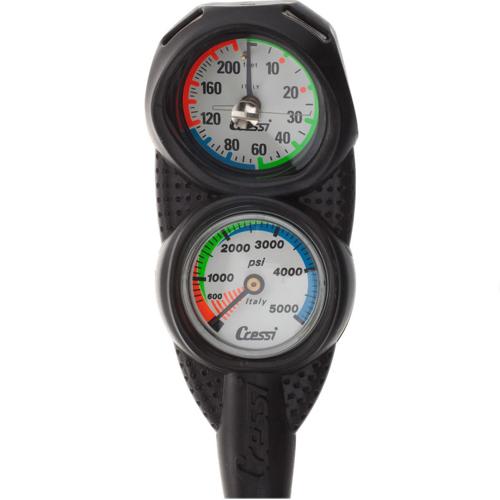
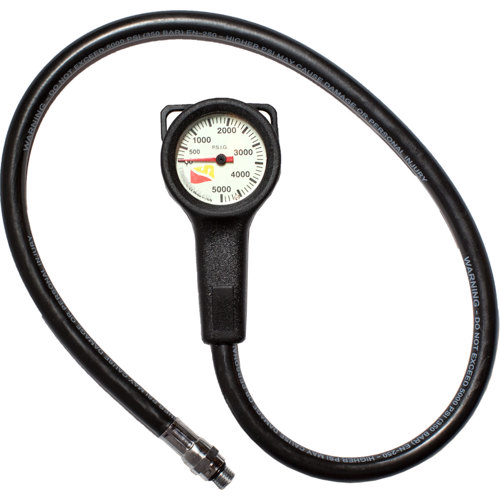
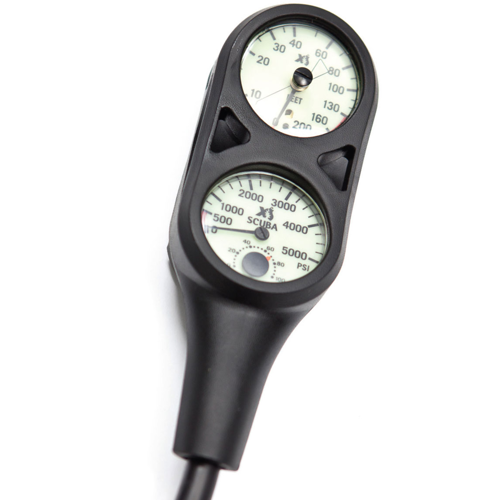
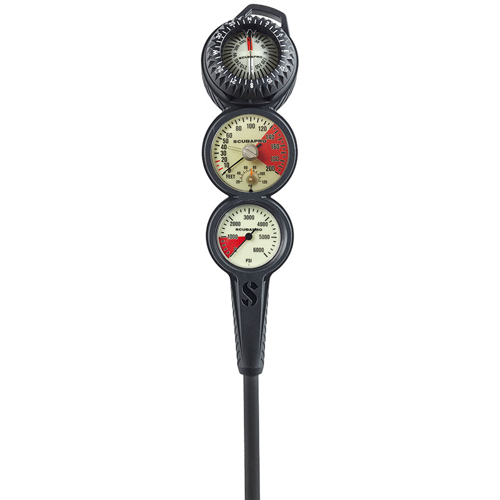
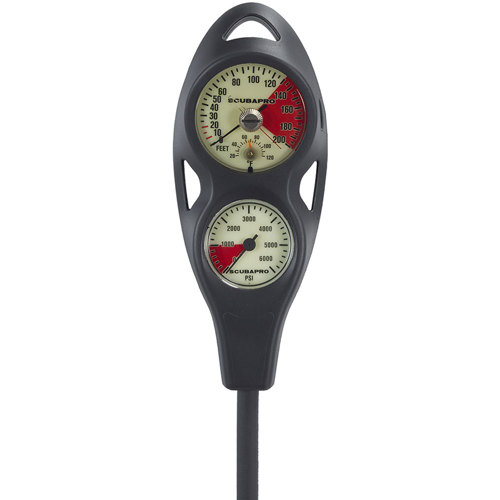
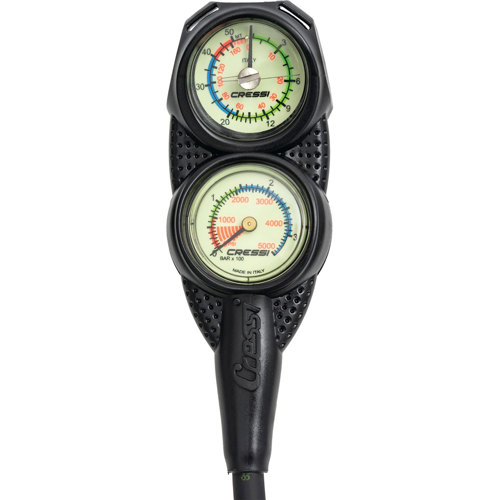
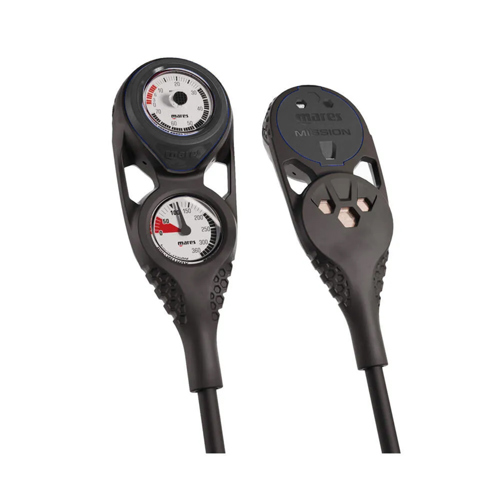
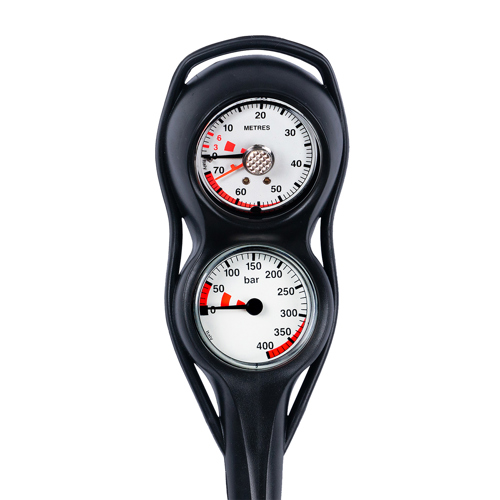
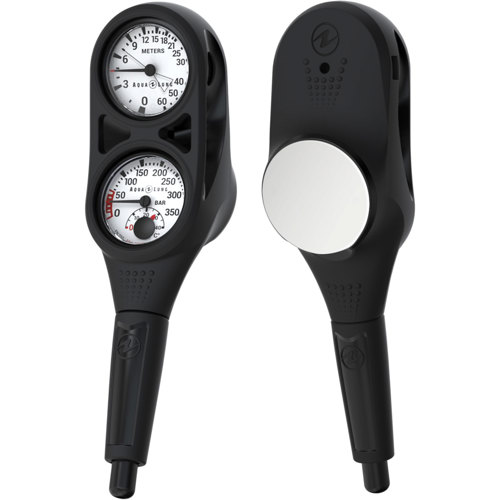
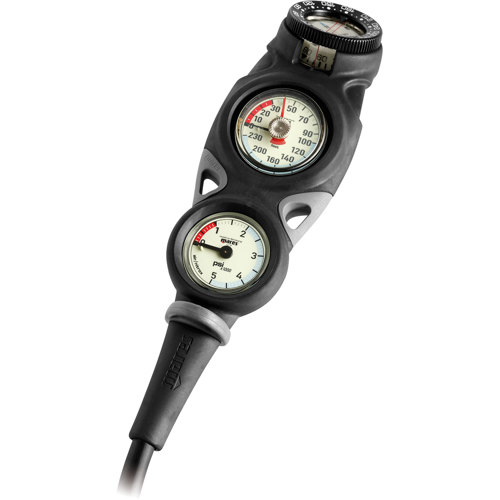
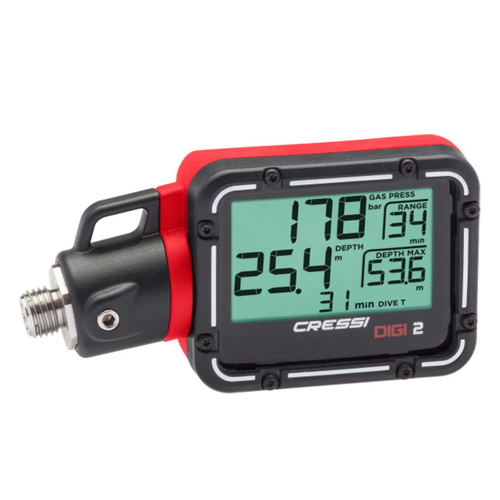
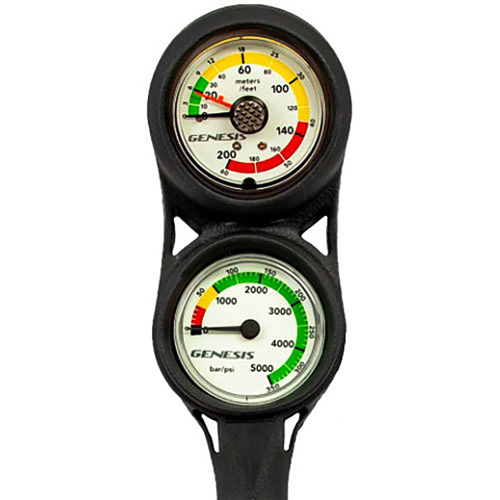
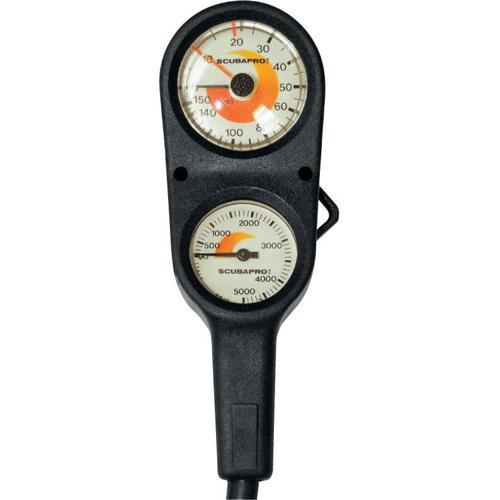
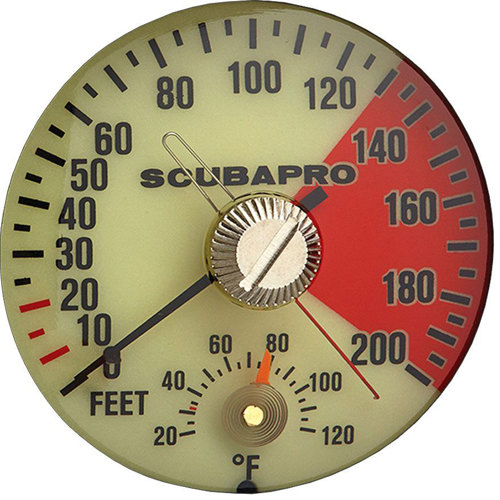
Bourdon tube depth gauges represent a classic standard in underwater instrumentation, renowned for their rugged reliability and straightforward mechanical operation. These gauges work on a time-tested principle: a curved or coiled elastic metal tube—known as the Bourdon tube—responds to changes in water pressure as a diver descends or ascends. As external pressure increases, the tube flexes, translating this movement into a precise reading on a calibrated dial. Unlike their digital counterparts, Bourdon tube depth gauges require no batteries and are impervious to electronic failure, making them a favored backup for divers who value peace of mind underwater. Many experienced divers remember the reassuring feel of a solid, oil-filled gauge in their hands—its luminescent face glowing softly in the filtered sunlight, with clear red safety zones and a trailing maximum depth indicator that records the deepest point reached during a dive. For those who have explored the world beneath the waves, the tactile click of a mechanical needle is a reminder of both tradition and trustworthiness, especially during the warmer diving season when adventure calls from every shoreline and reef.
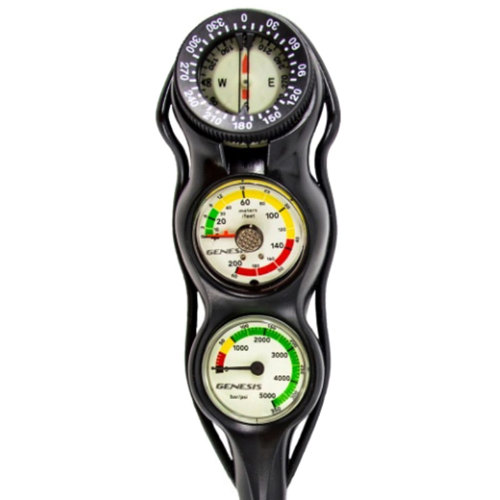
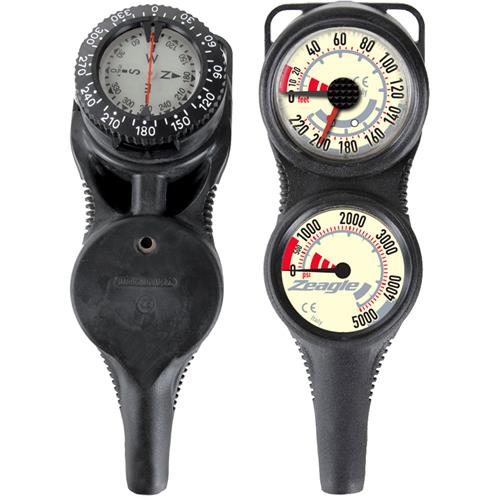
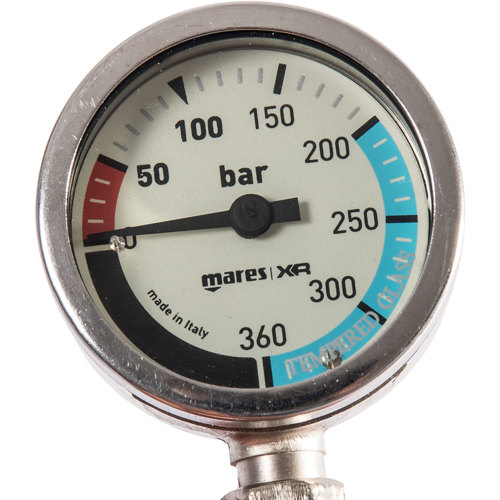
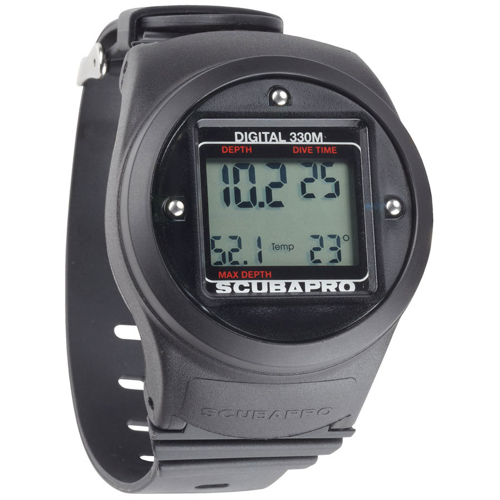
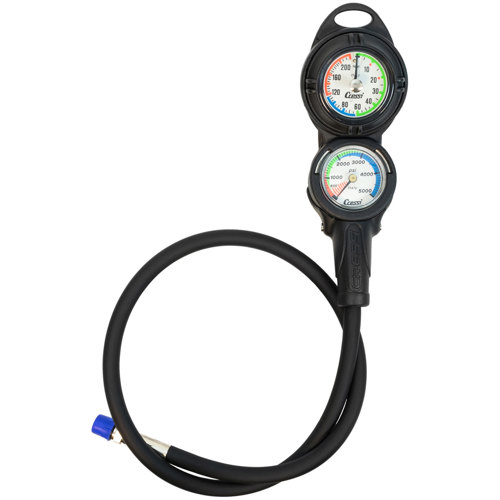
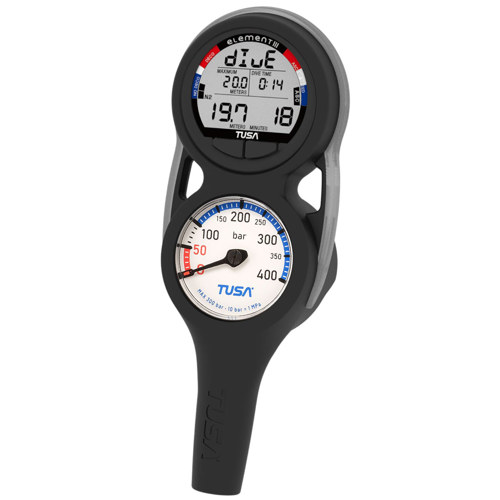
These depth gauges are not just for seasoned technical divers; they’re a thoughtful gift for anyone starting their underwater journey or for those who appreciate analog craftsmanship. Whether you’re assembling a new kit for a loved one or upgrading your own, it’s important to consider the gauge’s construction—look for robust, corrosion-resistant materials, oil-filled cases that prevent internal fogging, and easy-to-read dials with luminescent markings for visibility in low light. Many divers prefer models with integrated maximum depth indicators, which are invaluable for tracking dive profiles and ensuring safe ascent practices. Some gauges are designed to be worn on the wrist, while others are built into multi-instrument consoles alongside pressure and compass modules, giving you flexibility in how you carry and reference your data. For those interested in the heritage of dive engineering, it’s worth noting that several renowned diving depth gauge manufacturers in Italy have contributed to the evolution of the Bourdon tube design, offering both classic and modern interpretations. If you’re curious about which diving instrument incorporates a Bourdon tube mechanism, the answer is often found in traditional analog depth gauges, though the same principle is used in select industrial and maritime applications, such as subsea equipment testing and vessel draft measurement.
As the weather warms and dive sites become more accessible, the demand for reliable, easy-to-use gauges grows—especially among instructors, students, and those exploring new locations. Families and friends might find these gauges a unique and practical present for birthdays, graduations, or as a thoughtful gesture before a tropical getaway. The simplicity of a Bourdon tube depth gauge means less time worrying about electronics and more time enjoying the serenity of the underwater world. Whether you’re using a bourdon float tube in a freshwater lake, checking your stats on a dive sg, or adding to your console with a dive dash, analog depth gauges continue to offer unmatched dependability. For those seeking a curated selection of proven, well-built options, our list of
Reliable Depth Gauges is an excellent resource for divers of all levels. As you plan your underwater adventures in the coming months, choosing a quality Bourdon tube depth gauge ensures that every descent is measured with precision and every dive is remembered with confidence.