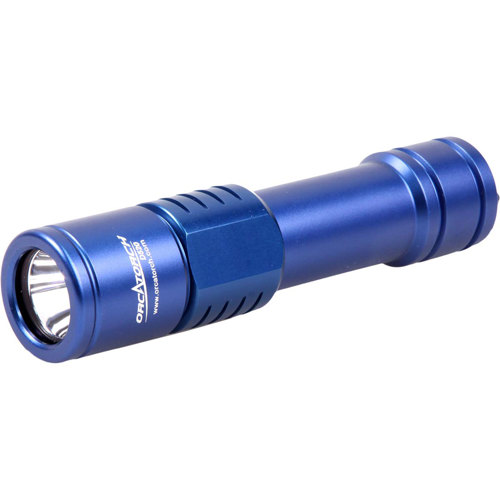
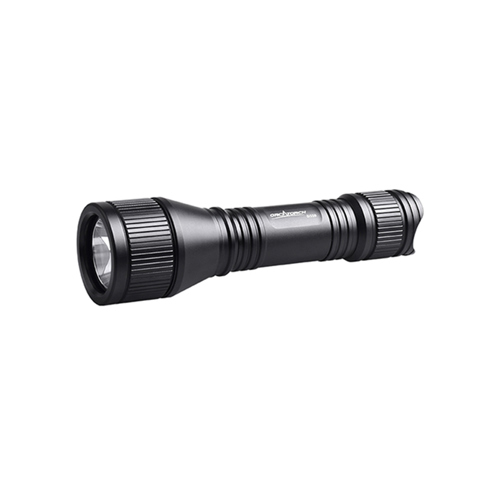
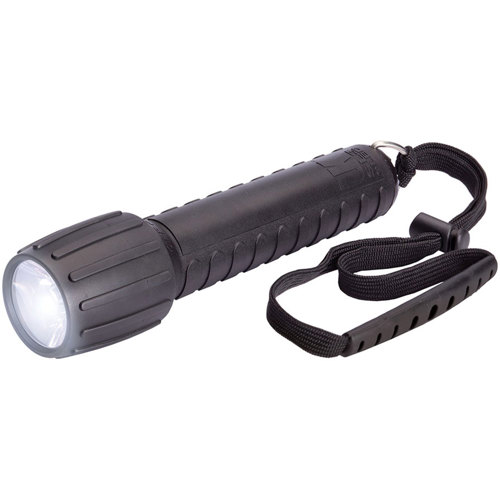
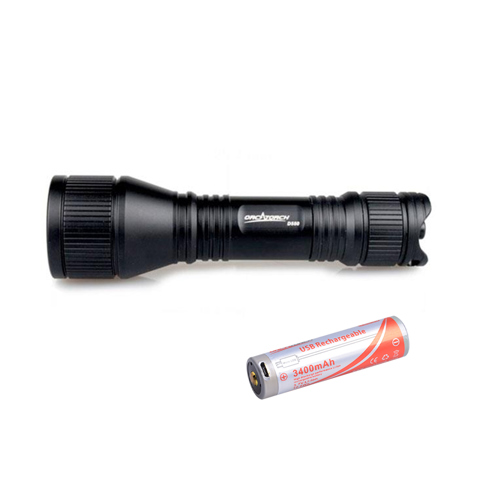
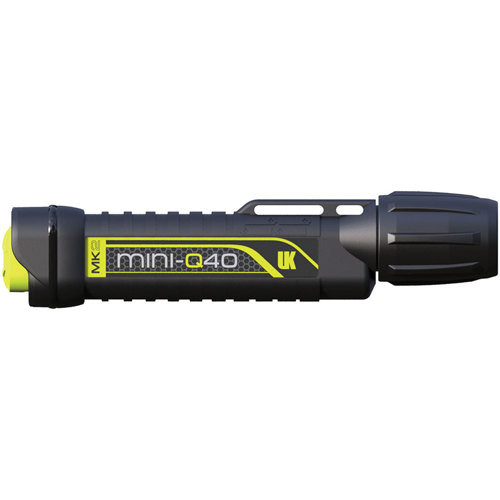
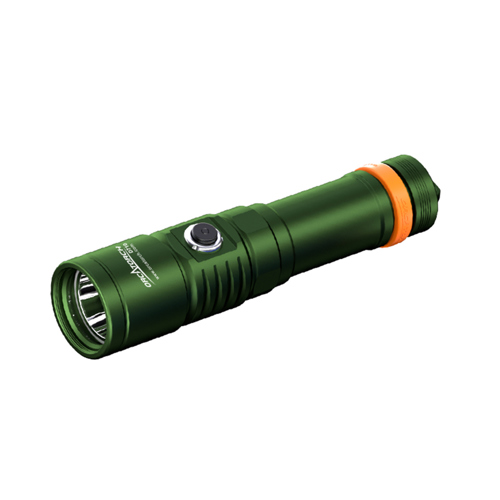
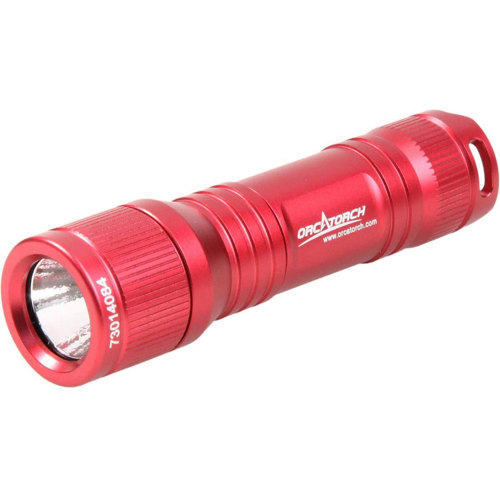
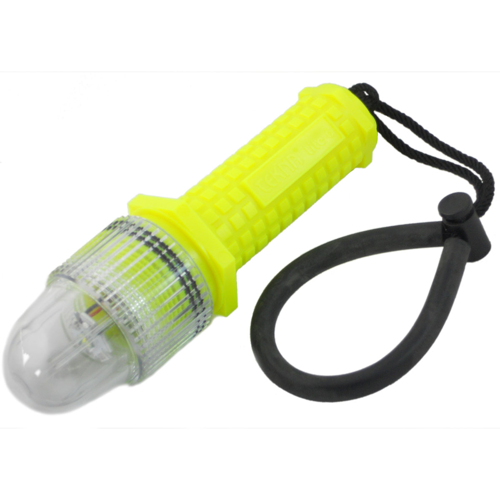
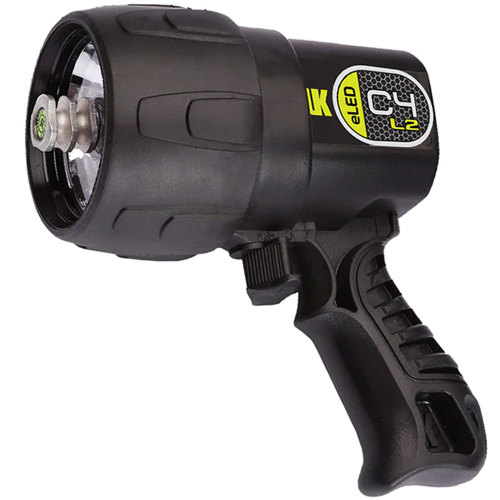
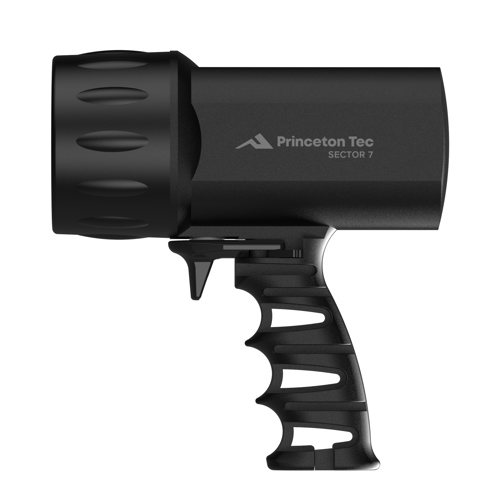
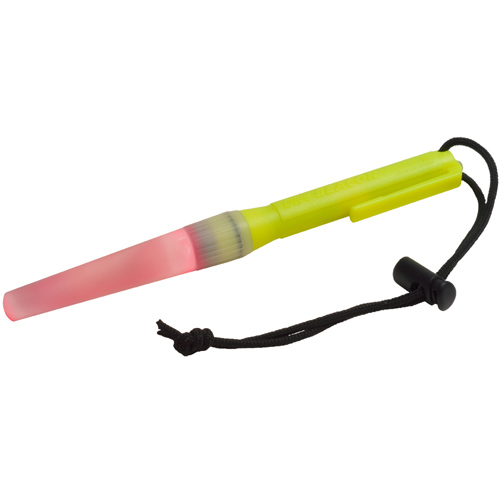
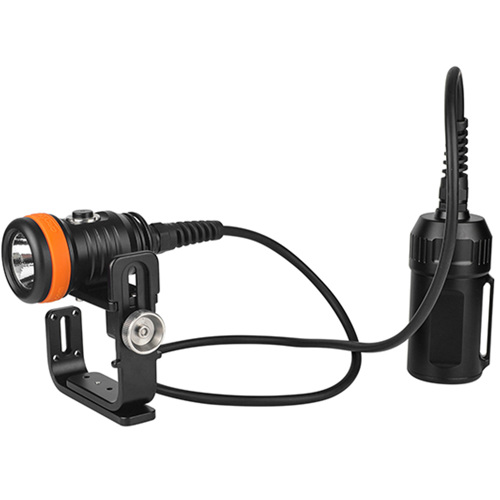
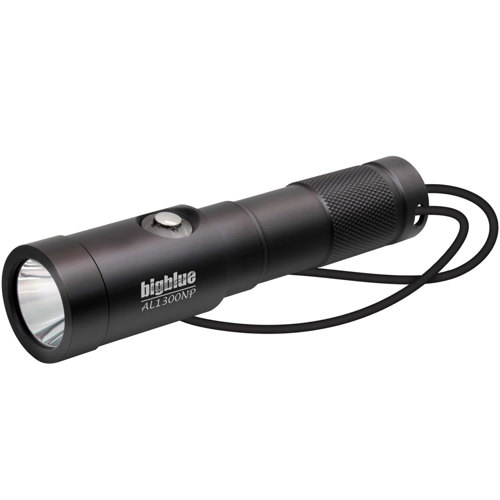
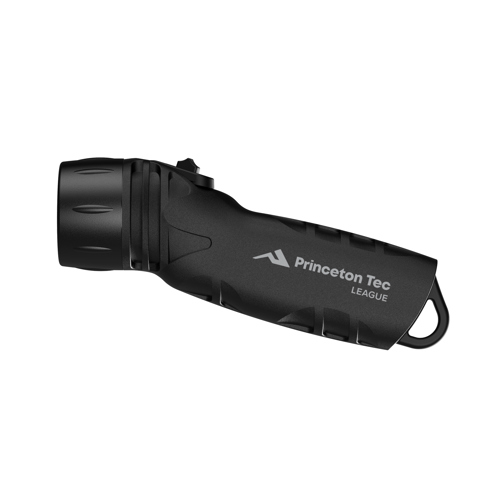
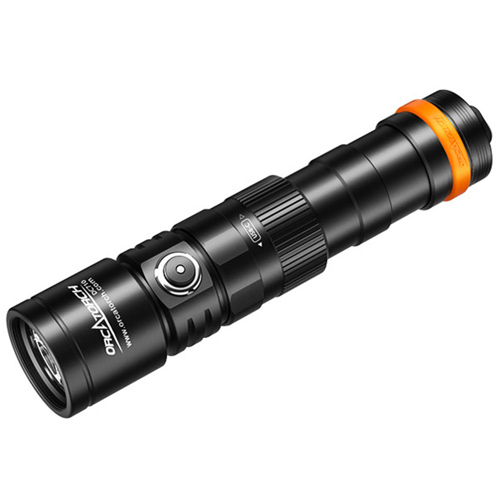
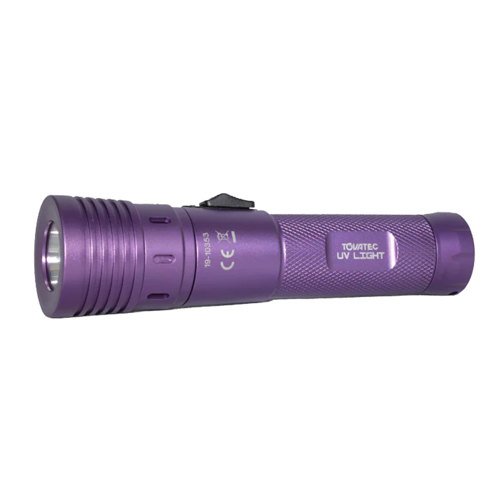
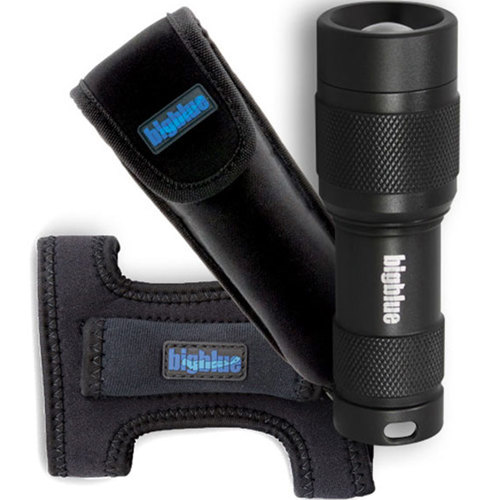
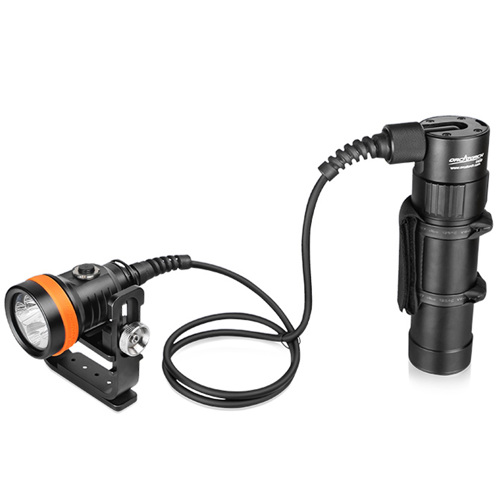
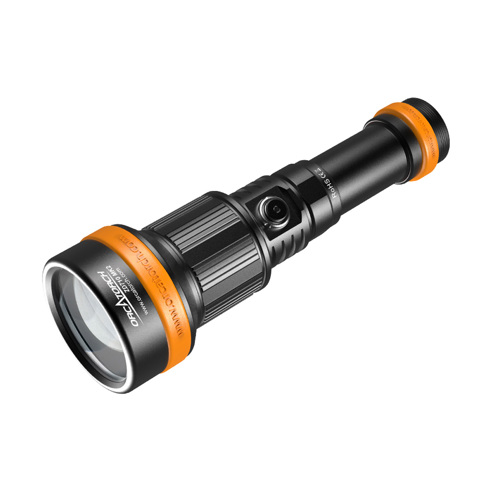
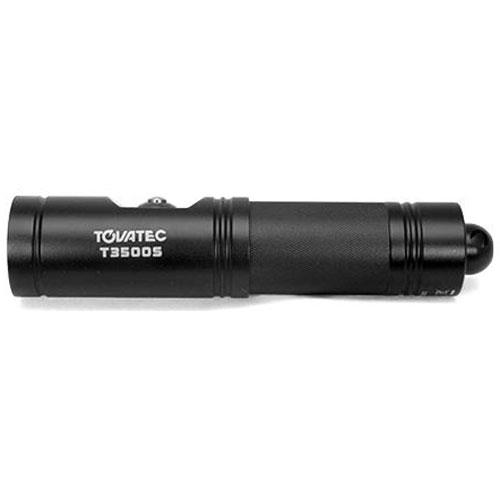
Backup dive lights are an essential component of any technical diver’s equipment, serving as a critical safety measure rather than a mere convenience. When exploring deep wrecks, intricate cave systems, or conducting extended decompression stops, the reliability of your lighting can make the difference between a smooth dive and a stressful emergency. Technical diving environments often present unique challenges—low visibility, total darkness, overhead restrictions, and silt-outs—that demand dependable, high-performance backup lights. These lights are engineered to function flawlessly at depth, with robust housings crafted from materials like anodized aluminum to withstand the rigors of repeated dives and accidental impacts. The best backup lights feature simple, mechanical switch mechanisms—usually twist-on or magnetic bezels—to minimize the risk of accidental activation or failure due to water ingress. Push-button switches with complex circuitry are generally avoided in favor of designs that prioritize reliability and ease of use, especially when wearing thick gloves or handling multiple pieces of equipment in challenging conditions. Burn time is another crucial consideration; a true backup must be capable of lasting significantly longer than the maximum anticipated bottom time, ensuring you’re never left in the dark should your primary light fail at the outset of a dive.
For technical divers, agency standards typically require carrying at least two backup lights, each stowed in a streamlined and accessible manner. Lights with tightly focused spot beams—often between 6° and 10°—are highly valued for their ability to cut through murky water and silt, create effective signals, and illuminate distant features without blinding teammates. Compactness matters too, as backup lights should fit comfortably in thigh pockets or be clipped to a harness where they can be reached ambidextrously. This attention to accessibility is not just about convenience; in a real emergency, being able to deploy a backup light with either hand can be critical, especially in zero-visibility situations. Many experienced divers have stories of surfacing from a long cave penetration or a deep trimix dive, grateful for the peace of mind provided by a dependable backup. These lights also make thoughtful gifts for seasoned divers or those advancing into more complex dive profiles—an investment in safety that demonstrates understanding and care for the diver’s passion. As the weather warms and dive season stretches into the longer days of late spring and summer, more divers are drawn to adventurous sites where robust backup lighting becomes even more important, whether exploring new depths or revisiting favorite underwater passages.
Choosing the right backup dive light is about more than just lumen output or brand reputation. It’s about matching your equipment to your dive environment and personal needs. Look for models with proven depth ratings, simple and sturdy construction, and burn times that outlast your planned dives. Testing your lights before each trip—checking O-rings, verifying switch operation, and confirming battery life—should become second nature, particularly when preparing for dives in overhead or remote locations. For divers seeking to expand their knowledge or compare options across a broader range of primary and backup lighting solutions, our dedicated guide on
Dive Lights For Technical Diving offers in-depth insights and recommendations. Whether you’re assembling your first technical rig or refining an experienced setup, the right backup dive light is a small investment that pays dividends in confidence, safety, and the freedom to explore the underwater world’s most challenging frontiers.