Scuba Regulator Buying Guide
Your regulator is the most important piece of life-support equipment you'll own. Every breath underwater depends on it, making it one of the most important investments you'll make as a diver.
While renting a regulator is a great option for students and occasional vacation divers, owning your own regulator offers significant advantages. You'll know exactly how your equipment performs, enjoy a consistent fit and breathing feel on every dive, and have confidence knowing its service history and maintenance schedule.
Whether you're earning your Open Water certification, planning tropical vacations, exploring local cold-water sites, or building a technical diving setup, understanding the features that matter will help you buy with confidence.

Find the Right Regulator for Your Diving Style
The best regulator is the one that matches how and where you dive. Here's what to look for based on your diving style.
Featured Top Rated RegulatorsShop All
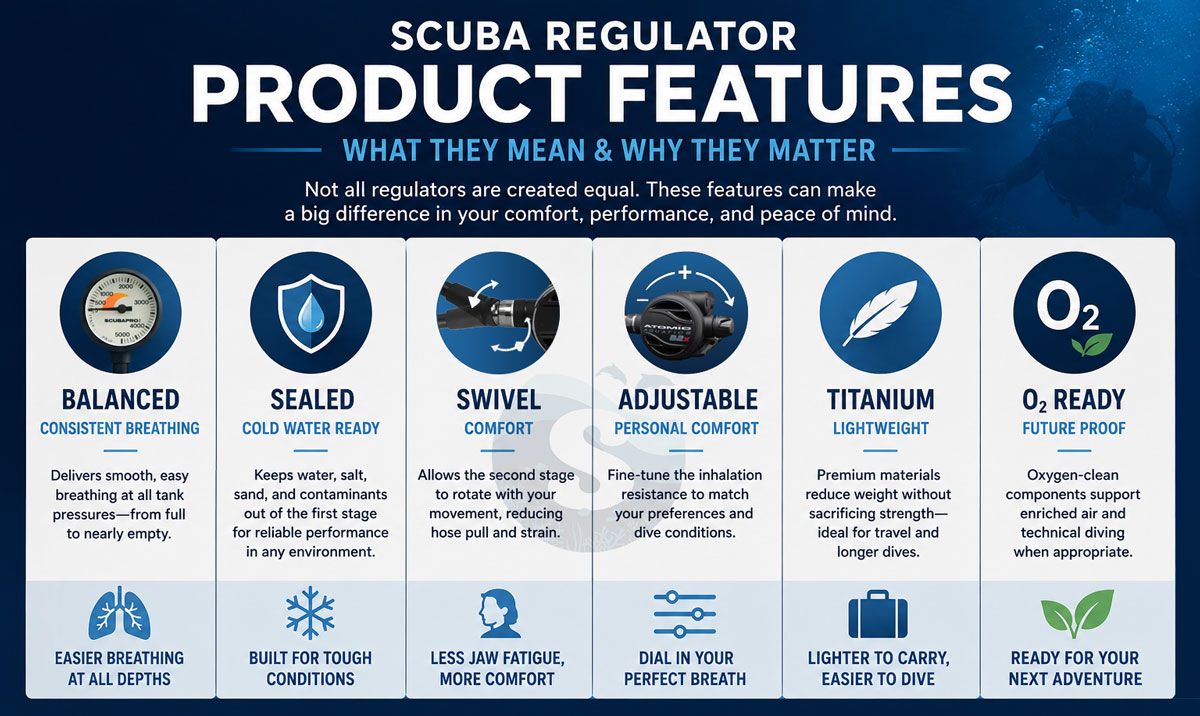
Regulator DealsShop All
Backup Systems & Redundancy
Why Every Diver Needs a Backup Air Source
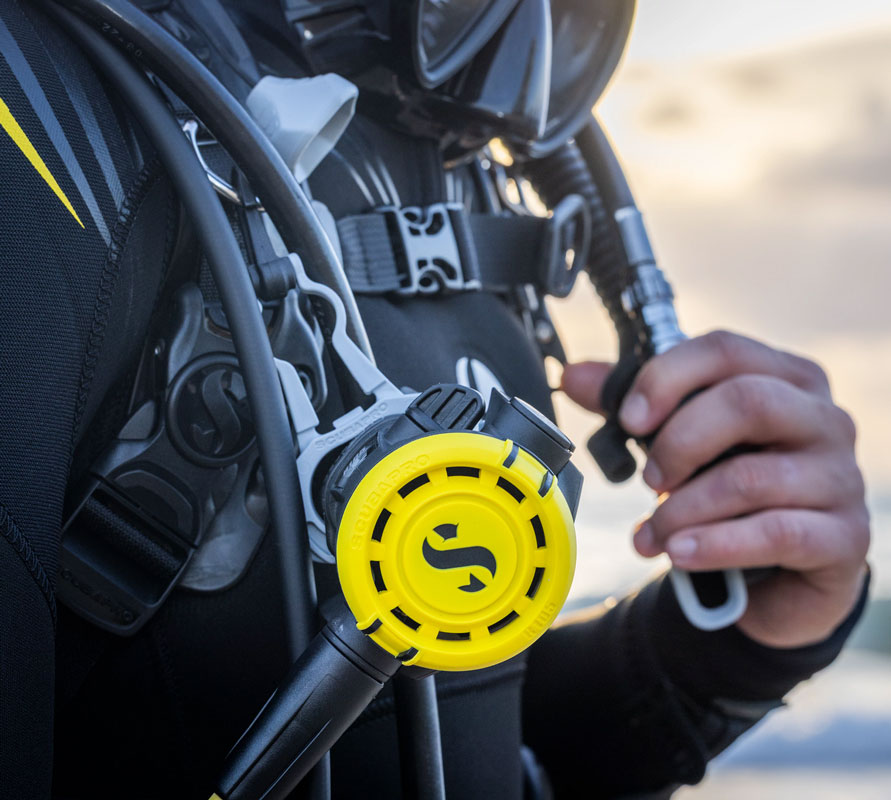
Your alternate second stage (commonly called an octopus) is your primary backup air source. It's there in case your buddy experiences an out-of-air emergency or your primary regulator becomes unusable.
The best backup regulators are:
- brightly colored for visibility
- easy to locate
- securely clipped
- properly maintained
Featured OctosShop All
Braided Regulator Hoses
Small Upgrade, Big Difference
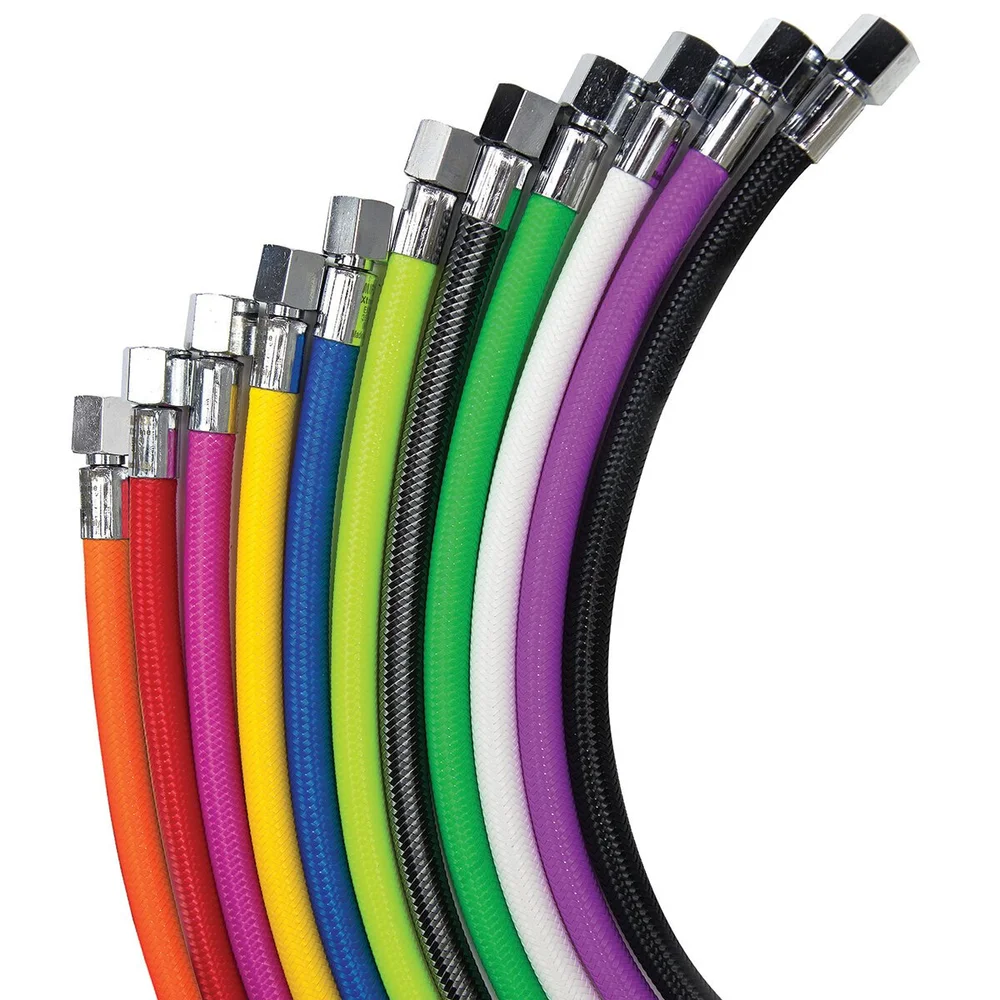
A regulator hose may seem like a simple component, but it has a noticeable impact on comfort both above and below the surface. Many premium regulators now include braided low-pressure hoses instead of traditional rubber hoses because they're lighter, more flexible, and easier to route.
For many divers, the biggest benefit is comfort. A braided hose naturally follows your movements, reducing the amount of pull on your second stage. That means less jaw fatigue during long dives and a regulator that feels like it moves with you instead of against you.