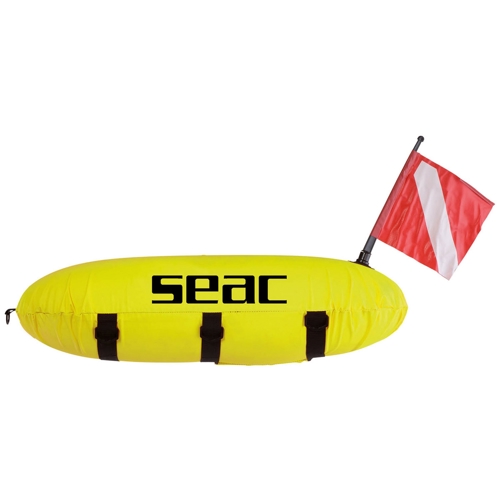
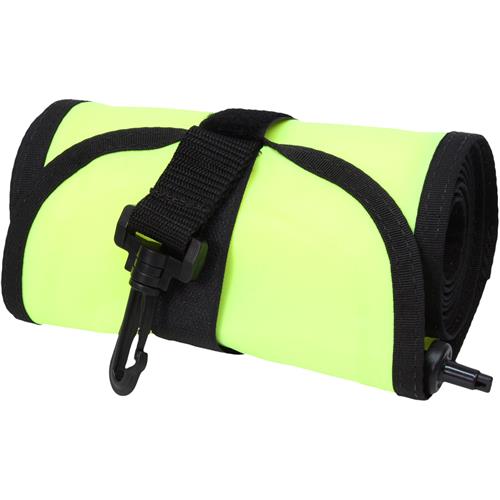
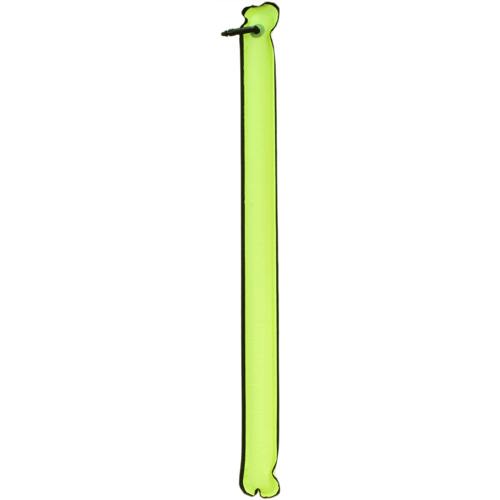
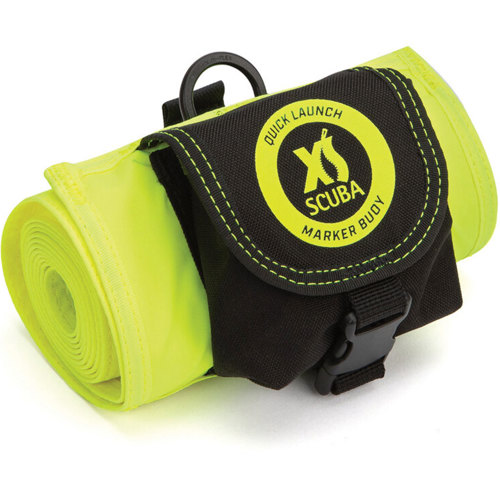
Yellow buoys play a vital role in ensuring safety, organization, and environmental stewardship on the water. Recognized internationally as “special marks,” these highly visible markers are used to communicate essential information to boaters, divers, and water sports enthusiasts. Unlike standard navigation aids, yellow buoys are not intended to guide safe passage around hazards or channel entrances. Instead, they are employed to alert mariners to specific zones or features, such as the boundaries of marine sanctuaries, areas designated for scientific data collection, or regions where underwater infrastructure like cables and pipelines may be present. During the warmer months, when waterways become busier with recreational boaters, kayakers, and swimmers, the importance of clear and reliable marking systems becomes even more apparent. Yellow buoys help delineate speed-restricted zones, ski lanes, and special activity areas, reducing the risk of accidents and ensuring that everyone can enjoy the water safely. Their bright color and distinctive shapes—whether spherical, can-shaped, or pillar-style—make them easy to spot even in challenging light or weather conditions, which is crucial for both newcomers and seasoned mariners navigating unfamiliar waters.
When considering the purchase of a yellow buoy, it’s helpful to think about the intended application and the specific needs of your environment. For those managing private docks, marinas, or waterfront properties, yellow buoys can be used to mark swimming areas, designate no-wake zones, or signal the presence of underwater hazards that might not be visible from the surface. Scientific organizations and environmental groups often deploy yellow buoys as platforms for sensors and data loggers, gathering real-time information on water quality, currents, or wildlife activity. Even local boating clubs and event organizers rely on these buoys to set up regatta courses or temporary exclusion zones during festivals and competitions. Their utility extends beyond professional and institutional use; yellow buoys can also make thoughtful and practical gifts for boating enthusiasts, dive instructors, or anyone passionate about water safety and conservation. Whether you’re outfitting a family lakehouse for the summer, supporting a community beach clean-up, or contributing to a marine research project, a well-chosen yellow buoy is a tool that brings peace of mind and a sense of responsibility to every aquatic adventure.
Selecting the right yellow buoy involves more than just choosing a color or shape. Consider the conditions in which the buoy will be deployed: factors like water depth, current strength, and exposure to wind and waves will influence the size, weight, and anchoring system required. Some buoys are designed with reflective bands or integrated lights for enhanced visibility during dawn, dusk, or night operations, while others may feature customizable markings or numbers for easy identification. Maintenance is another important aspect—durable, UV-resistant materials and secure fittings ensure that the buoy will withstand months of exposure to sun, salt, and weather without fading or becoming damaged. For those interested in exploring a broader range of options or learning more about specialized buoys for underwater use, the
Underwater Buoys page provides additional resources and product recommendations. As activity on the water increases from late spring through late summer, investing in reliable yellow buoys is a proactive step toward safer, more organized, and environmentally conscious waterway experiences. Whether you’re navigating open bays, managing a busy marina, or simply enjoying a peaceful day at the lake, these special markers are indispensable companions for anyone who values safety, clarity, and respect for the aquatic environment.