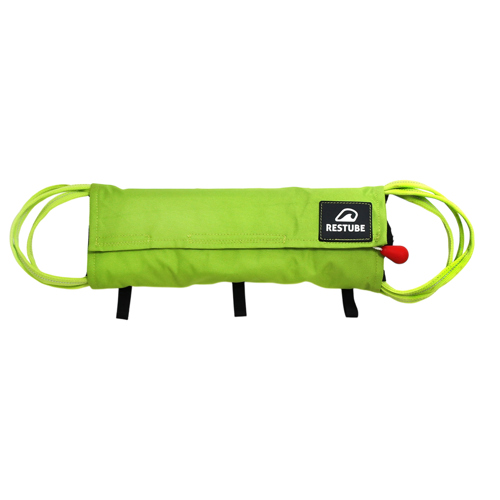
Torpedo buoys are an essential piece of equipment for anyone venturing into open water, whether for rescue operations, scuba diving, freediving, or snorkeling. Recognizable by their streamlined, hydrodynamic shape and vibrant colors—typically orange or red—these buoys are designed to be both highly visible and easy to tow through the water. Lifeguards rely on torpedo buoys, sometimes referred to as rescue cans or tubes, to provide immediate flotation and support during water rescues. The buoy’s multiple handles and attached towline allow rescuers to maintain a safe distance from distressed swimmers, minimizing risk while ensuring the swimmer can be guided safely to shore or a rescue vessel. In the hands of a trained lifeguard, the torpedo buoy becomes a lifeline, offering reassurance and stability in high-stress situations. During the warmer months, when beaches and lakes are bustling with activity, these buoys are a familiar sight slung across the backs of vigilant lifeguards, always ready for action. Their robust build, usually from hard plastic or high-density foam, ensures durability even in rough surf or rocky shorelines, making them a reliable tool for both professional and volunteer lifesavers.
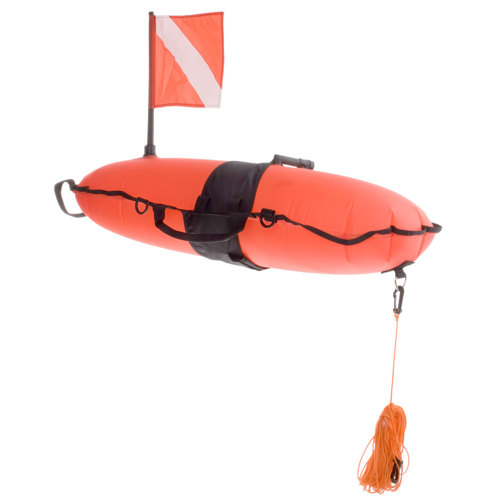
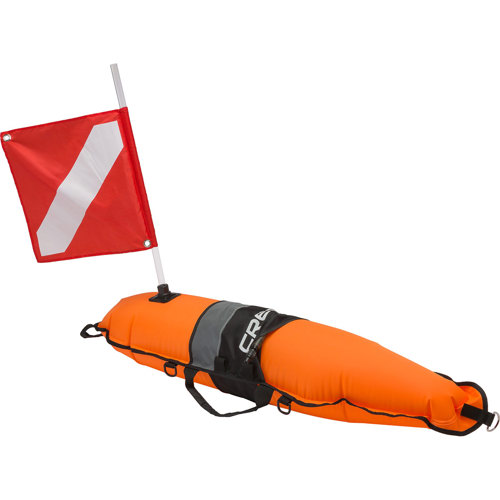
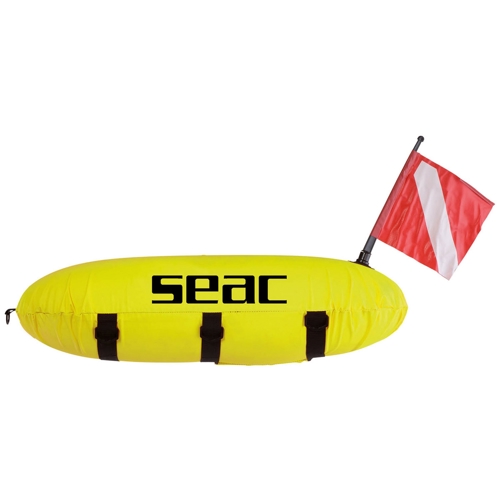
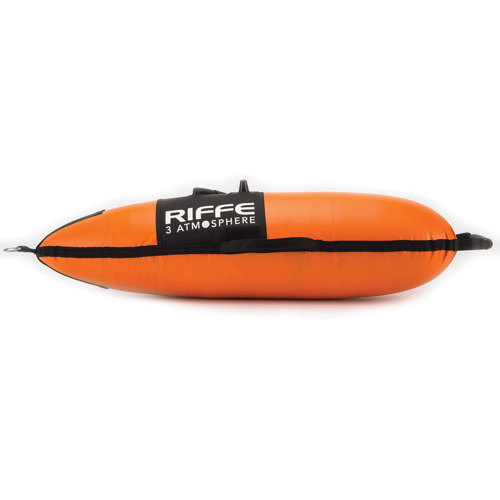
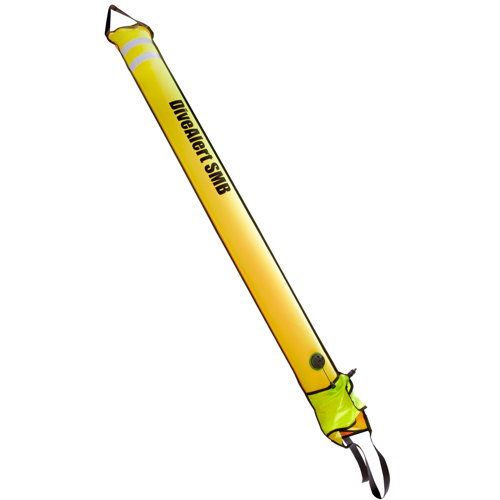
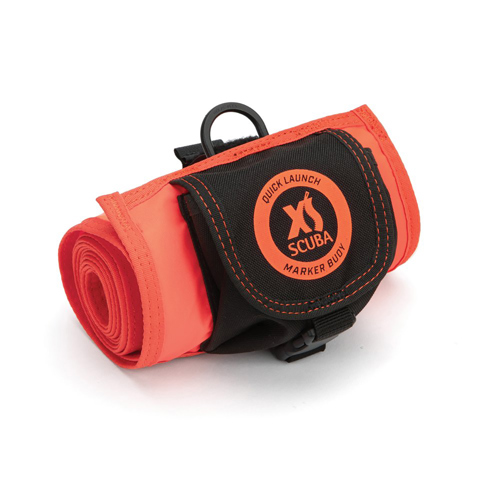
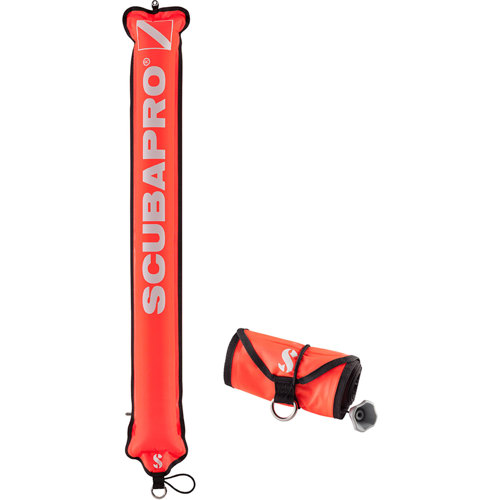
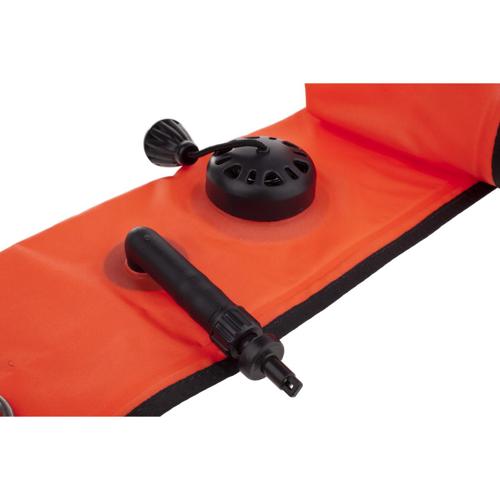
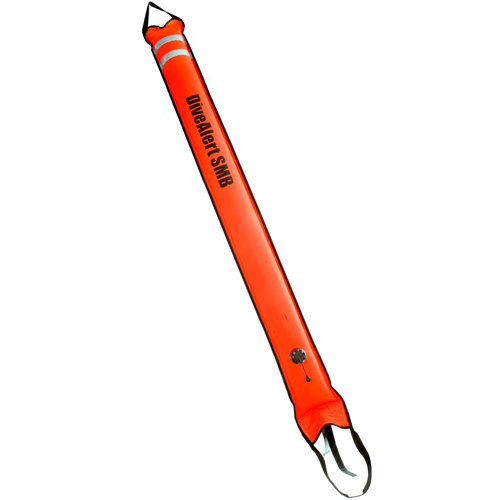
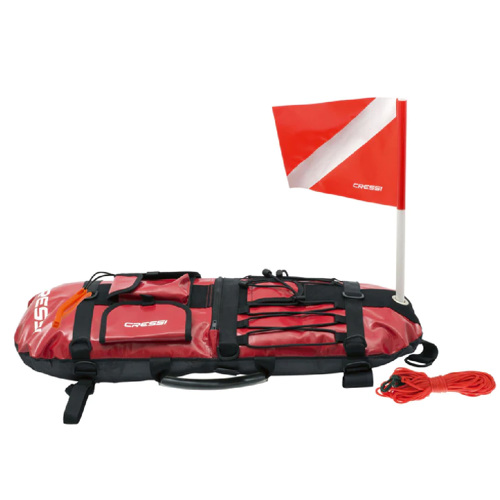
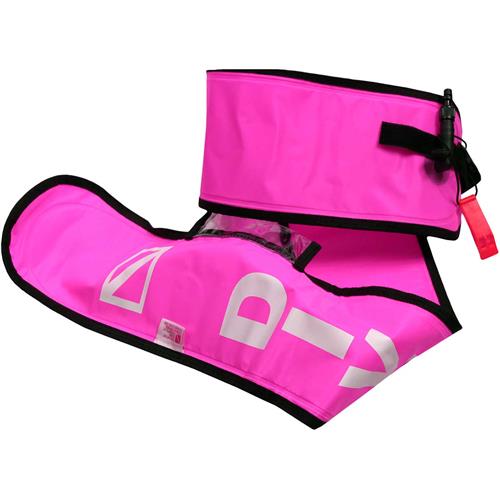
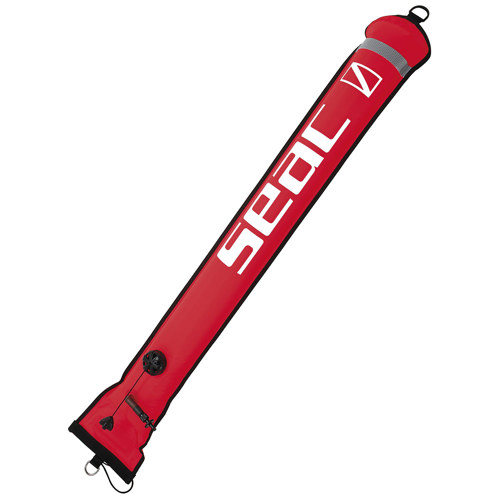
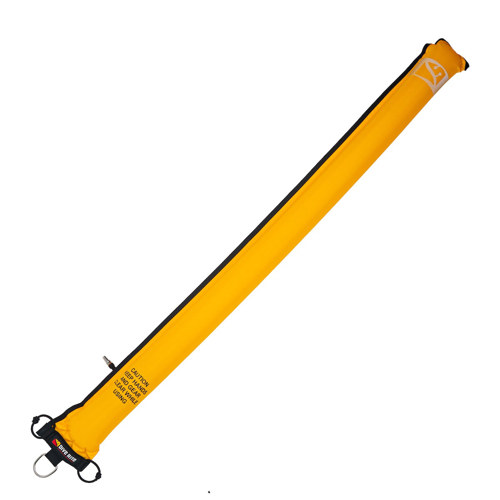
Beyond rescue work, torpedo buoys have become a staple for divers and snorkelers seeking safety and visibility in open water. Inflatable models, often equipped with a regulation-sized “diver down” flag and multiple gear attachment points, are a common choice among scuba divers and freedivers. These buoys serve as floating markers, alerting boaters to the presence of divers below and reducing the risk of accidental encounters with watercraft. Their tapered, torpedo-like profile minimizes drag, allowing them to be easily towed behind a diver with minimal effort. For those who enjoy exploring coastal reefs, freshwater lakes, or offshore wrecks, a torpedo buoy offers peace of mind by marking your location and providing a surface support platform for resting or storing small gear. As underwater sports gain popularity during the transition from spring into early fall, gifting a torpedo buoy to a friend or family member who loves the water can be both thoughtful and practical—ideal for birthdays, graduations, or as a pre-vacation surprise. Selecting the right buoy involves considering factors such as buoyancy, visibility, durability, and the type of activity you’ll be doing. For lifeguards, a rigid, multi-handle design is essential, while divers may prefer a lightweight, inflatable model with ample attachment points and a highly visible flag. For a broader selection of surface marker buoys and related gear, you can explore our comprehensive range on the
Diving Buoys page.
Whether you are a seasoned lifeguard, an avid diver, or simply someone who enjoys recreational swimming in open water, investing in a quality torpedo buoy can make all the difference in safety and confidence. The transition from early summer to the cooler days of fall often brings changing water conditions and varying crowd levels, making reliable visibility and flotation even more important. Families heading to the beach, instructors leading group dives, and water sports enthusiasts alike benefit from the added security and practicality that a well-chosen torpedo buoy provides. With advancements in materials and design, today’s buoys are more user-friendly and durable than ever, offering features like quick-inflate valves, reinforced seams, and reflective elements for low-light conditions. As you gear up for your next aquatic adventure, consider how a torpedo buoy can enhance your experience—whether it’s ensuring rescue readiness, marking your position, or simply adding a layer of safety for you and your loved ones.