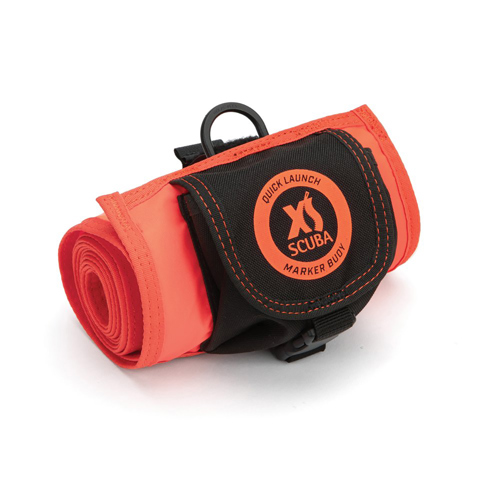
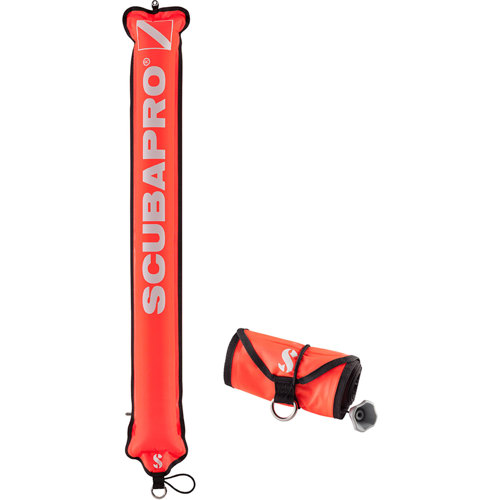
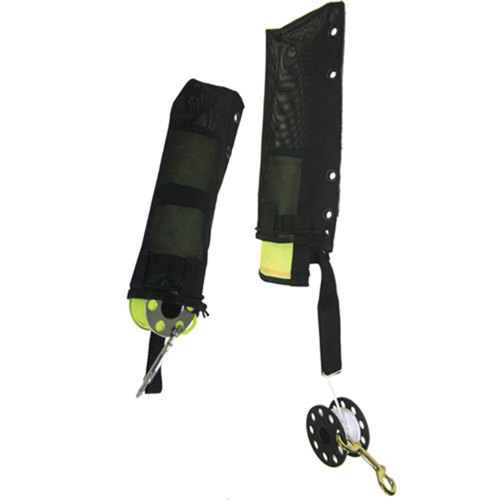
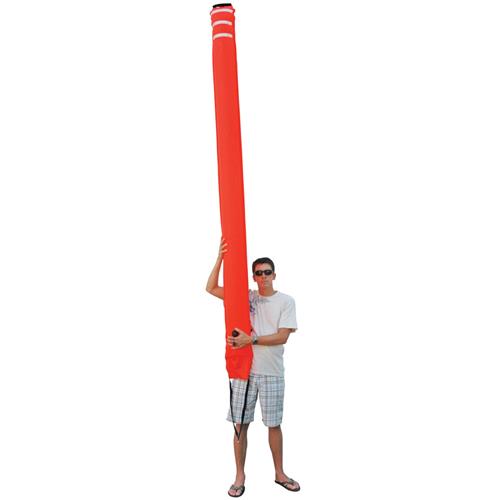
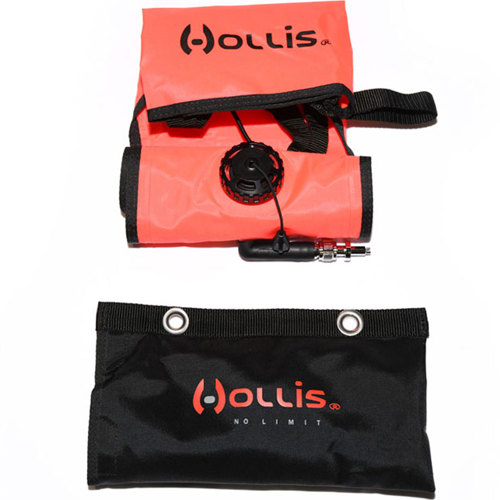
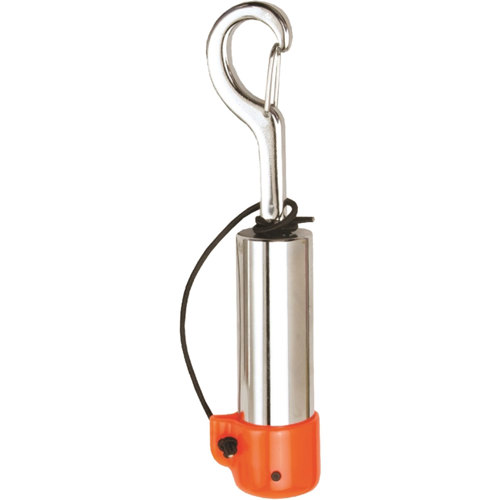
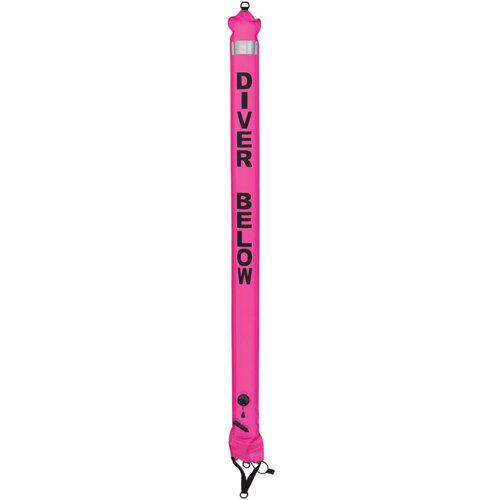
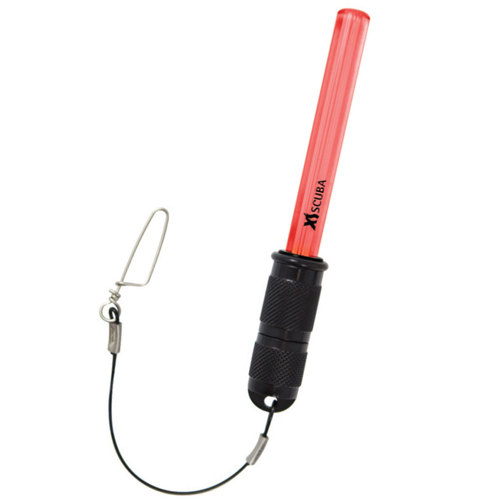
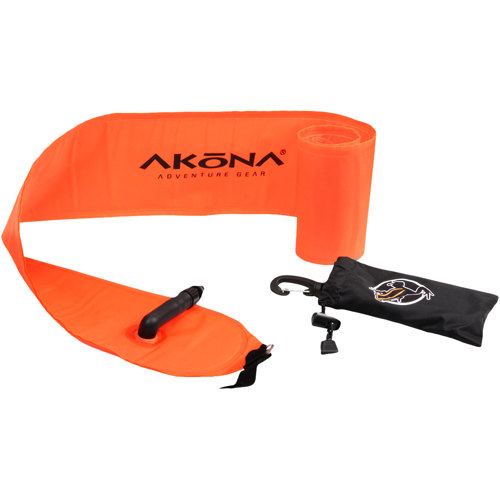
As the days grow longer and the waters beckon with the promise of adventure, the importance of reliable underwater buoys becomes clear to anyone spending time beneath the surface. Whether you’re a seasoned diver, a marine researcher, a snorkeling enthusiast, or someone setting up a mooring system for summer water activities, the right buoy underwater can be essential for safety, navigation, and communication. Underwater buoys serve a wide range of purposes, from marking dive sites and supporting safety stops to anchoring scientific instruments or signaling a diver’s location to surface vessels. For divers, a brightly colored scuba buoy or a delayed surface marker buoy (DSMB) is often an indispensable part of their gear, providing a clear visual cue to boats and other watercraft that someone is ascending or working below. These devices not only enhance safety but also offer peace of mind, allowing divers to focus on the beauty and exploration of the underwater world. For those involved in oceanographic research, a submerged buoy or submarine disposable buoy can play a critical role in data collection, supporting sensors and recorders that monitor everything from current flows to water temperature and salinity—all while withstanding the dynamic conditions found below the surface.
Selecting the appropriate underwater buoy involves considering several factors, including the intended use, water conditions, and the level of visibility required. Recreational divers may prioritize compact, easy-to-inflate DSMBs that can be deployed quickly during a safety stop or ascent, while technical or cave divers might look for buoys with higher lift capacities and robust construction to handle challenging environments. For those managing mooring lines or conducting research, a buoy underwater must be durable, resistant to corrosion, and able to maintain its position and integrity over extended periods. It’s also important to think about the ease of deployment and retrieval, especially if the buoy will be used repeatedly throughout the season. Many underwater buoys are designed with features like reflective panels, high-visibility colors, or integrated signaling devices to maximize safety and communication. As water activities become more popular during the warmer months, these products can also make thoughtful gifts for the divers, boaters, or marine science enthusiasts in your life, offering both practicality and a tangible connection to their passion for the sea. To explore a curated selection of options tailored to a variety of needs, visit our
Buoy Floats page for more information.
The versatility of buoys underwater extends beyond just diving and research. They are frequently used for training sessions, group dives, and even underwater photography, serving as reference points in open water or guiding divers back to their entry point. For families and youth programs, smaller floats and marker buoys can add an extra layer of safety during snorkeling excursions or water sports, ensuring everyone’s location is easy to spot from shore or boat. As the season progresses and water conditions shift, having the right type of buoy—whether it’s a simple surface marker, a sophisticated communication buoy, or a specialized submarine disposable buoy—can make every underwater experience safer and more enjoyable. From the thrill of a deep dive to the quiet focus of scientific study, the right underwater buoy is a trusted companion, supporting your adventures and research beneath the waves.