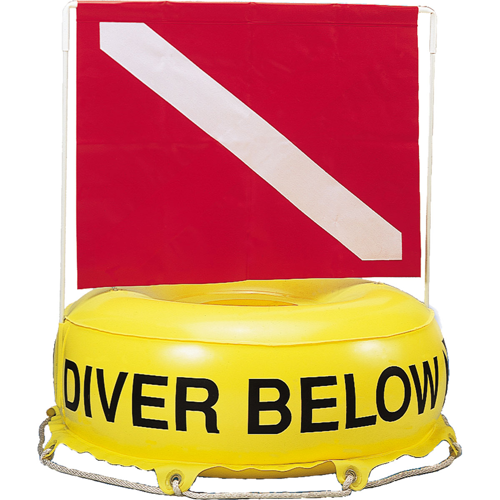
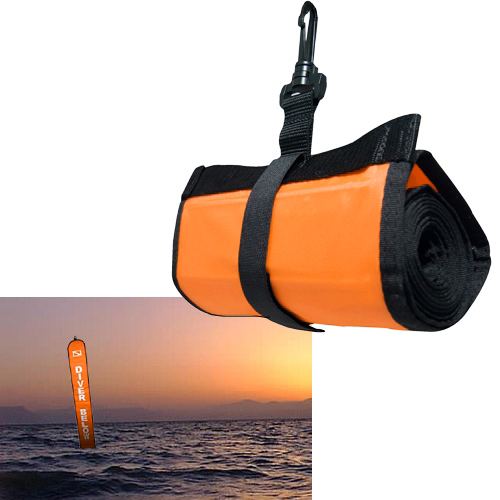
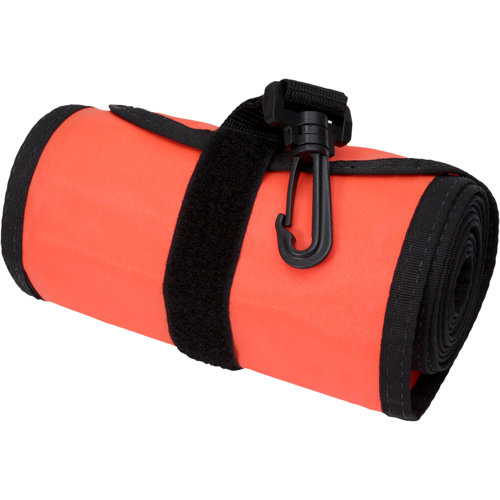
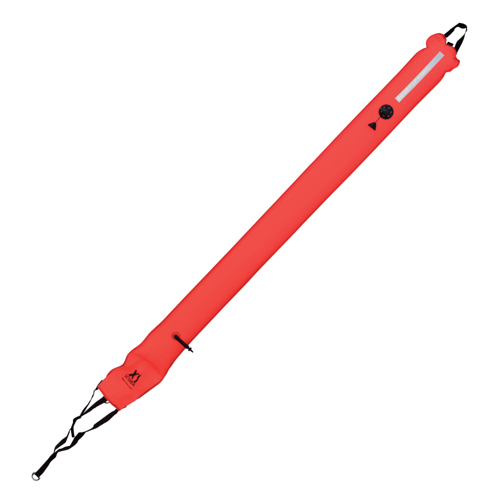
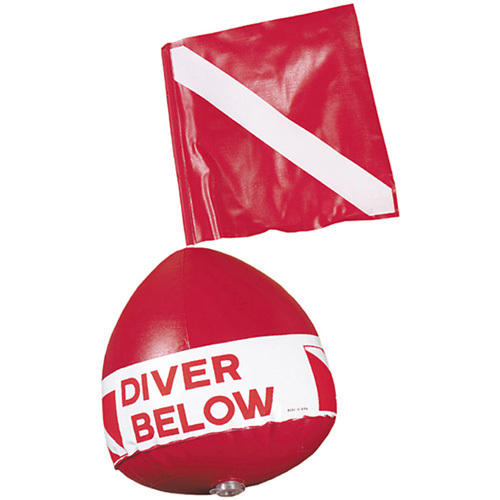
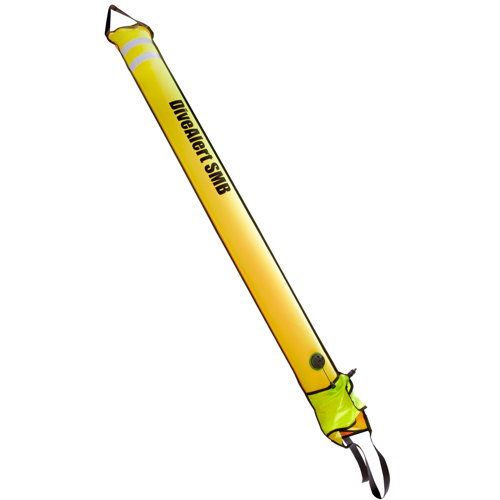
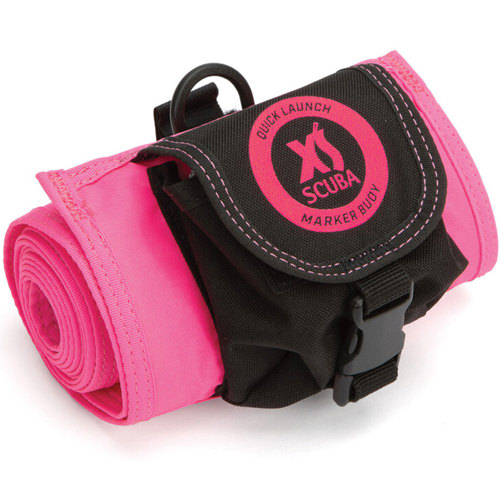
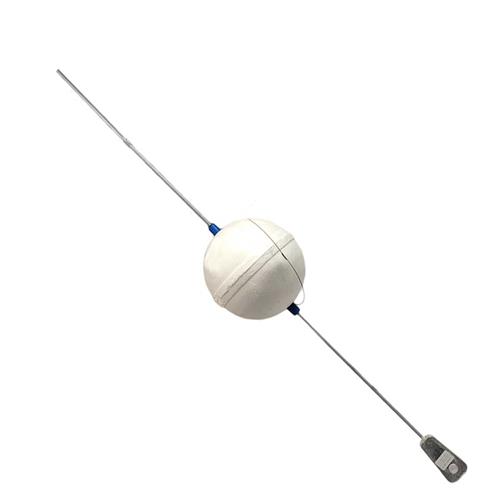
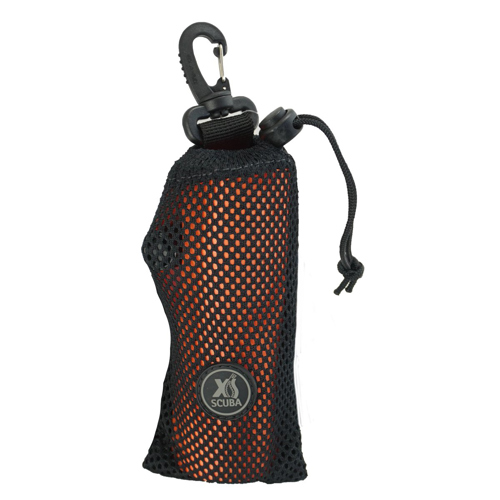
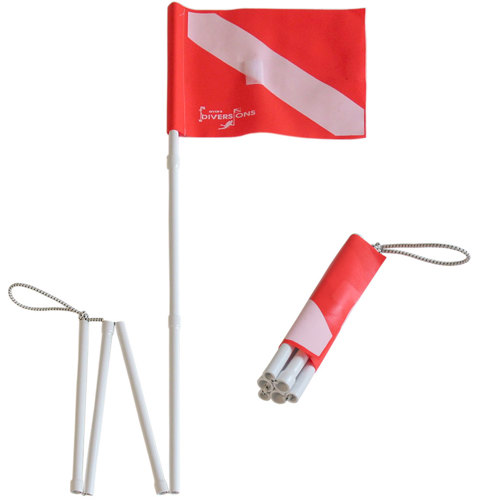
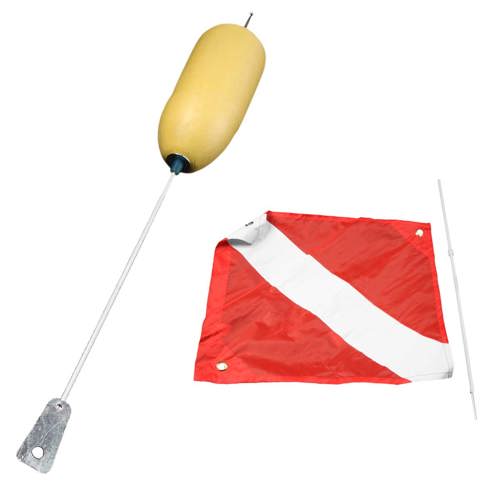
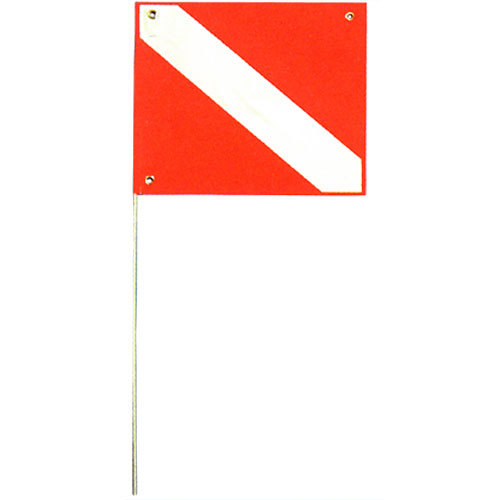
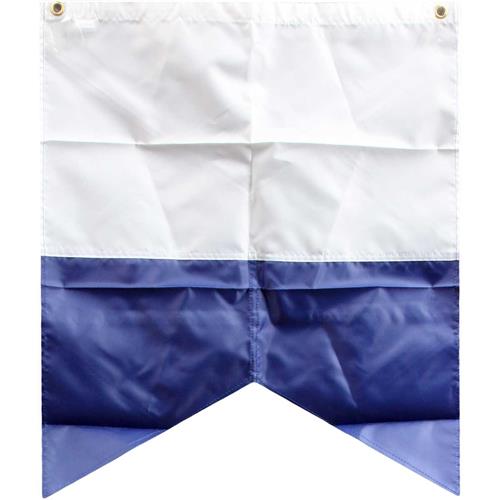
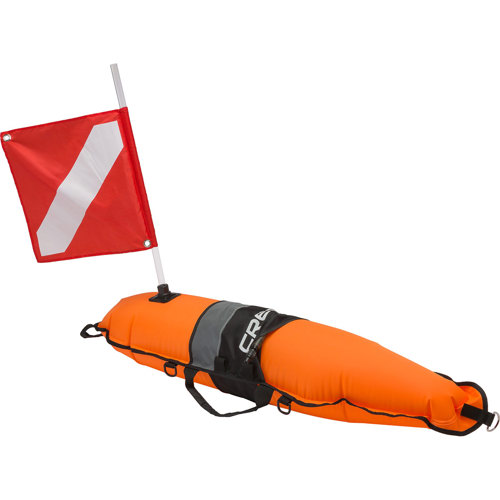
Watercraft traffic dive markers are an essential part of any diver’s safety toolkit, especially as the waterways become busier with the arrival of warmer weather and increased recreational activity. These markers, which include surface marker buoys (SMBs), delayed SMBs (DSMBs), and flag-and-float systems, are designed to make divers visible to boaters and other watercraft operators, dramatically reducing the risk of accidental encounters. For anyone planning to dive in areas with frequent boat traffic, such as popular lakes, coastal inlets, or busy marinas, the right marker is not just a recommendation—it’s a necessity. High-visibility colors like orange, yellow, and pink stand out against the water’s surface, ensuring that even from a distance, a diver’s presence is unmistakable. Many experienced divers recount surfacing after a drift dive and feeling a wave of relief seeing their marker bobbing on the horizon, guiding their boat crew straight to them, even as currents carried them farther than expected. The peace of mind that comes from knowing you’re visible to others on the water can transform your dive experience, letting you focus on the adventure below the surface.
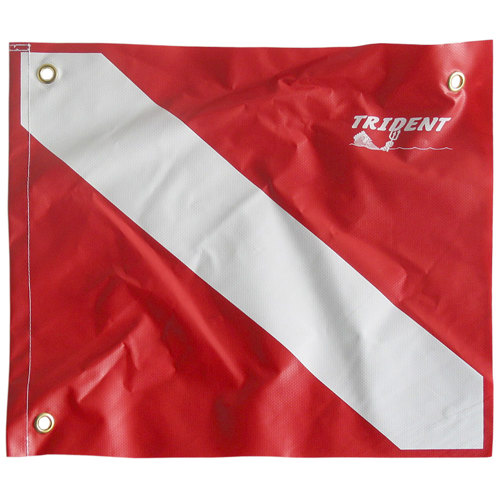
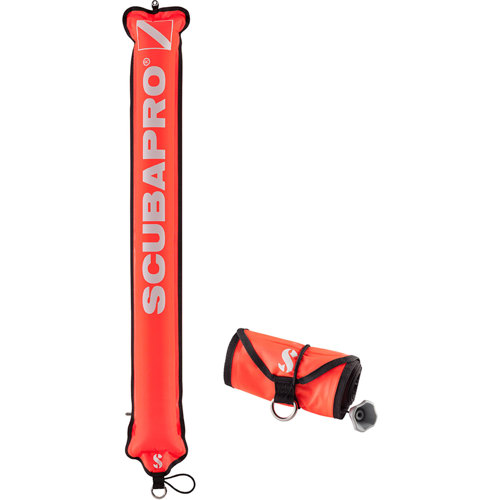
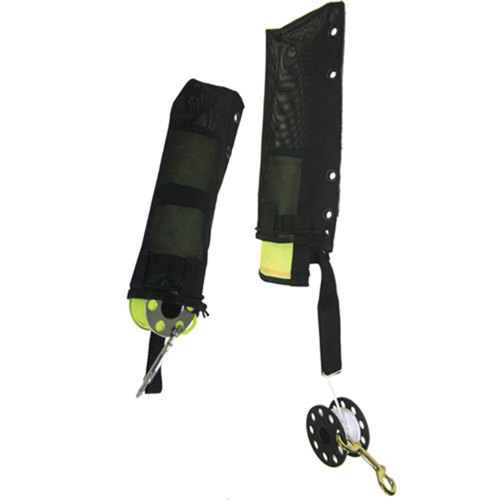
Choosing the right watercraft traffic dive marker involves considering the specific conditions you’ll encounter and your style of diving. For shore divers or those exploring areas with unpredictable currents, a towable flag-and-float system offers continuous surface visibility, making it easier for support crews and nearby boats to track diver movements throughout the dive. These systems are especially useful during group dives or training sessions, where keeping everyone accounted for is paramount. On the other hand, DSMBs—sometimes called “safety sausages”—are invaluable for divers making safety stops or ascending in open water away from anchor lines. Deploying a DSMB from depth provides a clear signal to surface teams and passing vessels that divers are ascending, offering an added layer of safety during decompression stops. Durability is another key factor; look for markers made from robust, puncture-resistant materials that can withstand repeated use and exposure to sun and saltwater. Features such as one-way valves, oral and low-pressure inflators, and reflective strips can further enhance functionality and safety. For instructors, dive leaders, or anyone organizing group outings, having extra markers on hand is always a wise choice, and these items also make thoughtful gifts for new divers or anyone building their own gear collection. Whether marking a dive site, signaling a surface team, or simply ensuring your group’s visibility in a busy waterway, these tools are indispensable for safe and enjoyable underwater exploration.
As you prepare for a season of adventure, remember that local regulations may dictate specific requirements for flag size, visibility, and distance from divers, so it’s important to stay informed and compliant. Many divers also find it helpful to personalize their markers with waterproof identification, making it easy to spot their gear among others on a crowded dive boat. The right watercraft traffic dive marker not only enhances your safety but also streamlines communication and coordination with your surface support, whether you’re exploring a favorite cove or venturing into new territory. For those interested in exploring the full range of options and features available, take a look at our dedicated page for
Diving Marker Floats, where you’ll find detailed information to help you select the best marker for your needs. As activity on the water increases through the late spring and summer, investing in reliable, visible dive markers is one of the smartest ways to ensure every dive is both safe and memorable.