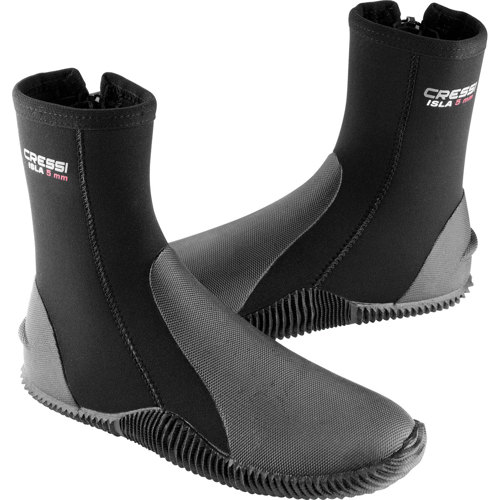
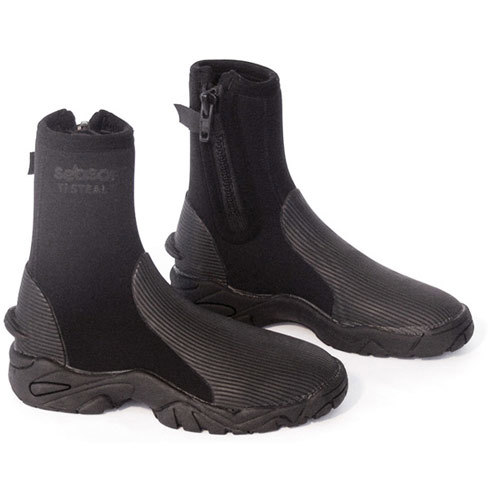
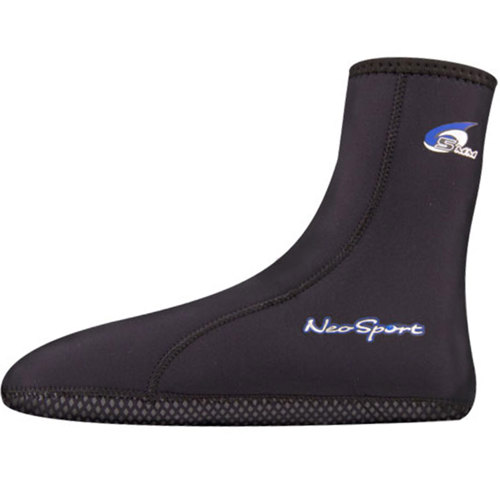
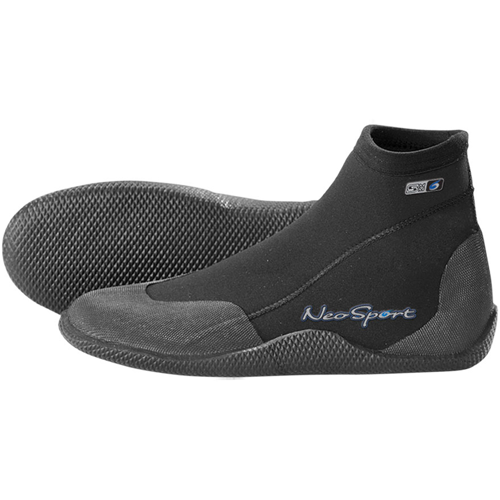
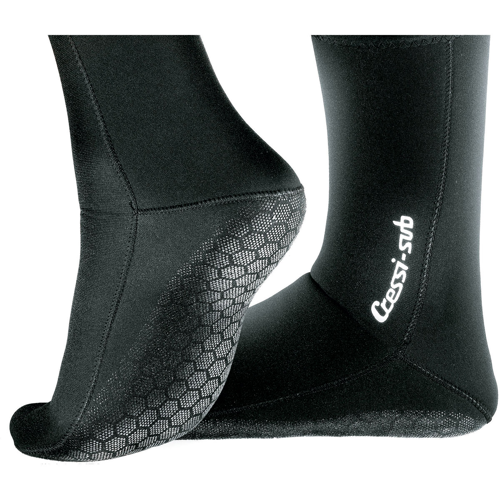
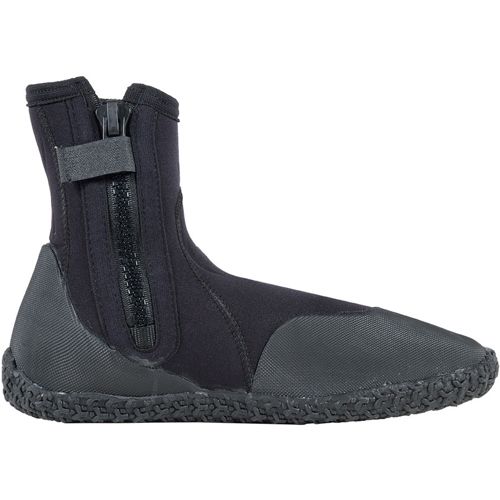
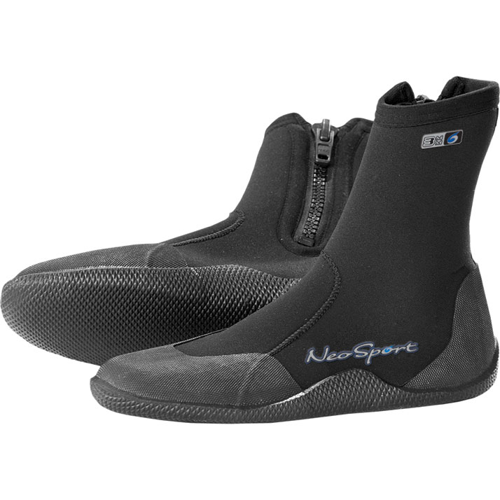
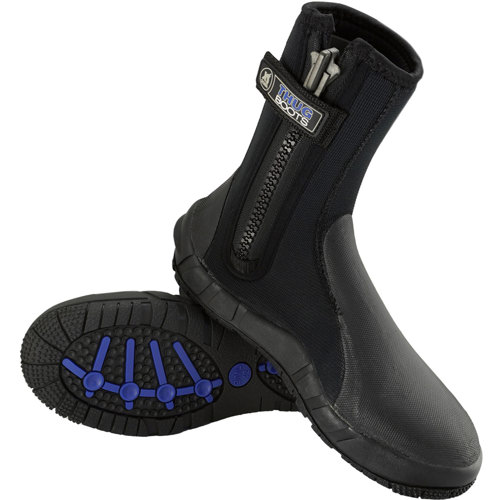
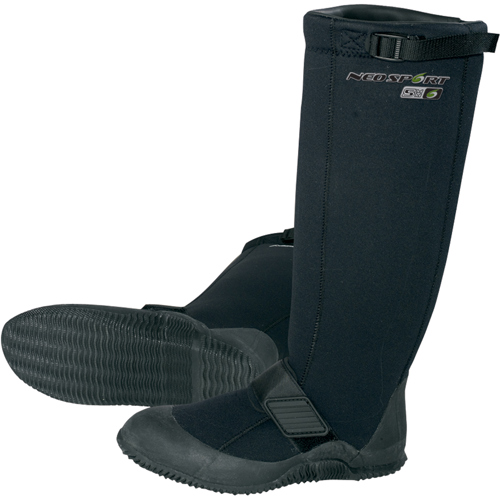
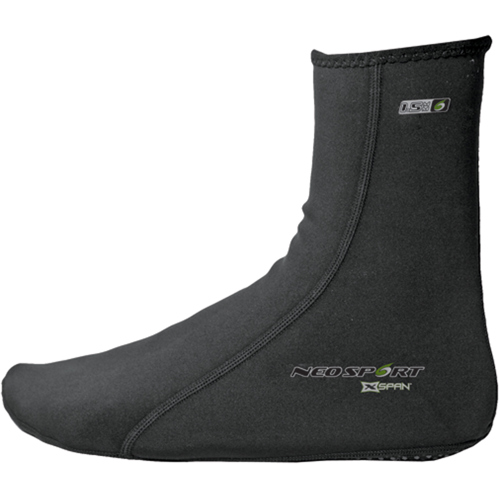
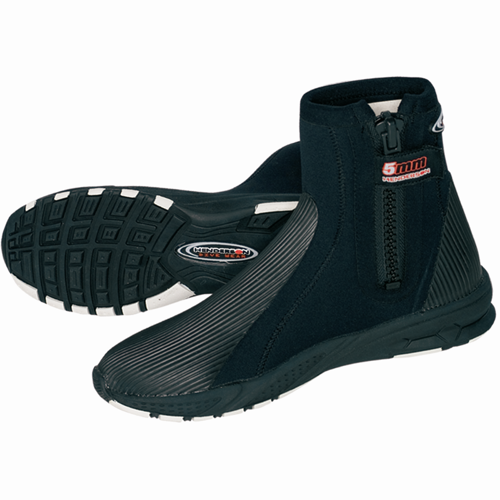
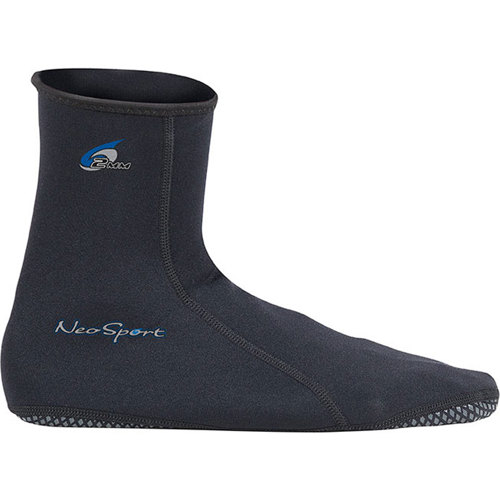
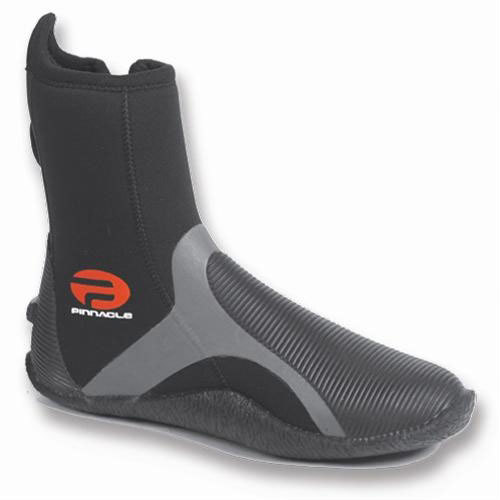
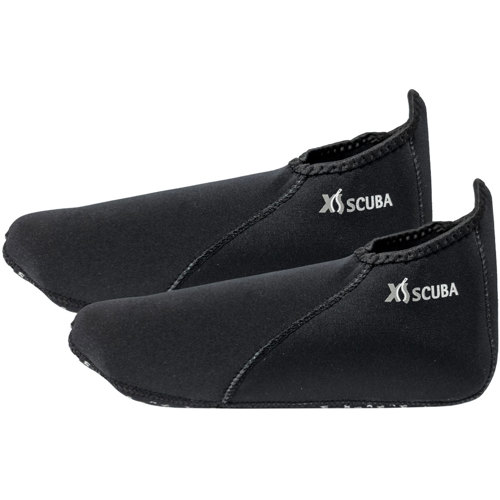
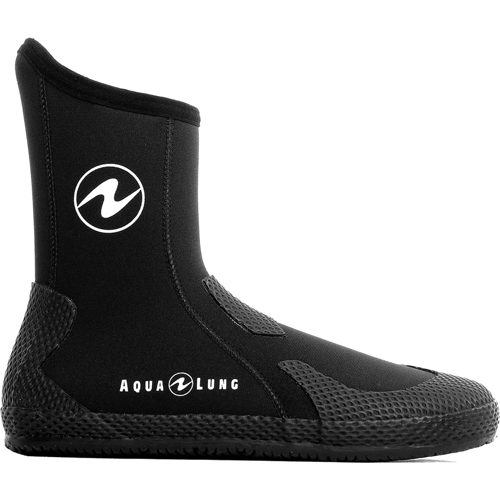
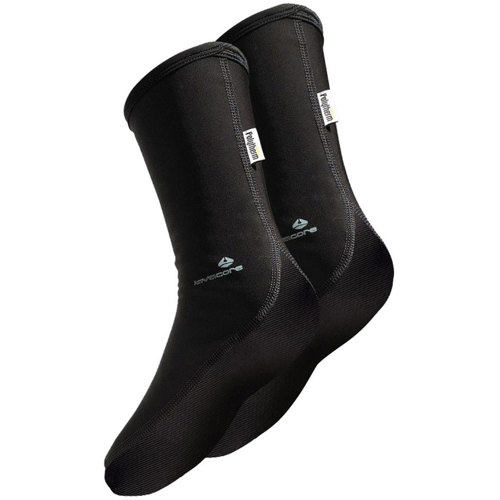
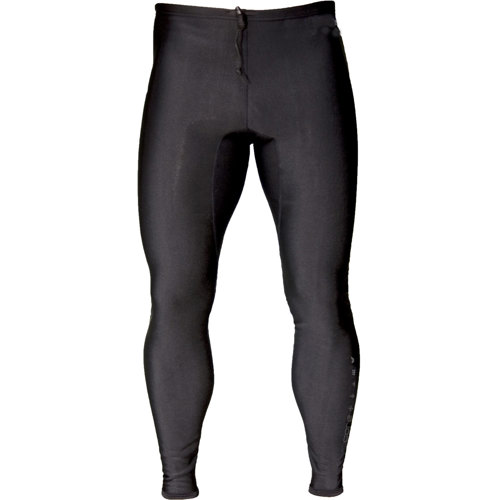
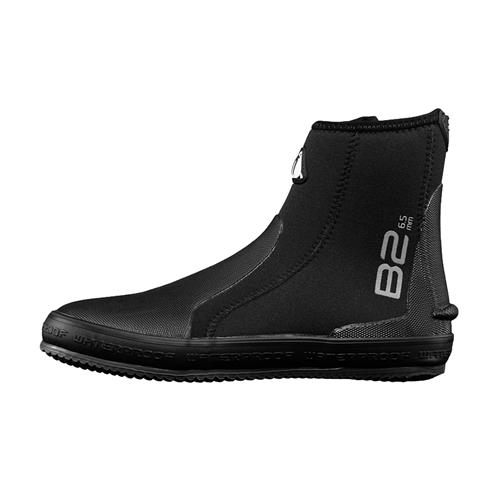
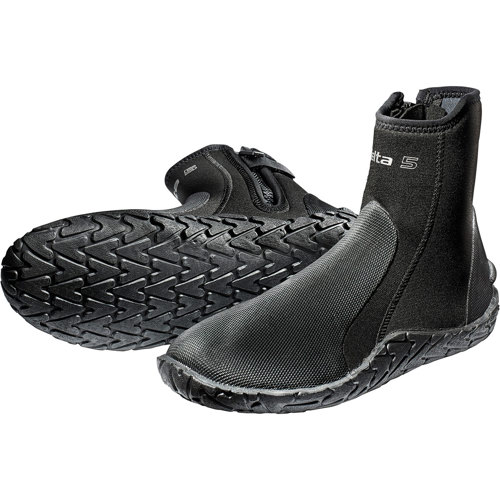
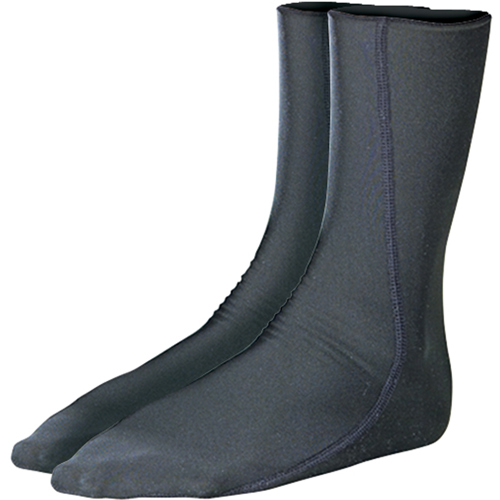
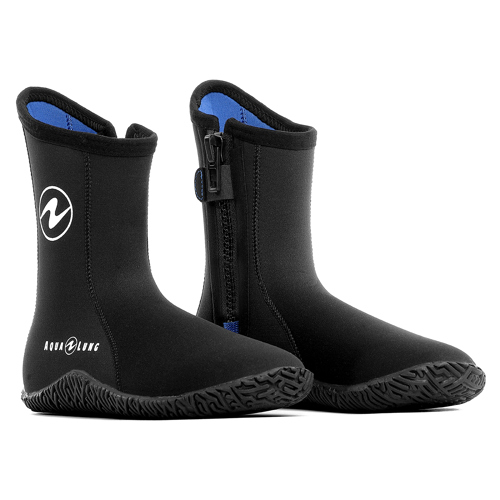
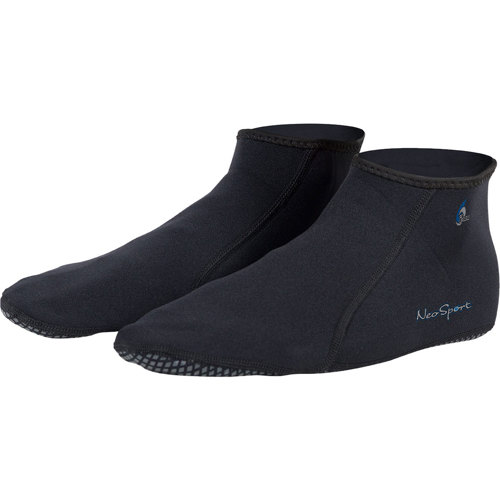
Staying comfortable and safe in cold environments starts from the ground up, and keeping your feet warm is essential whether you're exploring icy waters, trekking in winter conditions, or simply enjoying the outdoors during the chillier months. As February brings brisk winds and lower temperatures, the right warm feet gear becomes an indispensable part of any adventurer’s kit. For divers, neoprene boots and socks are a staple, providing crucial insulation and protection from the numbing effects of cold water. These pieces of scuba diving feet gear are specifically engineered to maintain warmth and dexterity, ensuring you can maneuver fins with confidence and avoid the discomfort and risks associated with cold-induced numbness. The snug, flexible fit of neoprene boots not only shields your feet from the elements but also guards against abrasions and sharp surfaces beneath the waves. For those who prefer land-based pursuits—such as hiking, snowshoeing, or winter camping—merino wool socks, thermal insoles, and down booties offer a different kind of warmth, wrapping your feet in a cocoon of insulation that wicks moisture away and prevents heat loss, even during long periods of activity or rest.
Selecting the ideal warm feet gear involves more than just grabbing the thickest pair of socks on the shelf. It’s about understanding your activity, the conditions you’ll face, and the unique needs of your own feet. Outdoor enthusiasts who spend hours in cold, damp environments know that layering is key; starting with a moisture-wicking liner, followed by a thermal sock, and finishing with a well-fitted boot creates a system that traps heat and keeps sweat at bay. For those who remain stationary for long stretches—like ice anglers, hunters, or spectators at winter sports events—battery-powered heated socks or disposable toe warmers can provide a welcome boost of warmth. These active warming solutions are also a thoughtful gift for anyone who struggles with chronically cold feet, such as older adults, commuters, or anyone with poor circulation. The gift of comfort and warmth is always appreciated, especially when it comes wrapped in practical, high-performance gear. Meanwhile, ensuring that boots are not overly tight is a crucial detail, as restricted circulation can quickly turn warm toes icy cold. Material choice also matters: avoid cotton, which holds onto moisture and can chill the skin, in favor of merino wool, alpaca, or synthetic fibers that excel at both insulation and breathability.
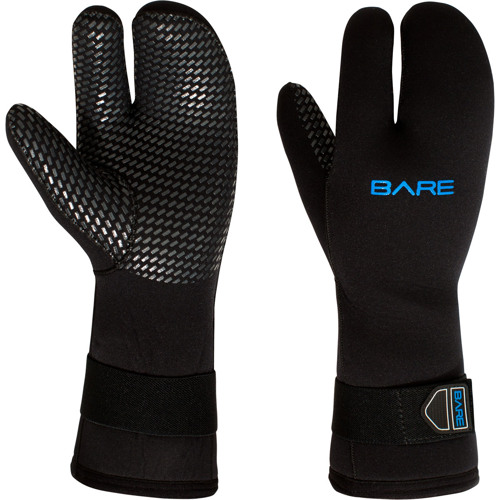
Whether you’re gearing up for a winter dive, prepping for a snow-filled adventure, or searching for the perfect present for the cold-footed loved one in your life, investing in quality warm feet gear pays dividends in comfort and safety. The right combination of insulating materials, thoughtful layering, and active warming technology can make the difference between a memorable outing and a miserable one. And don’t forget, cold hands can be just as problematic as cold feet—pair your new foot gear with reliable hand protection by visiting our
Gear For Cold Hands page for comprehensive options. From the bottom of your feet to the tips of your fingers, staying warm allows you to focus on the adventure ahead, savoring every moment regardless of what the thermometer reads.