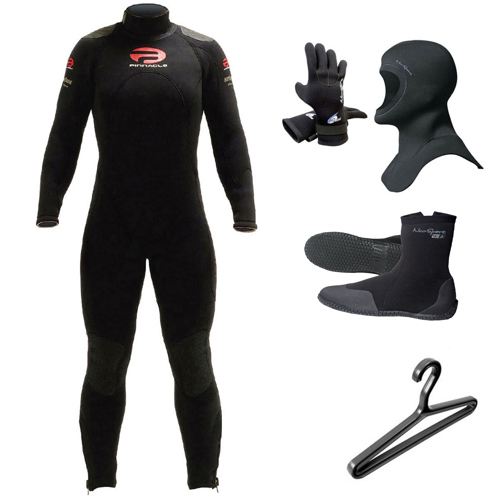
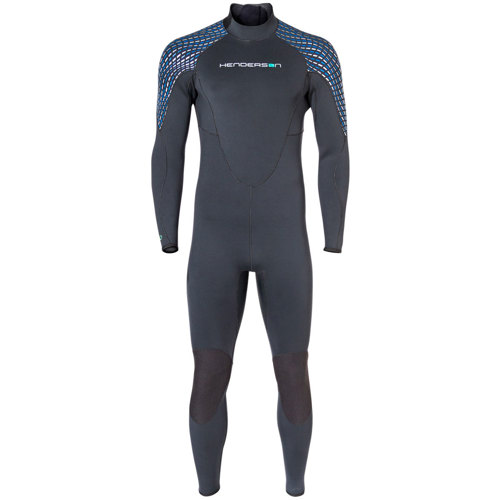
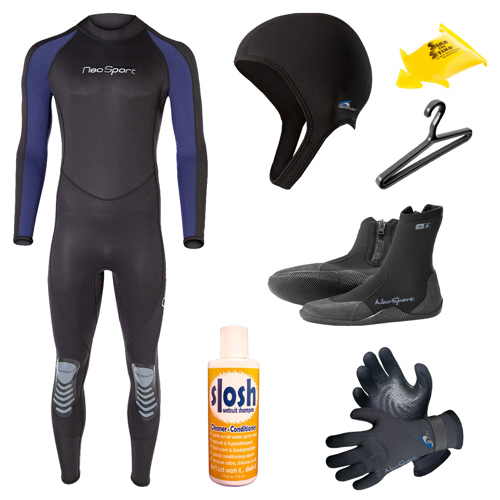
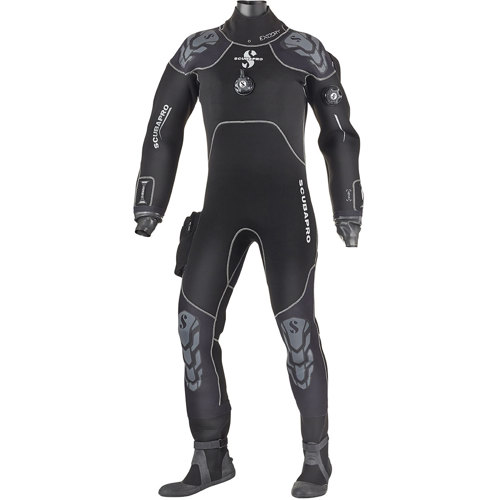
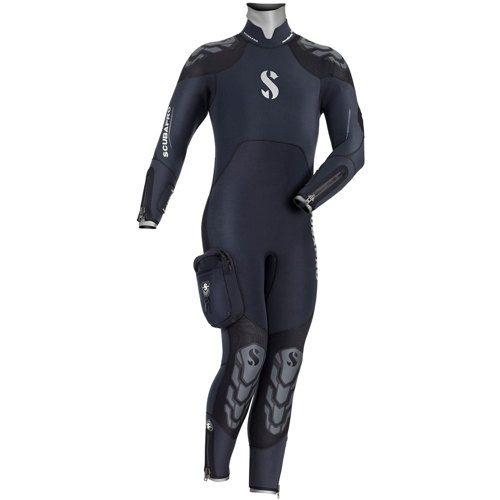
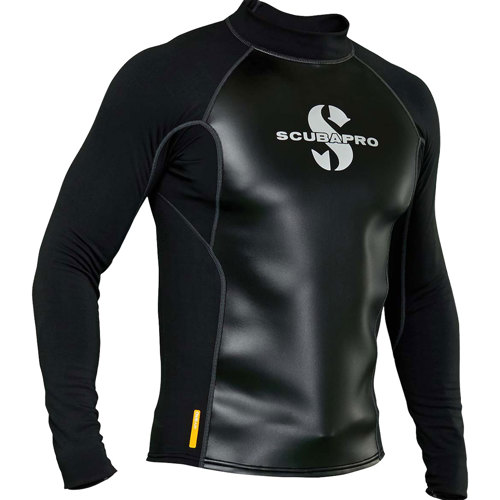
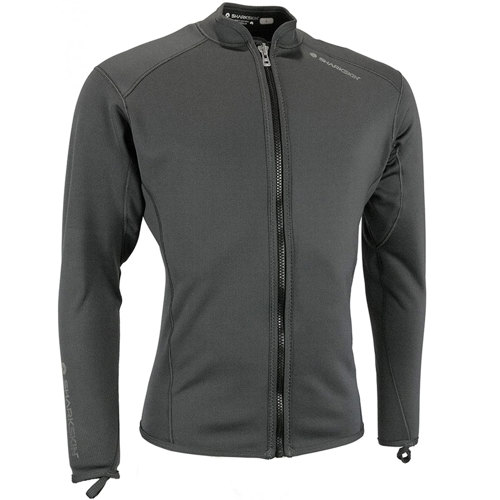
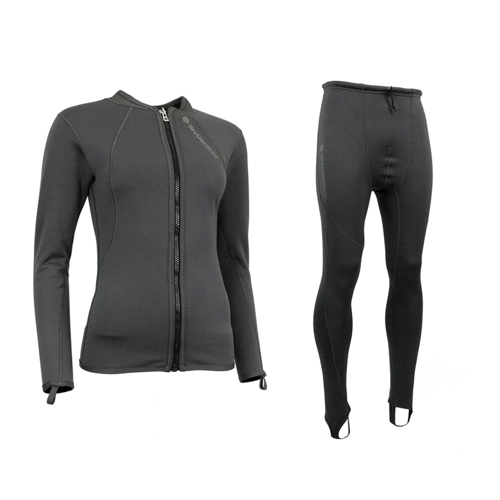
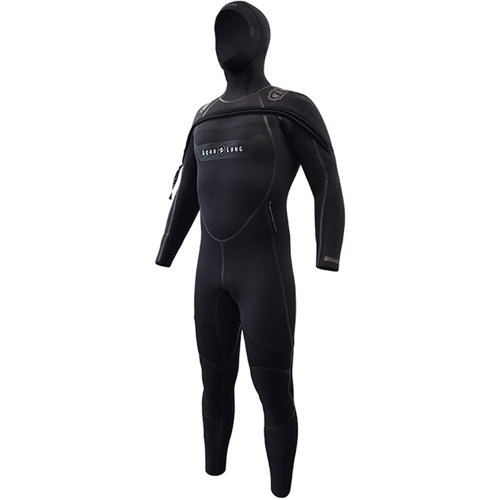
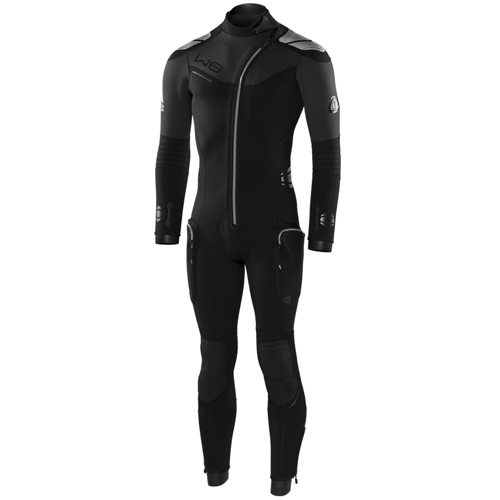
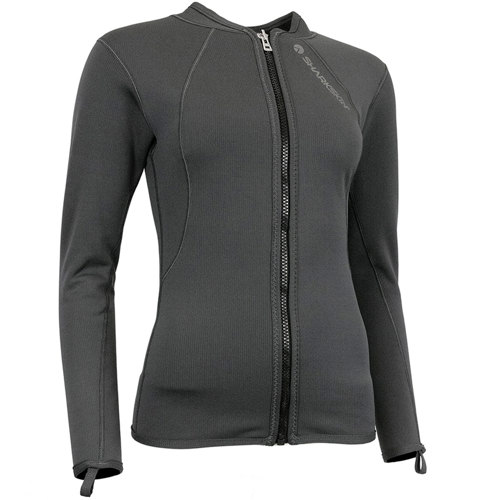
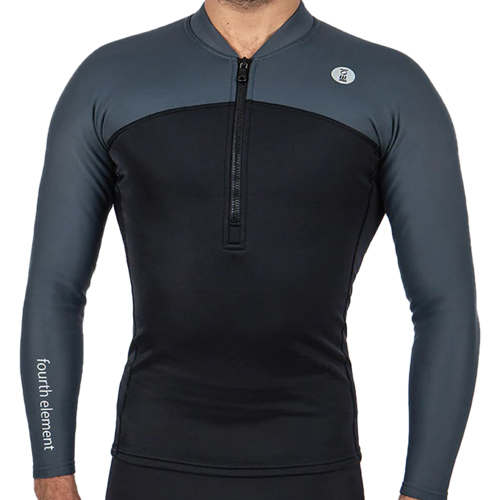
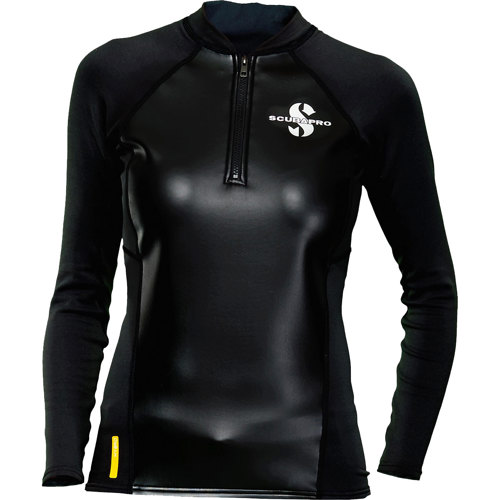
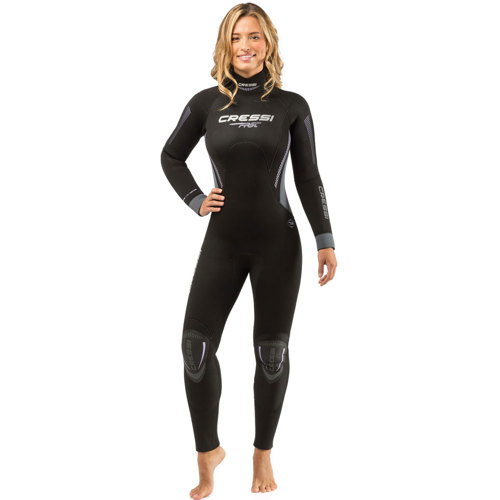
When the water temperature drops and the seasons shift toward autumn, as they do now in October, the importance of reliable thermal diving solutions becomes all the more apparent for anyone exploring beneath the surface. Whether you’re a seasoned diver chasing the thrill of a deep wreck in chilly northern seas or a snorkeler enjoying the brisk clarity of a mountain lake, the right thermal gear is essential for comfort, safety, and extending your time underwater. Thermal diving solutions encompass a spectrum of equipment designed to insulate the body from cold, ranging from full-body wetsuits and drysuits to specialized undergarments, heated vests, and thermal rash guards. Each piece plays a role in maintaining core warmth, preventing hypothermia, and allowing you to focus on the beauty around you rather than the bite of the cold. For divers who frequent colder waters or those planning trips during the cooler months, investing in these solutions can make the difference between a brief, uncomfortable swim and a memorable, immersive experience. Even for those new to underwater sports, thermal protection is a thoughtful gift—ideal for anyone who loves the water but hesitates when temperatures drop. Imagine the smile on a friend’s face when they unwrap a set of cozy thermal gloves or a plush, insulating base layer, knowing it will open up new adventures in places and seasons they might have avoided before.
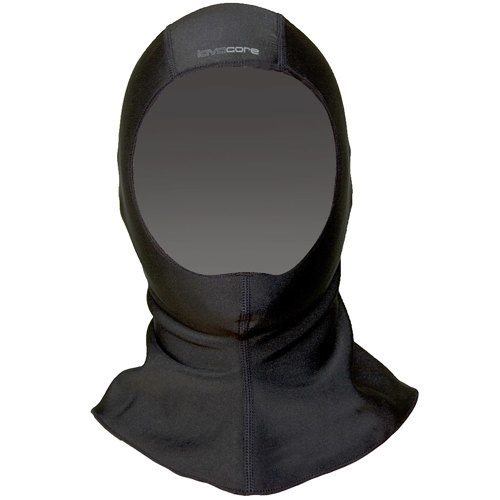
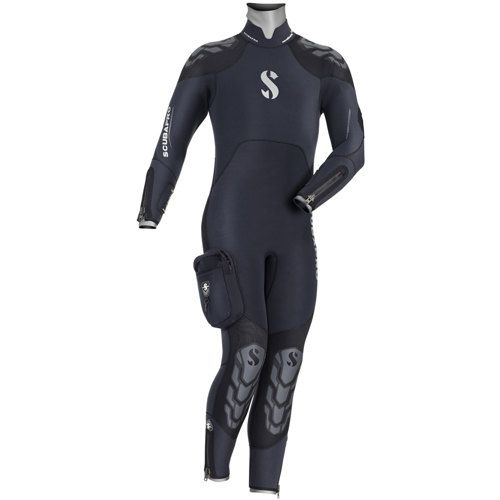
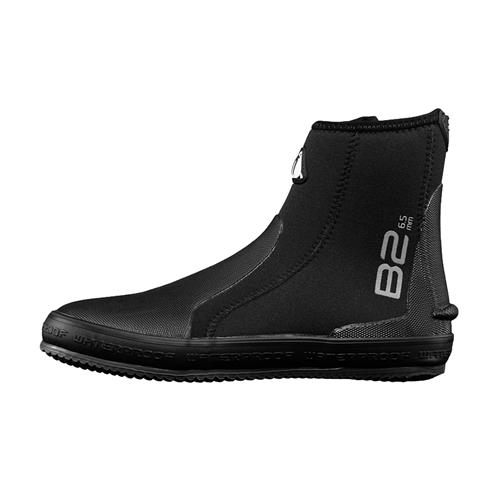
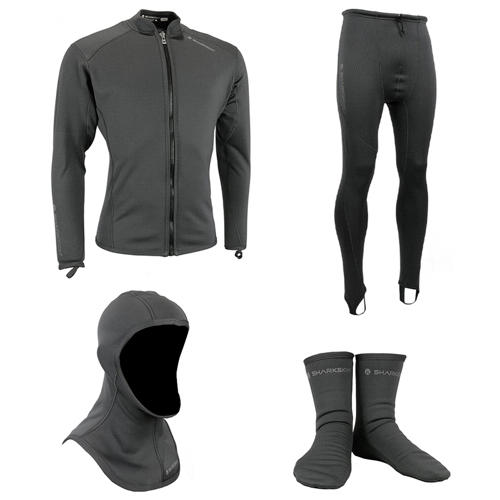
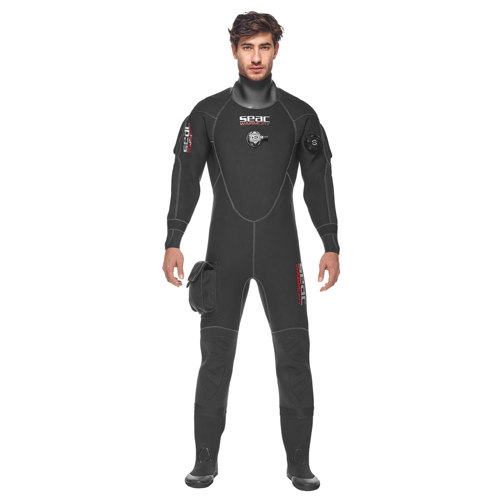
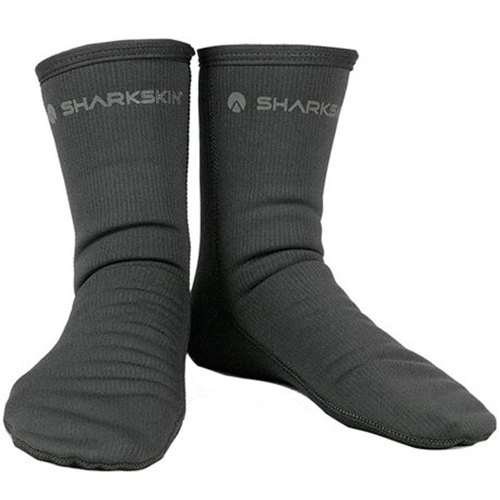
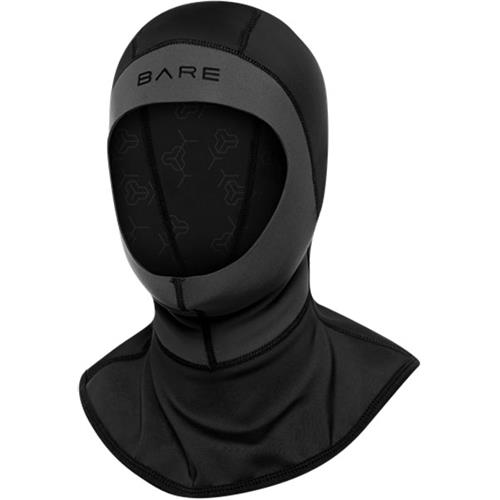
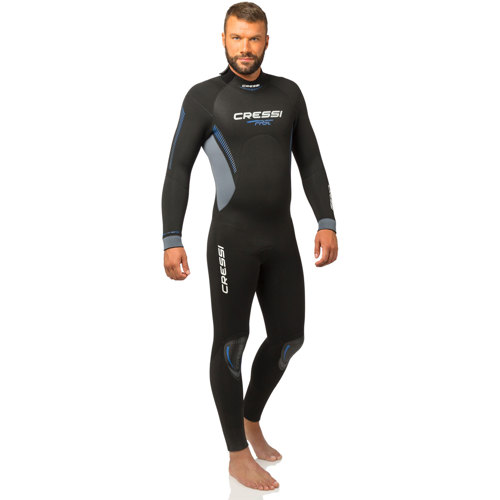
The science behind thermal diving solutions is rooted in the principles of insulation and moisture management. In cold water, the body loses heat up to 25 times faster than in air, making it crucial to create a barrier between skin and the surrounding environment. Modern wetsuits, for example, utilize neoprene’s tiny gas bubbles to trap a thin layer of water against the body, which is then warmed by your own heat. For even colder conditions, drysuits keep water out entirely, while layered undergarments—ranging from moisture-wicking synthetics to plush fleece—add customizable warmth. Some advanced options include electrically heated vests and glove systems powered by compact battery packs, offering a welcome boost for those long decompression stops or extended photo sessions in icy waters. Accessories like thermal hoods, socks, and gloves round out the system, ensuring no part of you is left exposed. The layering approach is especially effective: a snug base layer wicks away sweat, an insulating mid-layer traps warmth, and an outer shell blocks wind and water. This modularity lets you adapt to different environments, from the brisk surf of the Pacific Northwest to the cool, calm cenotes of the Yucatán. After your dive, wrapping up in a thermal robe or storm poncho helps stave off windchill and lets you savor the post-dive camaraderie without shivering. For those looking to optimize their setup further, exploring specialized gear such as
Thermal Diving Regulators can provide additional performance and reliability in frigid conditions, ensuring your breathing apparatus functions smoothly no matter how cold the water gets.
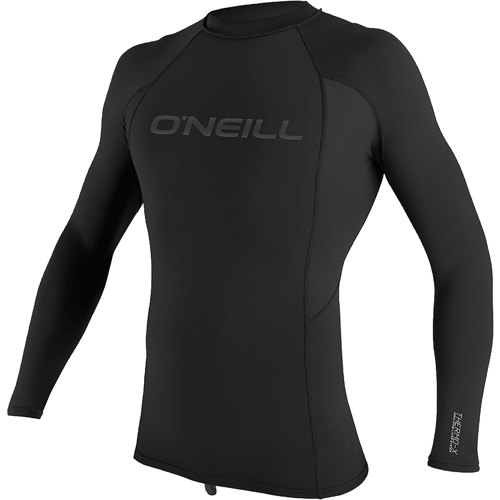
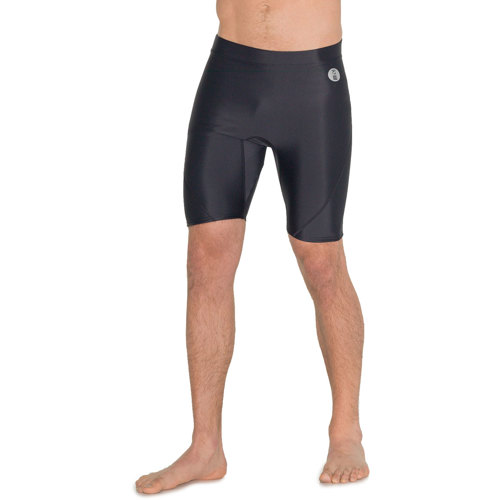
Choosing the right thermal solution isn’t just about warmth—it’s about comfort, flexibility, and the confidence to dive in any conditions. Experienced divers often share stories of how a well-fitted suit or an innovative heated vest transformed their cold-water adventures, turning what could have been a short, teeth-chattering ordeal into hours of relaxed exploration. If you’re shopping for yourself or searching for the perfect gift for an adventurous loved one, consider their typical dive locations, the season, and their tolerance for cold. For some, a lightweight thermal rash guard is enough for shoulder-season snorkeling, while others may require the full arsenal of drysuit, undergarments, and heated accessories to brave winter dives. The right gear empowers you to push boundaries, discover new sites, and enjoy the underwater world year-round. As autumn deepens and water temperatures continue to fall, now is the ideal time to review your setup, layer up, and ensure that every dive is as warm and enjoyable as the first.