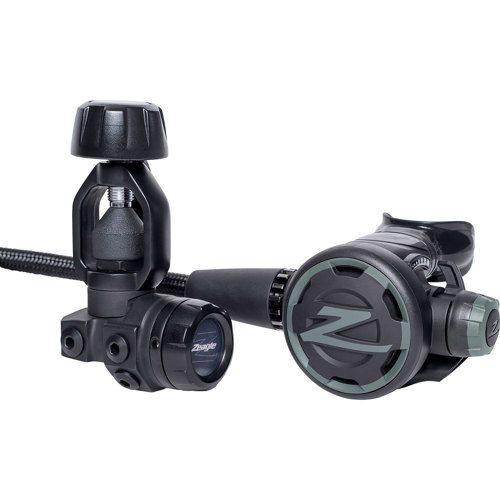
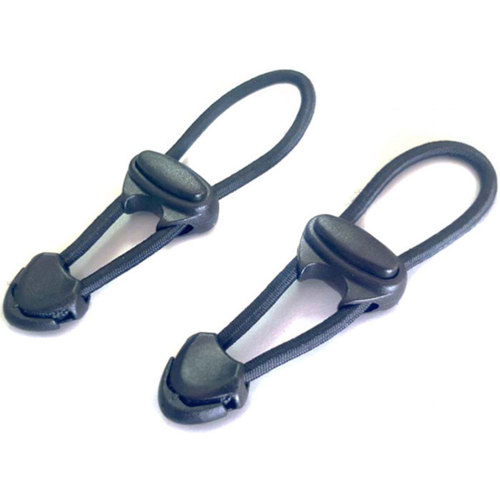
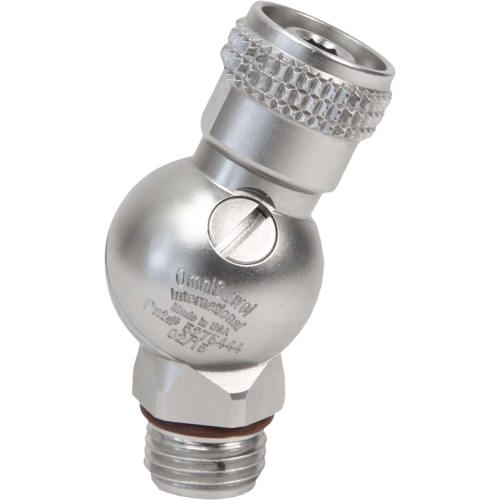
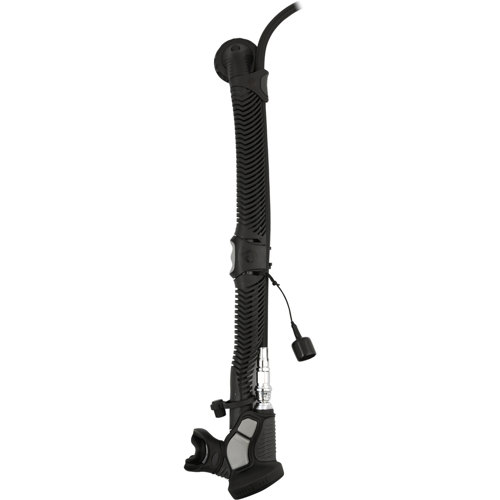
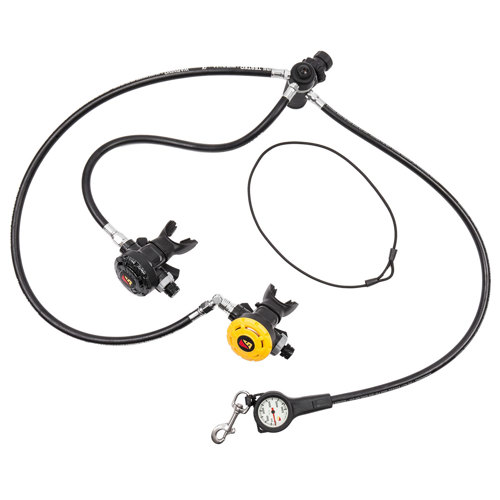
When it comes to achieving both safety and comfort underwater, streamlined hose routing stands out as a crucial component for divers at every experience level. Whether you’re fine-tuning your sidemount diving setup for a deep cave exploration or simply looking to minimize drag and entanglement on a recreational reef dive, the right configuration can make all the difference. Streamlined hose routing isn’t just about aesthetics or following best practices—it directly impacts your buoyancy control, ease of movement, and overall dive experience. By keeping hoses close to your body and minimizing exposed loops, you reduce the risk of snagging on rocks, coral, or wreckage, which is especially important for environments where precision and safety are paramount. For technical divers, particularly those venturing into overhead environments, cave diver equipment and cave diving gear are designed with these principles in mind, ensuring that every hose is routed for both accessibility and security. Even for open-water enthusiasts, adopting elements of technical hose management—such as clipping the submersible pressure gauge to the waist D-ring or using a bungee necklace for the backup regulator—can streamline your profile and bring peace of mind.
As the water warms in May and the dive season ramps up, many divers take the opportunity to assess and upgrade their configurations. Streamlined hose routing is a thoughtful gift for any diver looking to elevate their setup, whether they’re preparing for a summer of local shore dives or planning a bucket-list trip to a tropical destination. Gifting a loved one the tools or accessories to refine their hose management is not only practical but also shows an understanding of their dedication to the sport. These products are invaluable for those transitioning into more advanced diving, such as sidemount or cave diving, where specialized hose routing can be the difference between a seamless dive and a stressful one. For instructors and dive leaders, maintaining a tidy, streamlined profile sets a positive example for students and contributes to a safer group dynamic underwater. The right hose routing also enhances air sharing in emergencies, allowing for fast and efficient donation of a long hose regulator without fumbling or confusion—an essential feature in both training and real-world scenarios.
Every diver’s needs are unique, and the ideal setup often depends on factors like body size, exposure suit thickness, and the specific demands of the dive environment. Some prefer the classic “Florida rig” for single-tank dives, tucking a mid-length primary hose under the arm for a non-technical, clean look, while others opt for the extended 210cm primary hose that wraps around the body for technical or cave diving. Regardless of your preference, paying attention to details like hose length, placement, and secure attachment points can transform your dive. As you browse our curated selection of products focused on streamlined hose routing, consider how these elements can complement your existing gear and enhance your underwater experience. For those seeking further information or looking to compare specific regulator options designed for optimal hose management, our dedicated
Hose Routing Regulators page provides deeper insight and recommendations tailored to various diving styles. Whether you’re fine-tuning your cave diving equipment for a challenging expedition or simply aiming to keep your setup neat and efficient for summer adventures, investing in streamlined hose routing is a choice that pays dividends in safety, comfort, and confidence beneath the surface.