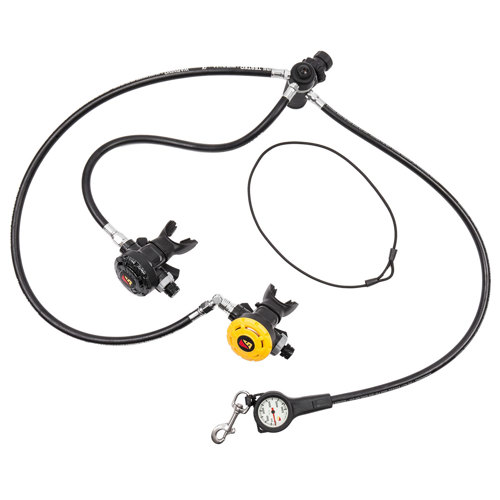
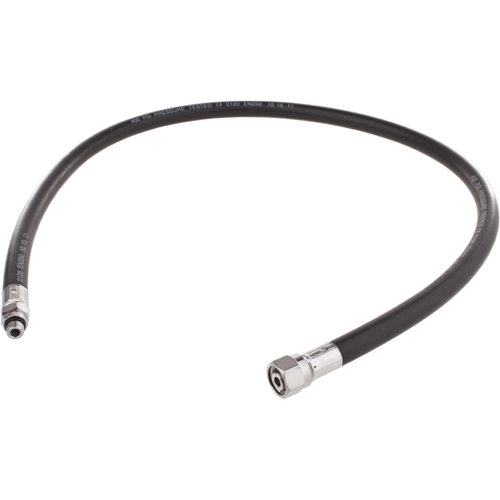
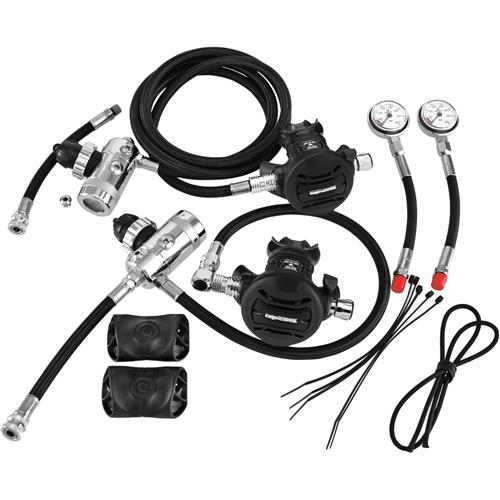
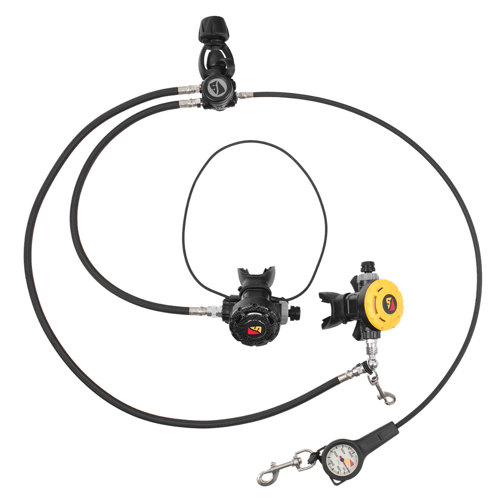
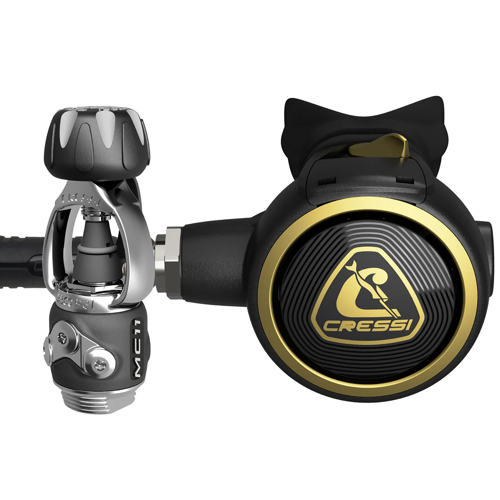
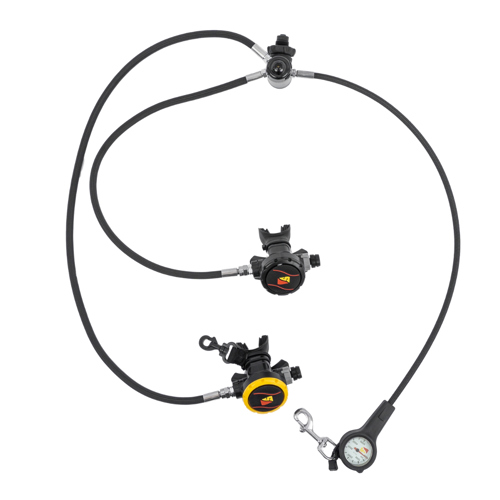
When it comes to configuring your scuba setup for both safety and comfort, few aspects are as crucial as effective hose routing for your regulators. Whether you’re a recreational diver enjoying the warmer waters of late spring, or a technical diver preparing for deeper, more complex dives, the way your hoses are routed can make a significant difference in your underwater experience. Hose routing regulators are designed to help you achieve a streamlined, snag-free profile, allowing you to move with ease and confidence through the water. For divers who spend countless hours exploring reefs, wrecks, or caves, the right hose configuration isn’t just about aesthetics—it’s about reducing drag, minimizing the risk of entanglement, and ensuring that your air delivery system is immediately accessible in any situation. The long hose configuration, for instance, is favored by technical and cave divers for its ability to facilitate air sharing in emergencies, looping securely under the right arm, across the chest, and around the neck for quick deployment. Meanwhile, the backup regulator, typically held under the chin on a shorter hose and a necklace, ensures a redundant air source is always within reach. Spring and summer are particularly popular seasons for diving trips, making this the perfect time to review and upgrade your hose routing setup before your next adventure.
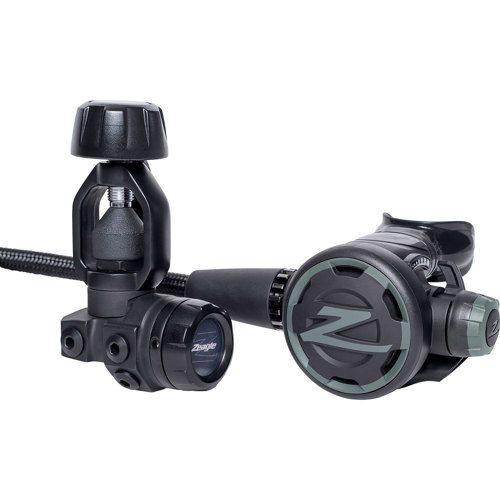
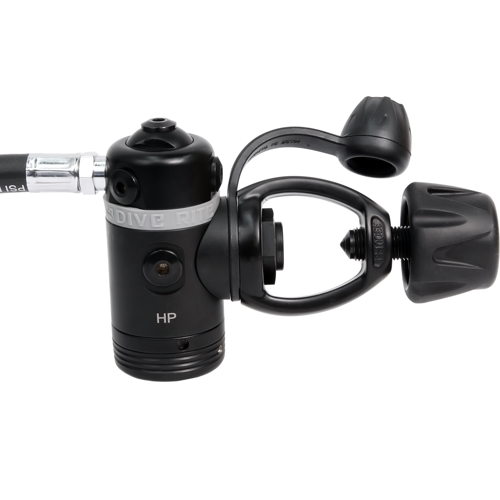
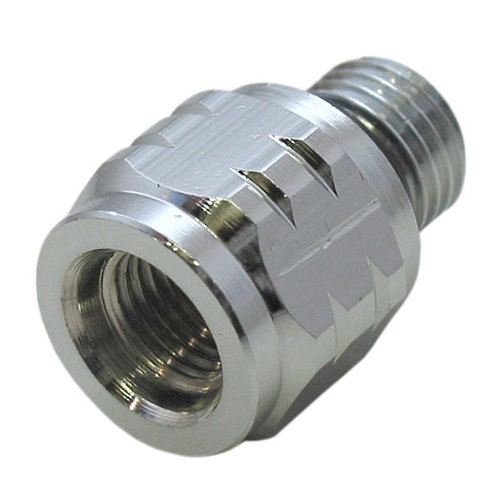
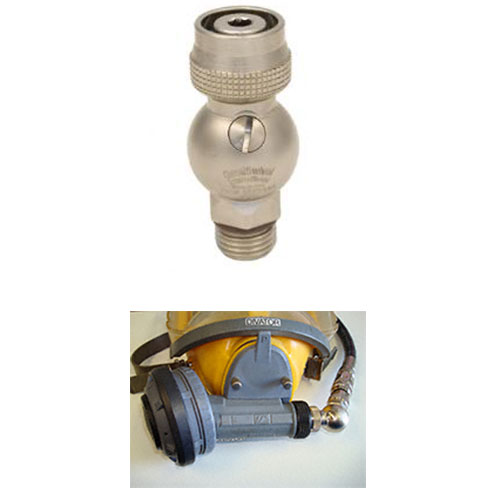
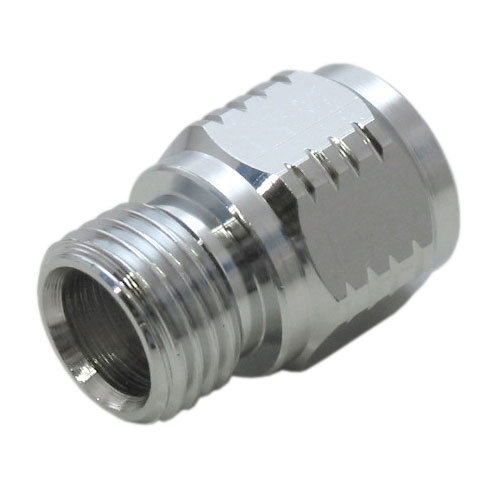
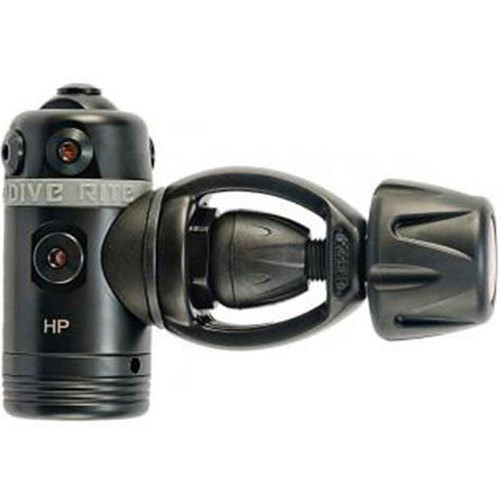
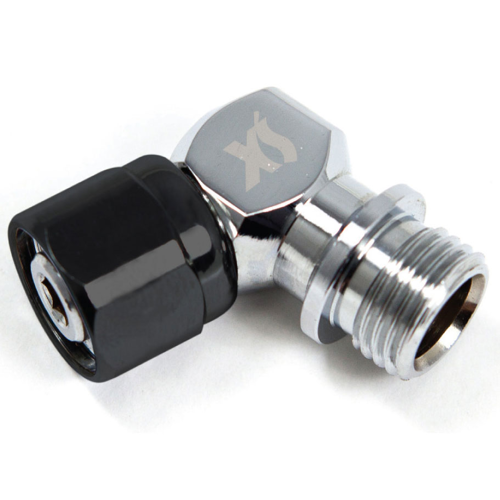
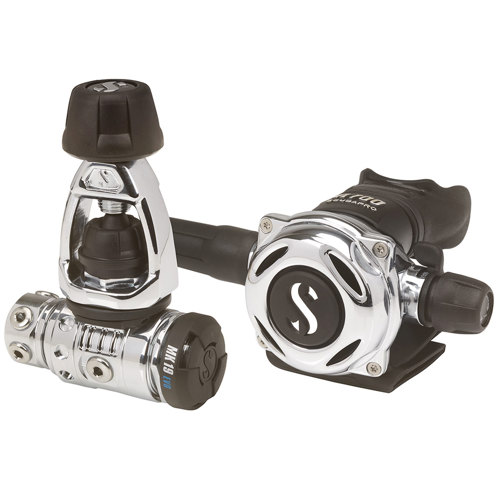
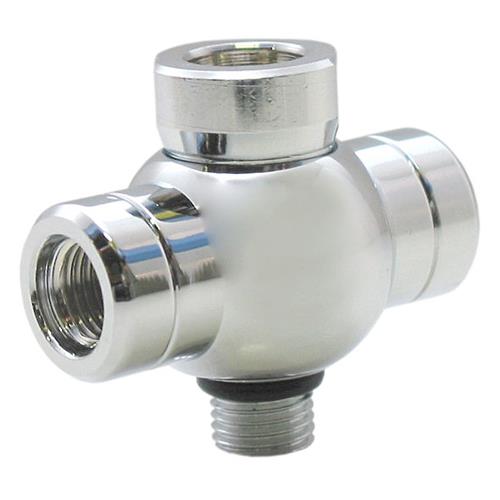
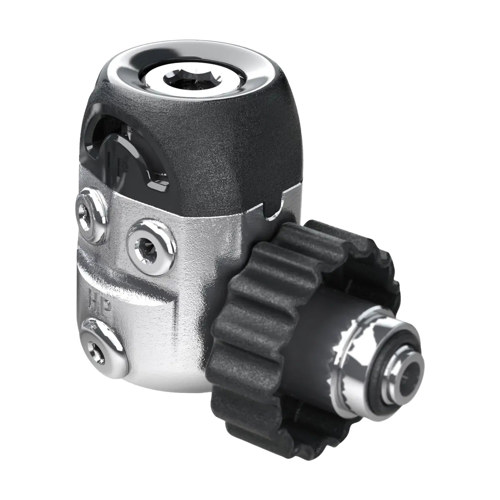
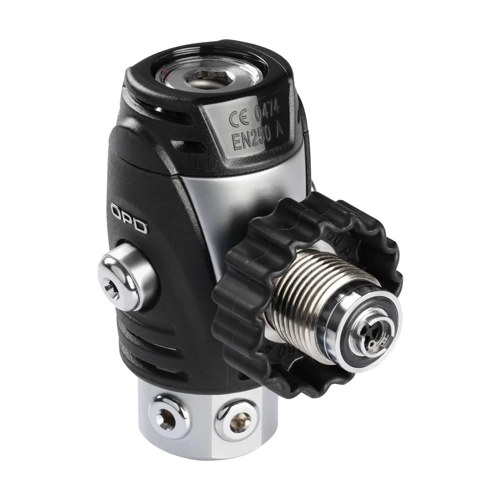
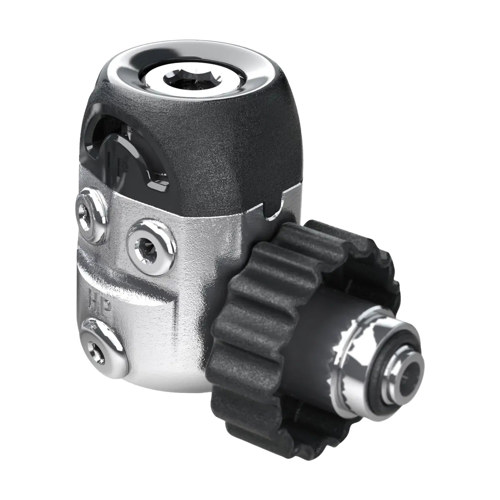
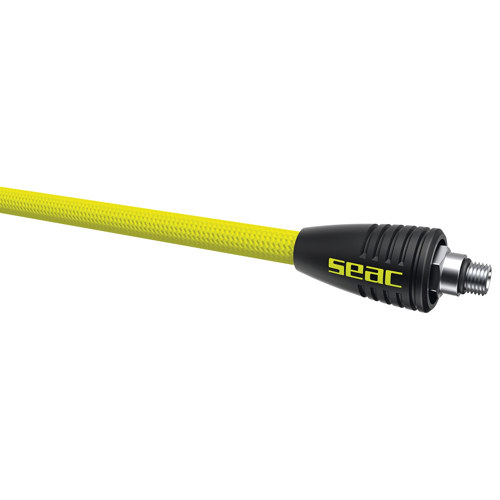
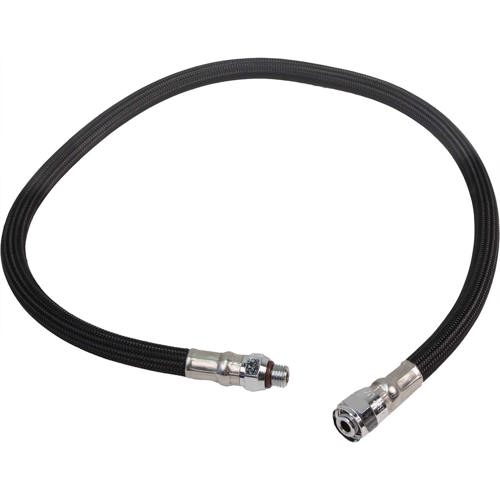
Choosing the right hose routing regulators involves considering the type of diving you do, your body size and comfort preferences, and the gear you’ll be using. Recreational divers often benefit from straightforward configurations that keep hoses close to the body, while technical divers—especially those using twinsets or diving in overhead environments—may require more specialized routing for redundancy and ease of access. Rotating first-stage turrets, for example, can greatly improve hose positioning, allowing for a more natural fit and reducing stress on both the hoses and your movements. Material choice also plays a key role: braided hoses are increasingly popular due to their flexibility, lightweight feel, and durability compared to traditional rubber. They’re less prone to kinking and make stowing excess length under waist straps or securing with bolt snaps much easier, keeping your kit tidy and streamlined. Divers who frequently switch between wetsuits and drysuits will appreciate the versatility of adjustable hose routing, especially when connecting low-pressure inflator hoses for buoyancy control. The attention to detail in hose management not only enhances safety but also contributes to a more enjoyable dive, free from the distractions of tangled or poorly routed hoses.
Hose routing regulators also make thoughtful gifts for the divers in your life—whether it’s a loved one preparing for their open water certification, an experienced buddy gearing up for a summer dive trip, or a technical diver seeking to refine their equipment setup. The right hose routing system can transform a diver’s experience, making every descent smoother and every emergency procedure more reliable. For those looking to further customize their gear, exploring options like different hose lengths, quick-connect fittings, and accessories for clipping or stowing hoses can open up new possibilities for personalization and performance. If you’re considering an upgrade or a gift, take the time to learn about the latest in regulator hose technology and routing practices. For a closer look at the range of options available, including details on lengths, materials, and compatibility, visit our curated selection of
Primary Regulator Hoses. By investing in quality hose routing regulators and configuring them to suit your diving style, you’re setting yourself—or your favorite diver—up for safer, more enjoyable underwater adventures all season long.