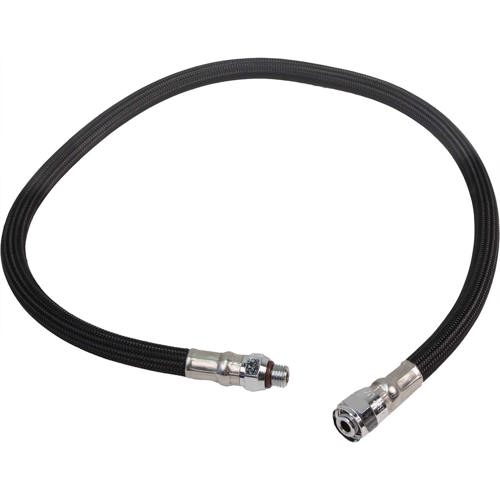
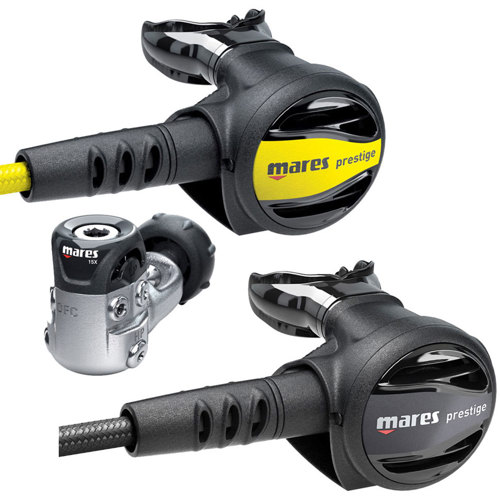
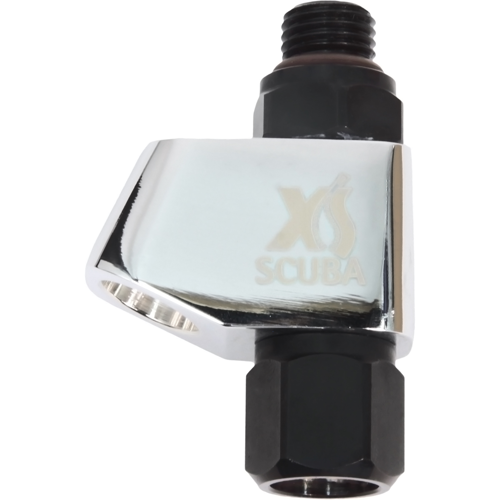
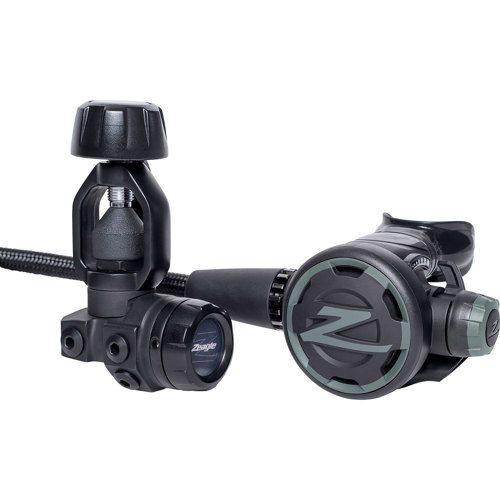
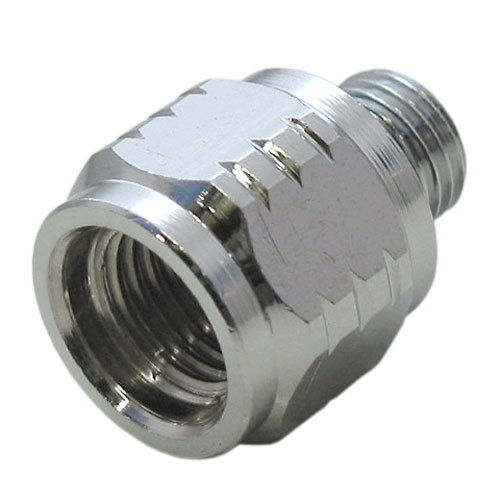
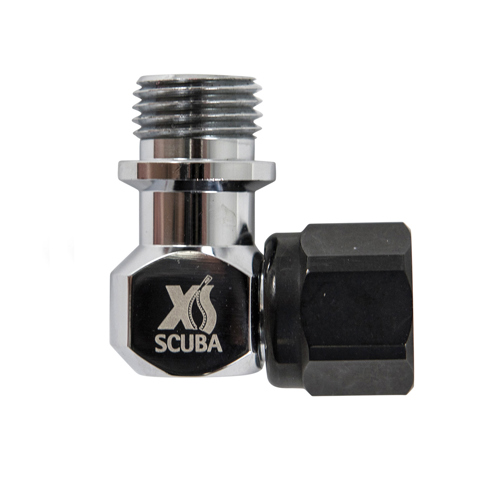
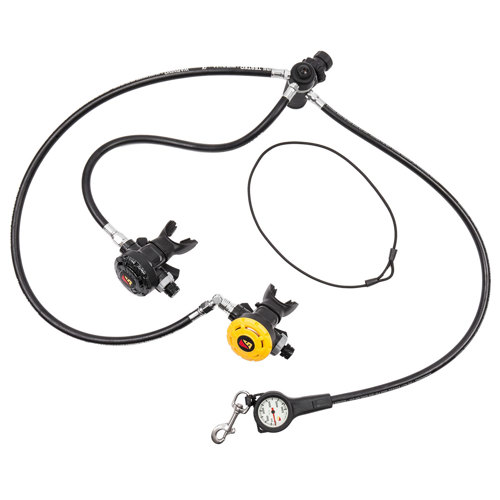
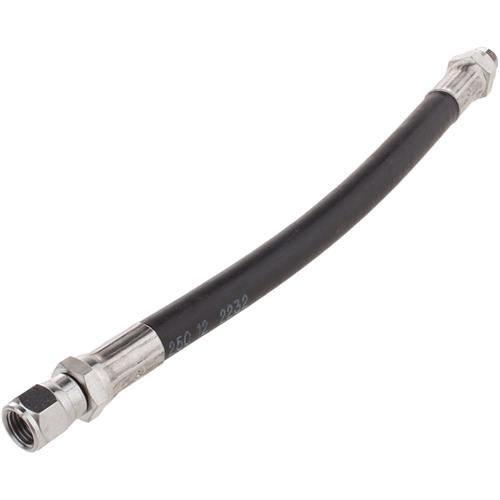
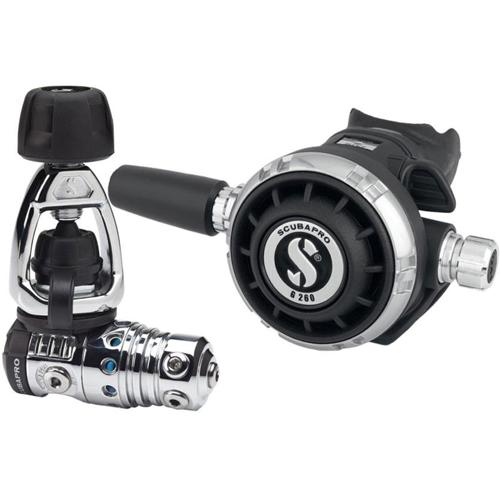
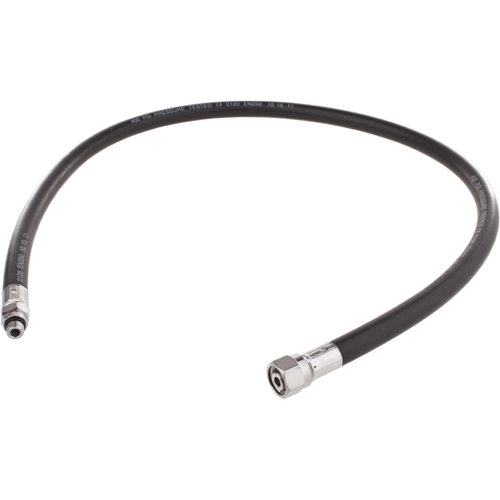
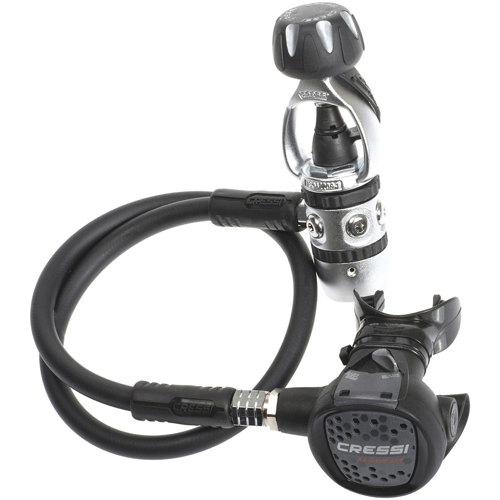
Diving with a hose configuration regulator setup is a practice rooted in both tradition and innovation, offering divers a streamlined, efficient, and safety-oriented approach to their underwater adventures. This system, often referred to as the "long hose" or Hogarthian configuration, is designed to meet the needs of divers who value preparedness and simplicity in emergency situations. The hallmark of this configuration is the use of a long primary hose—typically 60 inches for open water, and up to 84 inches for technical or overhead environments—routed from the tank, under the right arm, and across the chest. This setup enables the diver to donate their primary regulator to a buddy in need, ensuring that the recipient receives a well-functioning second stage, while the diver seamlessly switches to a backup regulator secured under the chin with a bungee necklace. The alternate, or octopus, regulator is kept on a shorter hose, usually around 22 inches, providing immediate access in stressful moments. Additional hoses, such as those for the submersible pressure gauge (SPG) and inflators, are carefully routed and clipped to minimize entanglement and maintain a low profile.
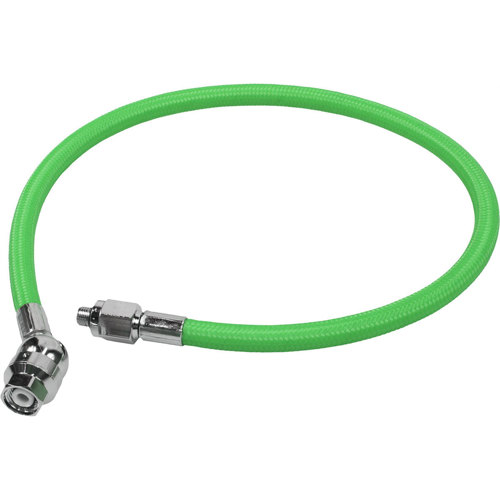
The thoughtful design of hose configuration regulators is not just about aesthetics or tradition—it’s about enhancing safety and efficiency underwater. For divers who explore caves, wrecks, or other overhead environments, the longer hose allows for easier maneuvering and single-file exits if a team member experiences an out-of-air emergency. Even in open water, this configuration simplifies emergency air sharing, reducing confusion and streamlining procedures when seconds count. The importance of proper hose length cannot be overstated; it should be tailored to the diver’s body size, equipment, and the environments they frequent. Some divers may prefer to color code their hoses for visibility, though consistency in signaling is key to avoiding confusion. The versatility of this system also appeals to those who transition between different diving setups, such as moving from backmount to sidemount configurations, as the principles of hose routing and regulator donation remain consistent. When setting up, each hose is connected to its respective first stage port, with the long hose typically attached to the bottom port for optimal routing. The SPG hose is clipped to the left hip for quick checks, and the alternate regulator is always within reach, secured by the bungee necklace.
Hose configuration regulators make a thoughtful gift for the experienced diver in your life, especially during the holiday season when many are planning their next adventure or looking to upgrade their gear. Whether it’s a seasoned instructor looking to streamline their setup, a technical diver preparing for complex dives, or a passionate recreational diver seeking to enhance their safety and comfort, this system offers practical benefits that can be appreciated on every dive. The winter months, with their cooler water temperatures and often more challenging conditions, highlight the importance of reliable, easily accessible equipment. Divers who invest in a well-configured regulator setup often share stories of how the intuitive hose arrangement made a difference in real-world scenarios, whether it was a smooth air share in choppy seas or the confidence gained from knowing every piece of gear is exactly where it should be. For those interested in exploring the flexibility and comfort of different regulator setups, our collection of
Flexible Hose Regulators provides a range of options to suit various preferences and diving styles. Ultimately, choosing the right hose configuration is about more than just equipment—it’s about building confidence, fostering teamwork, and ensuring every dive is as safe and enjoyable as possible.