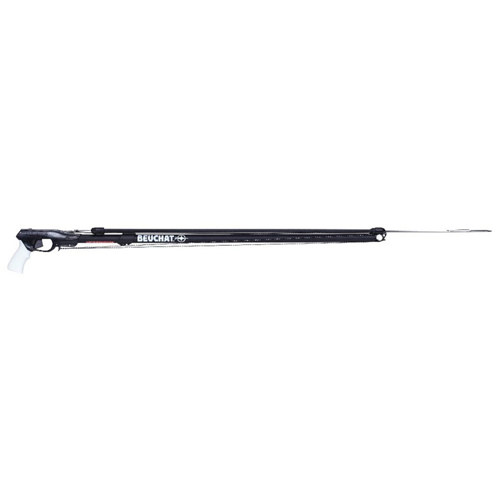
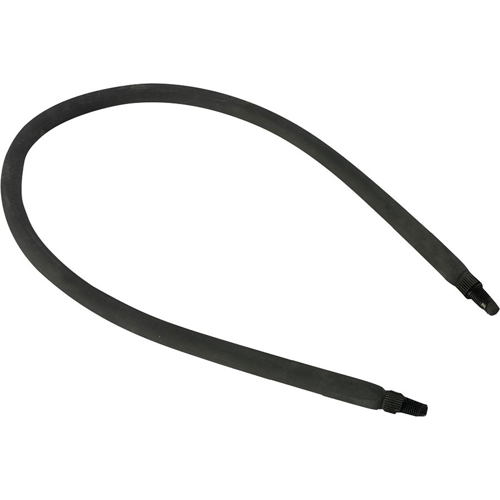
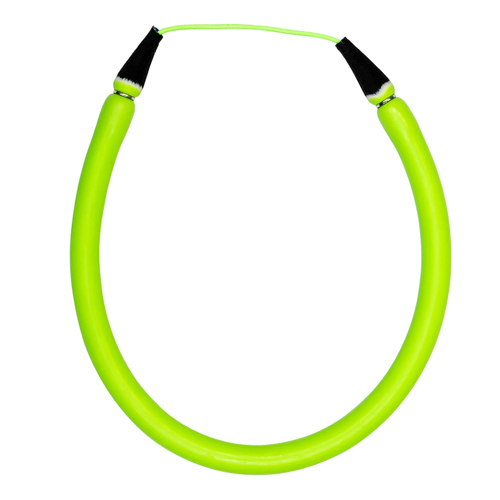
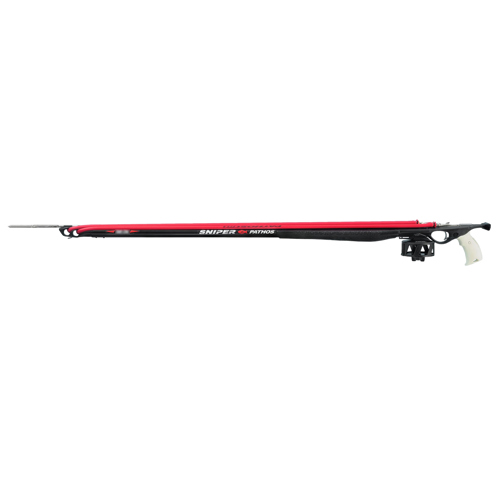
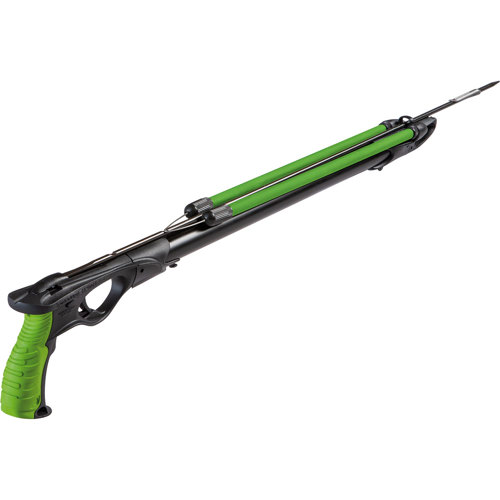
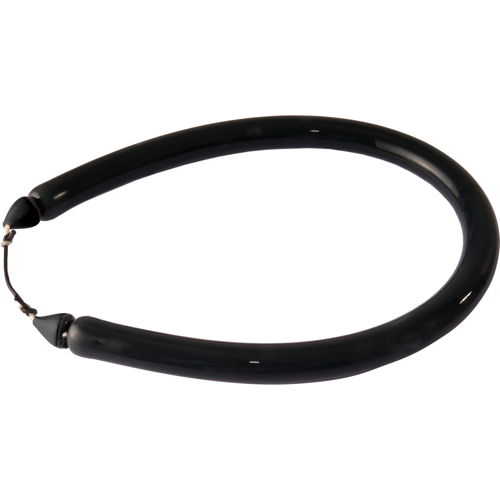
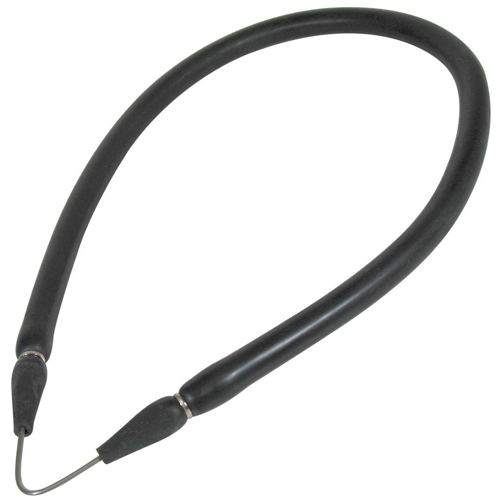
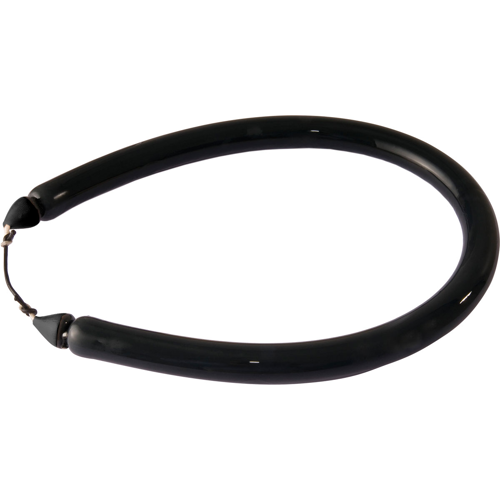
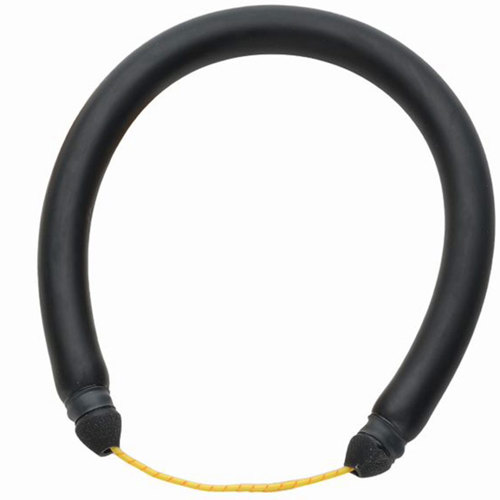
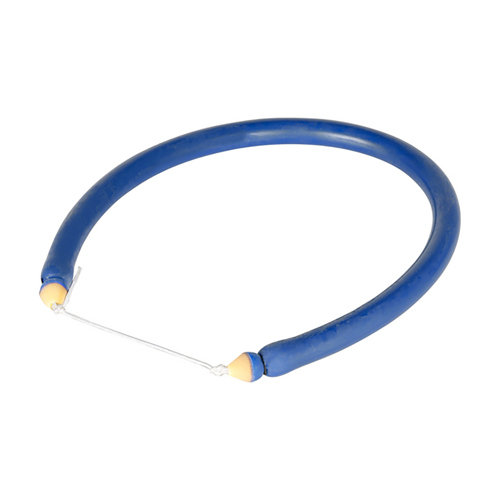
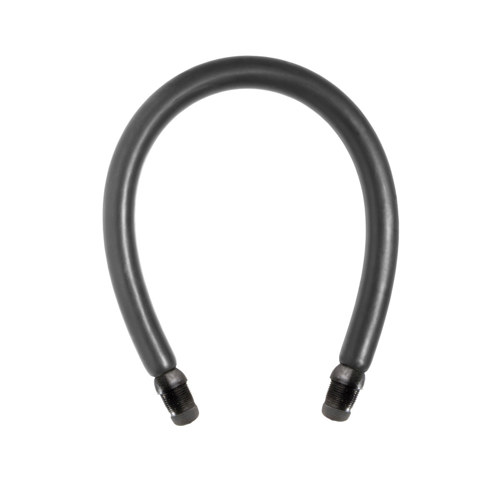
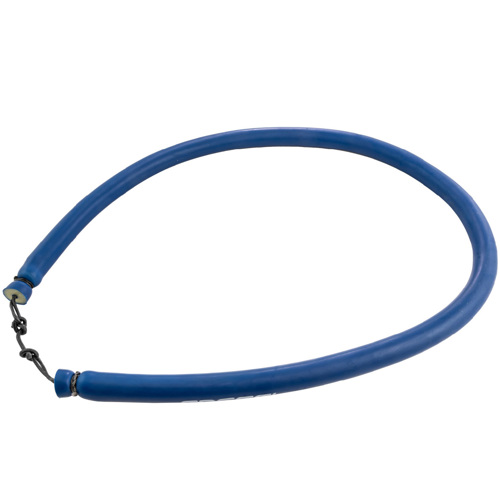
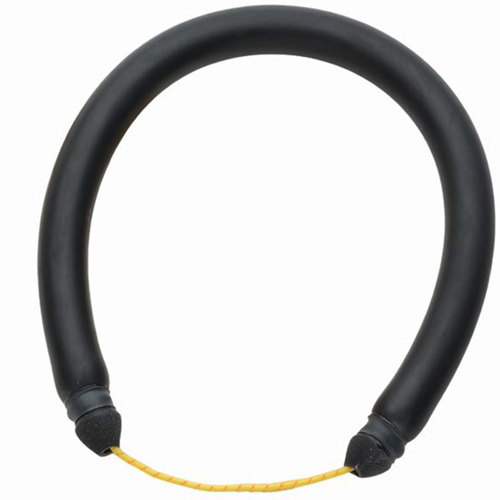
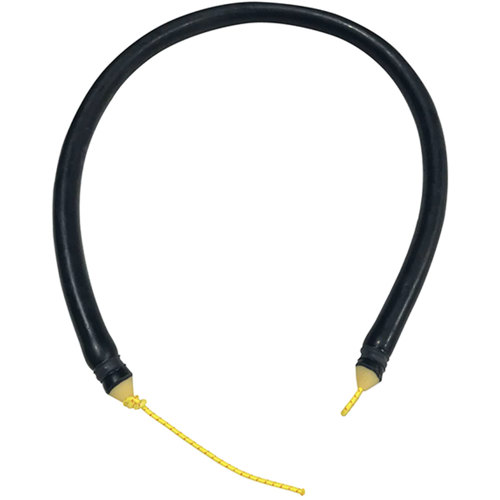
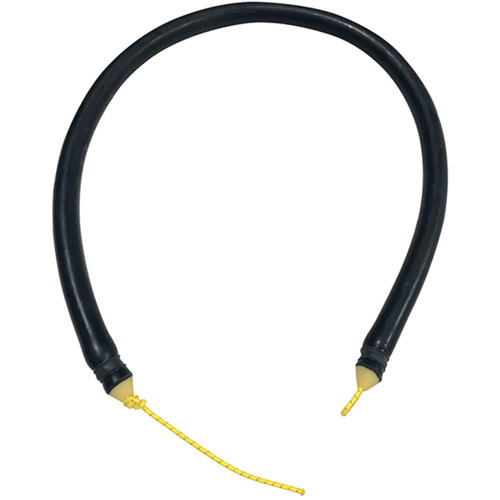
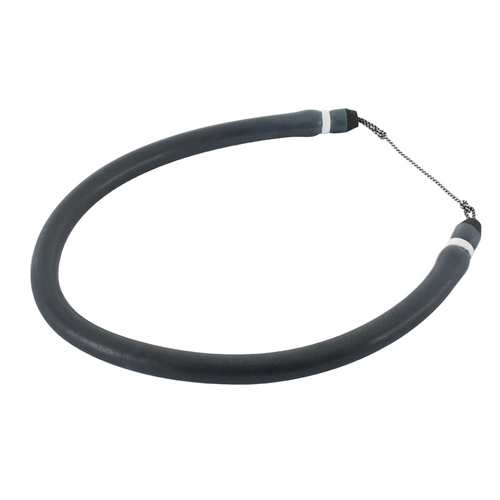
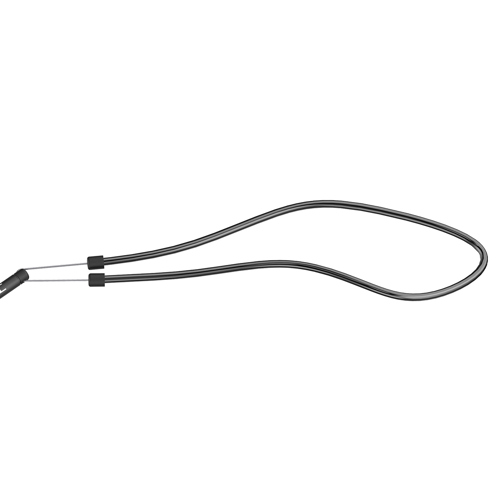
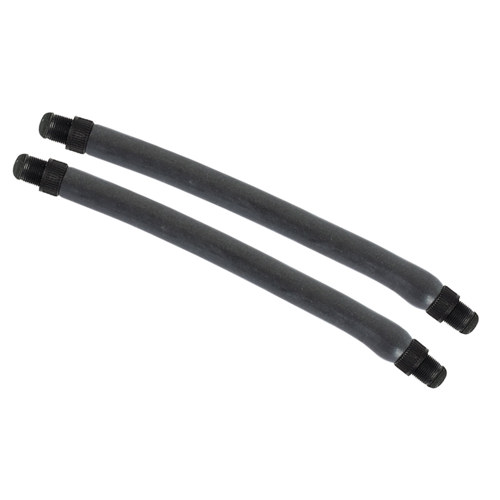
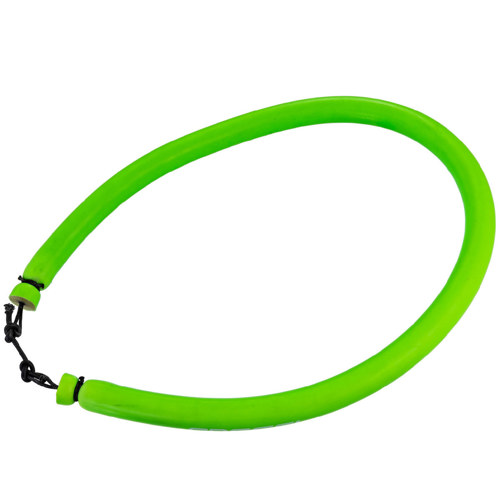
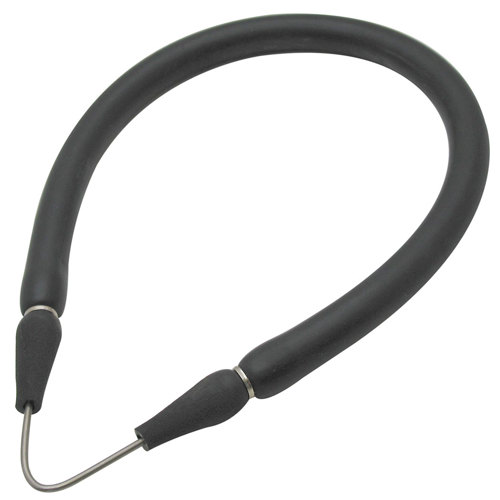
Selecting the right speargun band length is an essential part of maximizing your efficiency, accuracy, and comfort in the water. Whether you’re gearing up for a summer of reef hunting or prepping for those early fall offshore dives, understanding the nuances of band length can make all the difference. Speargun bands are crafted from high-tension rubber, designed to store and release energy with each shot. The correct band length is determined by several factors, including the length of your speargun barrel, the type of prey you’re targeting, and your own loading strength. Shorter bands are under greater tension and deliver more power, which is ideal for penetrating larger fish or making longer shots in open water. However, this increased power comes at the cost of more challenging loading—something to consider if you’re planning long days in the water or sharing your gear with less experienced divers. On the other hand, longer bands are easier to load and are often preferred for close-range hunting or for those who value quick, repeated shots over sheer power. The decision between a speargun vs harpoon setup also plays a role, as harpoons are typically used for larger game and may require different power dynamics, but for most recreational and sport spearfishers, optimizing band length is a more immediate concern.
When shopping for replacement bands or building a custom setup, referencing a speargun band length chart or a speargun rubber length chart is invaluable. These charts help match your speargun’s barrel size to the ideal band length, factoring in the common stretch ratios—usually between 300% and 380%—that balance power and loadability. For example, a 90cm speargun often pairs with 19"–20" bands, while a 110cm model might use 22"–24" bands. The diameter of the rubber also matters, with standard options like 14mm or 16mm offering different levels of resistance and energy storage. If you’re experimenting with different diameters or considering thicker bands for extra punch, be sure to consult a speargun rubber size chart to ensure compatibility and safety. Band length and diameter adjustments are popular upgrades for seasoned divers looking to fine-tune their gear for specific conditions, but they’re also a thoughtful gift for anyone new to spearfishing or looking to refresh their setup ahead of peak diving season. The tactile satisfaction of crafting or replacing your own bands—measuring, tying the wishbone, and feeling the resistance as you load the gun for the first time—connects you to the gear and the sport in a unique way. Some divers even repurpose leftover rubber for slingshot projects or other DIY uses, making these bands a versatile addition to any watersports toolkit.
For those navigating the options, it’s helpful to remember that the right combination of length and diameter not only impacts shot power but also influences band longevity and user safety. As the water warms and diving activity picks up through the summer and early fall, keeping your bands in good condition and suited to your needs ensures both performance and reliability. If you’re unsure about which diameter is right for your speargun, or you want to compare the effects of different sizes, our comprehensive
Speargun Band Diameters resource offers detailed information to help you make an informed choice. Whether you’re a seasoned spearo fine-tuning your equipment for bluewater adventures or a beginner assembling your first rig, taking the time to select the proper band length and diameter will enhance every dive—making each shot more precise, every reload smoother, and your overall experience safer and more enjoyable.