Speargun Band Diameters
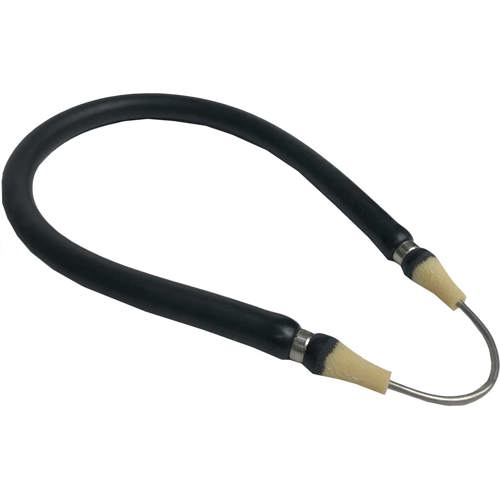
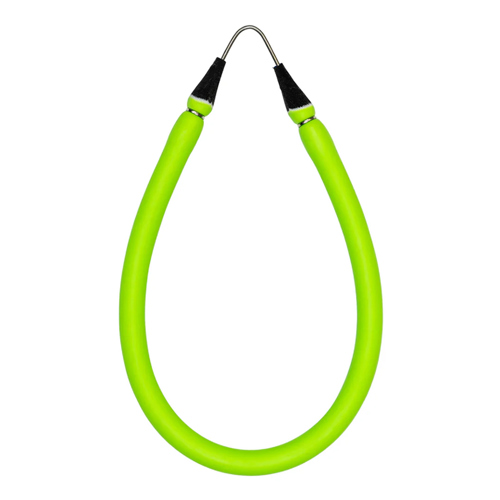
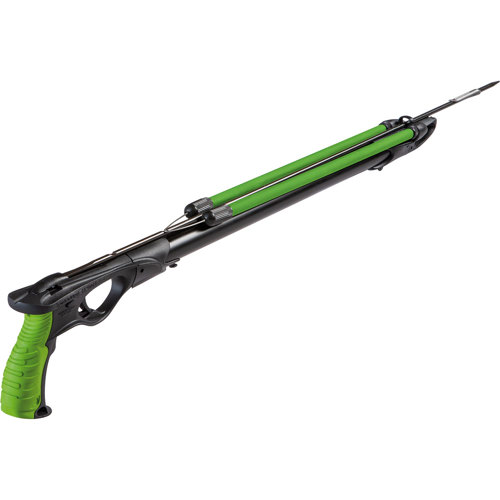
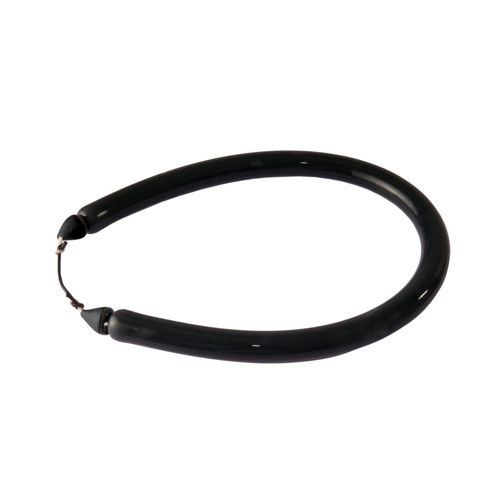
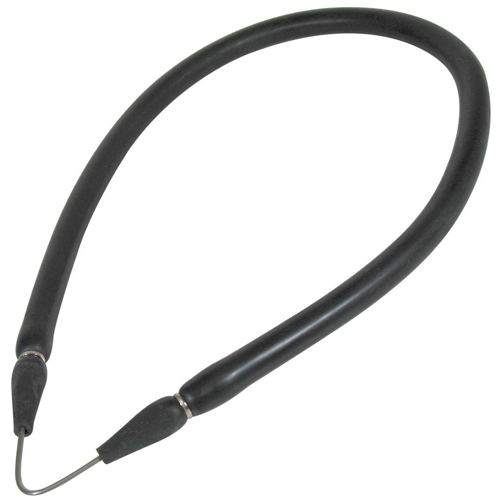
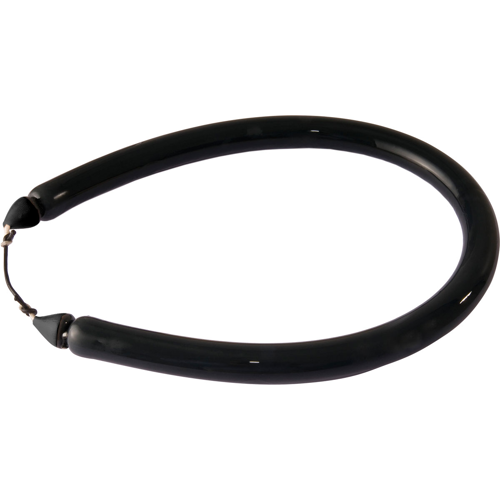
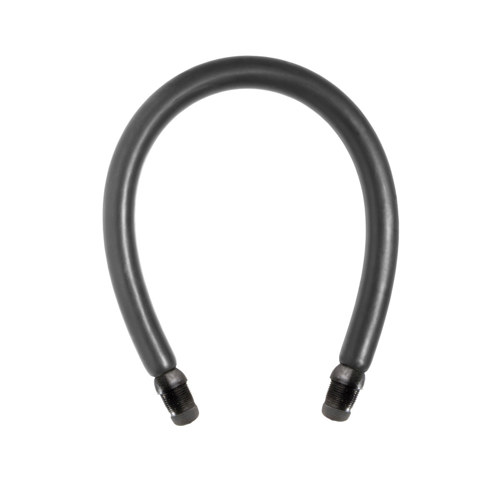
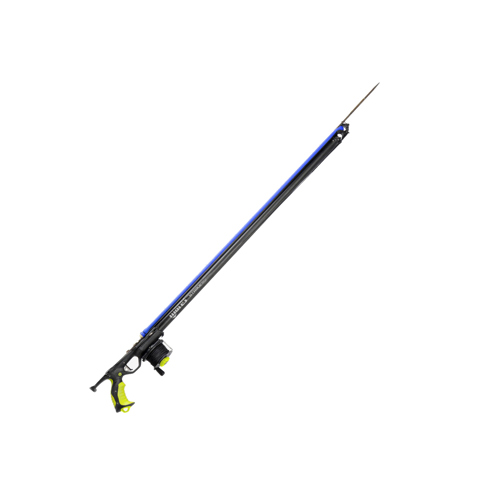
Speargun band diameters are a critical factor in customizing your spearfishing experience, whether you’re a seasoned bluewater hunter or just beginning to explore the underwater world. As the weather warms and spearfishing season gains momentum, many divers find themselves fine-tuning their gear for optimal performance. The diameter of your speargun bands directly influences the power, recoil, and ease of loading, making it essential to choose wisely based on your target species, gun length, and personal strength. Standard diameters range from 9/16" (14mm) for lighter, entry-level setups to 3/4" (20mm) for powerful bluewater rigs. For those using aluminum or carbon euro-style spearguns, a 14mm band often strikes the perfect balance between manageable loading and effective shot placement, especially when pursuing smaller reef fish or practicing in shallower waters. Meanwhile, the 5/8" (16mm) diameter is recognized as the industry standard, providing reliable power and penetration for most mid-sized guns (typically 75cm to 110cm). Divers targeting larger reef species or pelagics may prefer stepping up to 11/16" (17.5mm) or even 3/4" (20mm) bands, which deliver the extra punch needed for big-game pursuits, though with a noticeable increase in loading effort and recoil.
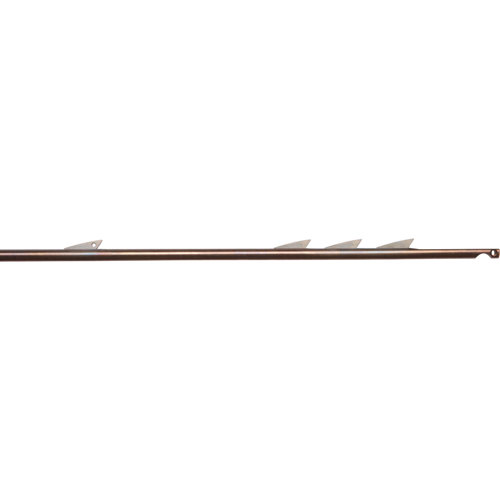
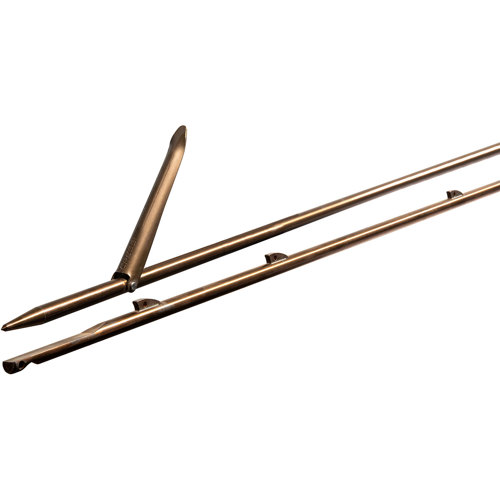
Selecting the right band diameter is a personal process, often informed by a combination of experience, physical capability, and the specific demands of your local dive environment. Many spearfishers rely on a speargun rubber size chart or a speargun size chart to match their gun’s length and shaft thickness to the appropriate band diameter. For example, the best speargun bands for a 7mm shaft 110cm gun will typically fall into the 16mm to 17.5mm range, balancing the need for accuracy, power, and manageable recoil. This careful matching ensures your setup is not only effective but also safe and comfortable to use throughout long days in the water. Gift-givers looking for a thoughtful present for the spearfisher in their life should consider band diameter as an important detail—upgrading to a new set of bands in the right size can make a world of difference in both performance and enjoyment. Whether you’re prepping for an early summer trip to clear coastal waters or gearing up for late-season adventures as conditions shift, having the right band diameter on hand means you’re always ready for whatever the ocean brings.
Understanding the relationship between band diameter, gun length, and shaft size is made easier with tools like a speargun shaft size chart or a speargun band length chart. These resources help you calculate not only the ideal diameter but also the correct band length for maximum efficiency—typically aiming for a stretch ratio of about 300% of the band’s resting length for optimal power. If you’re looking to dive deeper into the specifics, our dedicated guide on
Speargun Band Lengths provides detailed information to help you make the most informed choice possible. As you prepare for your next underwater adventure, whether you’re chasing elusive reef dwellers or testing your skills against powerful pelagics, the right speargun band diameter will ensure you have the edge you need. With careful selection and a bit of expert insight, every dive can be a step closer to your best catch yet.