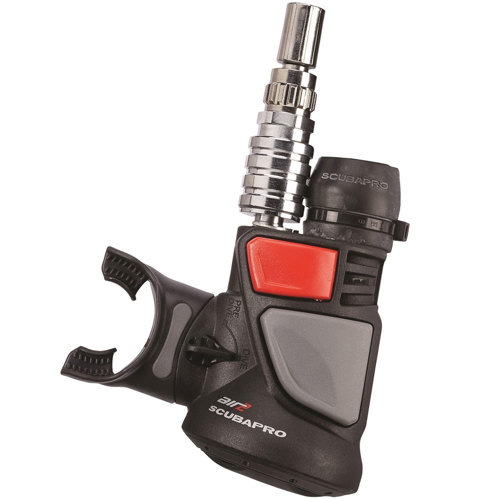
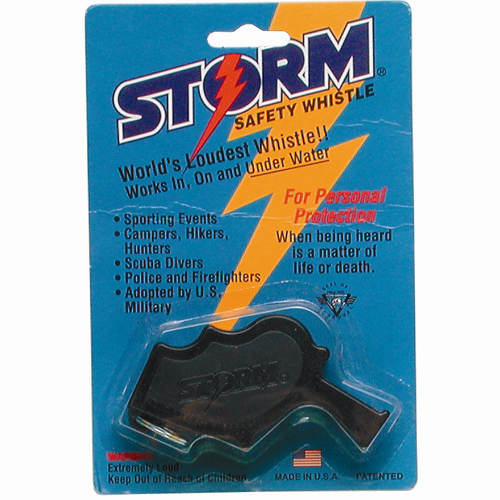
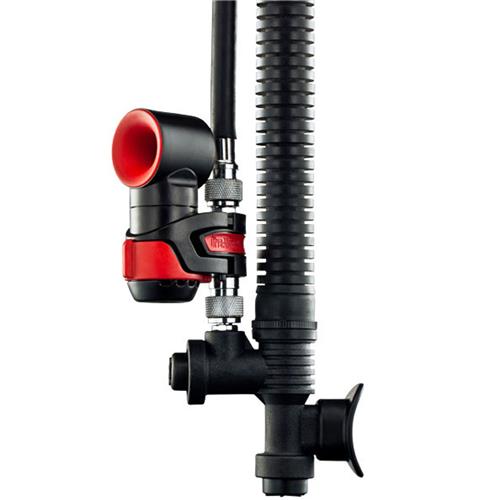
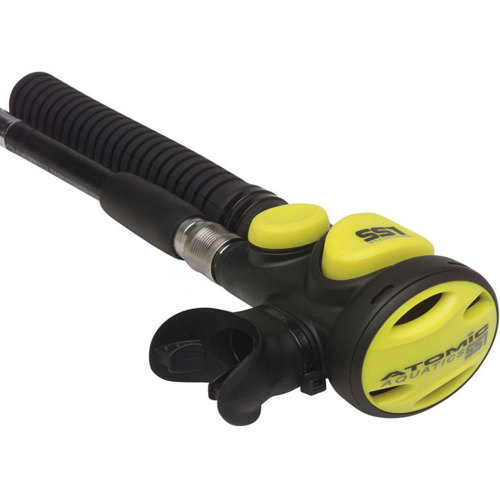
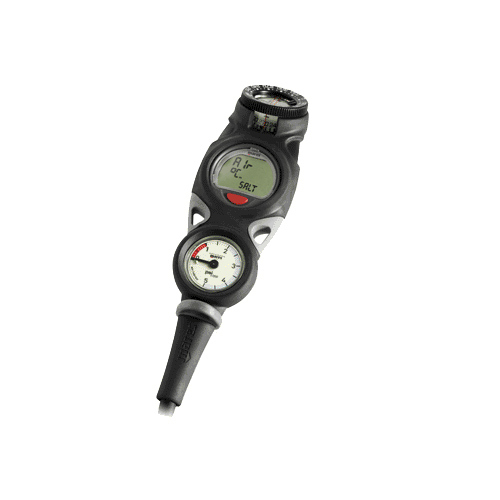
Technical diving pushes the boundaries of underwater exploration, demanding a level of preparation and attention to safety that goes far beyond recreational standards. Whether venturing into deep ocean canyons, threading through labyrinthine cave systems, or navigating the interiors of historic wrecks, technical divers rely on a suite of advanced gear and protocols designed to mitigate the unique risks of their environment. Solutions for technical diver safety are built around the principles of redundancy, precise gas management, and clear communication—each a cornerstone of modern dive solutions. Redundant systems, such as backup regulators, masks, lights, and computers, are not just recommended but essential, providing vital contingencies should primary equipment fail in challenging conditions. The 1/3 gas management rule—reserving a third of breathing gas for the return and a third for emergencies—remains a gold standard, ensuring divers have ample reserves for unforeseen situations, especially when penetration into overhead environments leaves no direct ascent route.
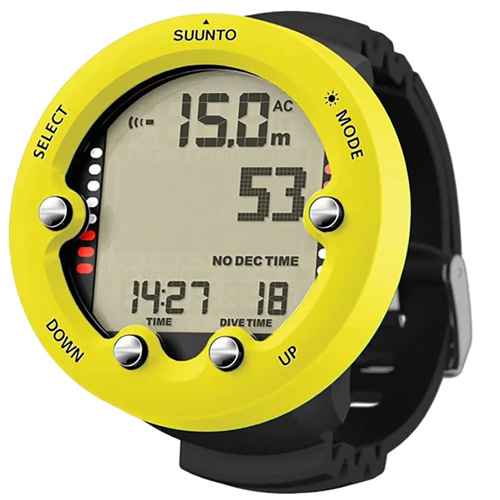
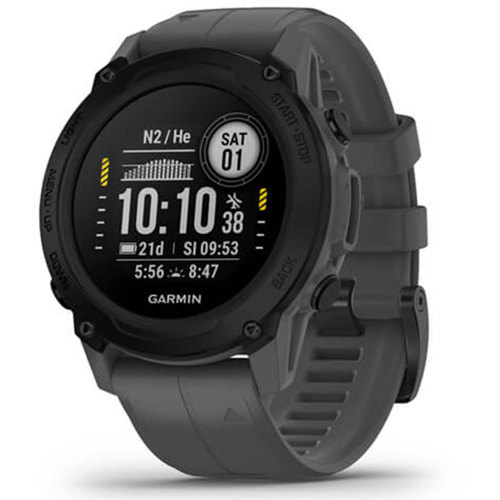
Seasoned technical divers know the importance of thorough pre-dive checks, often following protocols like the START method: S-drills for emergency readiness, team equipment matching, air and gas matching, route planning, and decompression tables. This level of preparation is not just about personal safety but also about the collective security of the dive team, where each member’s gear and gas supply are cross-checked, and communication signals are reviewed. Specialized training underpins every aspect of technical diving, from managing complex gas switches to avoid oxygen toxicity, to executing precise decompression stops on ascent. The winter months, with their colder water temperatures and reduced visibility, add another layer of challenge, making robust thermal protection and reliable lighting even more critical for safety and comfort during extended exposures. For those who dive year-round, investing in environmental monitoring devices and advanced dive computers capable of tracking physiological data in real time can make all the difference, especially when surface support teams are monitoring for signs of stress or decompression sickness.
Selecting the right diver solutions for technical safety is a deeply personal process, shaped by the diver’s experience, dive objectives, and the specific demands of each environment. These products are often chosen by experienced divers looking to upgrade their setup for more ambitious expeditions, but they also make thoughtful gifts for dedicated dive buddies, instructors, or loved ones advancing through technical certifications. When assembling a safety kit, attention to detail is paramount—choosing items with proven reliability, compatibility with existing gear, and features tailored to the dive plan at hand. Many divers also consult expert-curated resources, such as the comprehensive list at
Diving Safety Tools For Experts, to ensure their selections meet the highest standards of modern dive solutions. With every piece of gear and every procedure, technical divers reinforce a culture of safety, enabling them to explore further, stay longer, and return home safely, no matter how demanding the dive.