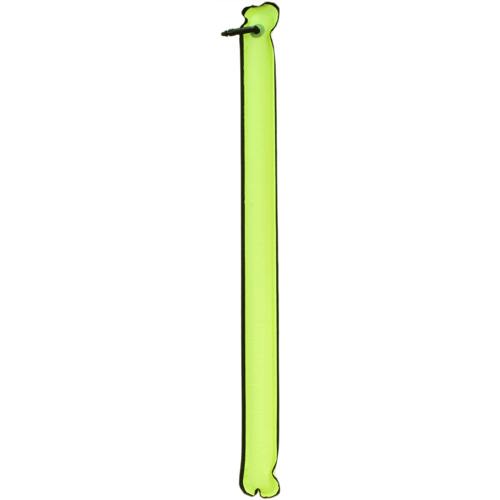
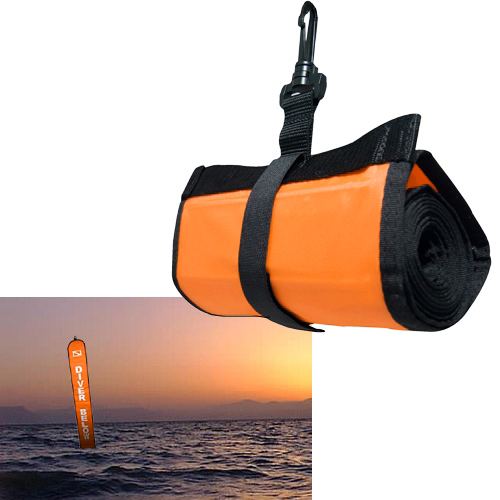
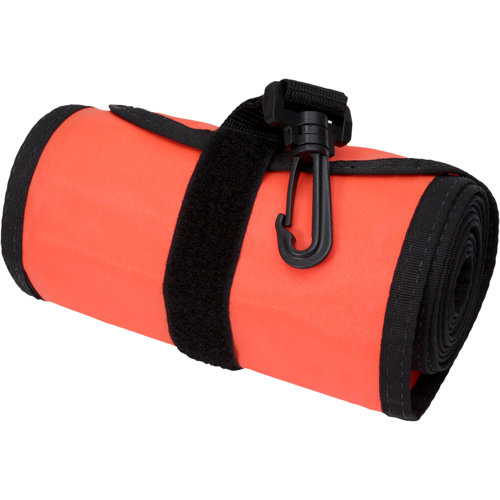
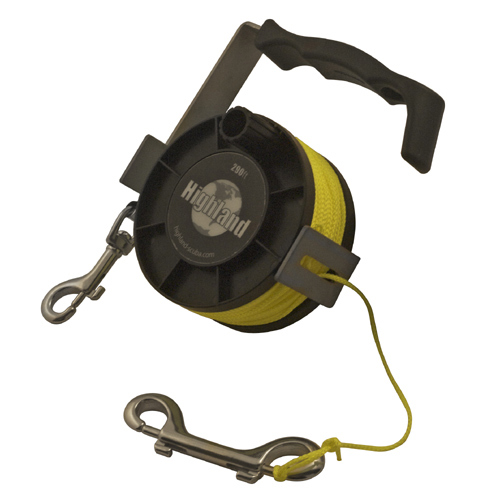
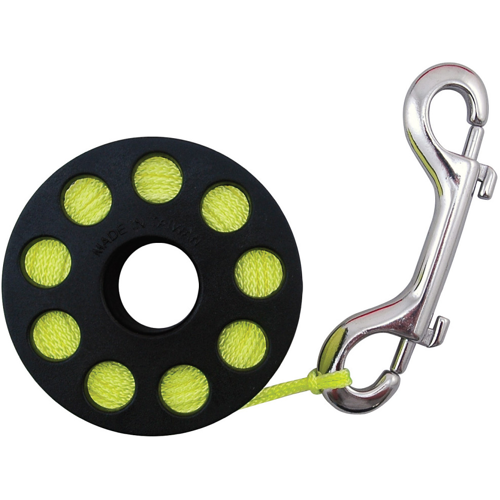
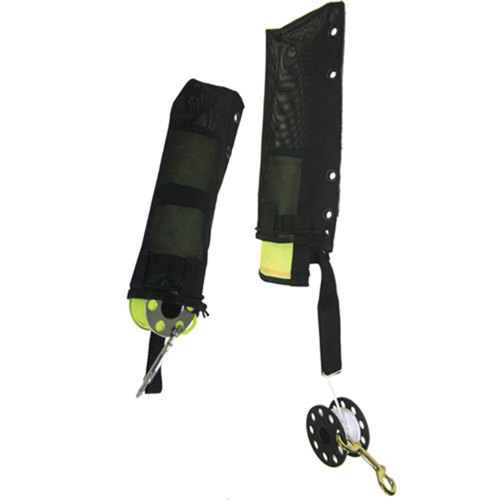
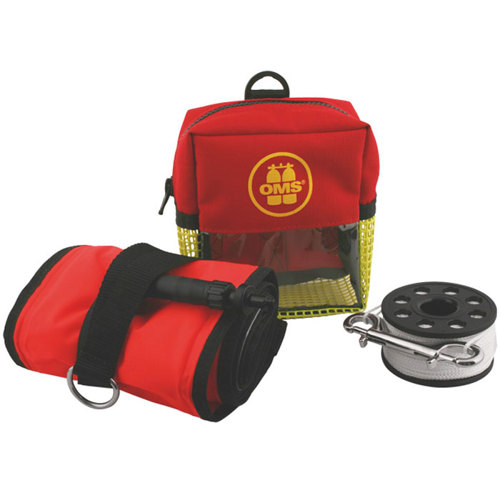
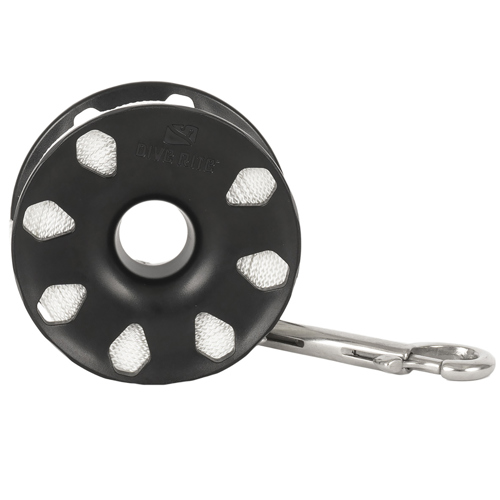
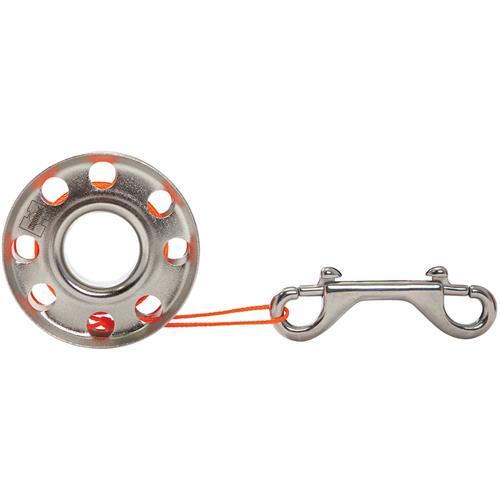
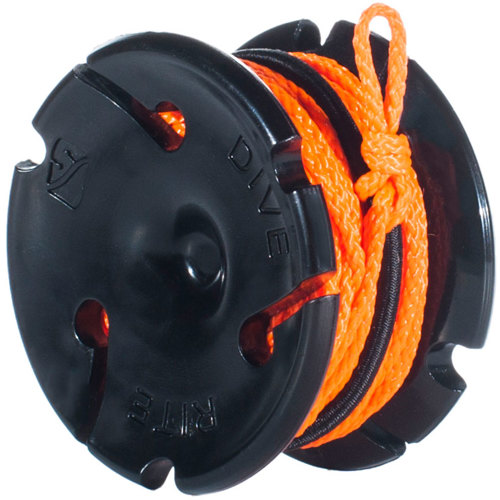
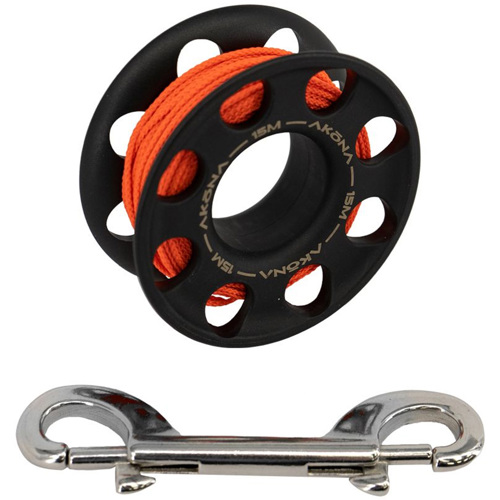
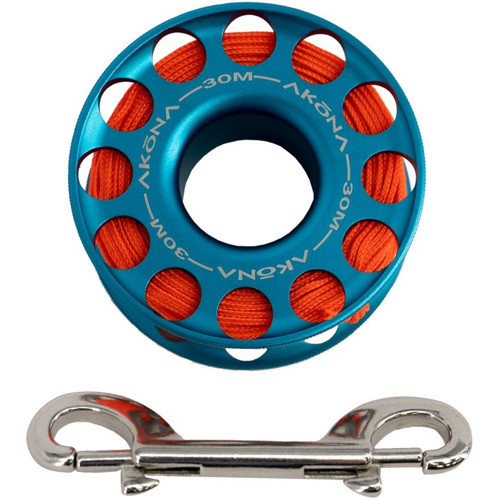
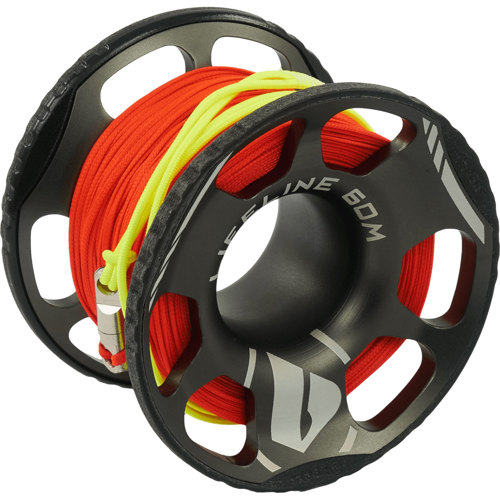
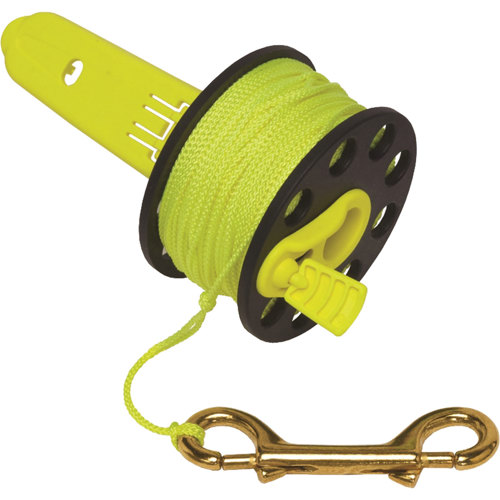
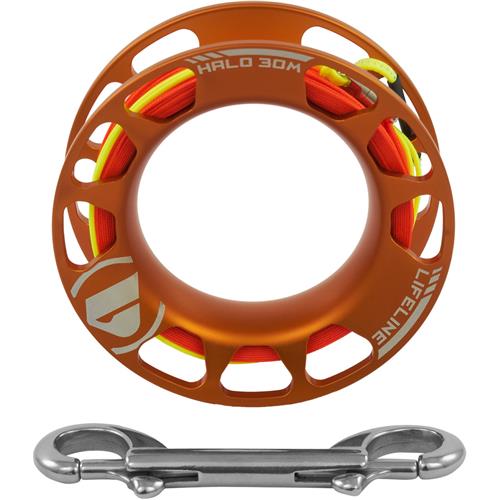
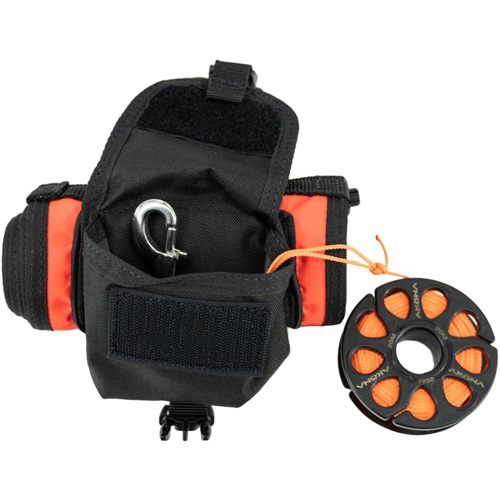
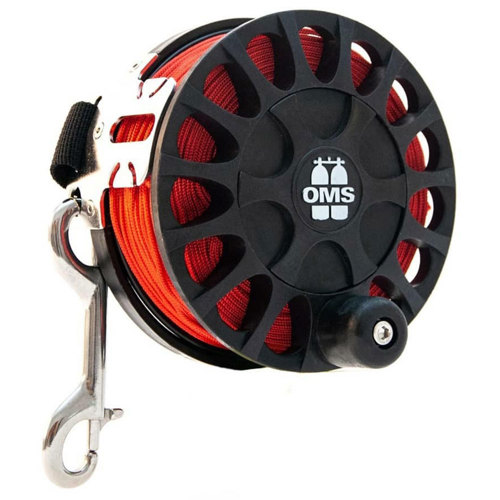
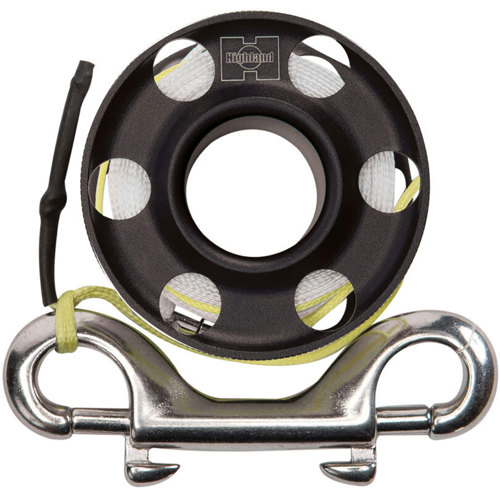
Signaling spools are specialized tools that play a crucial role across a variety of unique fields, from underwater exploration to technical hobbies and even the world of illusion. For divers, drone enthusiasts, radio operators, and magicians alike, signaling spools provide a reliable means of deploying fine lines, wires, or threads in situations where precision and control are paramount. In underwater environments, for example, signaling spools are often used to lay guide lines or send up surface markers, ensuring safe navigation and communication during dives. The compact, robust design of these spools allows them to be easily stowed in a pocket or clipped to gear, ready for rapid deployment when conditions demand it—whether that’s threading a guideline through a wreck, sending up a signal buoy, or managing a controlled ascent. As the weather warms and more people head outdoors or into the water, the practical value of a dependable signaling spool becomes especially evident, offering peace of mind and a touch of professionalism to every adventure.
Beyond the aquatic realm, signaling spools find their place in a host of specialized pursuits. FPV drone pilots, for instance, rely on ultra-thin fiber optic or wire spools to maintain uninterrupted signal transmission in areas where radio frequencies are unreliable or jammed. These spools are designed to unspool smoothly as the drone moves, ensuring consistent communication and precise control even in challenging environments. For amateur radio enthusiasts, portable antenna tuning spools wound with copper wire are indispensable for quick setups in the field, allowing operators to tune antennas on the fly and make the most of fleeting propagation conditions. Meanwhile, in the world of magic and stagecraft, micro-reels and invisible thread spools enable performers to create astonishing effects—levitating objects, animating rings, or executing invisible touch routines—by deploying nearly undetectable threads with practiced subtlety. Each of these uses demands a spool that is both durable and easy to handle, with a line that dispenses smoothly and can be retrieved without tangling or snagging.
When selecting a signaling spool, it’s important to consider the specific needs of your activity. For divers, look for models with corrosion-resistant materials, a comfortable grip, and a locking mechanism to prevent accidental unwinding underwater. Drone operators may prioritize lightweight spools with high-capacity line and minimal drag, while radio hobbyists often seek compact winders that allow for quick deployment and easy rewinding. For magicians, the focus is on discretion, so micro-sized spools that can be hidden in the palm or sewn into clothing are ideal. Signaling spools also make thoughtful gifts for anyone passionate about their craft—whether it’s a diver preparing for a summer trip, a drone pilot seeking greater range, a radio enthusiast heading out for field day, or a performer perfecting their next illusion. For those interested in exploring a broader range of options, including heavy-duty models and specialty designs, the
Reel Spools page offers a curated selection to suit every need and environment. Whether you’re venturing into the depths, taking to the skies, tuning into distant signals, or captivating an audience, the right signaling spool is a small investment that pays dividends in safety, performance, and creative possibility.