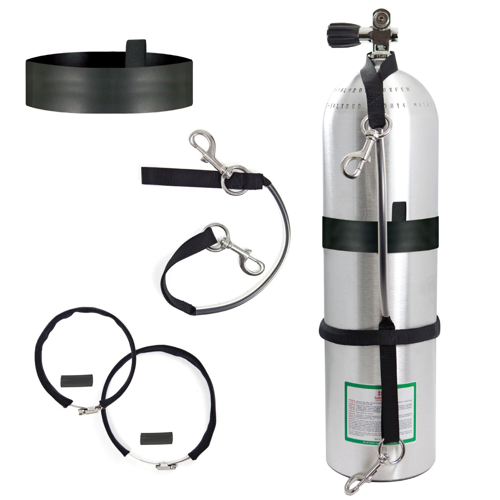
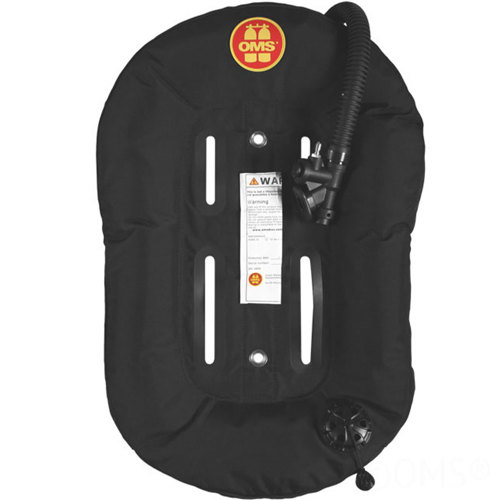
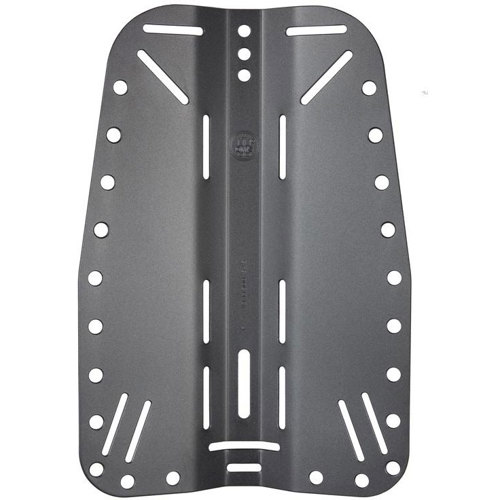
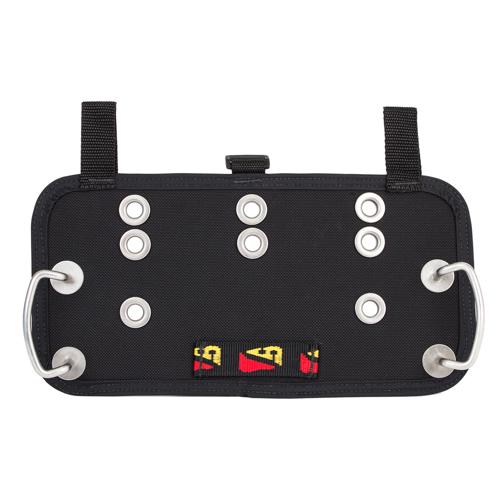
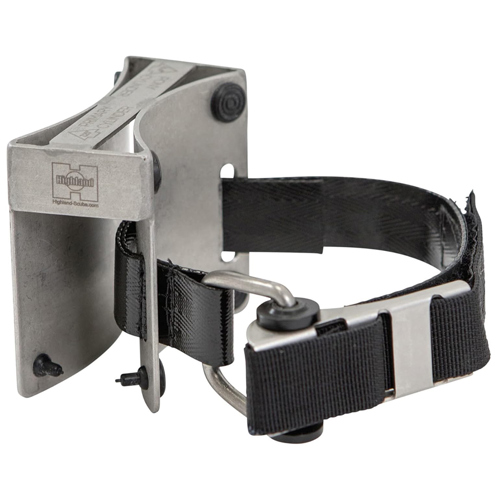
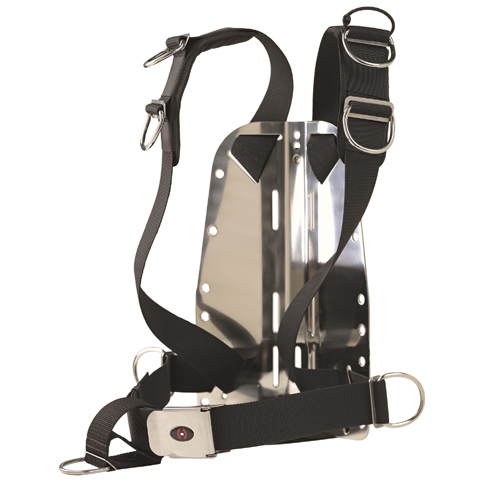
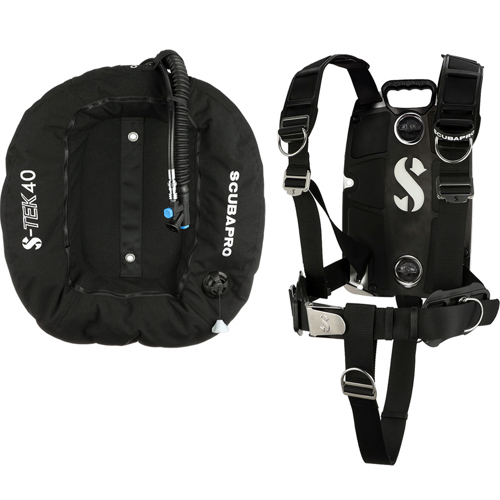
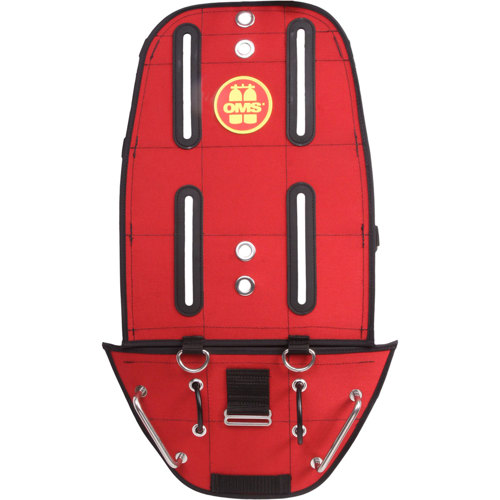
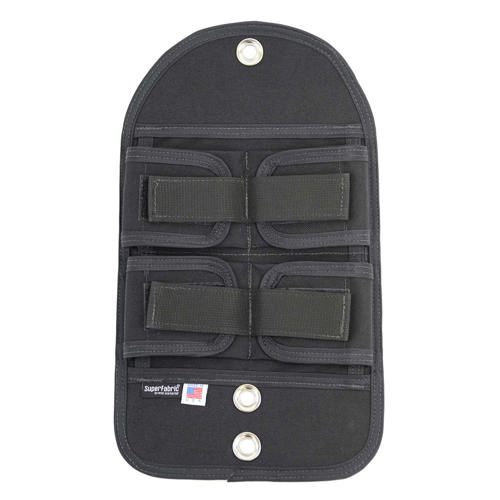
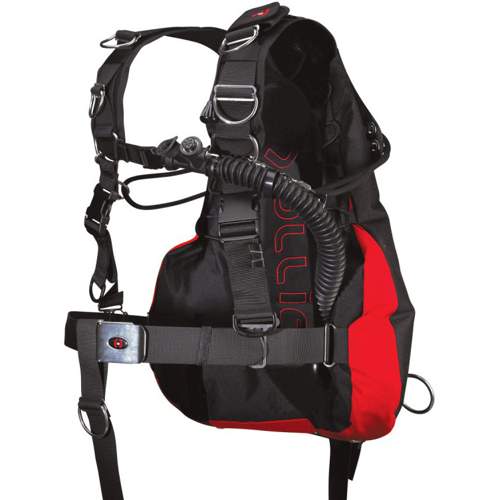
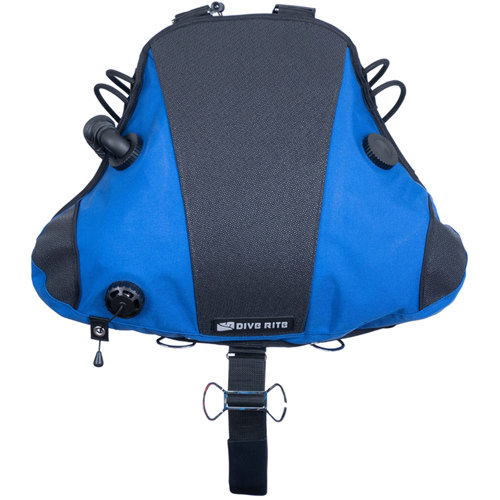
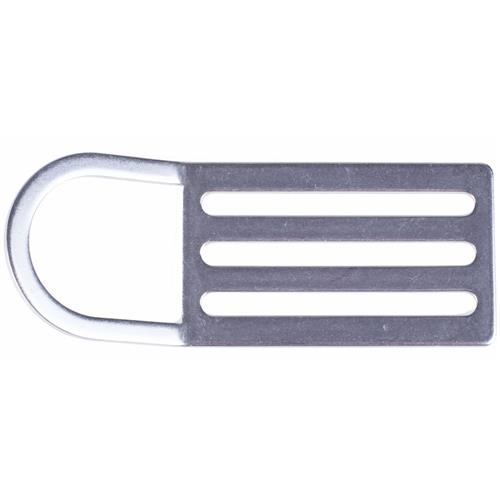
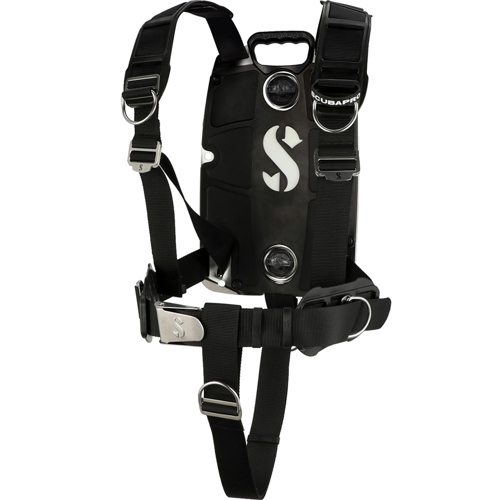
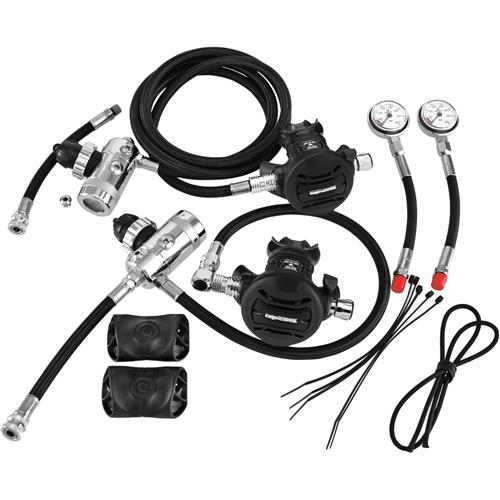
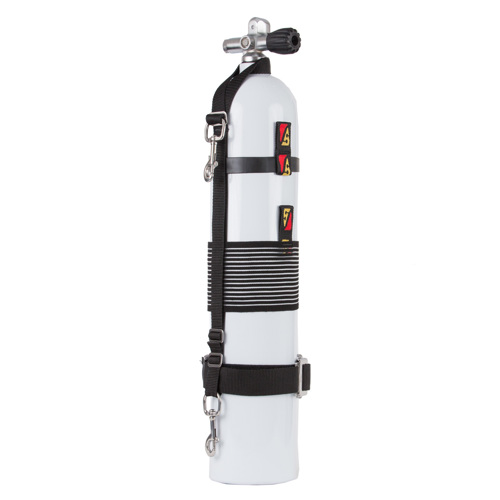
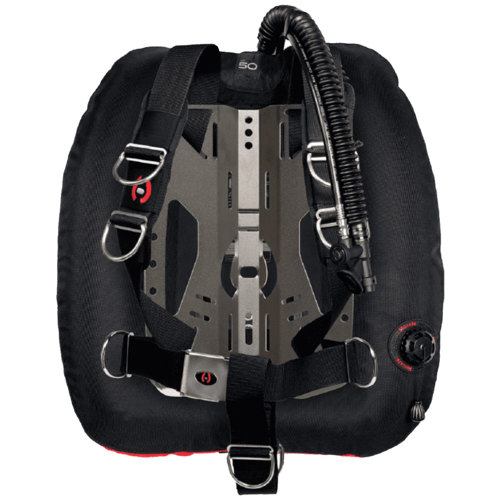
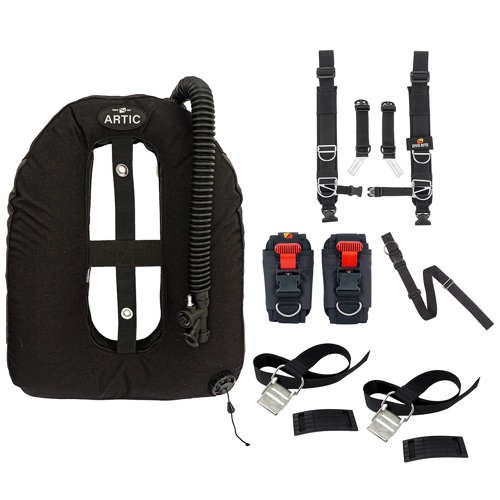
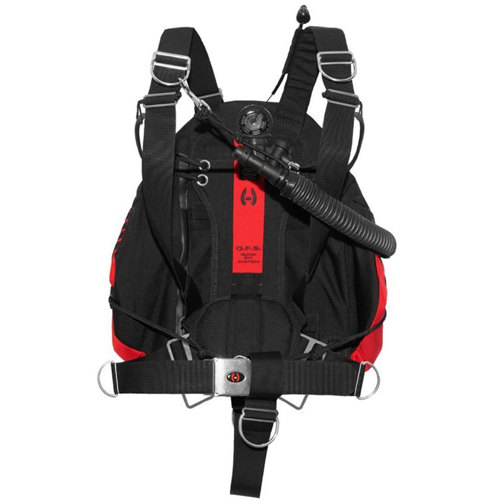
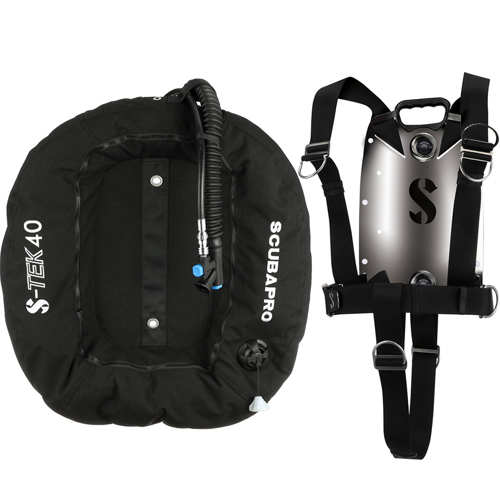
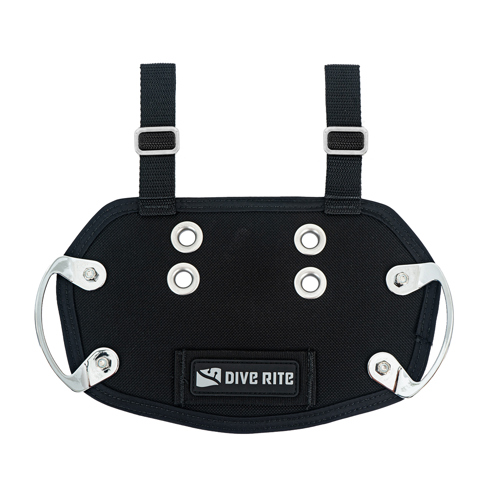
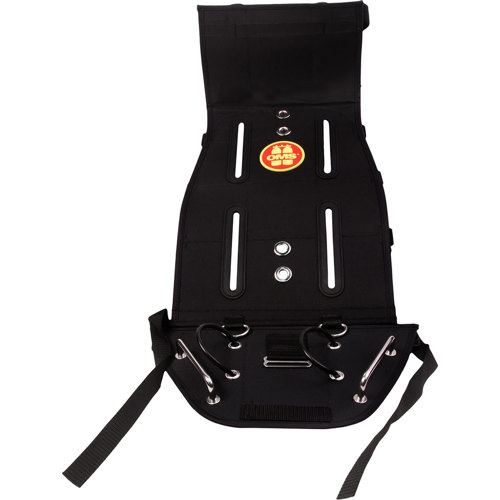
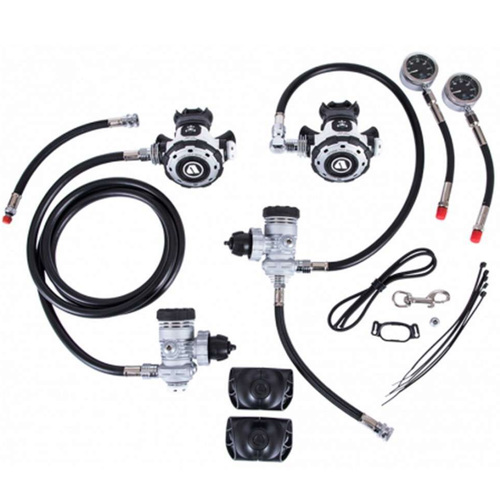
Sidemount diving has become a sought-after configuration for divers seeking greater flexibility, comfort, and safety underwater. Unlike the traditional backmount system, a sidemount scuba setup positions cylinders along the diver’s sides, allowing for improved streamlining and easier access to valves and regulators. This approach is particularly valued by technical divers exploring caves or wrecks, but it’s also gaining popularity among recreational divers who appreciate the reduced back strain and enhanced maneuverability. As the weather warms and dive conditions become more inviting, many divers look to upgrade or refine their sidemount diving setup to take full advantage of the season’s opportunities—whether that’s gliding through a sun-dappled kelp forest, exploring a freshwater spring, or preparing for advanced training. The core components of a reliable sidemount configuration include a dedicated harness and wing, twin cylinders with opposing valves, two independent regulators (often with customized hose lengths), and a streamlined weight system. Each element is designed to work in harmony, promoting a balanced trim and allowing the diver to maintain a stable, horizontal position in the water. The configurazione sidemount is highly customizable, with adjustments made to harness fit, bungee lengths, and tank rigging based on individual body shape and diving style. For many, the process of fine-tuning a scuba sidemount setup becomes a rewarding part of the diving journey, reflecting both personal preference and the demands of specific dive environments.
When considering a sidemount diving setup, it’s important to think about how and where you’ll be diving. For those venturing into overhead environments—such as caves or shipwrecks—redundancy and accessibility are paramount, and the sidemount system’s independent air sources and front-facing valves offer peace of mind and quick response in case of emergencies. Even in open water, the ease of donning and doffing tanks, along with the reduced load on the lower back, can make sidemount a smart choice for divers of all ages and experience levels. Many instructors and dive professionals recommend starting with a modular harness and wing system that can adapt as your skills and preferences evolve. The selection of tanks (aluminum or steel), the configuration of hose lengths, and the placement of weights along the spine or waist all contribute to achieving optimal trim and comfort. For those shopping for a diver in their life, sidemount accessories—like high-quality bungees, bolt snaps, or a new harness—make thoughtful gifts that can be appreciated throughout the busy summer dive season. These are the kinds of upgrades that can transform a routine dive into a memorable adventure, especially during longer, warmer days when dive trips and training sessions are at their peak. For anyone new to sidemount or looking to refine their setup, additional resources and expert advice can be invaluable. Our curated list of
Sidemount Diving Guides offers in-depth tips, configuration examples, and troubleshooting support to help you get the most out of your gear and time underwater. Whether you’re assembling your first sidemount kit or upgrading for advanced exploration, investing in the right equipment and knowledge ensures every dive is safe, comfortable, and tailored to your unique underwater goals.