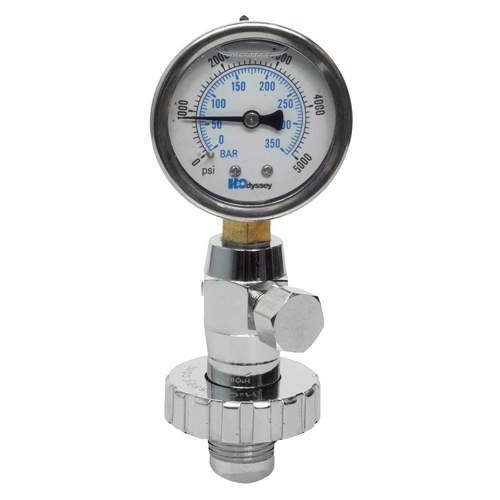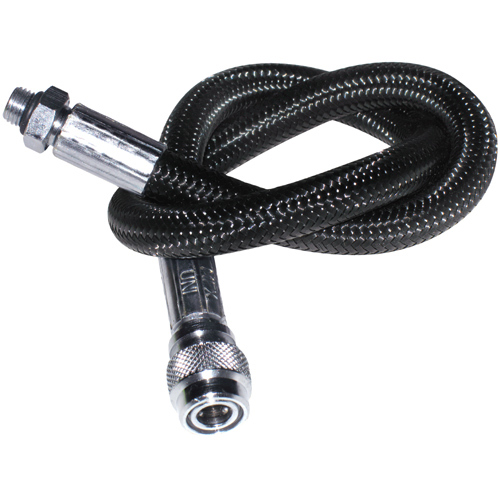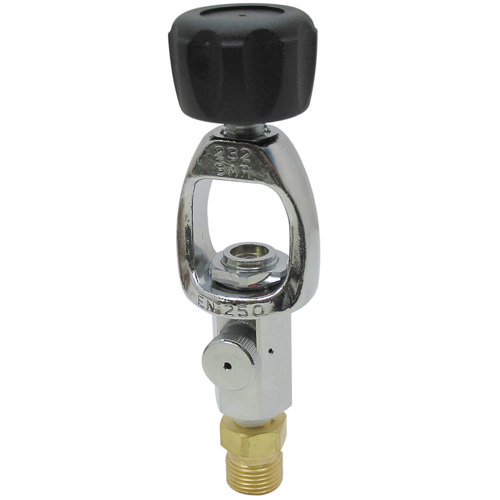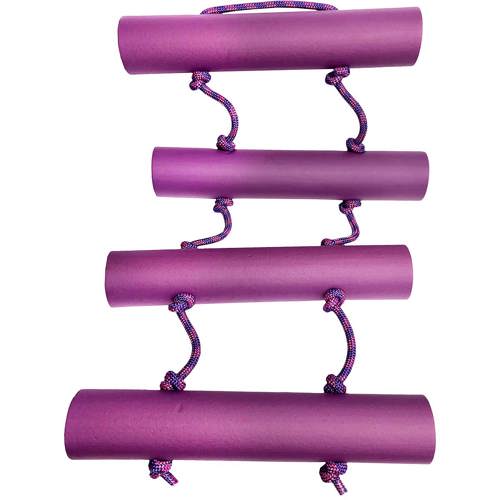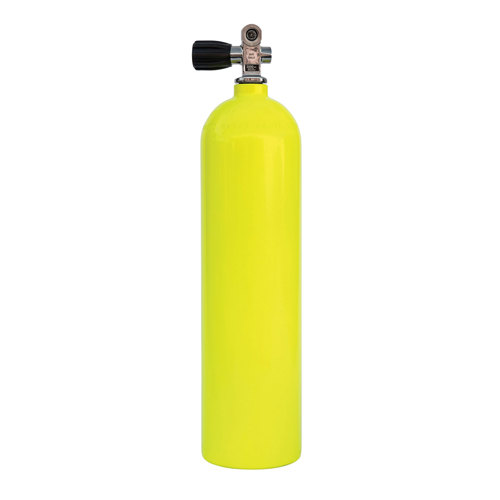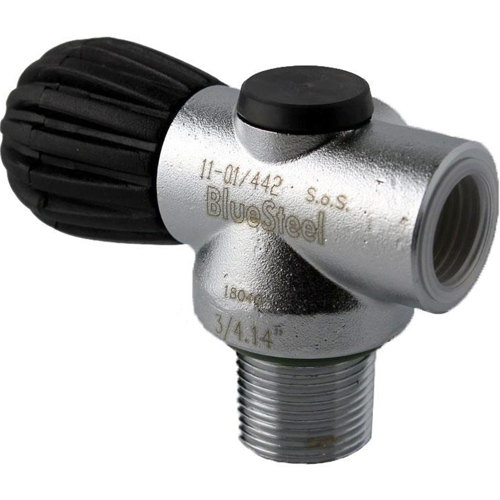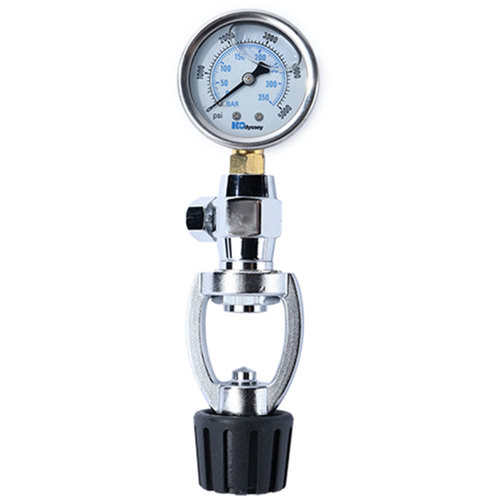
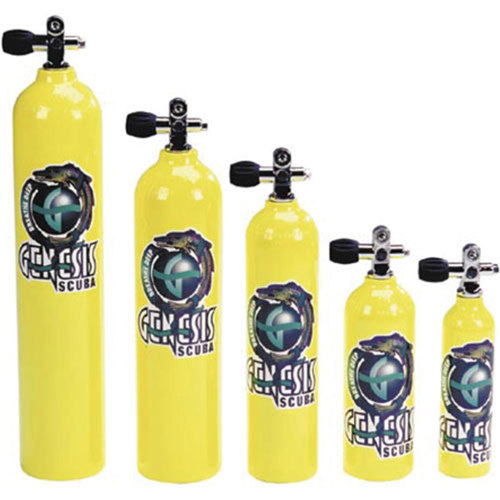
Scuba tank safety is a cornerstone of responsible diving, whether you’re gearing up for a summer of local shore dives or preparing for an international diving adventure. As the weather warms and dive trips become more frequent, it’s essential to remember that a scuba cylinder is more than just a piece of gear—it’s a pressurized life support vessel that demands careful handling, storage, and regular inspection. From seasoned technical divers with a garage full of tanks to new recreational divers just starting to invest in their own equipment, everyone benefits from understanding the nuances of tank safety. Proper storage solutions, like sturdy racks or tank holders, are invaluable for keeping cylinders secure in vehicles, boats, or homes, preventing accidents that can occur if a tank tips or rolls. During transport, especially on bumpy roads or in choppy waters, a secured tank is less likely to suffer valve damage or become a dangerous projectile. Even small details, such as never leaving a tank standing upright and unchocked, can make a significant difference. For anyone gifting scuba gear to a loved one—perhaps for a birthday, graduation, or just to celebrate the diving season—safety-focused accessories and maintenance tools show an extra level of care and thoughtfulness, making them especially meaningful for both new and experienced divers.
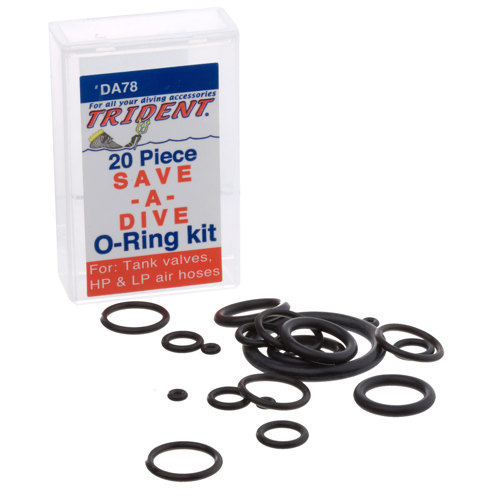
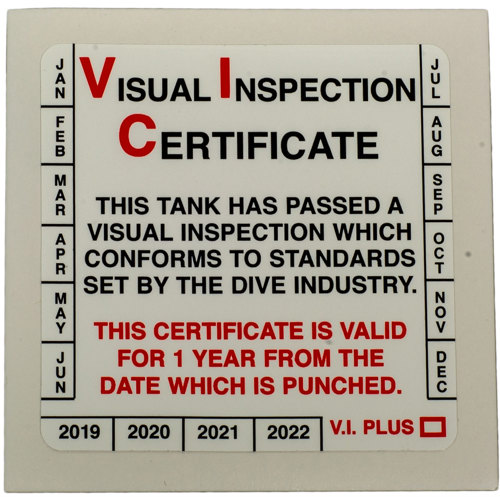
Ongoing inspection and maintenance are just as important as safe handling. Every diver should be familiar with the basics: annual visual inspections by certified professionals, hydrostatic testing every five years (or more frequently for certain compact tanks), and regular checks for physical damage like deep dents or scratches. Air quality inside the tank is another critical factor—stale or contaminated air can pose serious health risks, so it’s best to refill tanks with fresh, dry air if they’ve been sitting unused for several months. Seasonal changes can also impact storage practices. During the hotter months, tanks should be kept out of direct sunlight and away from heat sources to avoid dangerous pressure buildup, while in cooler or off-season periods, reducing tank pressure to a safe, low level and storing in a dry, upright position helps protect both the cylinder and its contents. Little routines, like performing a “hiss” test with your regulator before every dive or inspecting O-rings for cracks, quickly become second nature and add an extra layer of reassurance before entering the water. For divers looking to deepen their knowledge or ensure they’re following the latest best practices, the comprehensive guide on
Scuba Cylinder Care offers expert tips and step-by-step advice for every aspect of cylinder management.
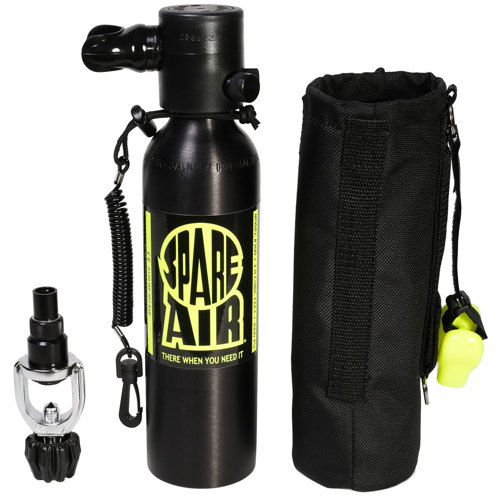
Whether you’re an instructor managing a fleet of rental tanks, a traveling diver packing for remote sites, or a weekend explorer enjoying the local reefs, choosing the right safety-focused products can make all the difference in your diving experience. Accessories that simplify inspection, streamline transport, or enhance safe storage are practical investments that pay off in peace of mind and long-term gear longevity. These items also make thoughtful gifts for dive buddies, club members, or family members just getting started with their own equipment. As diving activity peaks through the late spring and summer, it’s the perfect time to review your setup and make sure every cylinder is cared for with the respect it deserves—ensuring not just your own safety, but that of everyone who shares the water with you.