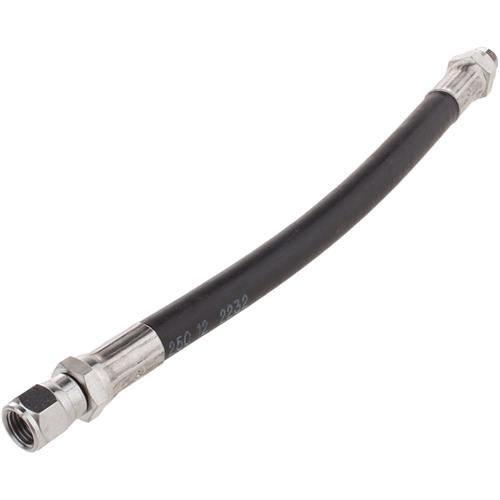
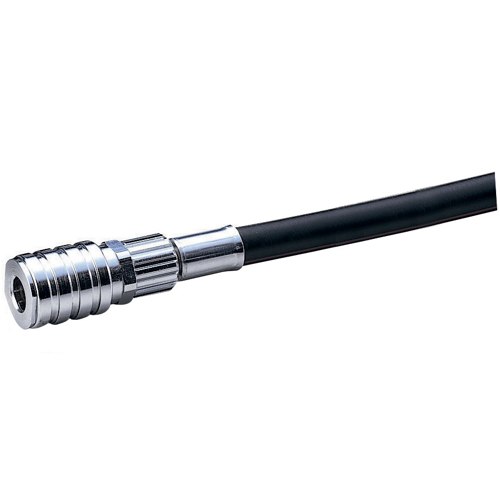
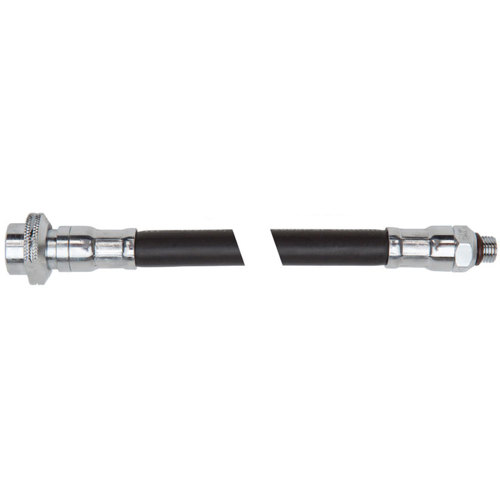
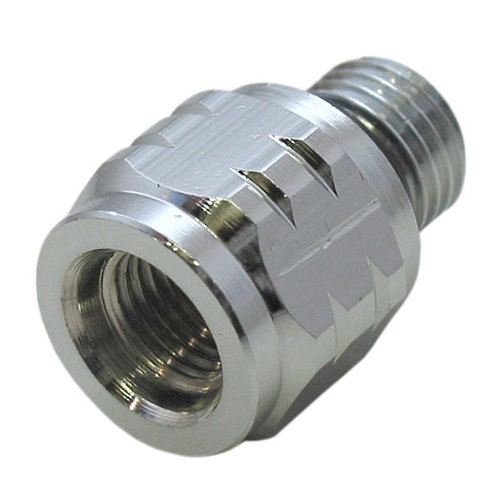
As the summer transitions into the milder days of September, many divers find this period to be one of the most rewarding times to explore underwater. The water temperatures remain inviting in many regions, visibility often improves, and the marine life can be especially active as seasonal changes stir up the ecosystem. For divers gearing up for these early autumn adventures, ensuring that every component of your scuba setup is reliable and tailored to your needs is essential—and hoses are no exception. Whether you’re planning a weekend getaway to a local lake or preparing for a more ambitious dive trip, the right hoses can make a noticeable difference in comfort, performance, and safety. Divers who have spent years underwater know that the crispness of September mornings, paired with the anticipation of a new dive season, can make even the ritual of assembling gear feel special. As you lay out your regulator, BCD, and drysuit, inspecting your hoses for flexibility, wear, and compatibility becomes a crucial step in pre-dive preparation.
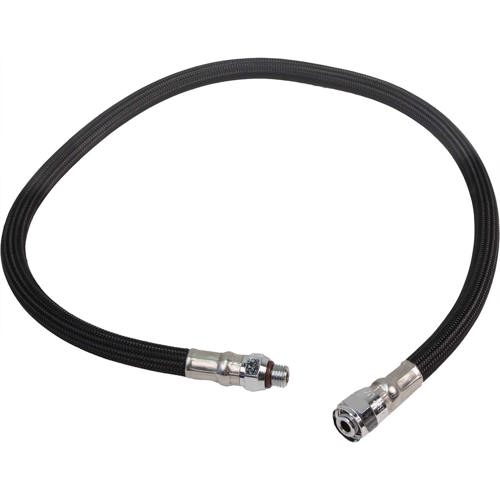
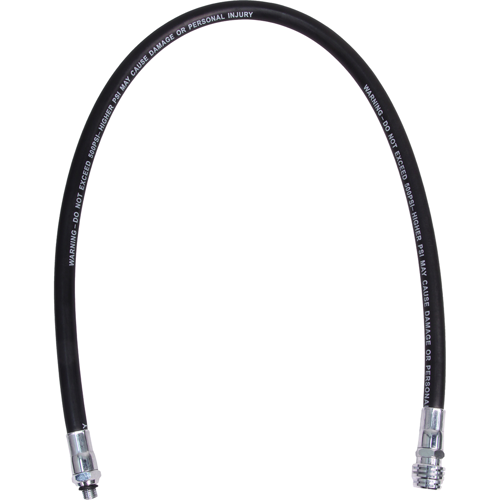
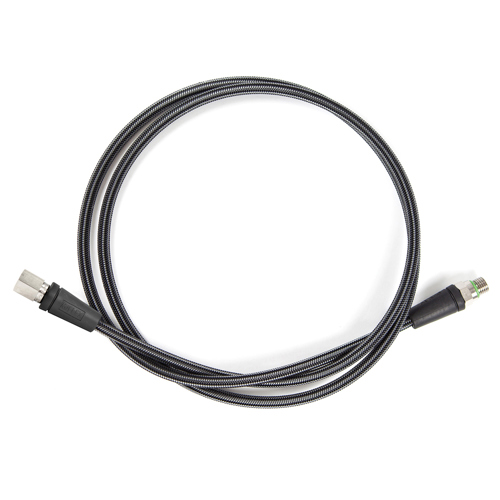
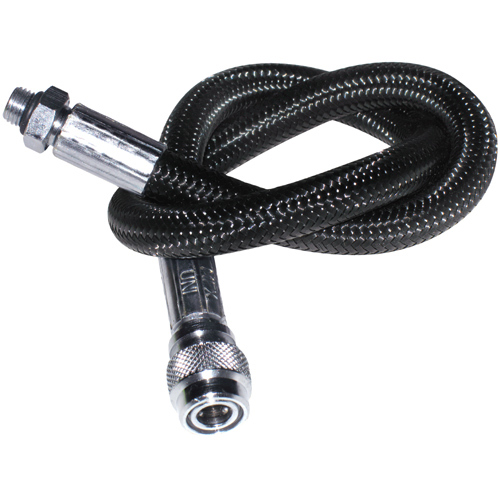
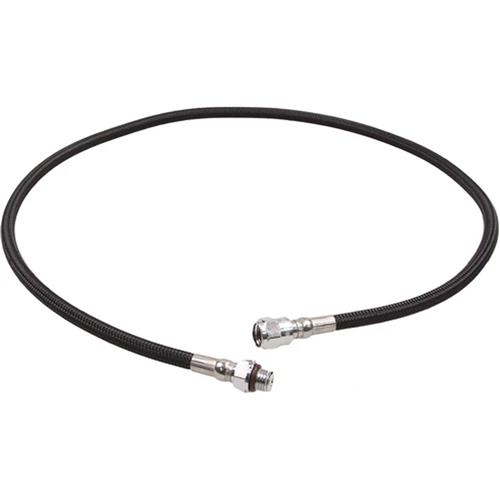
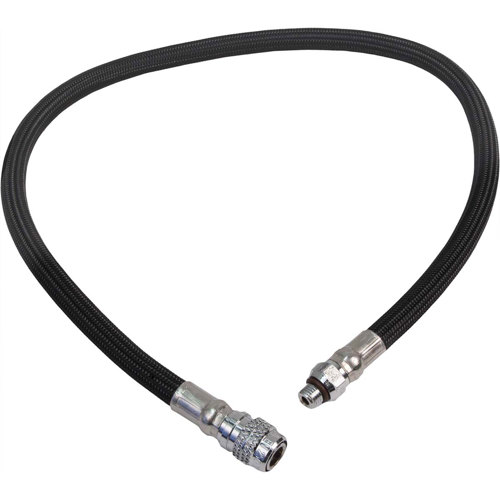
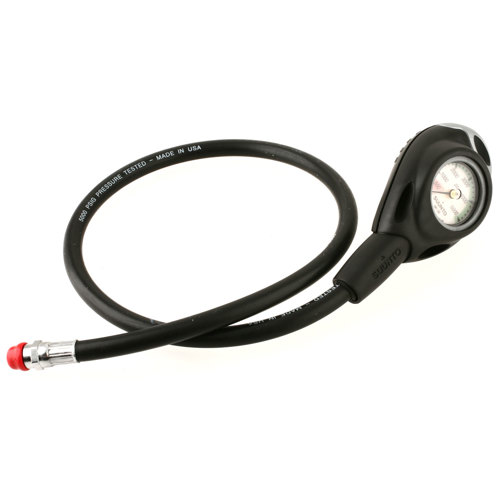
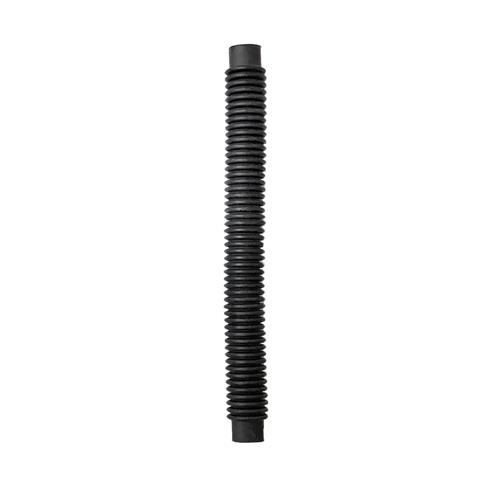
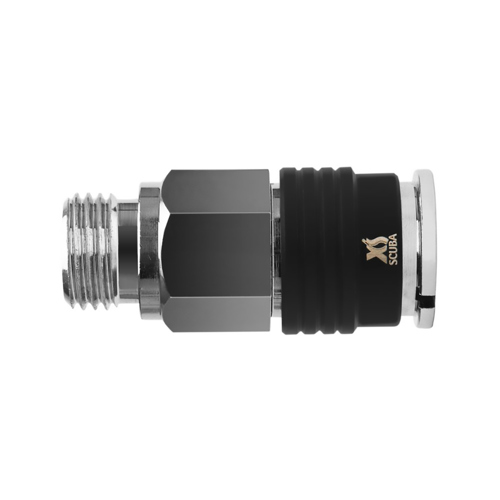
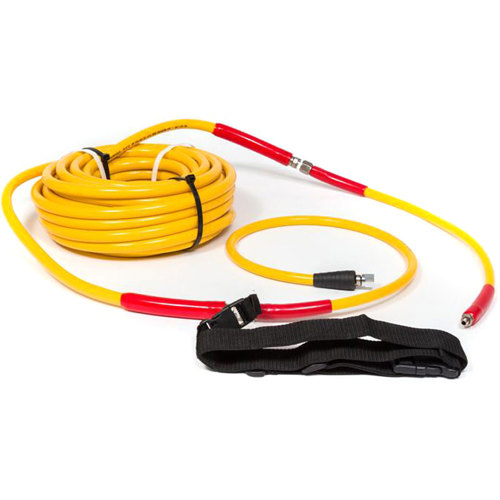
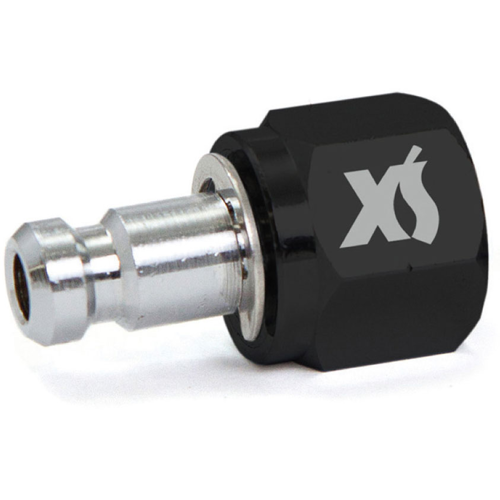
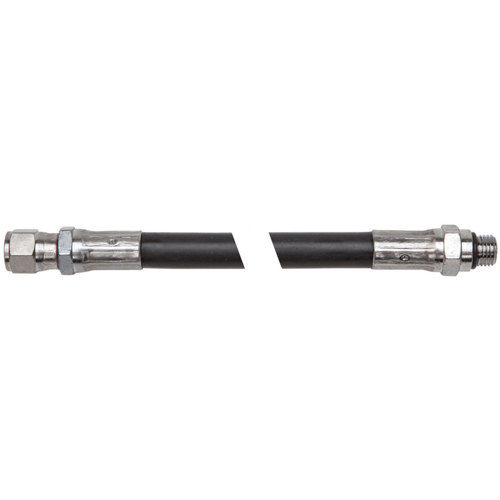
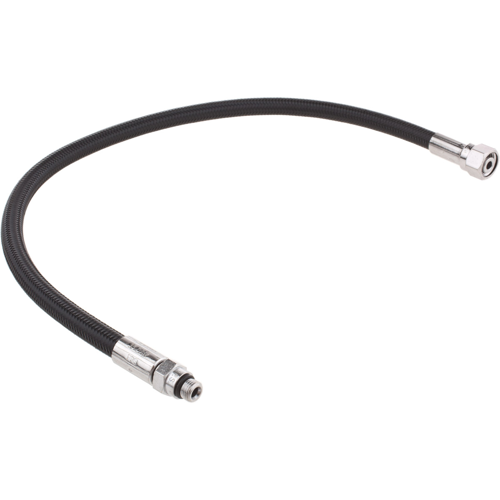
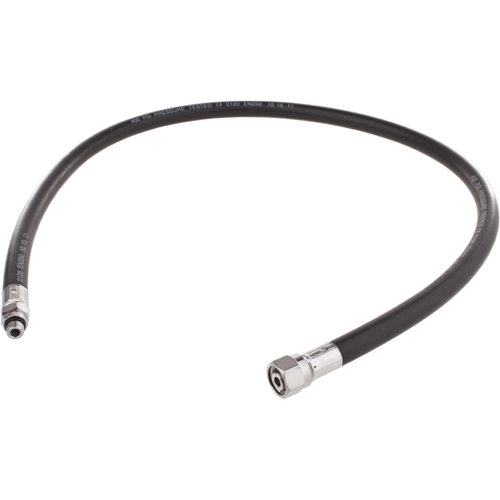
Selecting the appropriate scuba hoses for September diving involves more than just checking lengths and fittings. The shift in season can bring unique considerations: cooler water may prompt the use of drysuits, which require dedicated inflator hoses; travel plans might mean you’re looking for lightweight, compact options that pack easily; and the desire for streamlined gear becomes more pronounced as you anticipate longer, more exploratory dives. Braided hoses, for example, are popular for their flexibility and kink resistance, making them ideal for both travel and reducing jaw fatigue during extended use. If you’re outfitting an octopus or backup regulator, a brightly colored, standard-length hose not only meets safety recommendations but also offers peace of mind for both you and your dive buddy. High-pressure hoses, which connect to your pressure gauge or computer, must be robust enough to withstand repeated use and exposure to varying temperatures, while still allowing for easy routing and minimal drag. For those who value a low-profile configuration, modern hose designs can help reduce entanglement risks and improve overall hydrodynamics, especially when navigating kelp forests or intricate wrecks that are common dive sites in the fall.
Scuba hoses also make thoughtful gifts for the divers in your life, especially as the diving community looks ahead to a new season of exploration. Gifting a high-quality hose—whether for a regulator, octopus, BCD, or drysuit—in September is a practical gesture that shows you care about the recipient’s safety and comfort. Many experienced divers keep a spare hose or two in their save-a-dive kit, knowing that a quick replacement can mean the difference between a successful dive and a missed opportunity. As you prepare for September excursions, consider how your hoses interact with other essential gear, such as harnesses and weight systems. For those planning more technical or cold-water dives, integrating your hose choices with supportive equipment like
Scuba Harnesses for September Dive Trips can enhance stability and ease of movement underwater. Ultimately, investing in the right scuba hoses is about more than just gear maintenance—it’s about setting yourself up for memorable, worry-free dives as the seasons change and new underwater adventures await.