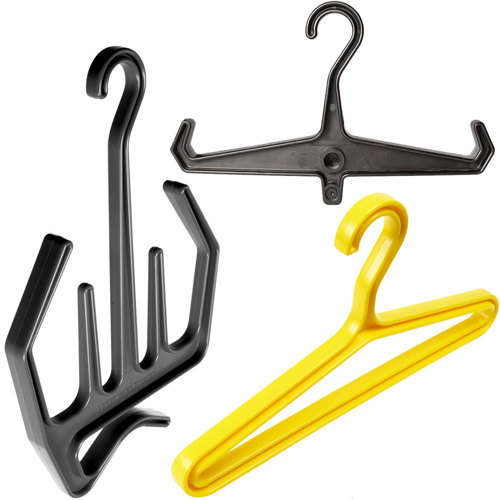
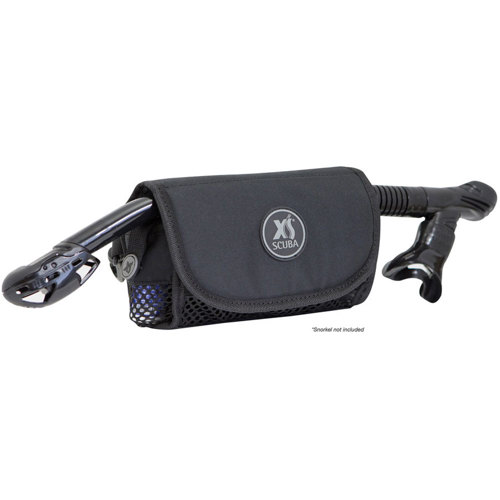
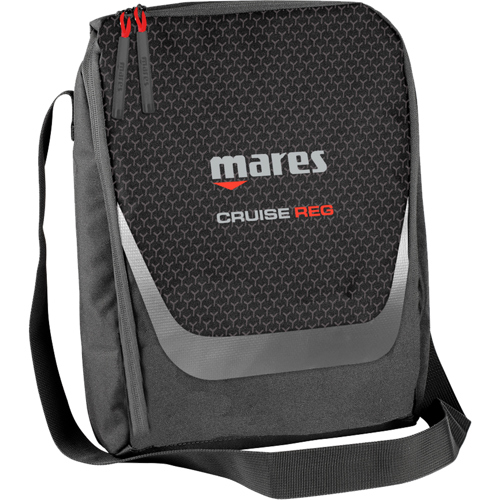
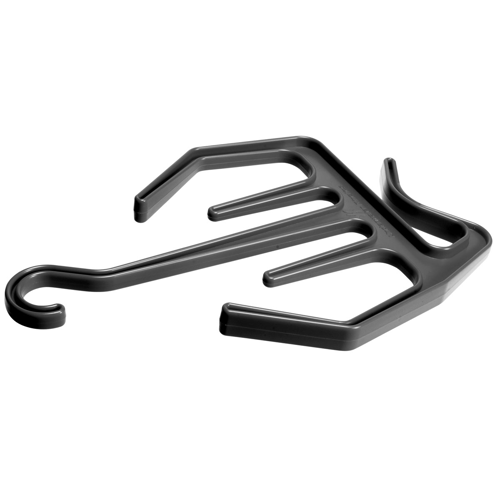
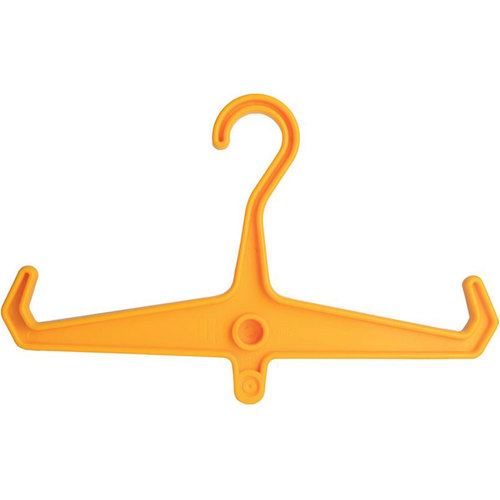
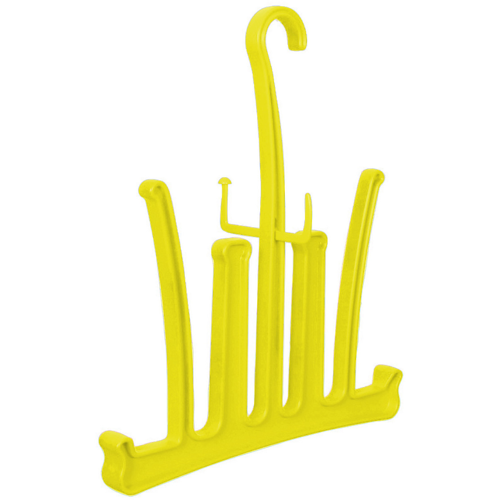
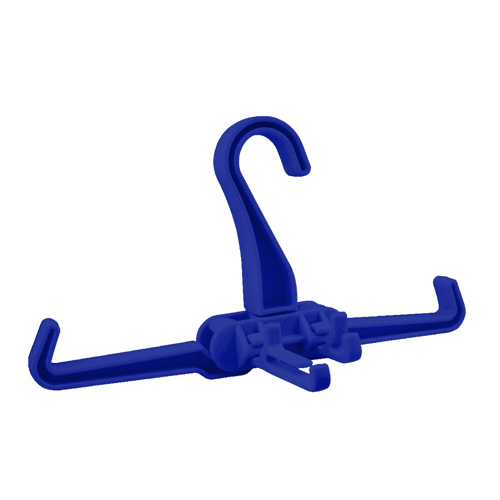
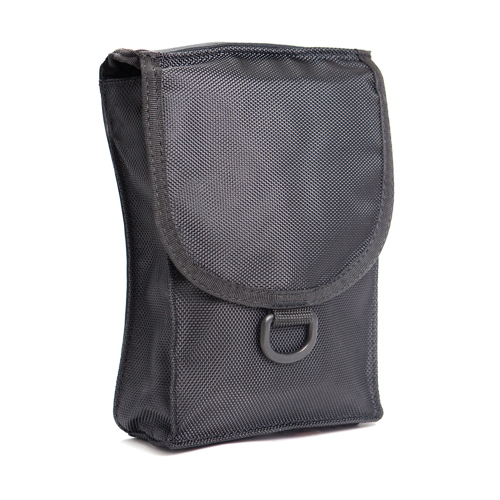
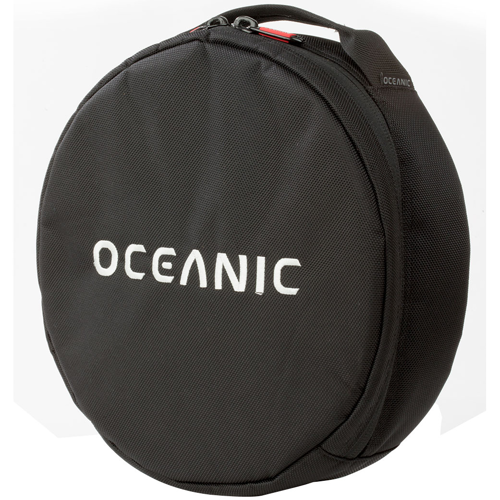
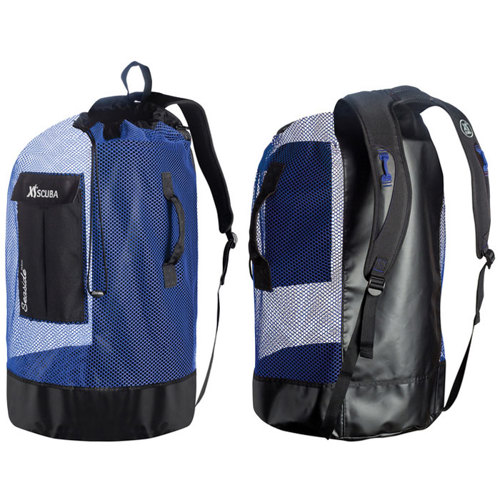
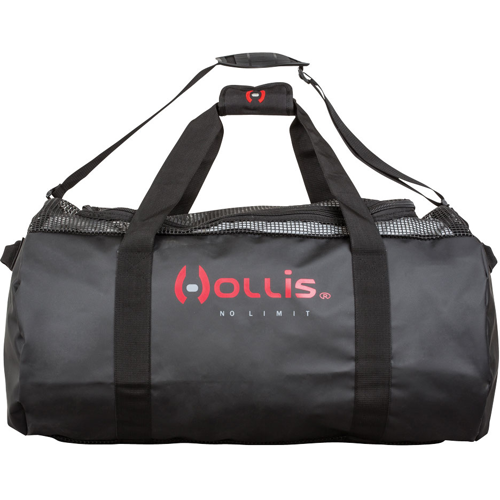
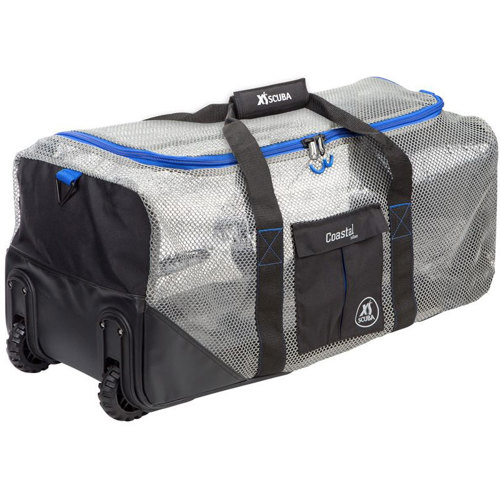
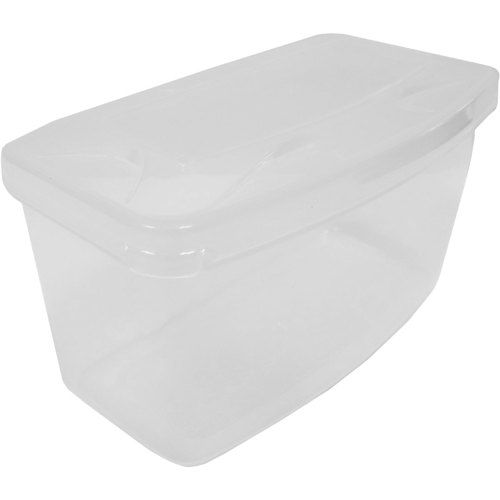
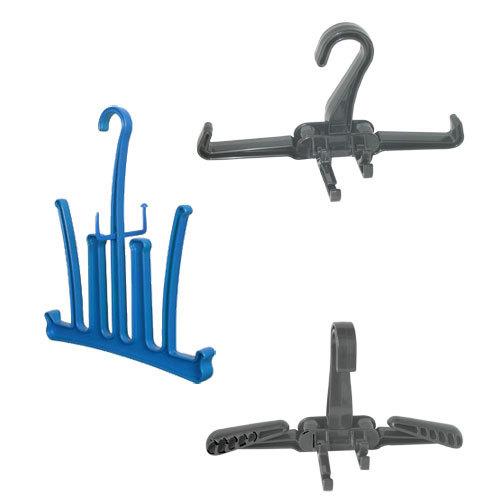
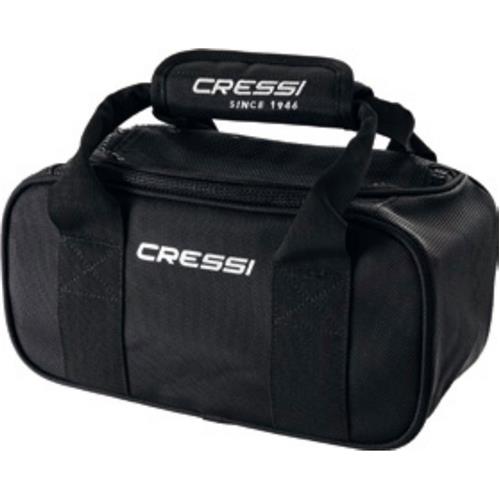
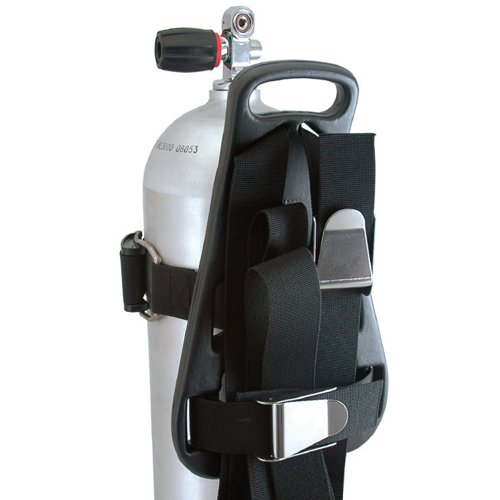
Storing scuba equipment properly is a crucial part of maintaining its performance, longevity, and your safety on every dive. Whether you’re a seasoned diver with an impressive collection of gear or just starting out with your first setup, understanding how to store scuba gear can make all the difference. After a day exploring reefs or shipwrecks, it’s tempting to toss your equipment in a corner or leave it in the trunk, but salt, sand, and moisture can quickly take a toll. The best practice is to thoroughly rinse all gear with fresh water, paying special attention to crevices in regulators, BCDs, and masks, then allow everything to dry completely in a shaded, well-ventilated area. Sunlight and heat are the enemies of neoprene and rubber, causing them to degrade faster, so avoid drying or storing gear in direct sunlight or in hot, humid spaces like attics or garages. Home dive gear storage solutions come in all shapes and sizes, from sturdy gear racks and ventilated bins to hanging systems designed for wetsuits and BCDs. Many divers dedicate a closet or a corner of the garage to organize their equipment, ensuring each piece has its place and can air out between adventures. For those with limited space or who travel often, compact storage bags, mesh duffels, and even “maletines para cuba” (specialized cases for transporting dive equipment) help keep your setup contained and protected, whether you’re headed to a local dive site or jetting off to tropical waters.
Dive gear storage is about more than just organization; it’s about preserving your investment and ensuring your gear is ready when the next opportunity arises. As the weather warms and dive season ramps up, having a dedicated system for storing and transporting your equipment can make spontaneous trips and weekend getaways much easier. Families with young snorkelers, couples who dive together, and solo adventurers alike benefit from proper storage solutions. Gear bags with separate, ventilated compartments help keep wet and dry items apart, while heavy-duty hangers and racks prevent wetsuits and BCDs from developing creases or mildew. For those who dive year-round or live in areas with fluctuating temperatures, climate-controlled storage spaces or indoor closets are ideal for protecting sensitive materials from extreme heat or cold. If you’re searching for a thoughtful gift for a diver—perhaps for a birthday, graduation, or just to celebrate a new certification—quality scuba gear storage accessories are always appreciated. They’re practical, durable, and help make every dive day more enjoyable. And don’t overlook the importance of storing weights safely and securely; for tips and specialized options, check out our dedicated
Scuba Weight Storage page.
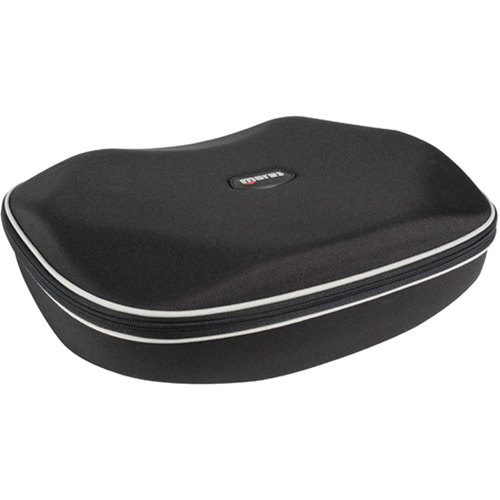
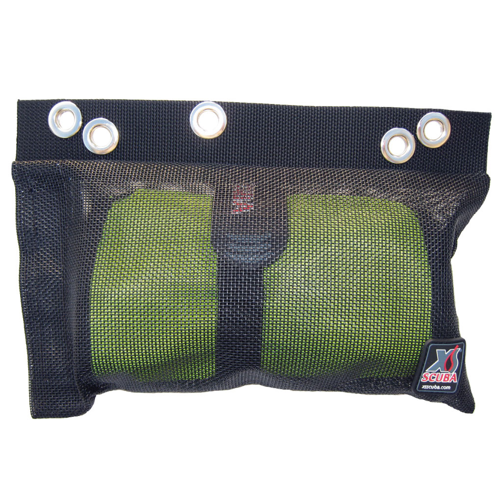
No matter your experience level, investing time in learning how to store scuba gear pays off in peace of mind and reliable performance. After rinsing and drying, regulators are best kept in padded bags or hung with hoses loosely coiled to avoid kinks, while masks and snorkels should be stored in protective cases to prevent scratches and deformation. Cylinders require special attention: store them upright in a cool, dry place with a small amount of pressure inside to prevent internal moisture buildup. Mesh bags are invaluable for breathability, especially when transporting damp gear home after a dive. Over the years, many divers develop their own routines—some label bins for each family member, while others install wall-mounted racks for fins and boots. The key is to keep gear clean, dry, and out of direct sunlight, ensuring it’s always ready for that next adventure, whether it’s a spontaneous shore dive or a long-awaited vacation. With the right dive gear storage solutions, you can protect your equipment, streamline your packing, and focus on what matters most: enjoying the underwater world, season after season.