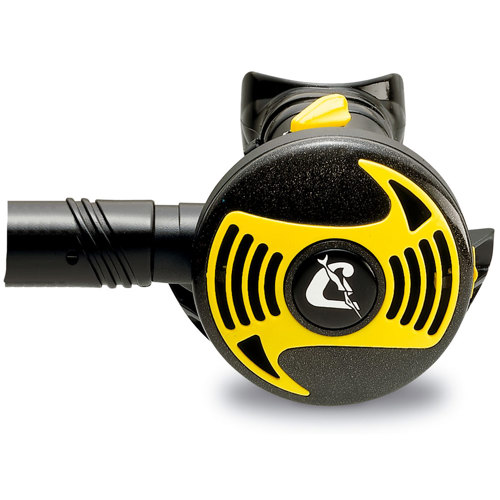
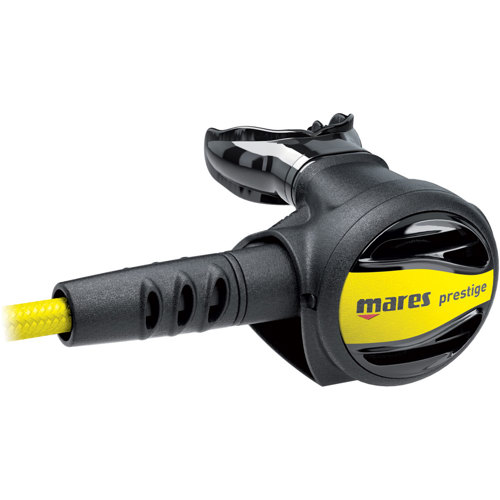
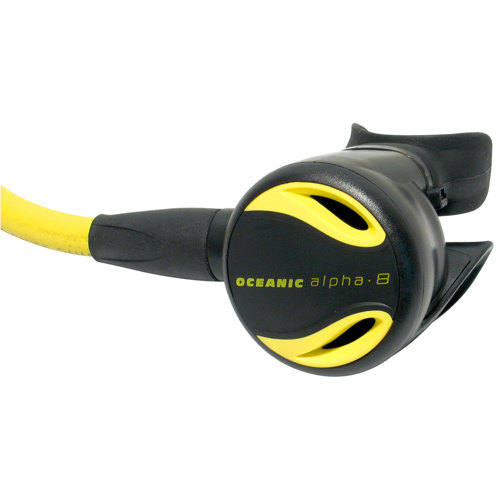
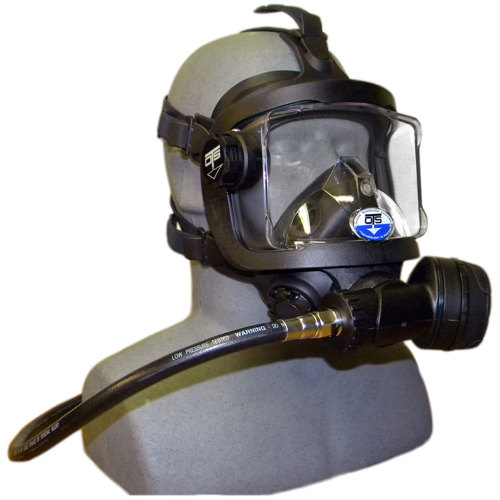
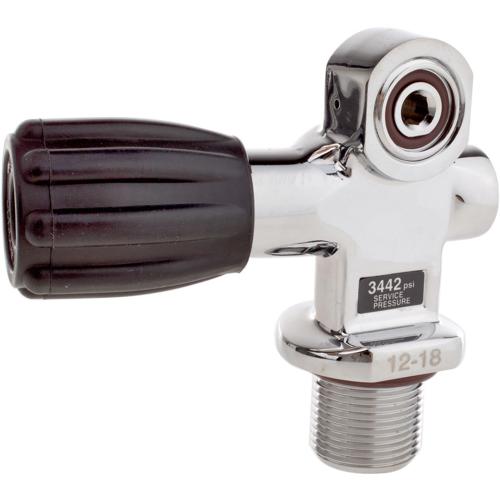
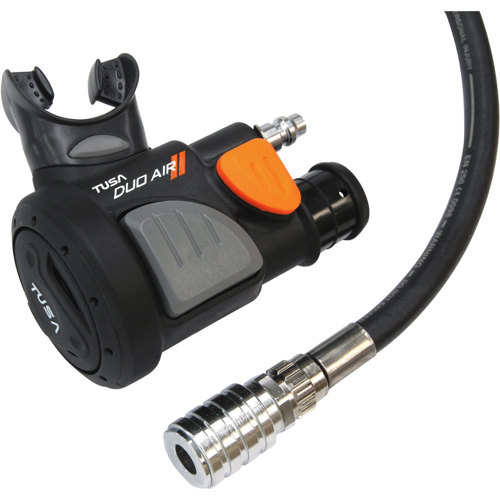
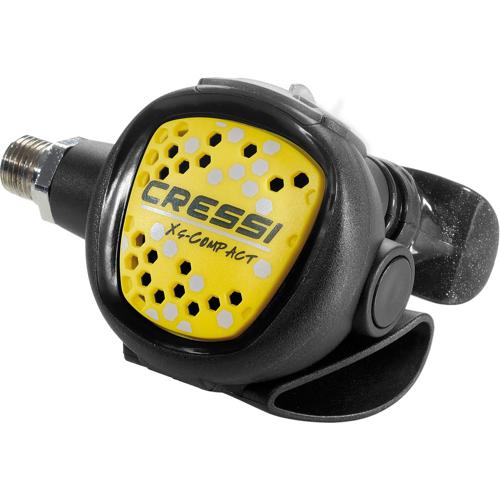
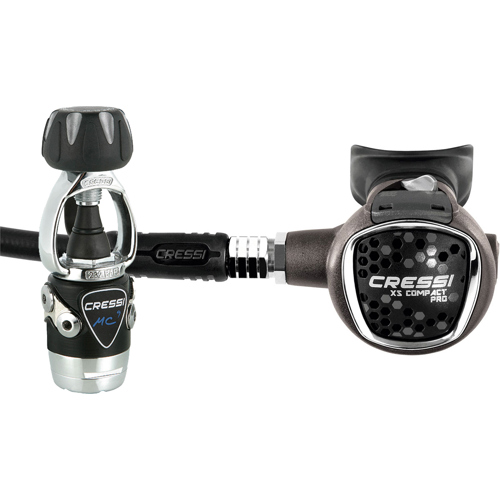
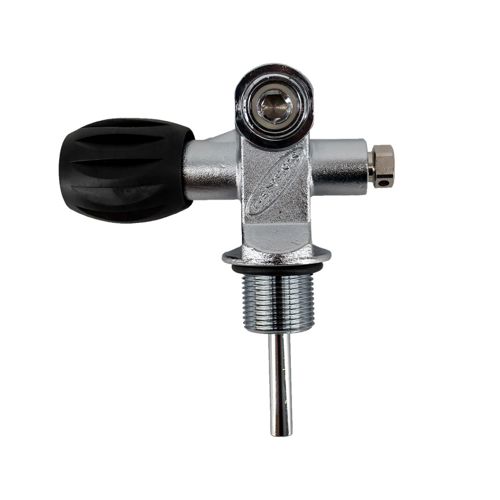
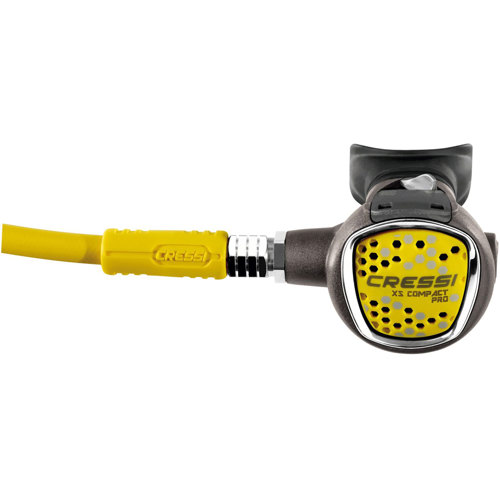
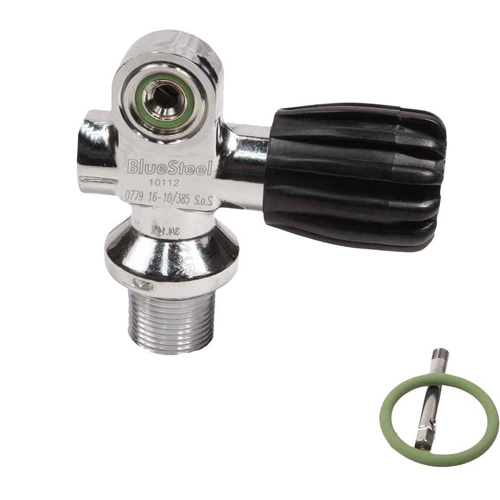
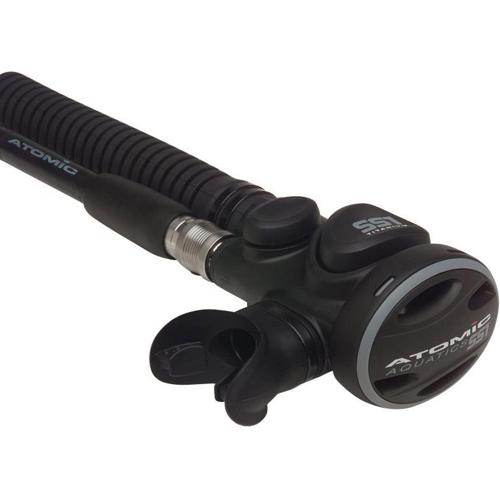
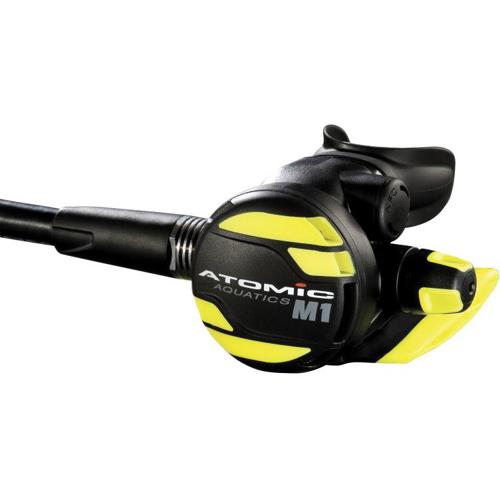
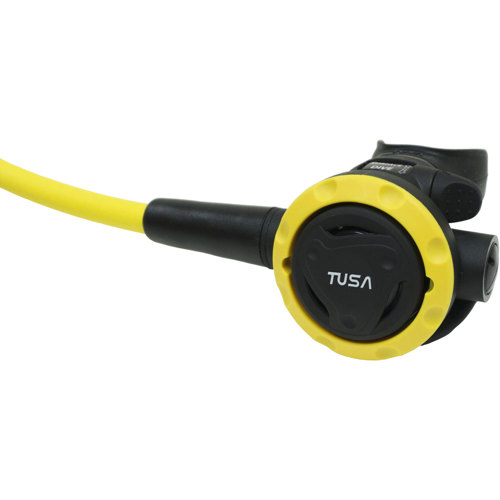
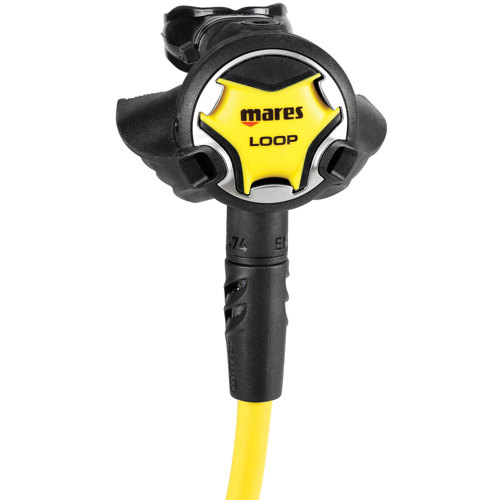
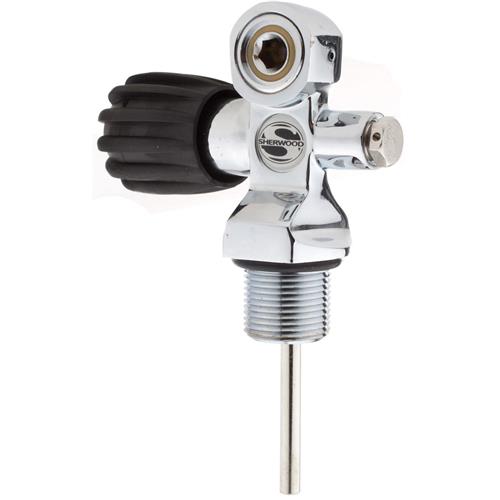
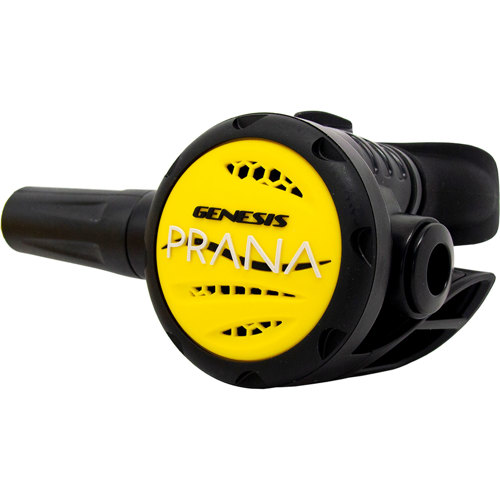
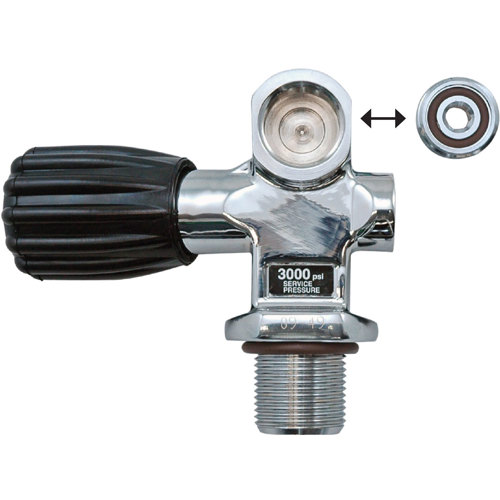
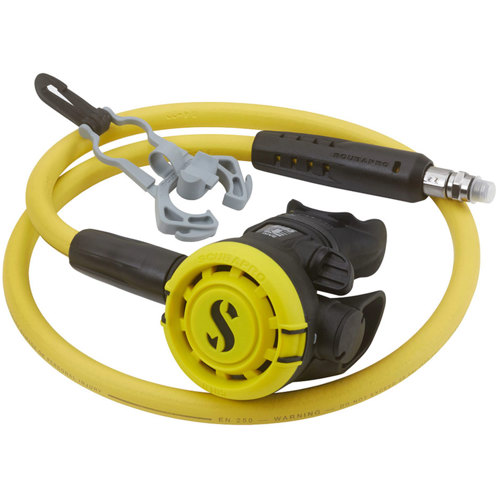
Selecting the right scuba demand valve is a crucial step for any diver, whether you’re a seasoned technical explorer or just beginning your underwater journey. As the heart of your breathing system, the demand valve—sometimes called a breathing valve for diving—regulates the air you inhale from your tank, responding instantly and precisely to your breath. Inside, a flexible diaphragm detects the slightest drop in pressure when you inhale, engaging the demand lever and opening the valve to deliver air exactly when you need it. The exhaust valve ensures that exhaled air is efficiently vented without letting water back in, while features like the purge button let you clear water from the valve with a simple press. For those who dive in colder waters, environmental sealing is a must-have feature, protecting the internal components from freezing and ensuring smooth, uninterrupted air flow even during winter or early spring dives. Balanced demand valves are often favored for their ability to deliver consistent, effortless breathing at any depth or tank pressure, making them a popular choice among divers who venture deep or stay submerged for extended periods. Unbalanced models, on the other hand, offer simplicity and reliability, often at a more accessible price point, though breathing resistance may increase as your tank empties.
Comfort is another essential consideration, especially for divers planning long days in the water. Ergonomic mouthpieces help to reduce jaw fatigue, a detail you’ll appreciate after hours of exploration along vibrant reefs or while hovering over a shipwreck. The adjustment knob on many demand valves lets you fine-tune airflow resistance, allowing you to adapt to changing conditions and personal preferences as you descend. If you’ve ever experienced a free-flow—a sudden, uncontrolled rush of air—it’s often due to high intermediate pressure or an overly sensitive valve; a well-designed demand valve minimizes this risk, keeping your breathing smooth and predictable. Wet breathing, where water seeps into the valve, is typically a sign of a worn diaphragm or a faulty exhaust valve, both of which are easy to check and replace with regular maintenance. For those who dive frequently or in challenging environments, investing in a robust, environmentally sealed demand valve can make all the difference between a comfortable, enjoyable experience and a frustrating one. Spring and summer are especially popular times for gifting scuba gear, and a quality demand valve makes a thoughtful present for the diver in your life—whether they’re gearing up for a tropical vacation or preparing for advanced certification.
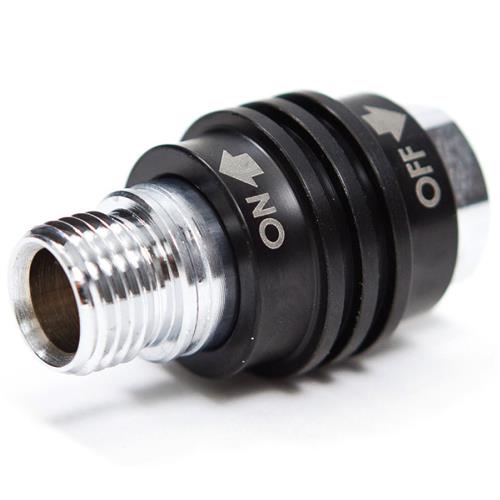
Beyond demand valves, your overall regulator setup may include other essential components such as inflator valves, which connect your breathing system to your buoyancy control device. If you’re in the process of upgrading or maintaining your gear, consider exploring our curated selection of
Scuba Inflator Valves to ensure every aspect of your dive is supported by reliable, high-performance equipment. Whether you’re planning drift dives along colorful coral walls, exploring kelp forests, or simply enjoying the tranquility of a local quarry, the right breathing valve for diving can transform your underwater experience. With attention to features like balanced mechanisms, environmental sealing, and ergonomic design, you’ll be ready to breathe easy and focus on the wonders that await beneath the surface.