Salvage Equipment For Scuba Divers
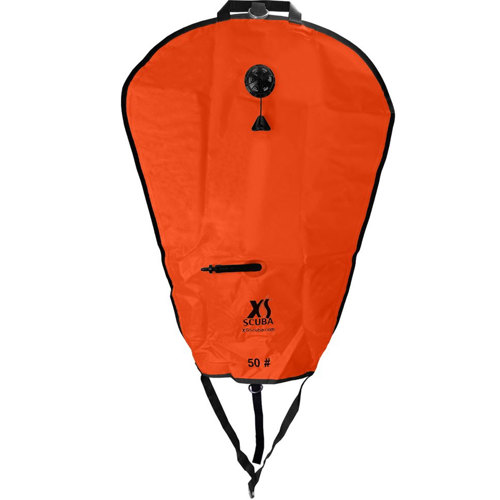
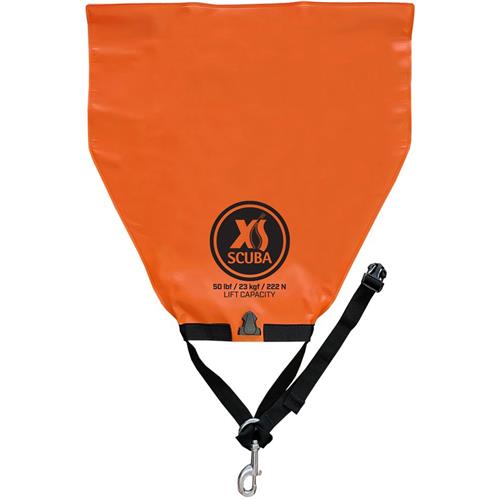
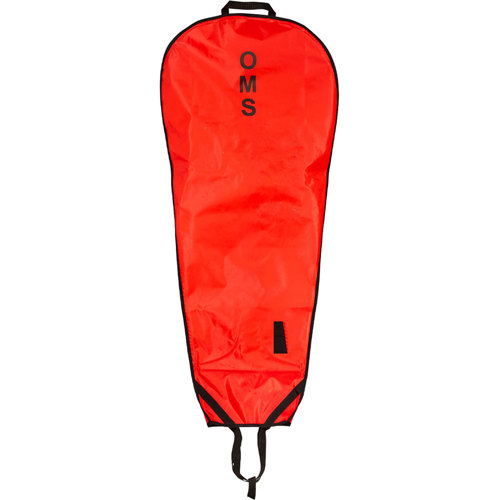
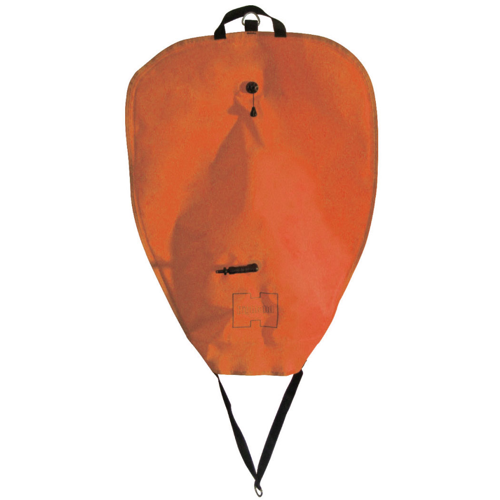
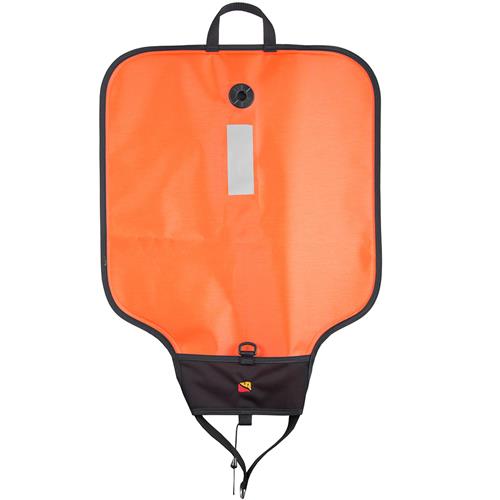
Salvage diving stands apart from recreational scuba pursuits, demanding a unique blend of skill, preparation, and specialized equipment. Whether you’re a commercial diver tasked with recovering heavy machinery, a search and recovery specialist looking for lost valuables, or an adventurous hobbyist drawn to the mysteries of submerged artifacts, the right salvage equipment can make all the difference in both safety and success. As the weather warms and water conditions become more inviting, salvage operations often increase in frequency, with divers taking advantage of longer daylight hours and improved visibility. During these active months, robust gear such as lift bags, rigging tools, and underwater cutting implements are indispensable. Lift bags, available in a range of buoyancy capacities, enable divers to raise objects from the seabed with precision, while heavy-duty shackles, slings, and harnesses ensure secure attachment and controlled ascents. For those working in environments with poor visibility or challenging currents, full-face masks and surface-supplied air systems offer enhanced safety, communication, and comfort, allowing for extended bottom times and more efficient task completion.
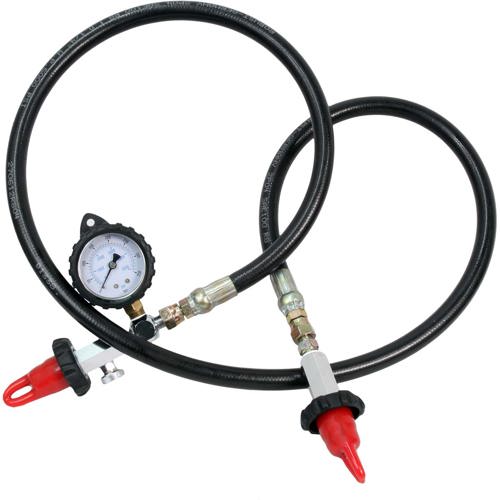
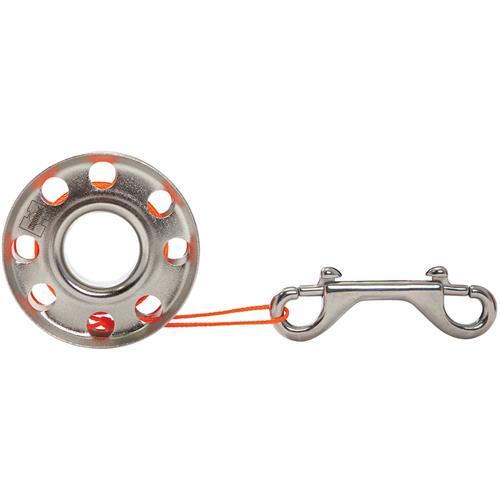
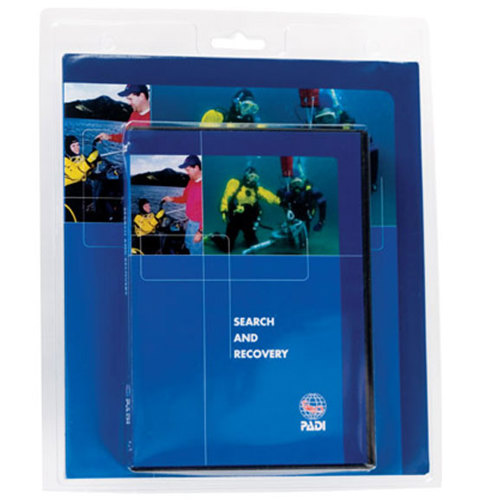
Selecting salvage equipment isn’t just about brute strength; it requires careful consideration of the object’s size, weight, and depth, as well as the specific conditions of the dive site. Divers may need to invest in commercial-grade hydraulic tools for cutting through debris or entangled wreckage, or opt for lightweight, portable solutions for smaller-scale recoveries. Search and recovery aids such as underwater metal detectors, marker buoys, and reels are invaluable for pinpointing lost anchors, tools, or historical artifacts, especially in silty or cluttered environments. For those seeking to upgrade or replace gear, the early summer through early fall window is an ideal time to assess equipment needs, ensuring everything from lift bags to hoses is in top condition before heading out. Salvage equipment also makes thoughtful gifts for experienced divers or those pursuing advanced certifications, offering both practicality and the promise of new underwater adventures. For those interested in optimizing their setup, exploring high-quality hoses designed for rugged salvage environments can be a game-changer; discover more about this essential component by visiting
Scuba Hoses For Salvage Diving. Whether you’re gearing up for a professional operation or preparing for a rewarding search and recovery dive, investing in reliable salvage equipment ensures you’re ready to meet the challenges and excitement that await beneath the surface.