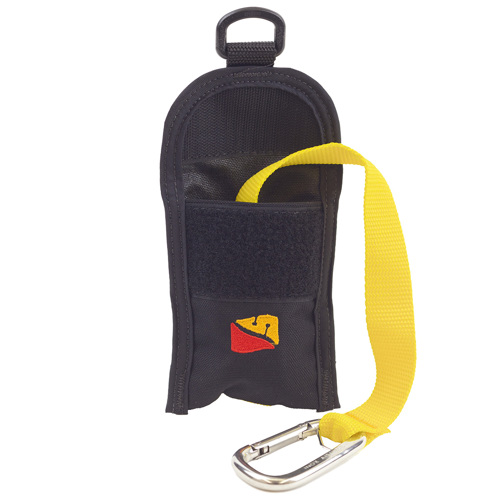
Rip Cord Systems
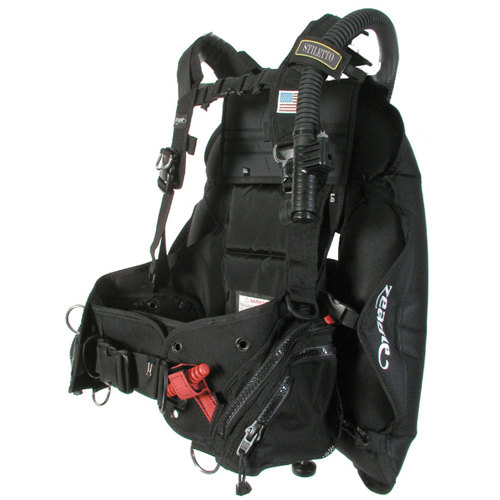
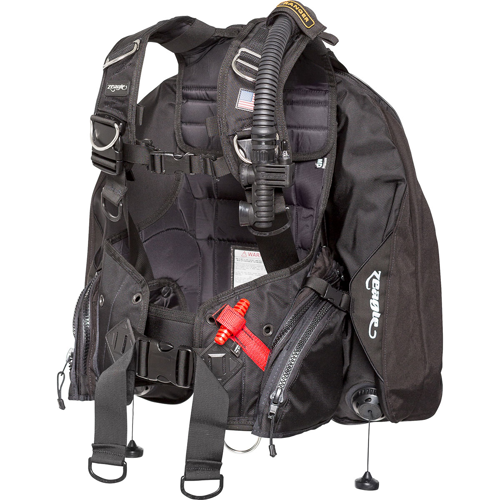
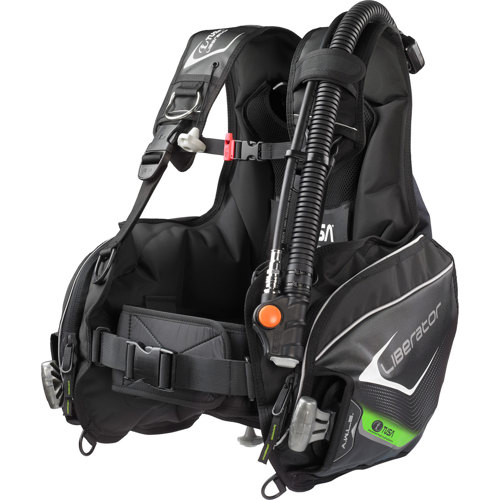
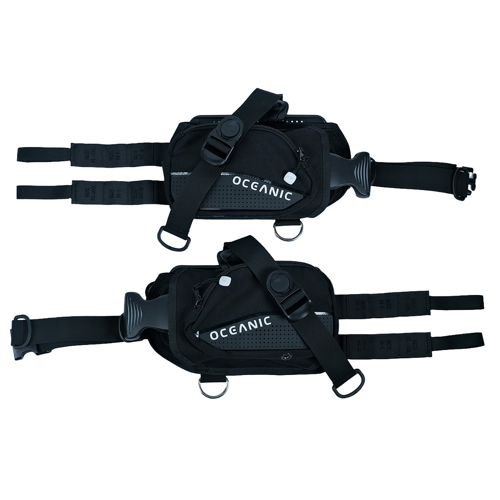
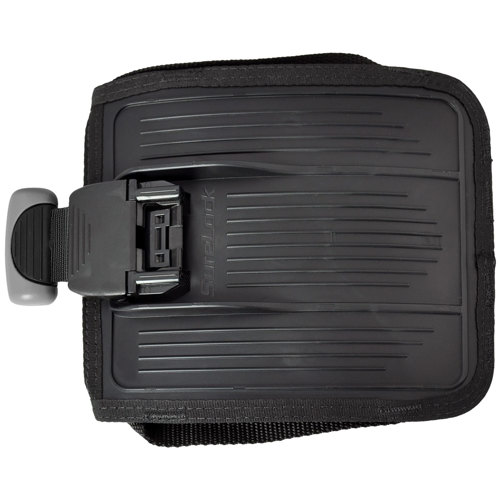
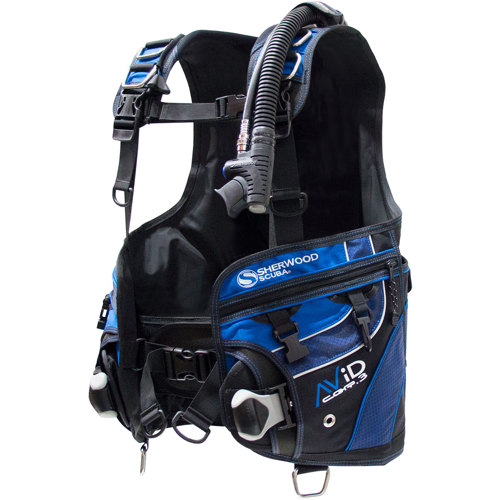
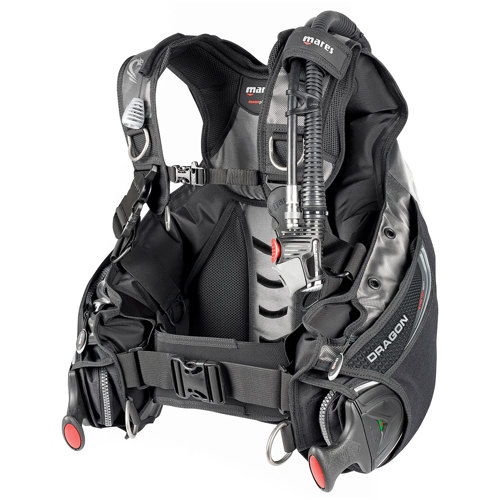
Rip cord systems are a vital safety feature in the world of scuba diving, particularly when it comes to buoyancy control devices (BCDs) that use integrated weight systems. These mechanisms are engineered to provide divers with a quick and reliable way to release weights in an emergency, allowing for rapid ascent to the surface if needed. The design typically involves a single-pull handle or cord that, when engaged, instantly drops the weights from the BCD, freeing the diver from unnecessary ballast. This function becomes especially crucial in situations where a diver may be struggling with buoyancy at depth or needs to shed weight quickly to respond to unexpected currents or entanglement. As spring approaches and diving conditions improve in many regions, more divers are preparing their gear for the season, making it an ideal time to inspect or upgrade these critical safety systems. Whether you’re a seasoned diver prepping for a liveaboard trip or a beginner gearing up for your first open water adventure, understanding the nuances of rip cord systems can make a significant difference in your underwater safety and confidence.
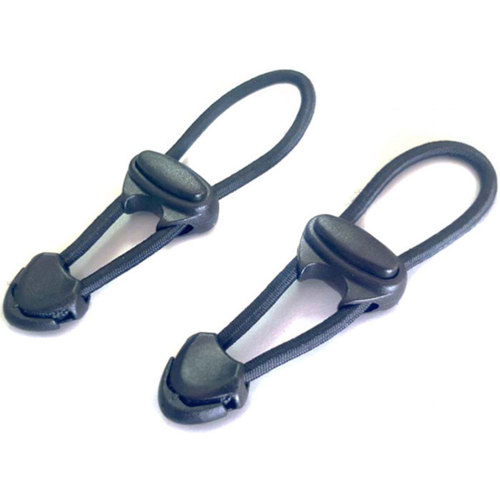
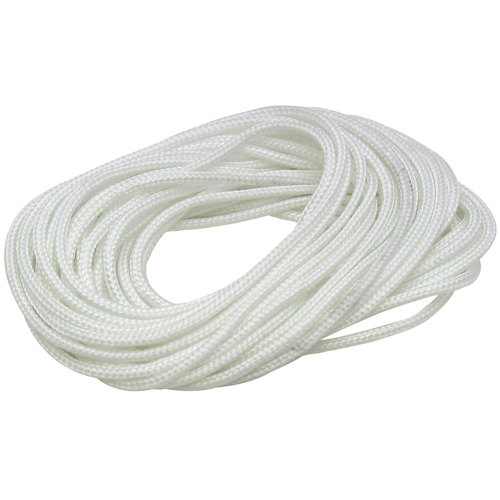
When considering the purchase of a rip cord system, there are several factors to keep in mind. First, compatibility is key—ensure the system matches your BCD model and is installed correctly according to manufacturer guidelines. Some systems are modular and can be retrofitted, while others are designed as integral parts of specific BCDs. Ease of use is another crucial aspect; look for designs that allow for one-handed operation, as dexterity can be limited in cold water or stressful situations. Durability also matters, as repeated exposure to saltwater and sun can degrade materials over time. Many divers appreciate systems that feature corrosion-resistant hardware, reinforced stitching, and intuitive rethreading procedures for post-use maintenance. If you’re shopping for a diver in your life, rip cord systems can be a thoughtful and practical gift, especially for those who value safety or are upgrading their equipment for more challenging dives. Instructors and rescue divers, in particular, benefit from the reliability and swift deployment these systems provide, while recreational divers gain peace of mind knowing they’re prepared for the unexpected.
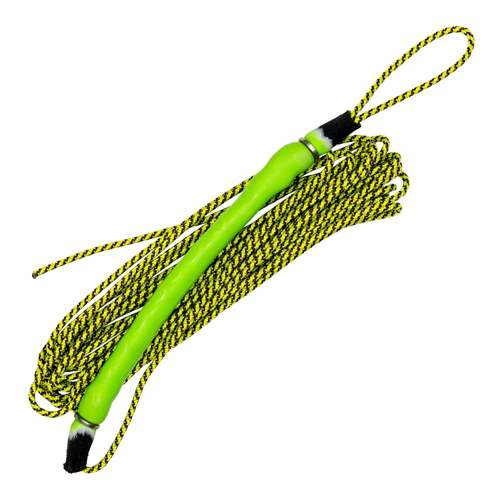
Beyond scuba, rip cord mechanisms have found their place in other water sports and even in spearfishing, where safety and quick equipment release are equally important. For those interested in underwater hunting, pairing a reliable rip cord system with sturdy recoil cords can enhance both efficiency and safety. If your diving adventures extend to freediving or spearfishing, you might want to explore specialized accessories such as
Speargun Recoil Cords, which are designed to absorb the shock of firing and help manage equipment during rapid movement underwater. As you prepare your gear for the upcoming months—whether for local shore dives, boat excursions, or travel to tropical destinations—taking the time to review and invest in quality rip cord systems ensures that safety remains at the forefront of every dive. The right equipment not only supports your underwater performance but also offers peace of mind, allowing you to focus on exploring and enjoying the vibrant marine world beneath the surface.