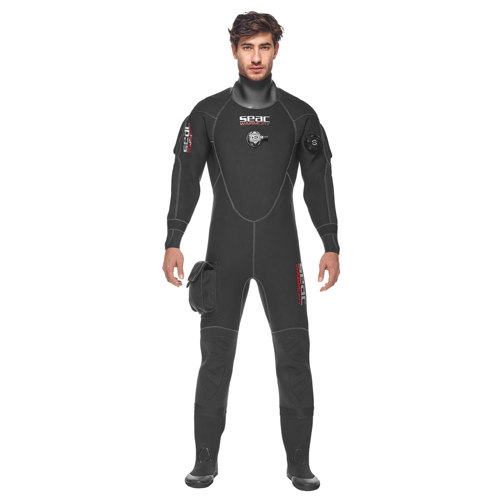
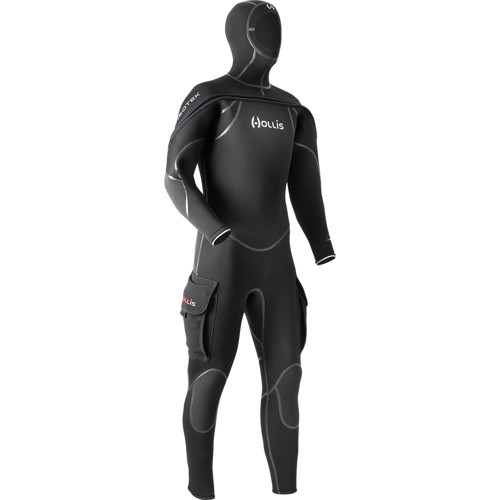
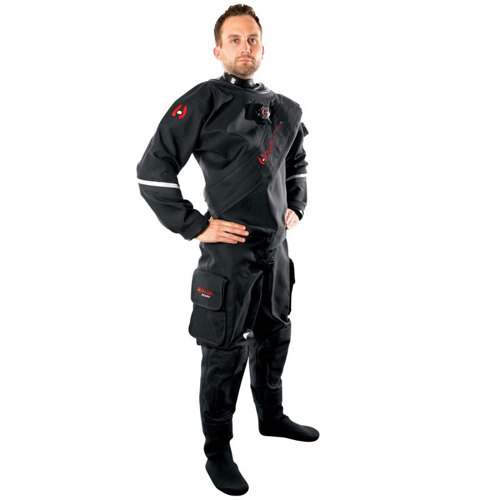
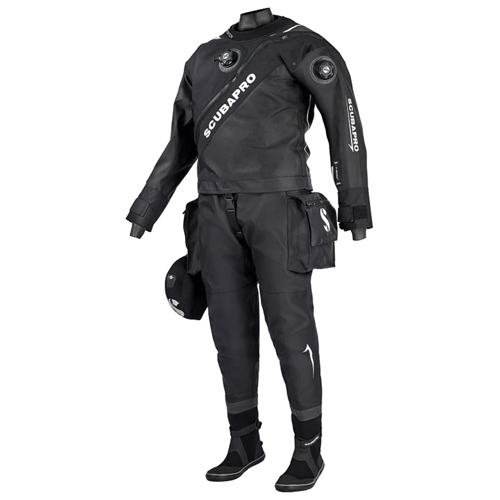
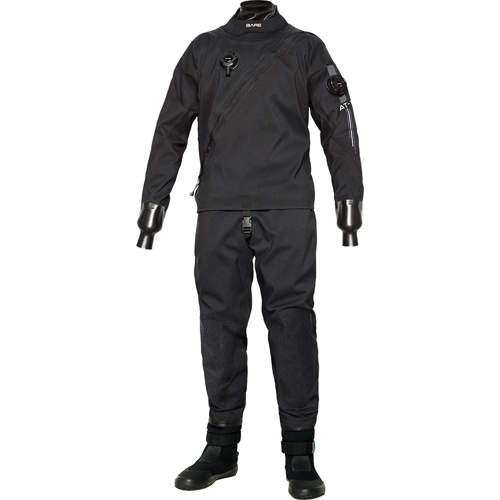
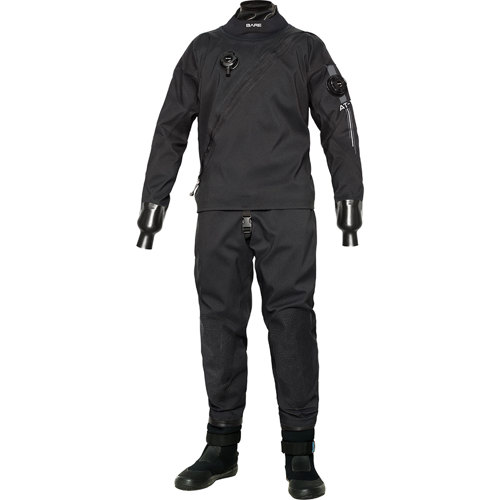
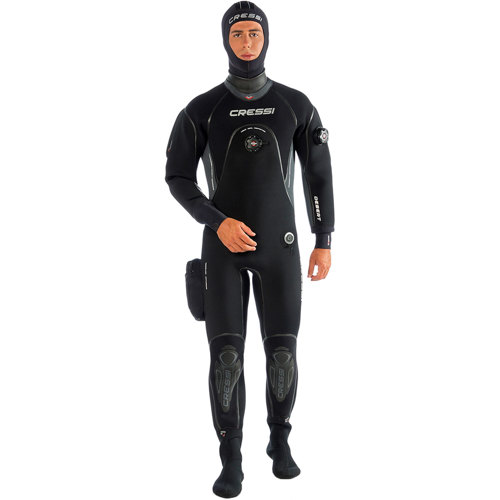
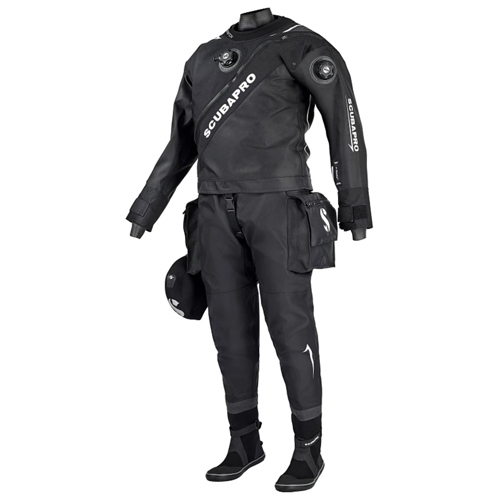
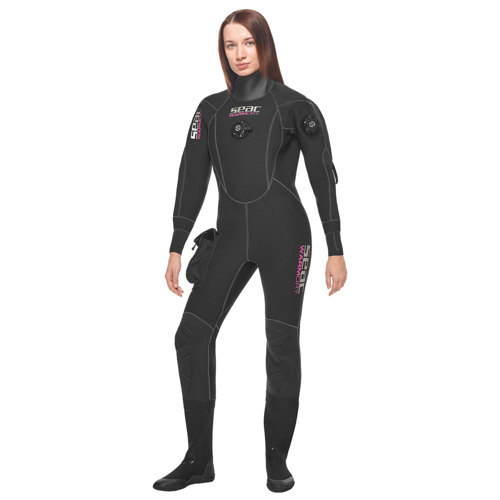
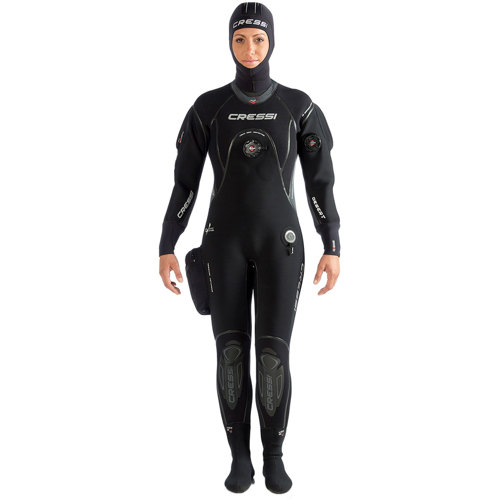
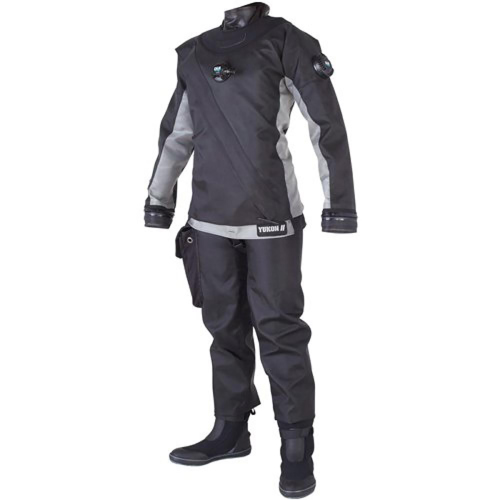
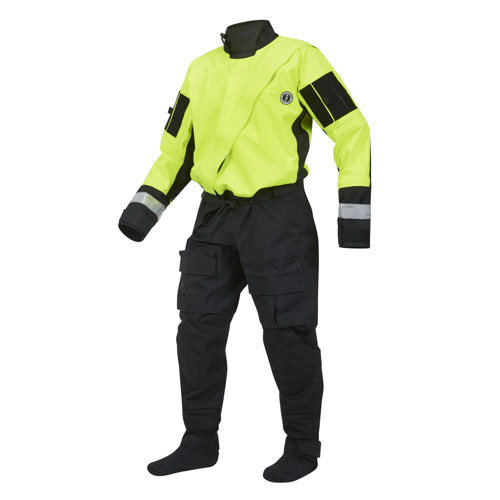
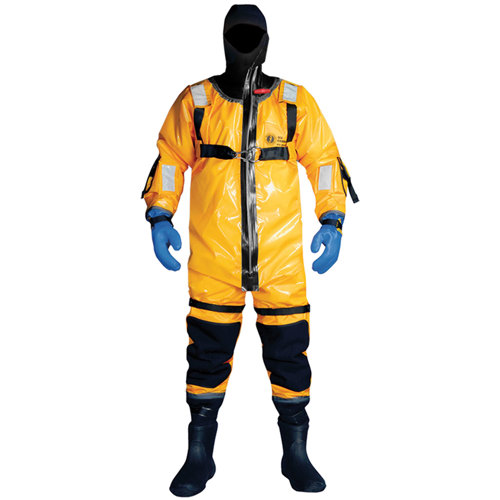
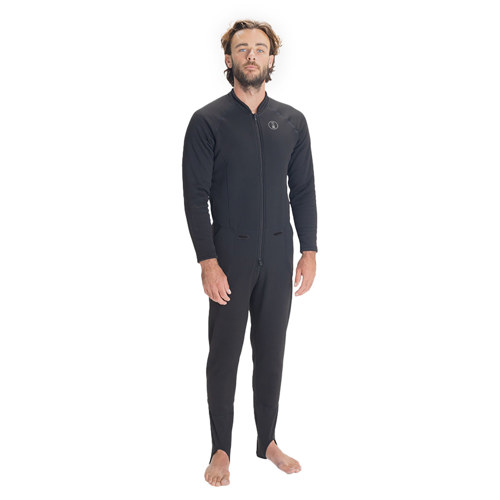
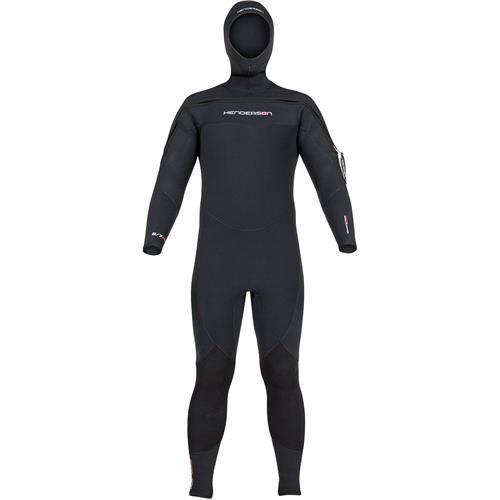
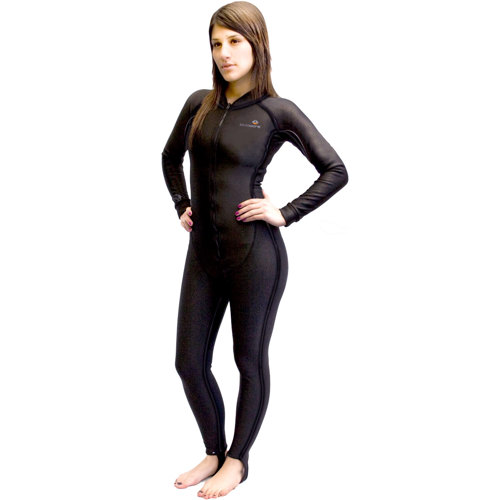
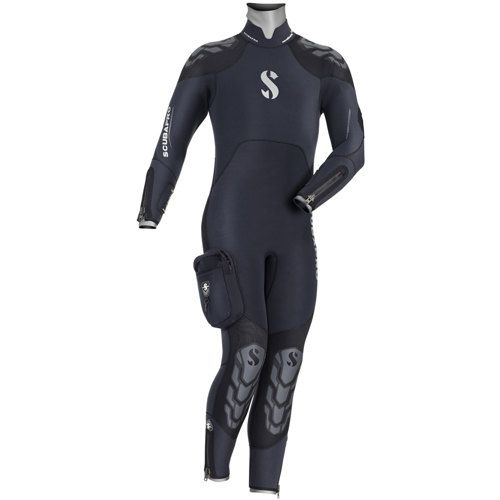
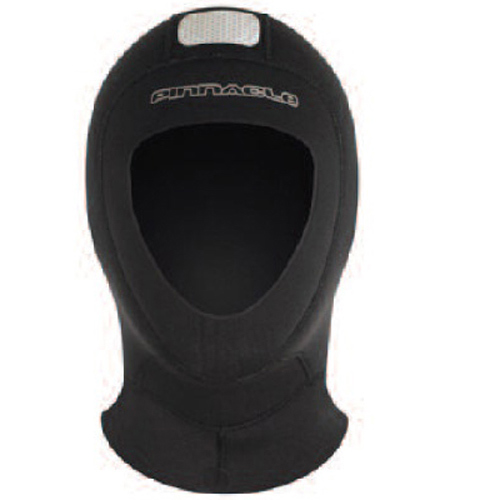
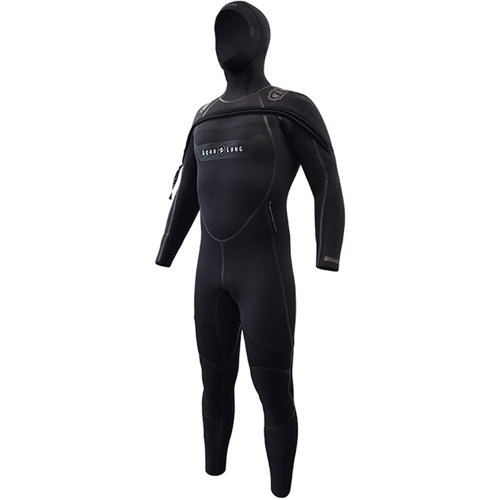
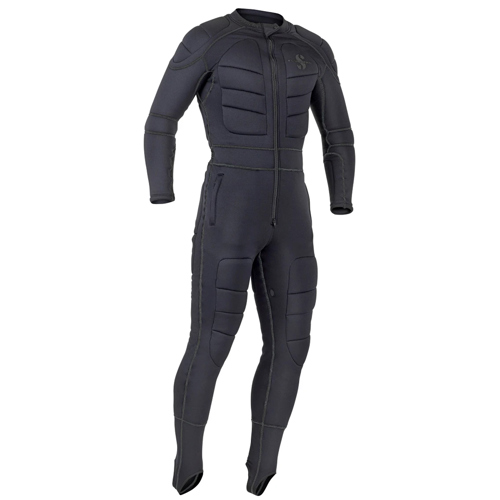
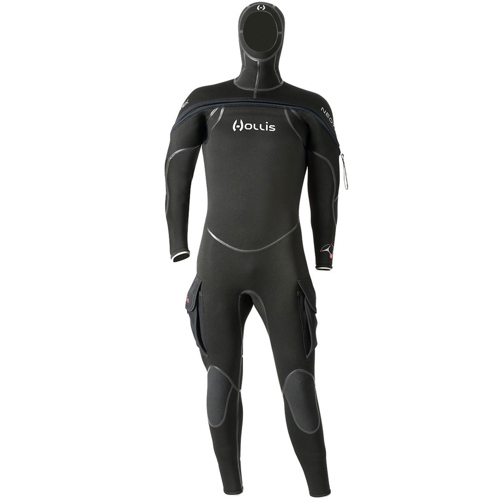
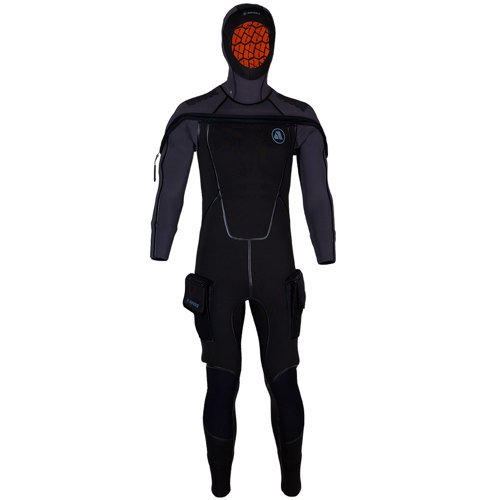
For divers, water rescue professionals, and anyone working in or around cold, unpredictable waters, choosing the right professional drysuit is a decision that goes far beyond comfort—it's about safety, reliability, and meeting the demands of challenging environments. As the spring transitions into summer, water temperatures in many regions remain stubbornly cold below the surface, making thermal protection essential for extended dives, search and rescue operations, and technical expeditions. Professional drysuits are engineered to provide a watertight barrier that keeps the wearer dry while allowing for the layering of thermal undergarments, ensuring warmth even in frigid, turbulent conditions. Whether you are a commercial diver inspecting underwater infrastructure, a member of a public safety team responding to emergencies, or a seasoned technical diver exploring deep wrecks and caves, these suits are built for durability, longevity, and adaptability. Many professional-grade drysuits feature robust trilaminate or vulcanized rubber construction, abrasion-resistant panels, and high-visibility details—vital for those working in low-light or contaminated environments. Features like telescoping torsos, diagonal front zippers for self-donning, and replaceable neck and wrist seals (often silicone for quick field repairs) are more than conveniences; they’re essential for operational flexibility and minimizing downtime during critical missions. When you’re gearing up for the best drysuits for professional divers, consider not only the material and fit but also the specific needs of your discipline, whether that’s technical diving, public safety, or even a specialized pursuit like using a uscg dry suit for compliance with coast guard standards.
Professional drysuits are also increasingly found outside traditional diving circles. Anglers seeking a dry suit for fishing during early morning launches or late-season trips know the value of staying dry and warm, especially when wading into icy rivers or braving sudden downpours. Similarly, the kitesurf drysuit has become a staple for athletes who refuse to let cold water or biting winds cut their sessions short. These suits are designed to offer maximum mobility, reinforced seams, and secure closures to keep out spray and ensure comfort during high-energy pursuits. For those in emergency response, such as teams involved in emergency wear muscle shoals operations, a reliable drysuit can be the difference between a successful rescue and a hazardous situation. The ability to make quick repairs on the fly, thanks to modular seals and robust zippers, means responders can remain mission-ready without significant downtime. And because proper fit is critical for both safety and comfort, many manufacturers now offer custom sizing and a range of configurations, allowing professionals to select suits with high-capacity pockets, integrated boots, and other task-specific features. The longevity of a professional drysuit—often 5 to 15 years with diligent maintenance—makes it a sound investment for anyone who relies on performance and protection in extreme conditions.
For those exploring their options, it’s worth considering the full spectrum of materials and technologies available. While trilaminate and vulcanized rubber suits dominate the professional space for their durability and resistance to abrasion, some users may find neoprene suits offer additional insulation and comfort, particularly for recreational or crossover activities. Maintenance is an ongoing commitment; regular inspection and timely replacement of seals, zippers, and valves are essential to ensure the suit’s integrity and performance. For those seeking even more specialized solutions, such as chemical resistance or enhanced mobility, exploring categories like
Pu Drysuits can open up new possibilities tailored to unique operational requirements. Whether you’re gifting a new suit to a dedicated diver or upgrading your own kit for the season ahead, professional drysuits represent a blend of advanced engineering, practical features, and real-world resilience—qualities that stand up to the rigors of both work and adventure beneath the surface.