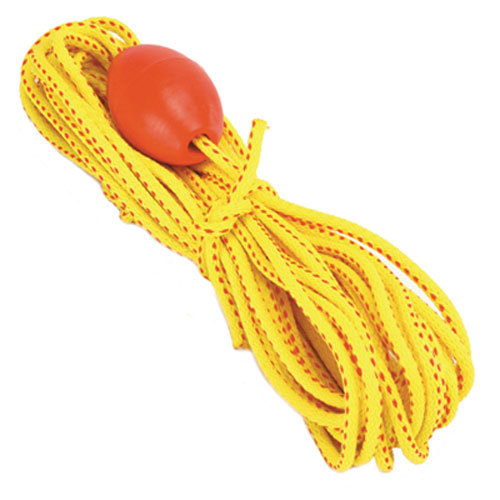
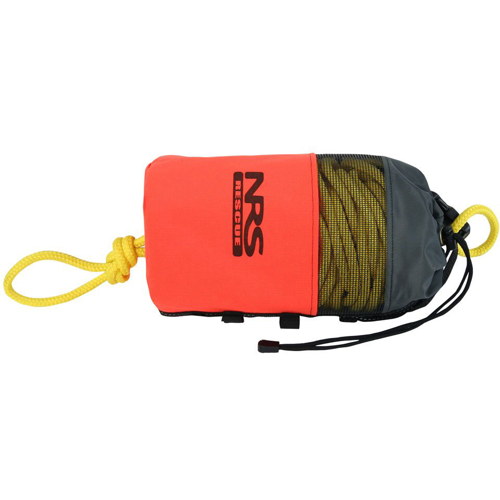
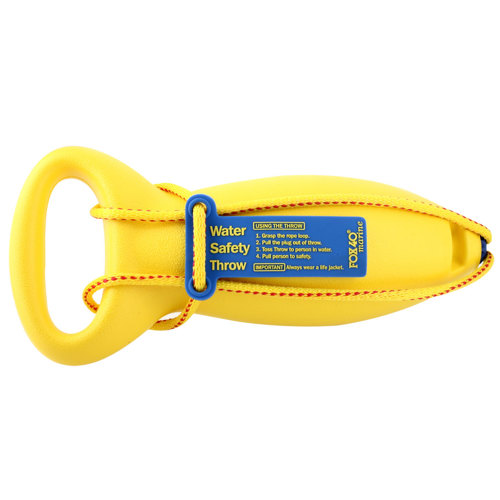
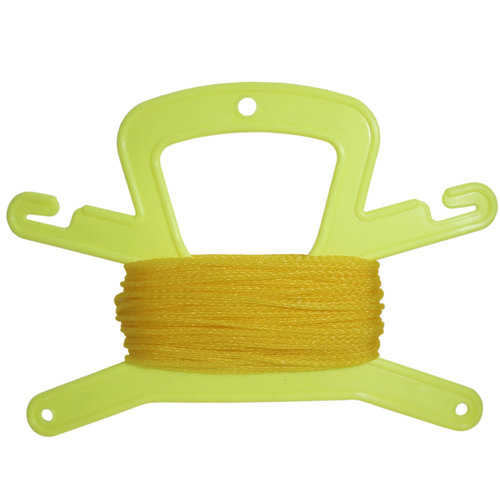
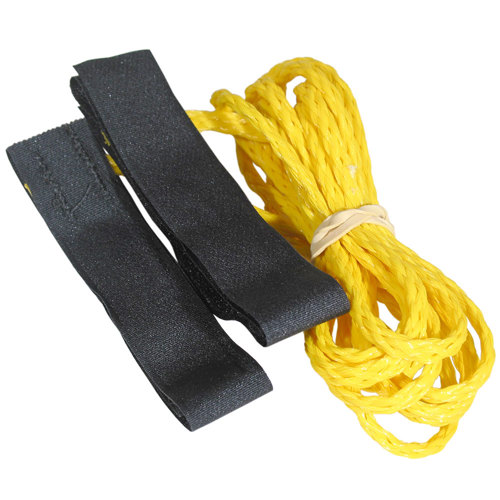
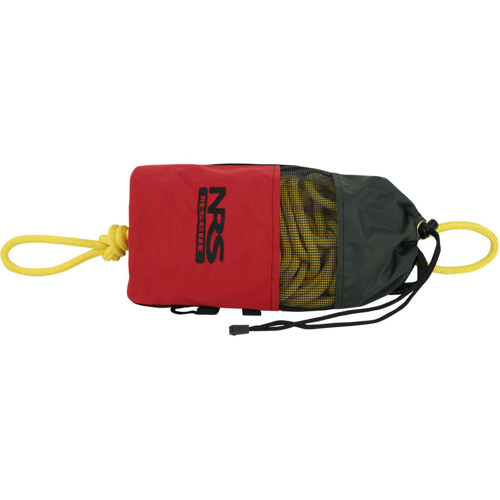
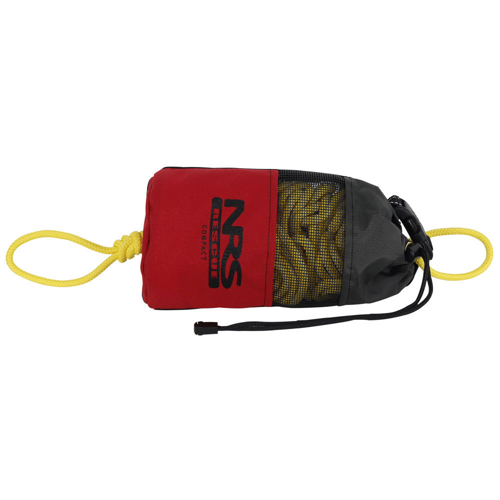
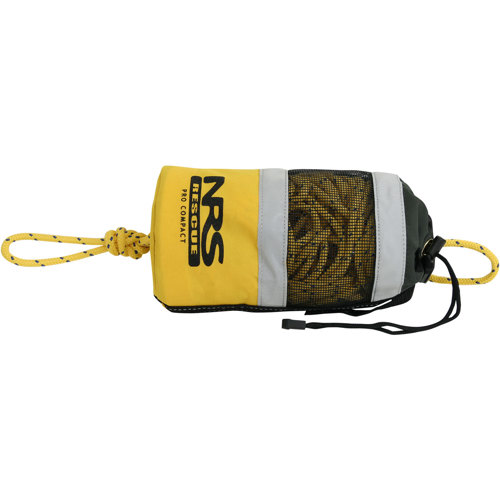
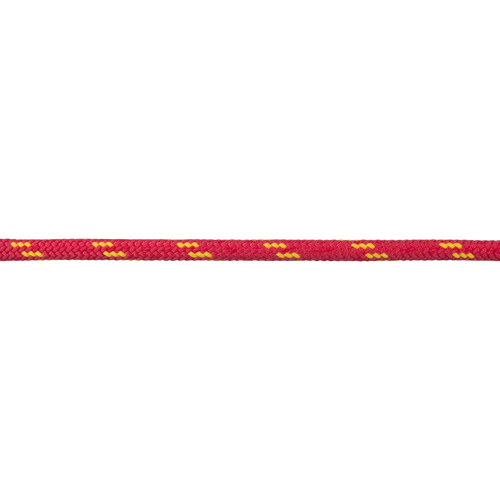
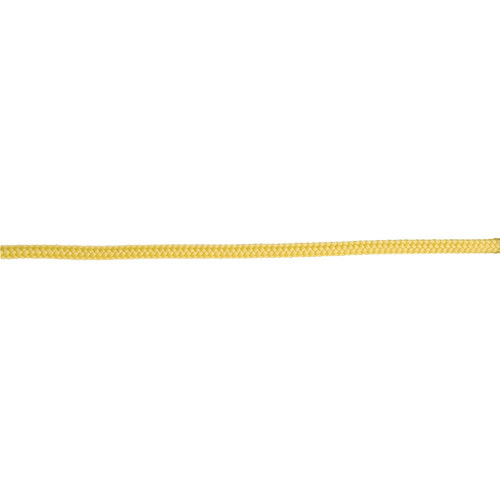
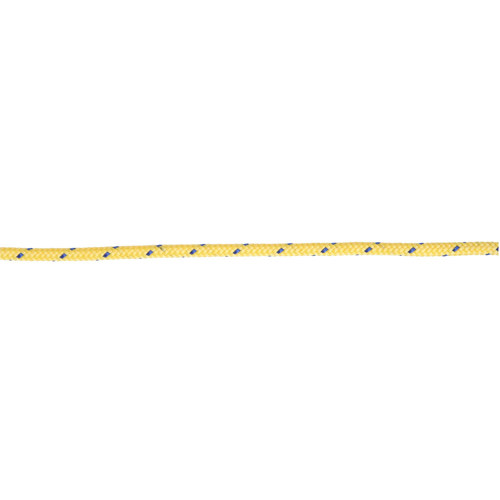
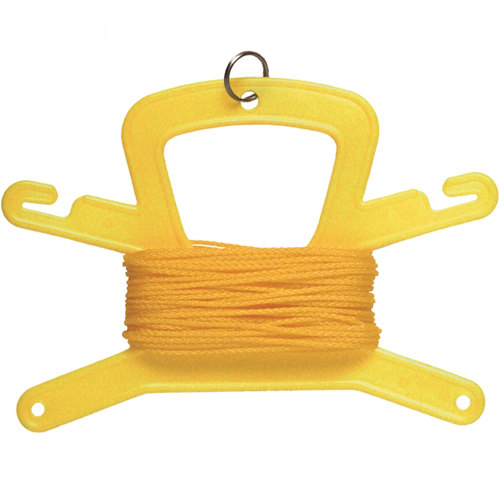
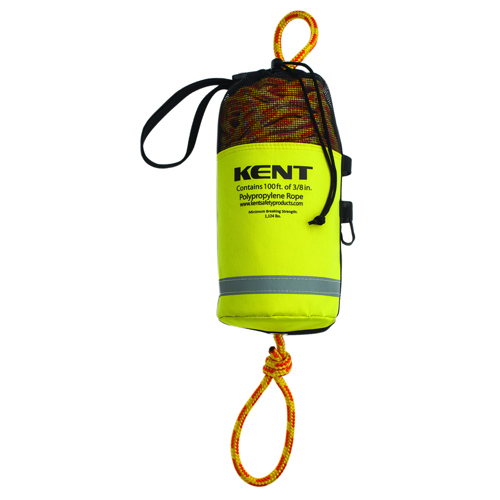
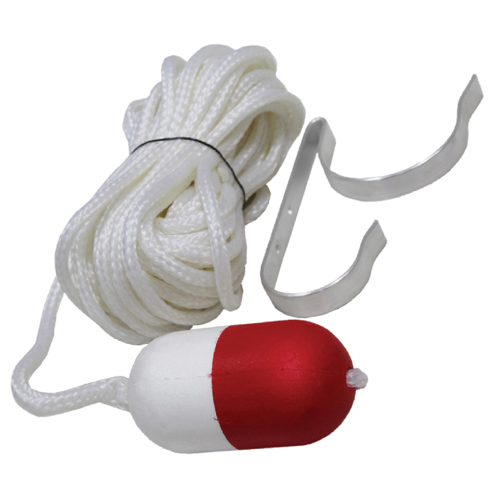
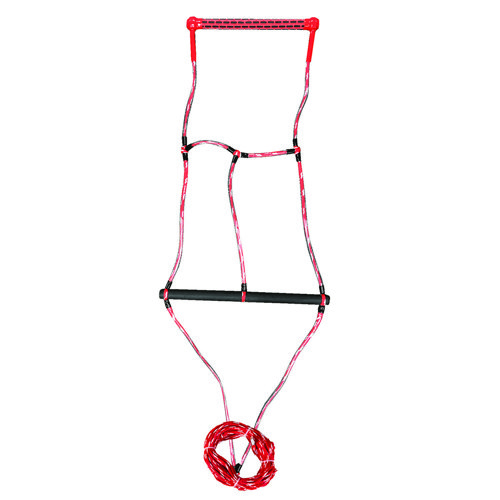
Polypropylene ropes have become a staple for anyone seeking reliable, versatile cordage, especially as outdoor activities and water adventures pick up in the warmer months. Recognized for their lightweight feel and natural buoyancy, these ropes are favored by boaters, swimmers, and water sports enthusiasts who need dependable gear that won’t sink or become waterlogged. Their resistance to rot, mildew, and most chemicals makes them a practical choice for use around docks, swimming pools, and marinas, where ropes are often exposed to moisture and the elements. Whether you’re marking off a swim lane, securing gear on deck, or setting up a temporary mooring line, polypropylene ropes deliver the performance and ease of use that busy summer days demand. They’re also popular for general utility tasks—think camping trips, backyard playsets, or tying down lightweight loads for transport. The rope’s vibrant color options and ease of handling make it a favorite among families, camp counselors, and anyone organizing group water activities or safety lines. As people gather for long weekends, lakeside picnics, or coastal getaways, polypropylene ropes are often tucked into gear bags, ready to serve as a tow line, clothesline, or makeshift anchor.
When it comes to selecting the right polypropylene rope, a few key factors stand out. The rope’s diameter and length should match the intended use—thicker ropes offer greater tensile strength for heavier loads, while thinner options are easier to knot and store for lighter applications. For water sports and boating, the rope’s ability to float is a game-changer, preventing accidental loss and ensuring visibility on the water’s surface. Those planning extended use outdoors may want to consider ropes treated with UV inhibitors, as standard polypropylene can degrade under prolonged sunlight. The material’s resistance to oils and gasoline adds another layer of durability, particularly for boaters and mechanics who need gear that stands up to accidental spills. While polypropylene ropes are not as abrasion-resistant as nylon or polyester, their affordability, flexibility, and non-conductive properties make them a safe and practical option for a wide range of users—including electricians, arborists, and DIY enthusiasts. They’re also a thoughtful gift for anyone outfitting a new boat or setting up a backyard pool, especially when paired with other water safety gear or marine accessories. If you’re interested in ropes specifically designed for towing on the water, you can explore our curated selection of
Boat Towing Ropes to find the best fit for your needs. With so many uses and benefits, polypropylene ropes remain a trusted companion from early summer adventures through the crisp days of fall.