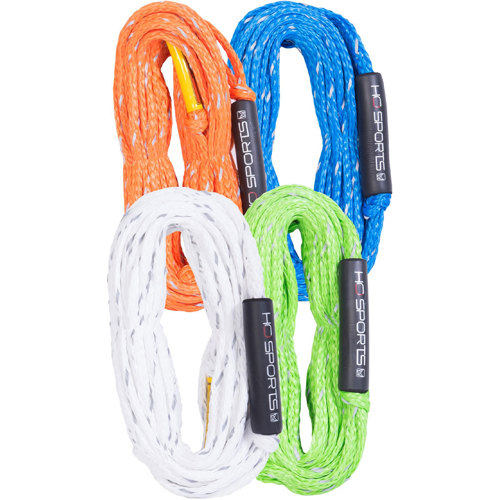
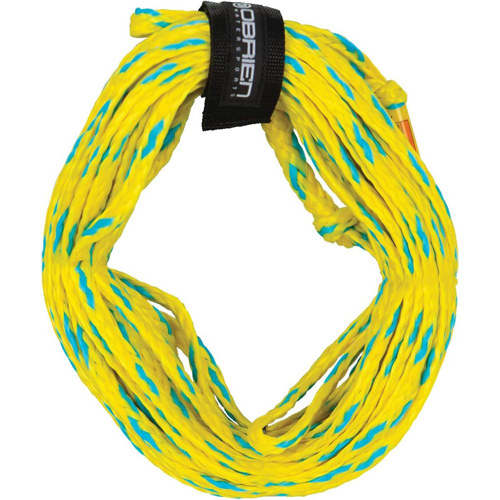
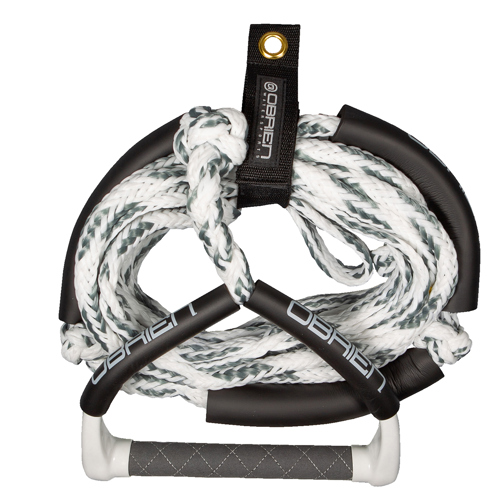
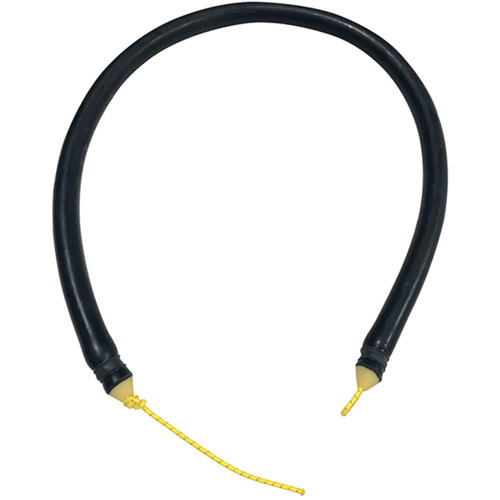
Strength ropes, commonly known as battle ropes, have become a staple for those seeking dynamic, full-body workouts that build not just muscle, but also endurance, coordination, and grip strength. Whether you’re an athlete fine-tuning your conditioning for competitive sports, a fitness enthusiast looking to add intensity to your home gym sessions, or someone exploring new ways to stay active as the weather shifts, strength ropes offer a versatile, engaging solution. Their simple design—a heavy, durable rope anchored securely at one end—belies the range of exercises and benefits they provide. With every wave, slam, or whip, you recruit major muscle groups including the shoulders, arms, core, and back, while also challenging your cardiovascular system. The tactile feedback of the rope in your hands, the rhythm of movement, and the satisfying thud as the rope strikes the ground create an immersive workout experience that’s hard to match with other equipment. As the days grow longer and outdoor workouts become more appealing, battle ropes can be easily anchored to a sturdy tree or post, making them a practical choice for backyard training sessions or group fitness in the park. When cooler weather arrives and routines move indoors, their compact footprint and minimal setup keep them accessible for quick, high-intensity intervals in a garage or home gym.
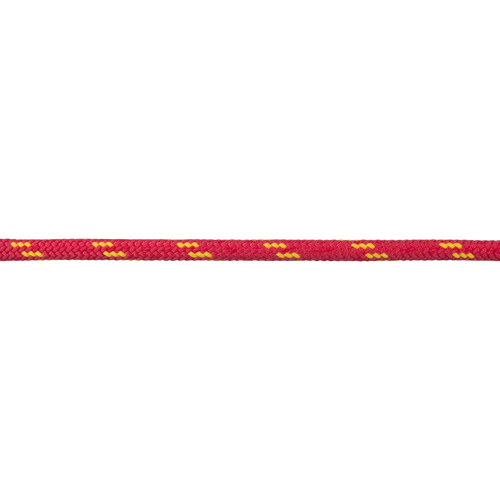
Selecting the right strength rope involves a few key considerations to ensure a safe, effective, and enjoyable workout. Rope length and diameter are among the most important factors—longer ropes (typically 40 to 50 feet) offer greater resistance and are favored for advanced users or those with ample workout space, while shorter options (around 30 feet) are ideal for beginners or tighter areas. The diameter of the rope, often ranging from 1.5 to 2 inches, affects grip difficulty; a thicker rope intensifies the challenge for your hands and forearms, making it a great option for those seeking to improve grip strength. Material choice is equally crucial for durability and performance. Most strength ropes are crafted from high-quality polypropylene or poly dacron, both of which resist fraying, moisture, and mildew—key attributes for gear that may see use outdoors or in humid environments. Some ropes come with a protective nylon sleeve that shields them from abrasion, extending their lifespan when used on rough surfaces like concrete or asphalt. For those who prefer a maintenance-free option, ropes with an internal steel core provide added structure and reduce tangling, making setup and storage more straightforward. Anchoring the rope securely is essential for both safety and effectiveness; a heavy-duty anchor point, positioned about three feet from the ground, allows for a full range of motion and stable resistance during intense intervals.
Strength ropes also make thoughtful gifts for fitness-minded friends, family members, or anyone looking to refresh their workout routine. Their broad appeal spans all ages and abilities—from young athletes training for team sports to adults seeking a fun, challenging way to stay active during transitional seasons. They’re especially popular for group workouts, boot camps, and HIIT classes, where participants can motivate each other through synchronized movements or friendly competition. The adaptability of strength ropes means they can be used solo or as part of a larger training circuit, fitting seamlessly into routines focused on strength, endurance, or even rehabilitation. For those interested in expanding their gear collection, or who may venture into outdoor adventures and preparedness, consider exploring related equipment such as
Survival Ropes, which offer specialized features for challenging environments. Whether you’re upping your training intensity, searching for an energizing new activity as the seasons change, or surprising a loved one with a practical, fitness-forward gift, strength ropes provide a rewarding blend of versatility, durability, and performance for all types of users.