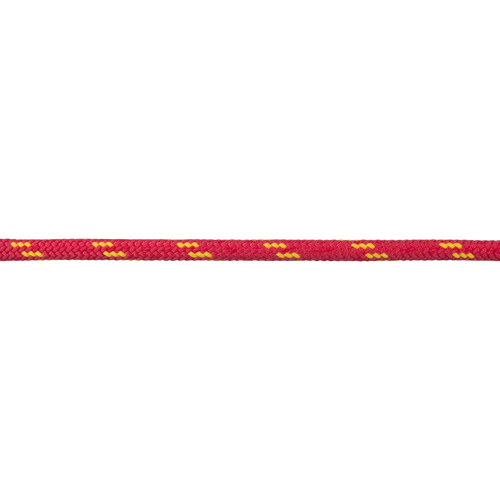
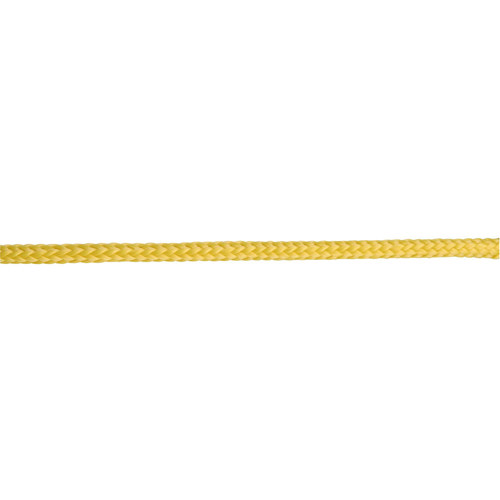
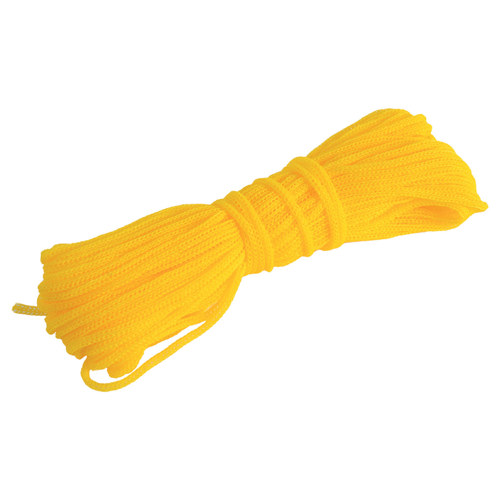
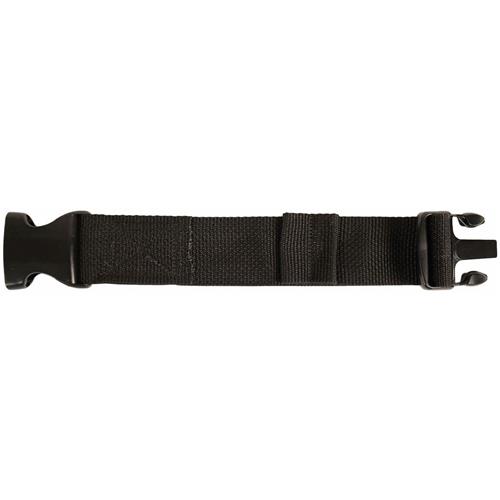
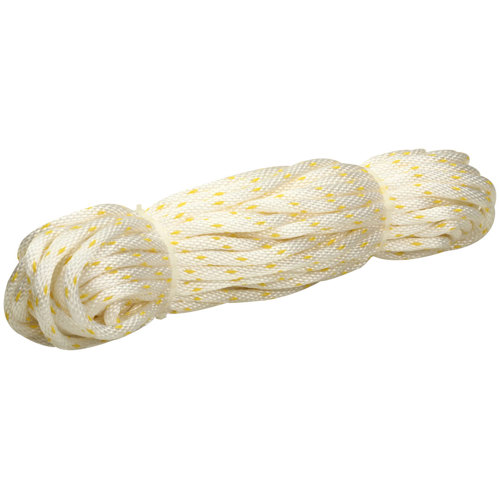
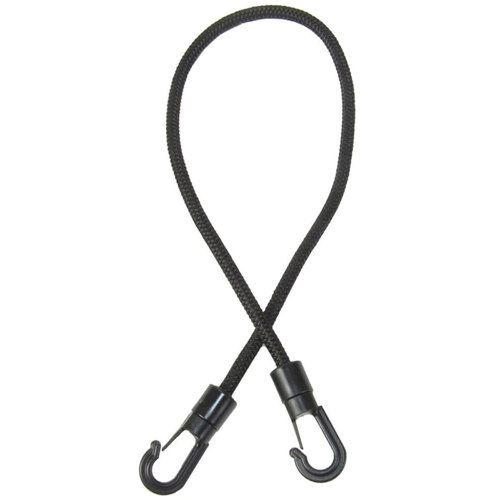
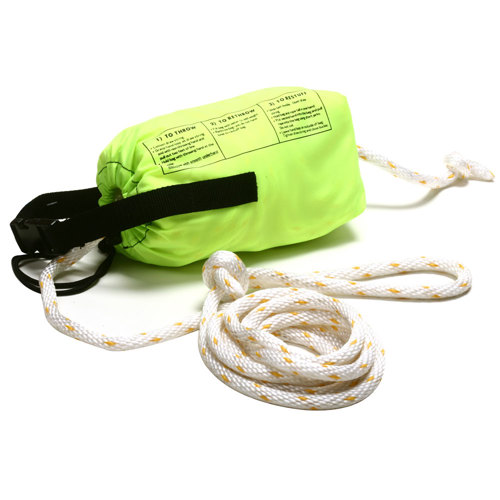
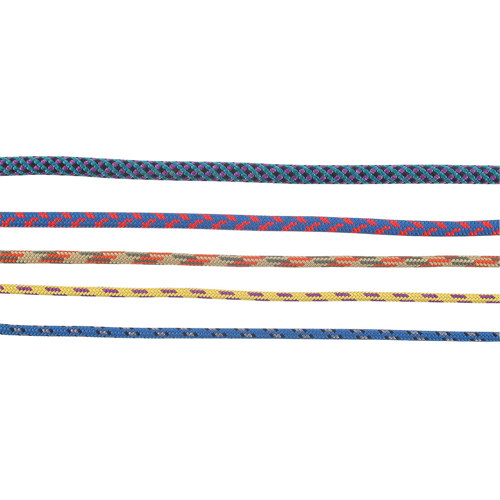
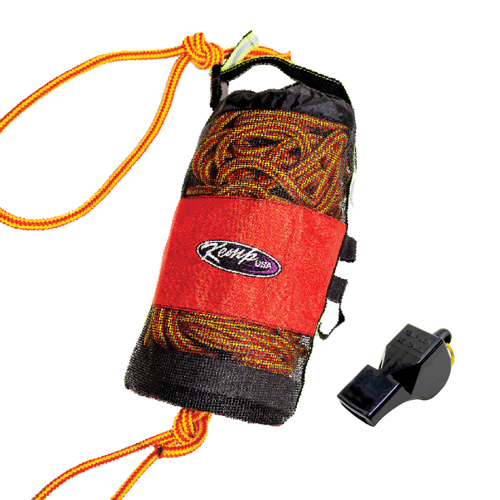
Survival ropes are a cornerstone of preparedness for anyone who spends time outdoors, whether you’re hiking through damp spring forests, camping under the stars, or gearing up for a new season of adventure. Their adaptability and reliability make them a staple not only for seasoned explorers but also for those just beginning to build their emergency kits. As March brings longer days and the promise of new expeditions, many outdoor enthusiasts turn their attention to refreshing their gear, and a dependable survival rope is often at the top of the list. The most popular varieties, like 550 paracord, are prized for their remarkable combination of strength and lightness—able to support up to 550 pounds while remaining easy to pack and handle. The inner core of these ropes typically houses several finer strands, which can be separated and used for delicate tasks such as sewing torn gear, improvising fishing lines, or even crafting snares in a pinch. For those who value multi-functionality, modern survival ropes sometimes weave in extra features like fire-starting tinder, fishing filament, or even reflective threads for visibility during dusk or emergency signaling. These enhancements can make a crucial difference during unexpected situations, whether you’re securing a rainfly against a sudden downpour or improvising a clothesline to dry out gear after a muddy trek.
Choosing the right survival rope requires a thoughtful balance of strength, durability, and versatility, tailored to the unique demands of your environment and activities. Spring is a season when conditions can shift quickly—one moment you’re basking in sunlight, the next you’re contending with rain or gusty winds—so it’s wise to look for ropes that resist abrasion and mildew, ensuring they’ll hold up through repeated exposure to moisture and rough terrain. High-visibility colors like orange or yellow are especially practical for rescue scenarios or when you need to locate your gear quickly in dense undergrowth. For bushcraft enthusiasts or those who enjoy primitive camping, tarred bank line offers exceptional grip and durability for tasks like shelter building or binding logs. Meanwhile, those assembling compact survival kits for hiking or travel may prefer lighter tactical cords that still offer impressive strength for their size. Survival ropes also make thoughtful gifts for outdoor lovers, scouts, or anyone interested in emergency preparedness; they’re the kind of practical tool that’s always appreciated, whether it’s tucked into a backpack, glove compartment, or emergency supply box at home.
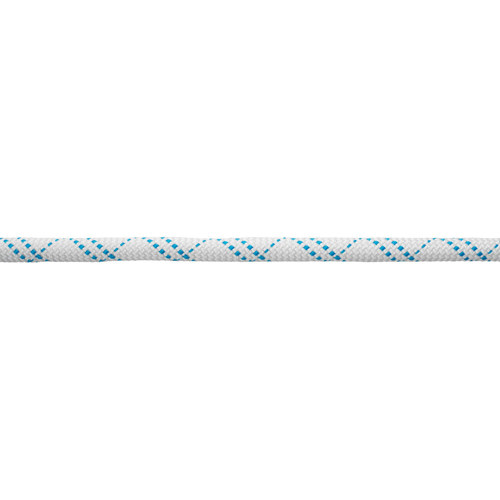
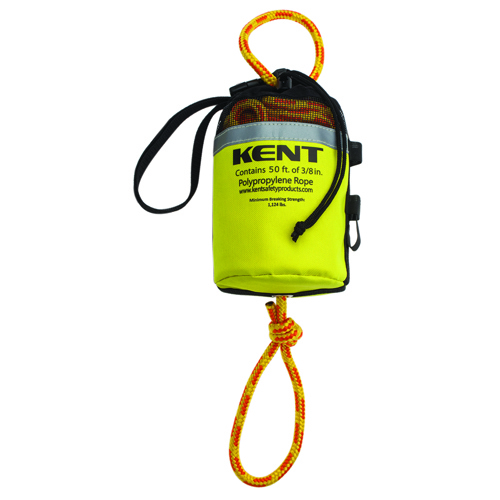
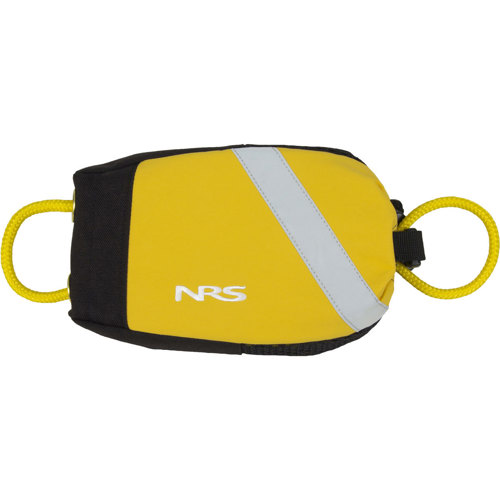
As you explore the range of survival ropes available, consider how you’ll use them—not just for emergencies, but for everyday adventures where a sturdy cord can mean the difference between comfort and inconvenience. From setting up tarps to repairing gear or creating makeshift harnesses, the right rope becomes an extension of your ingenuity and resourcefulness. For those who anticipate more technical or safety-critical applications, such as climbing or rescue, it’s important to distinguish between general-purpose survival ropes and specialized safety lines designed to meet rigorous standards. For more information on ropes engineered specifically for safety and rescue scenarios, visit our
Safety Ropes page. Whether you’re preparing for the unpredictability of nature or simply want to be ready for whatever your next outing brings, a quality survival rope is an essential companion—durable, versatile, and always ready to help you adapt to the wild.