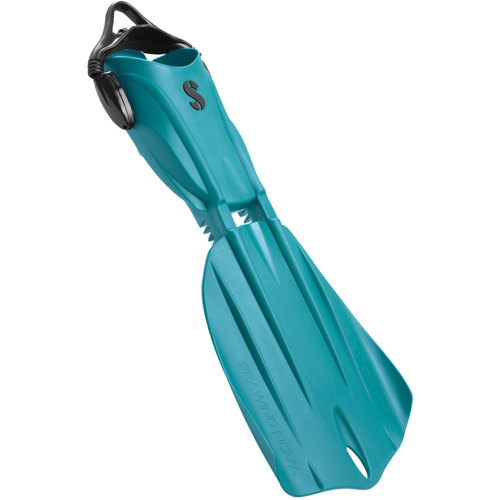
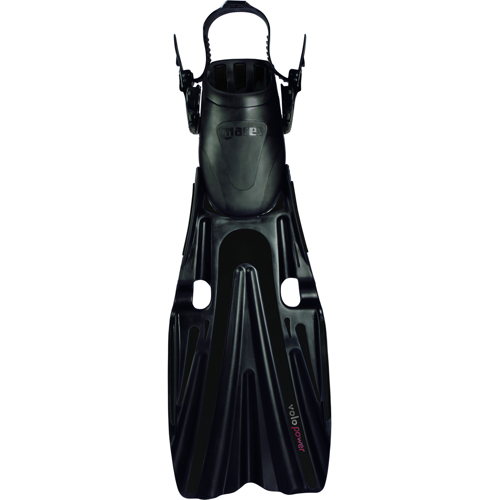
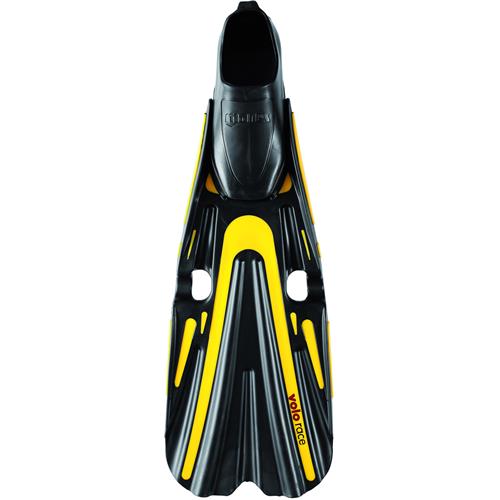
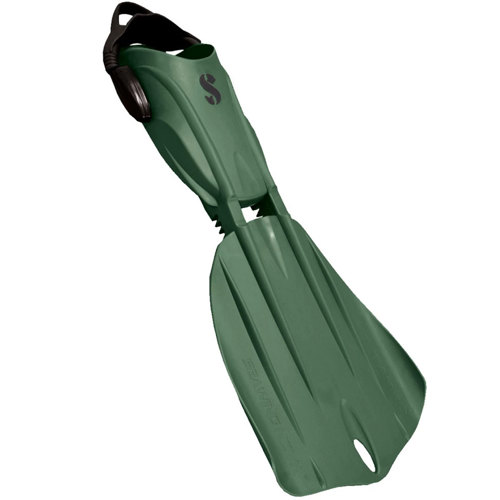
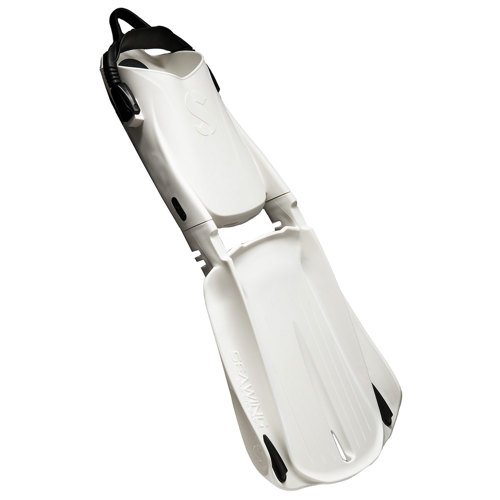
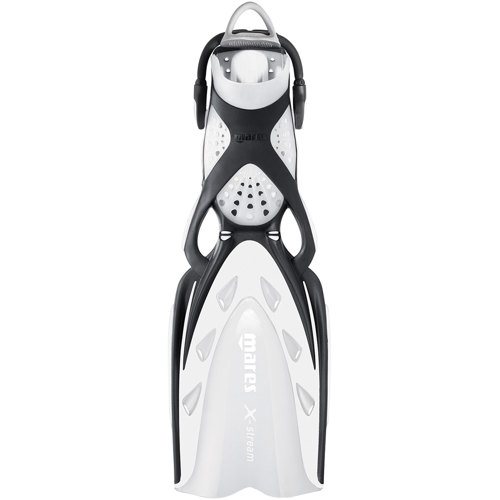
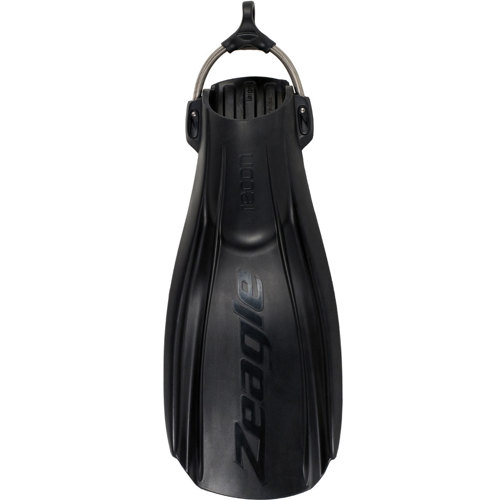
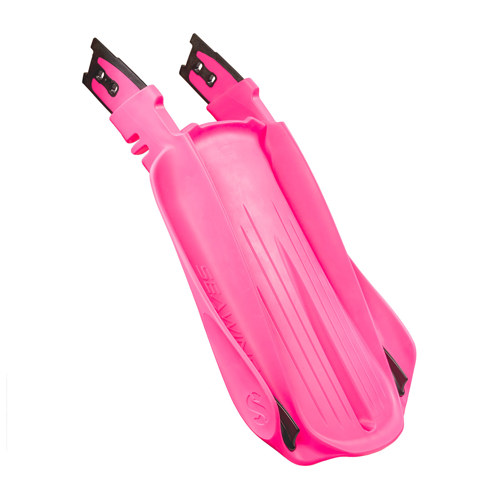
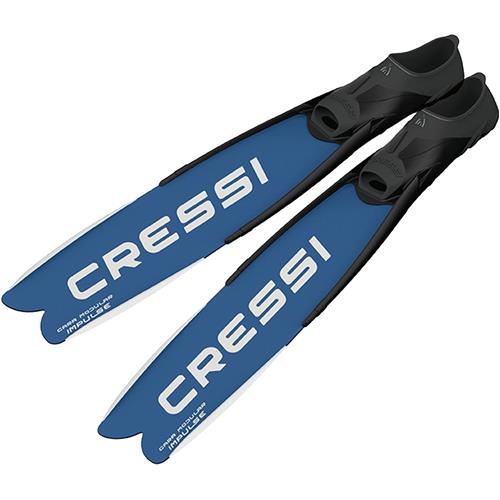
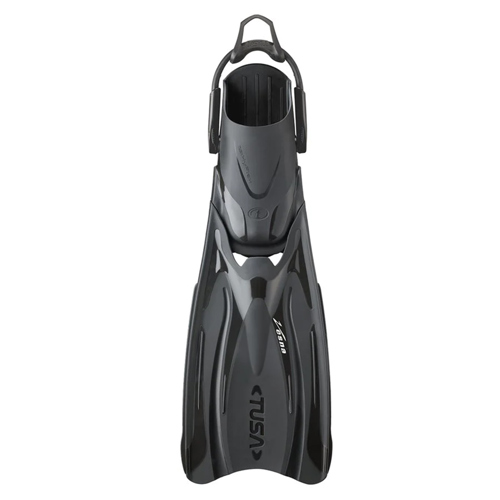
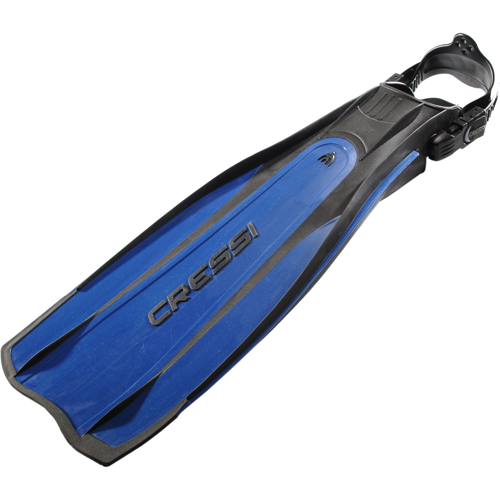
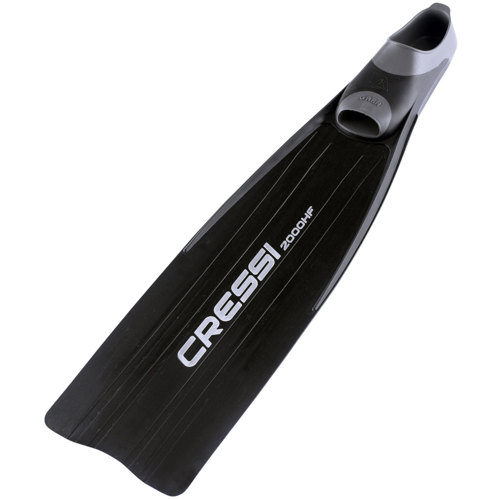
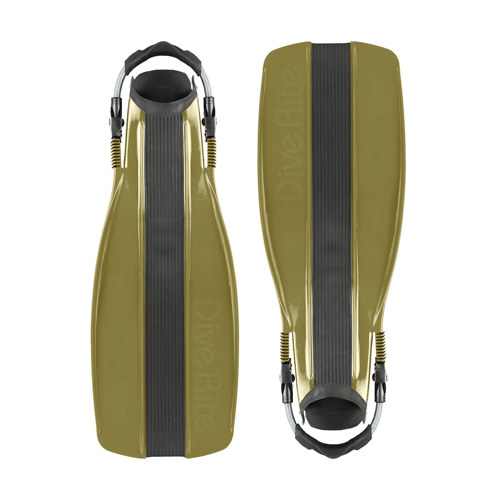
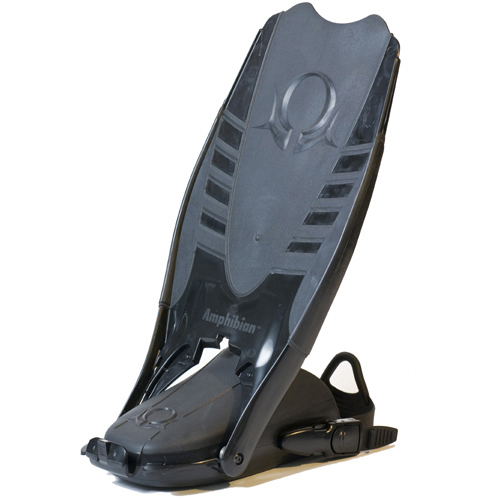
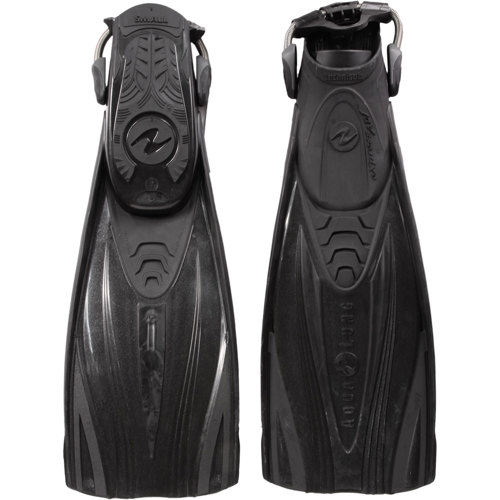
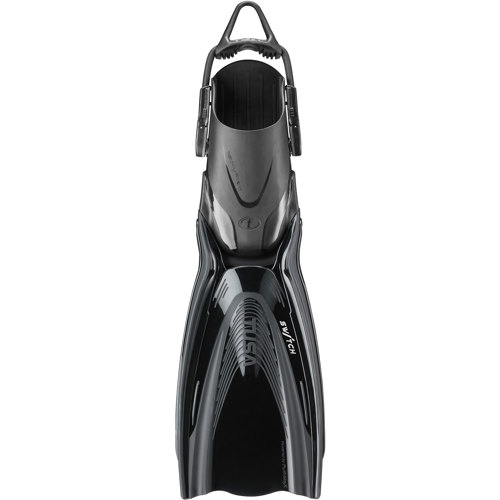
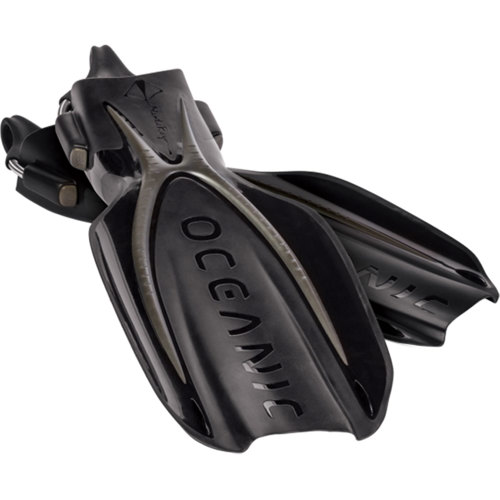
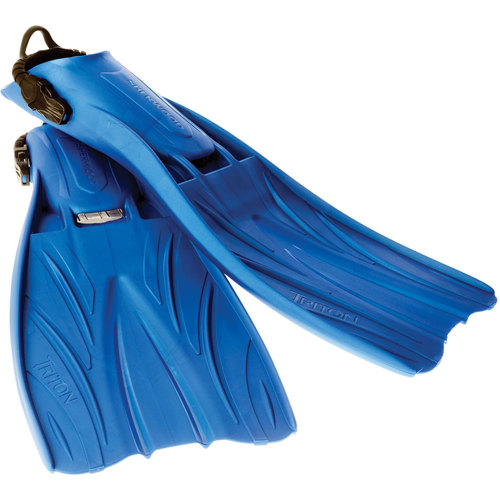
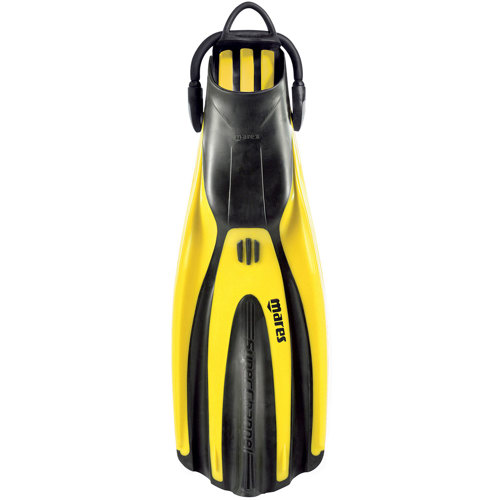
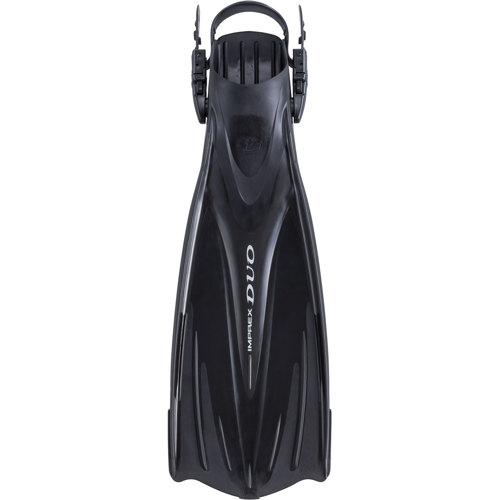
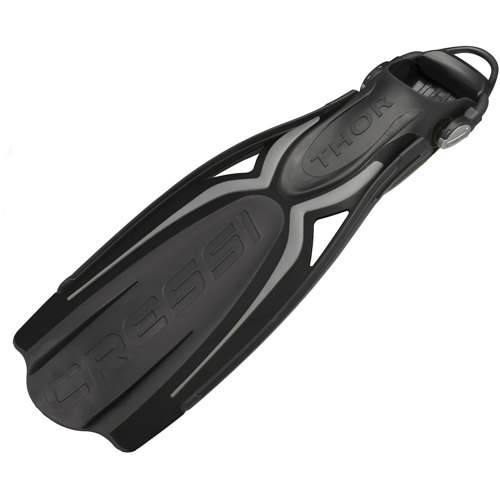
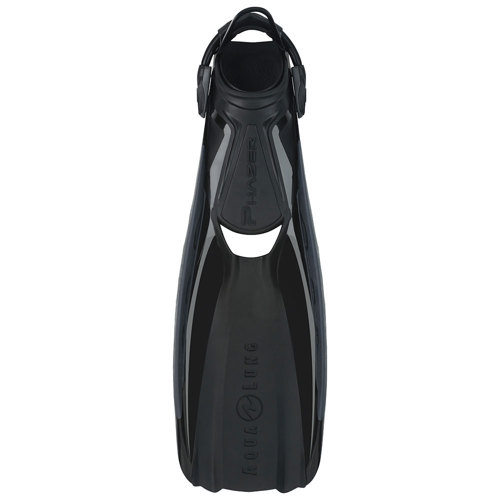
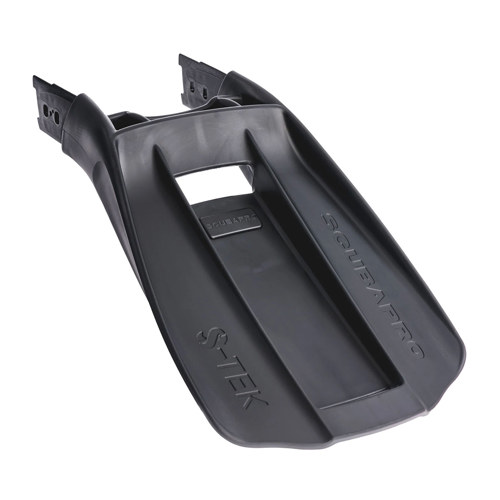
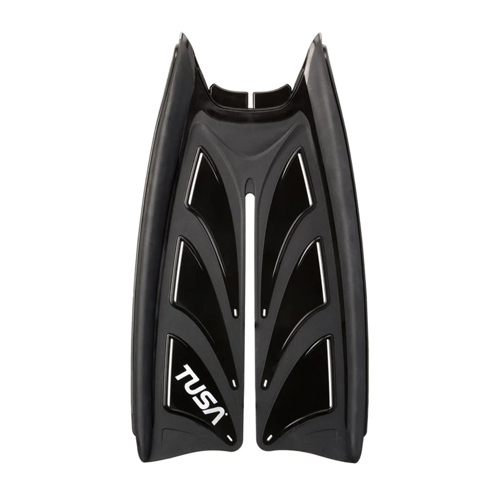
As the days grow longer and the water warms, many enthusiasts find themselves drawn back to the ocean, lakes, and rivers in search of new aquatic experiences. Pivoting geometry fins have become a topic of interest for those who crave enhanced maneuverability and responsive control, whether they’re riding the crest of a breaking wave, exploring a tranquil bay, or pushing the limits of underwater propulsion. Unlike traditional static fins, pivoting geometry fins are engineered to articulate or rotate about an axis, mimicking the natural movement of fish tails and dolphin flukes. This biomimicry isn’t just for show—it translates into real-world advantages. On surfboards, especially longboards, upright pivot-style fins with less rake and a wider base allow for tighter, more vertical turns, making them a favorite among riders who love nose riding or executing quick direction changes in the pocket. For paddleboarders and freedivers, fins with pivoting or jointed elements continuously adapt their angle of attack with each stroke, reducing drag and maximizing thrust for efficient propulsion. The result is a smoother glide and the ability to cover greater distances with less fatigue, which is especially noticeable during longer sessions under the summer sun.
When considering a pair of pivoting geometry fins, it’s important to think about your unique needs and the environments you’ll encounter. Surfers looking to maximize their turning radius and nose riding stability will appreciate the upright design, which offers ample hold and control when walking the board. However, these fins typically provide less down-the-line speed compared to raked alternatives, requiring more effort to generate momentum in softer conditions. For those drawn to snorkeling, freediving, or underwater exploration, split or articulating fins that pivot laterally can make a world of difference in both comfort and performance. These fins are particularly beneficial for divers who navigate variable currents or spend extended periods underwater, as the reduced resistance and optimized thrust help conserve energy. Pivoting geometry fins are also a thoughtful gift for water sports enthusiasts—whether it’s a seasoned surfer refining their style, a beginner eager to improve their skills, or an adventurous friend gearing up for a summer vacation by the sea. The innovative design and tangible performance benefits make them a standout choice for anyone looking to elevate their aquatic adventures.
Beyond recreational use, pivoting geometry fins have found their place in specialized applications, from advanced engineering projects to biomimetic research and even thermal management systems. In aerospace and vehicle dynamics, actively steered fins—sometimes called canards—pivot to maintain stability and optimize aerodynamic performance. Similarly, in electronics, dynamically pivoting micro-fins are used to manage airflow and improve heat dissipation in high-performance devices. This cross-disciplinary innovation highlights the versatility and efficiency of pivoting fin designs, whether they’re slicing through water or channeling air. For those interested in exploring related fin technologies, including advanced hinge mechanisms and further innovations in aquatic propulsion, the
Hinge Point Fins page offers additional insights and options. As you plan your next outing—be it a dawn patrol surf session, a weekend paddle, or an underwater exploration—pivoting geometry fins stand ready to enhance your control, efficiency, and overall enjoyment in the water throughout the vibrant months ahead.