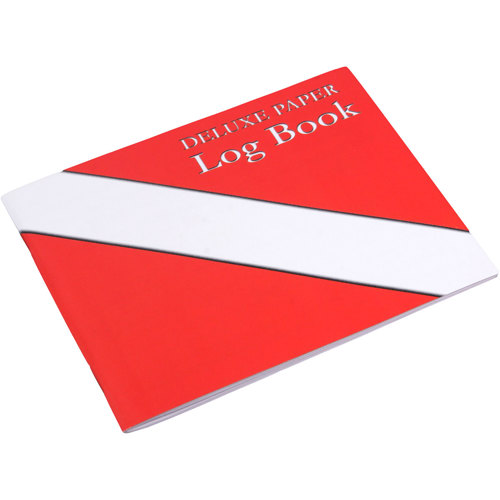
Paper log books remain an enduring choice for recording and organizing essential information across a variety of fields, from professional transportation to recreational pursuits. In the world of commercial trucking, paper logs are a trusted backup for tracking hours of service and daily vehicle inspections, especially during electronic logging device (ELD) malfunctions or when operating older vehicles not equipped for digital solutions. These log book trucking records are often required to meet FMCSA Hours of Service regulations, ensuring that drivers maintain compliance and safety on the road. The tactile process of filling out log papers—jotting down start and stop times, routes, and inspection notes—offers a sense of control and reliability that many professionals still value. The sturdy, portable nature of paper log books makes them practical for field operations where digital devices might fail due to harsh weather, battery limitations, or connectivity issues. Whether it’s a driver keeping a meticulous diario de buceo of each journey or a fleet manager organizing stacks of daily reports, the physical record serves as a concrete archive and a valuable tool for audits, troubleshooting, and regulatory checks.
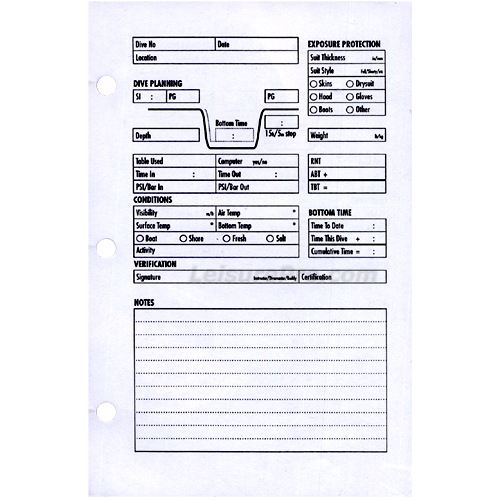
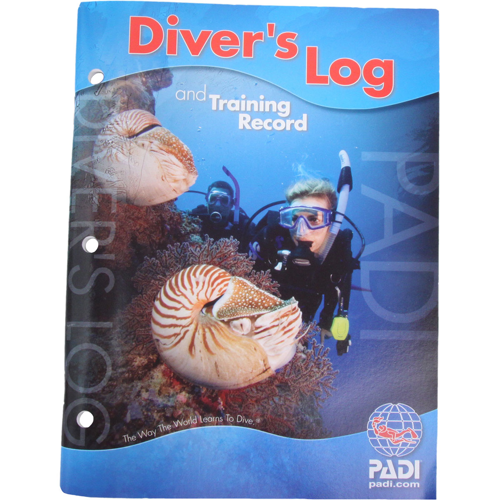
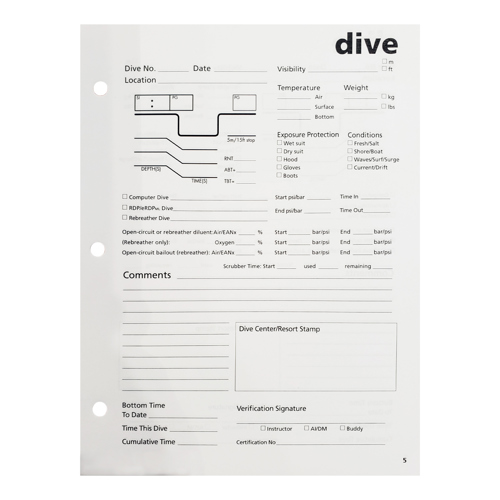
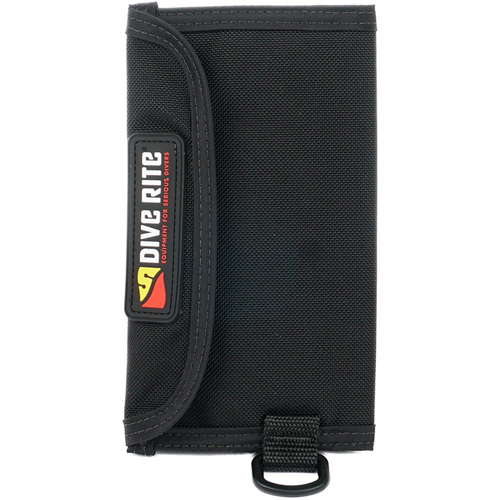
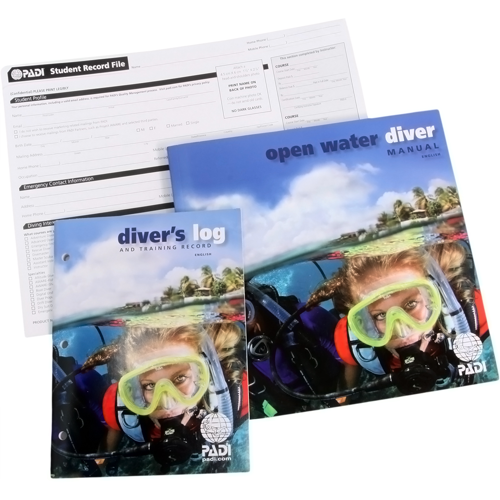
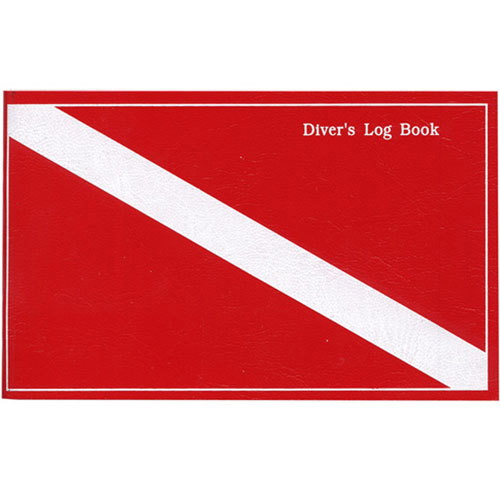
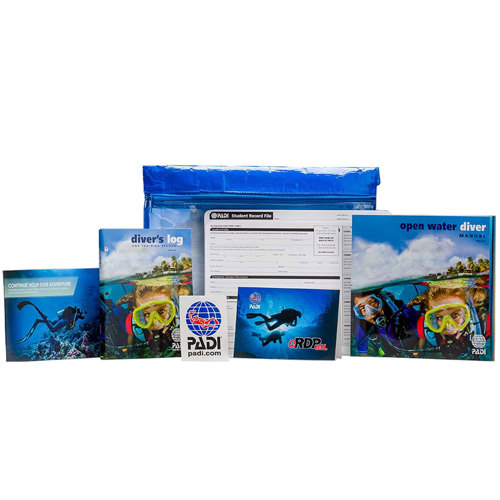
Beyond the transportation industry, paper log books have a special place in the hearts of divers, explorers, and anyone who values the tangible ritual of documentation. A paper dive log book transforms each underwater adventure into a personal narrative, capturing details like dive sites, conditions, marine life sightings, and equipment used. These journals are often passed between friends or gifted to new divers as a rite of passage, fostering a tradition of storytelling and shared experiences. The act of flipping through a well-worn dive journal—pages stained with watermarks and scribbled notes—evokes memories of sun-drenched mornings, the anticipation of a descent, and the camaraderie that follows a day spent beneath the waves. For those who prefer analog record-keeping, the sensory experience of writing by hand and the ability to sketch, annotate, or attach mementos make paper log books a meaningful alternative to digital logs. They are also a thoughtful gift for students, instructors, and anyone embarking on a new season of exploration, providing a personal touch that endures through the years. As the weather warms and outdoor activities pick up, keeping a reliable, organized log book close at hand ensures that every journey—whether over the road or under the sea—is documented with care and authenticity.
For those seeking to complement their paper records with digital convenience, there are options that bridge the gap between tradition and technology. Many divers and professionals choose to back up their handwritten notes with digital entries or explore hybrid solutions that offer the best of both worlds. If you’re interested in exploring electronic alternatives to traditional log books, take a look at our curated list of
Logbook Computers for a modern approach to record-keeping. Whether you stick with the classic feel of pen and paper or embrace new digital tools, the habit of consistent, detailed logging remains a cornerstone of safety, accountability, and personal growth in any field.