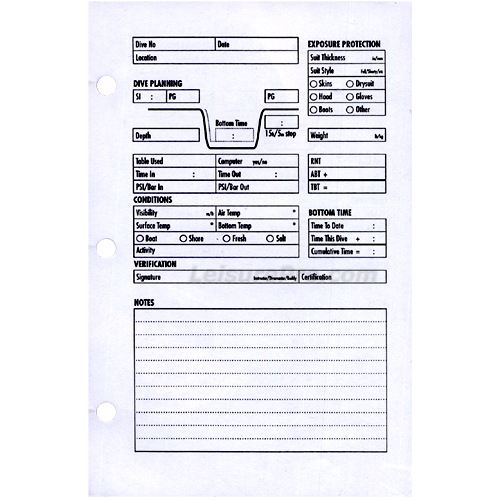
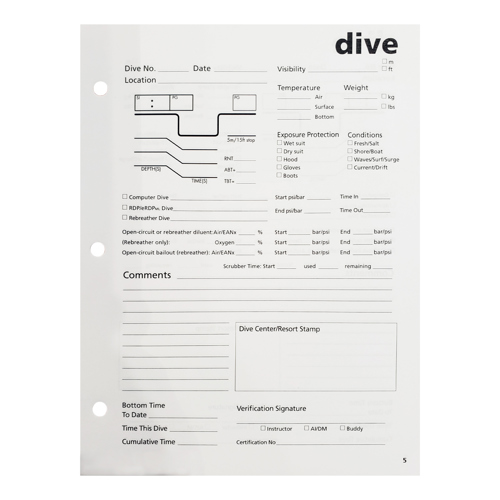
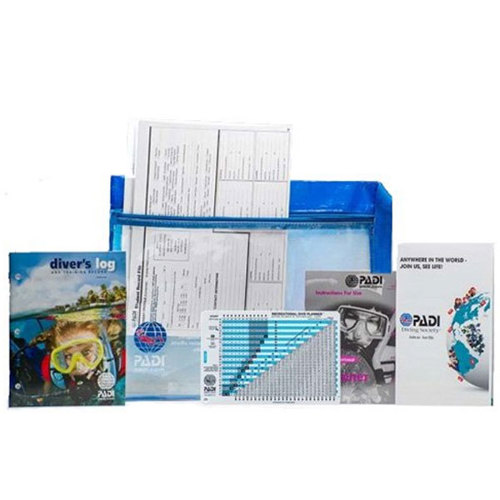
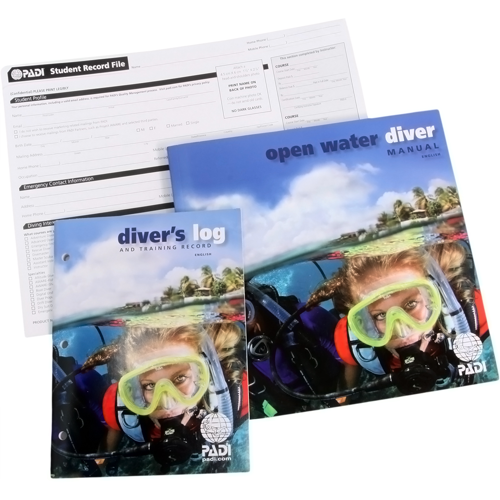
A diving logbook is more than just a record—it's a personal archive of underwater adventures, a trusted companion for every diver, and a valuable tool for tracking progress and experiences. Whether you’re a new diver excitedly logging your first open water dives or a seasoned explorer with hundreds of dives in exotic locations, the right dive log book pages make all the difference. These pages are designed to capture every detail, from dive site conditions and marine life sightings to equipment used and personal notes. For many, flipping through a well-worn scuba log book is like reliving each descent, recalling the thrill of spotting a sea turtle gliding by or the camaraderie of a group night dive. As February brings cooler waters and unique winter diving opportunities in many regions, it’s the perfect time to update your logbook or gift one to a diving enthusiast. Dive log book pages are also invaluable for those working toward advanced certifications, as instructors and dive shops often require detailed, signed records to verify experience. They make thoughtful gifts for newly certified divers, travel buddies, or anyone preparing for a dive trip, offering a way to document not just the technical details but the stories and milestones that make each dive memorable.
Selecting the right dive log book pages depends on a diver’s preferences and needs. Some prefer minimalist layouts with just the essentials—date, location, depth, and time—while others appreciate more comprehensive formats that allow for detailed notes, buddy signatures, and environmental observations. Many divers opt for waterproof or tear-resistant pages, ensuring their records survive the rigors of boat decks, beach bags, and tropical downpours. For those who travel frequently, compact or refillable logbooks are ideal, fitting easily into luggage and allowing for expansion as the adventure continues. A padi divers log book or similar standardized format can be especially useful for those training or diving with multiple operators, as it ensures consistency and easy verification of logged dives. Beyond personal use, a well-maintained dive log book serves as a conversation starter, a teaching tool, and a cherished keepsake. It’s not uncommon to meet divers who’ve kept every dive log book since their very first certification, each one a testament to their passion and growth in the sport. For tech-savvy divers, integrating traditional logbook pages with digital tracking tools or
Logbook Computers offers the best of both worlds—tangible memories alongside cutting-edge data analysis.
No matter your experience level or diving goals, investing in quality dive log book pages ensures that every underwater journey is recorded, remembered, and celebrated. From cold-water wreck dives in the winter months to warm tropical reefs in the summer, each entry becomes a chapter in your unique diving story. As you browse our selection of logbook pages, consider how you’ll use them—not just to meet requirements, but to capture the essence of your adventures, share insights with fellow divers, and inspire future explorations. The right logbook isn’t just a piece of gear; it’s a lifelong chronicle of discovery, learning, and connection to the underwater world.