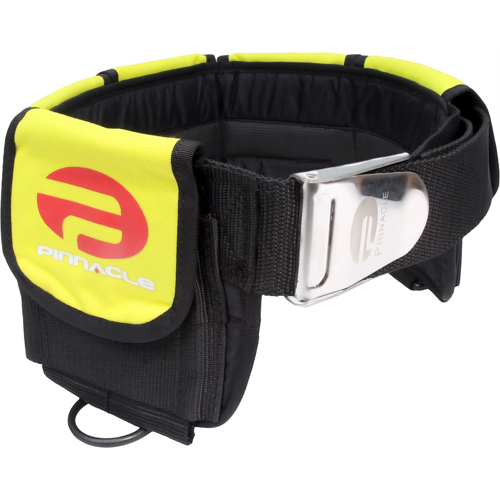
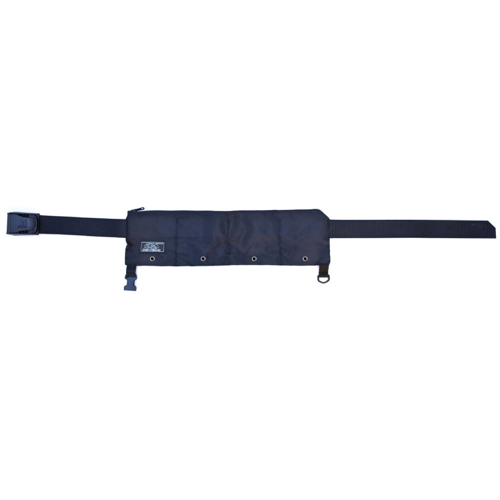
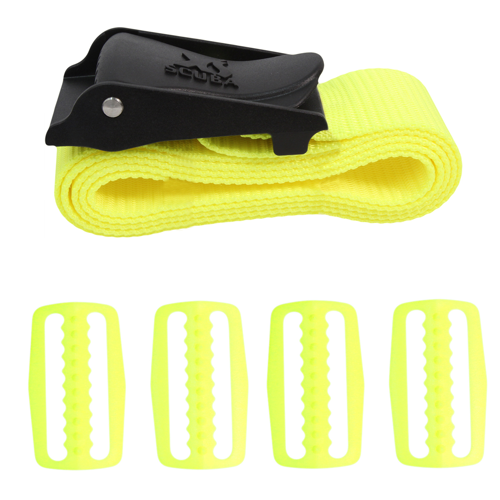
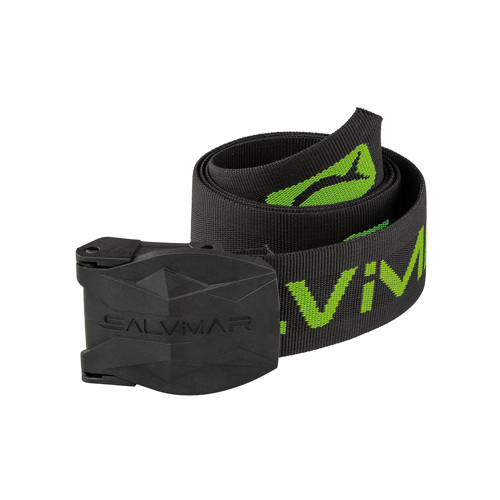
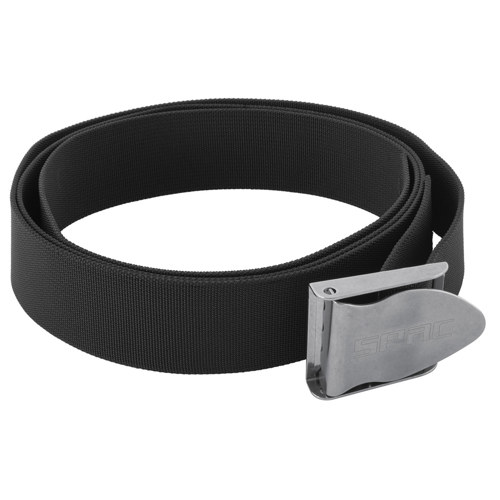
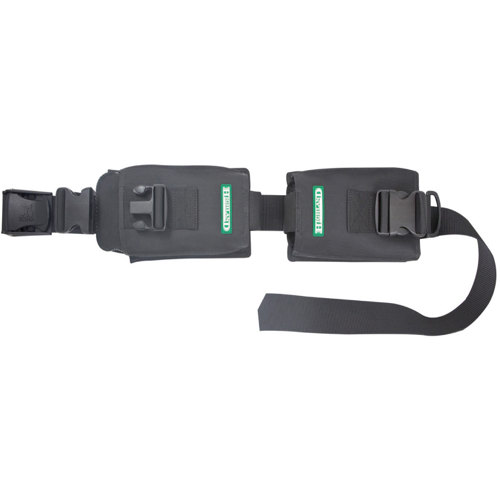
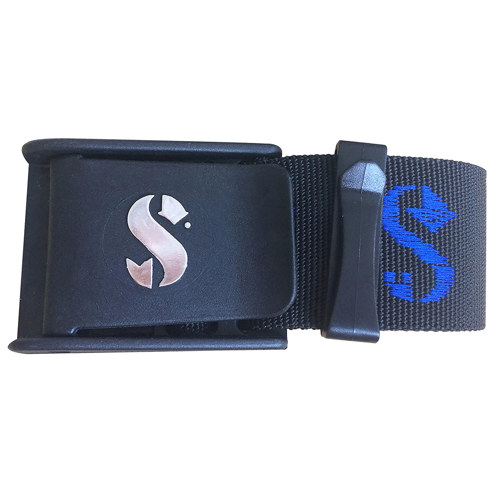
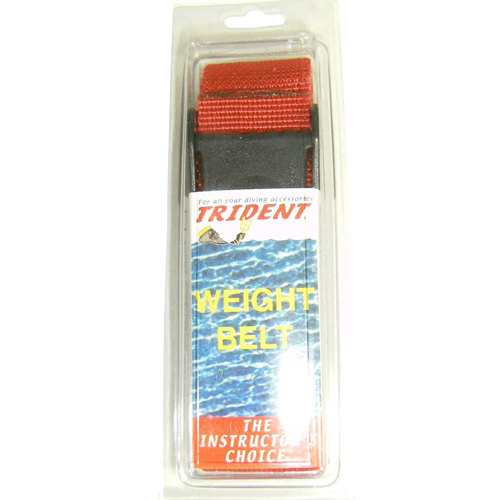
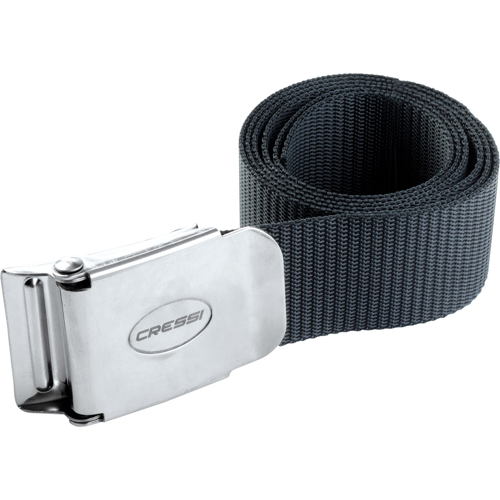
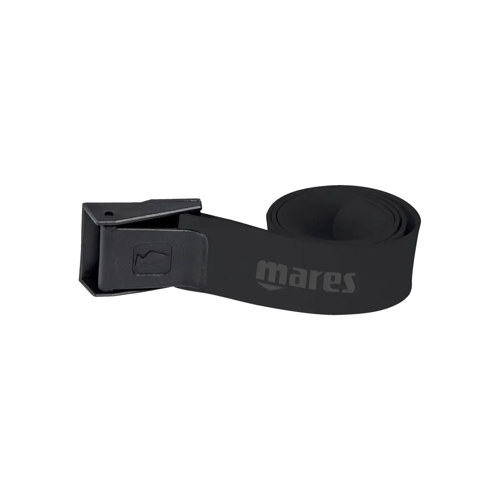
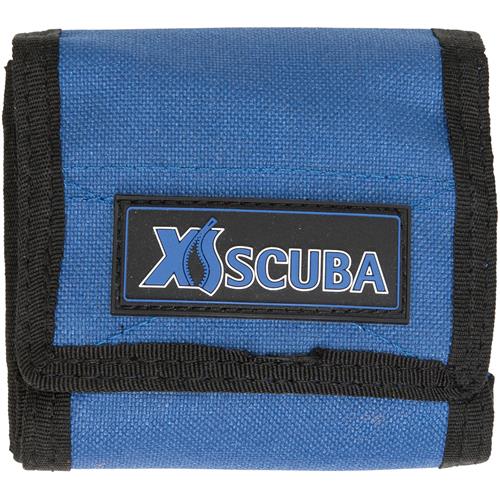
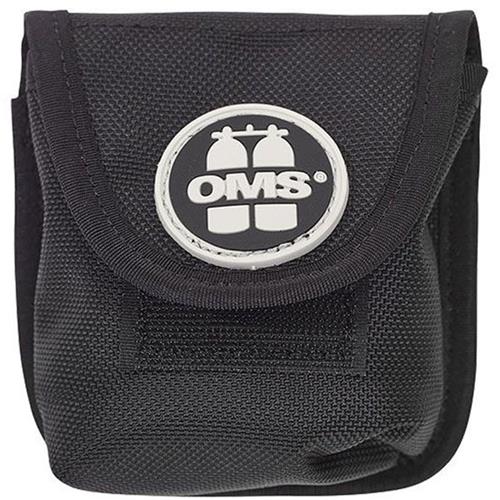
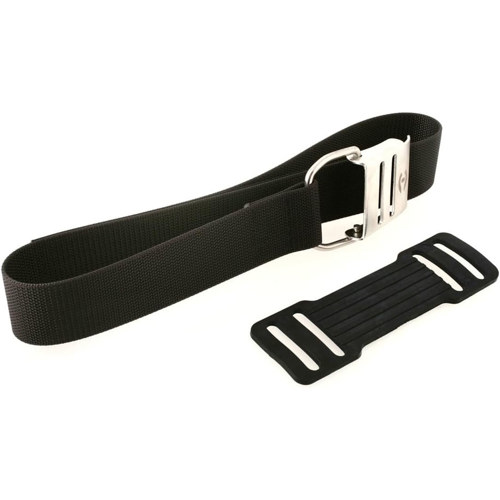
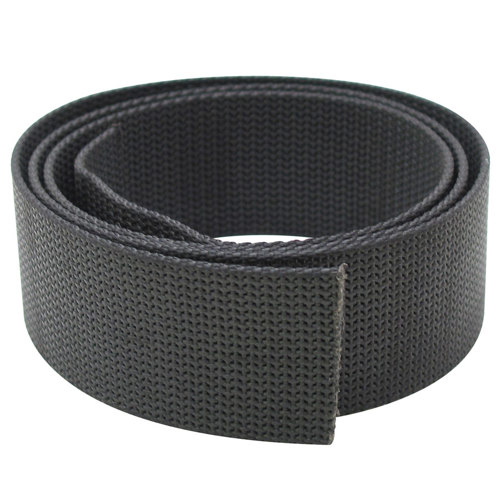
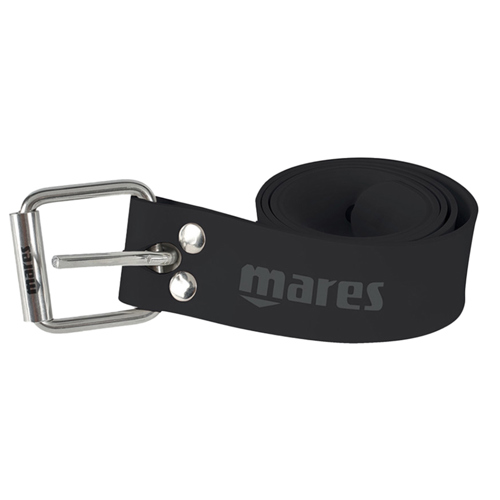
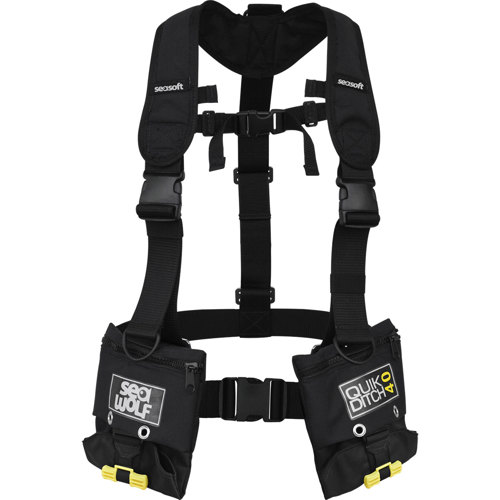
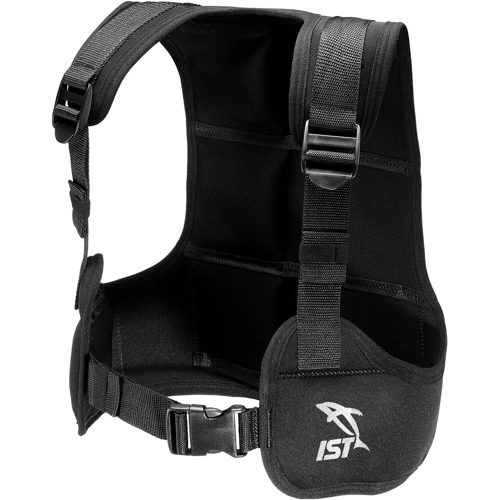
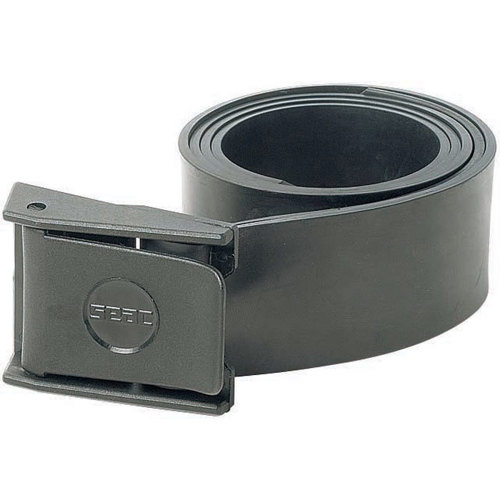
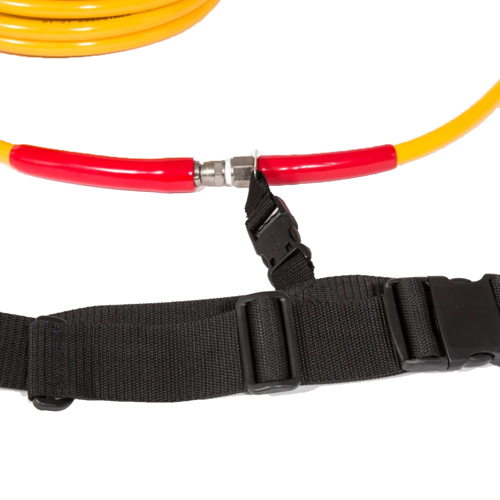
Nylon freediving belts have earned their place in the gear bags of divers and water sports enthusiasts for their rugged simplicity and affordability. Crafted from tough, non-elastic webbing, these belts are designed to withstand the relentless exposure to saltwater, sand, and sun that comes with time spent exploring the underwater world. Their straightforward design makes them a practical choice for those who value durability and ease of use—qualities that are especially appreciated during the busy, sun-drenched days of summer and the lingering warmth of early fall, when diving conditions are at their most inviting. Many divers find nylon belts ideal for surface activities, shallow freediving, snorkeling, or scuba sessions where the need for a secure, budget-friendly weight system outweighs the demand for advanced features. The belts are also commonly used in Constant Weight Without Fins (CNF) freediving disciplines, where a secure connection to a safety lanyard is essential. It’s not uncommon to see these belts in the hands of beginners learning the ropes, as well as seasoned divers who prefer a no-nonsense approach for certain conditions. The affordability of nylon belts makes them a thoughtful gift for anyone starting their underwater journey, from a friend eager to take their first breath below the surface to a family member gearing up for a tropical getaway.
When considering a nylon freediving belt, it’s important to think about how and where you’ll be using it. Unlike rubber or silicone belts, nylon does not stretch, which means it won’t adjust to your body as your wetsuit compresses at depth. This characteristic can lead to the belt shifting or riding up toward the chest, especially during deeper dives, potentially causing discomfort or even restricting breathing. For this reason, nylon belts are best suited for shallow dives, surface snorkeling, or scuba activities where depth-related compression is less of a concern. Proper fit is crucial—always ensure the belt is worn low on the hips, with a minimum overhang of two to three hand-widths past the buckle for easy release in case of emergency. A snug fit helps prevent slippage, but it should never be so tight as to restrict movement or breathing. Many divers appreciate the reliability of a traditional cam buckle, which offers quick adjustment and secure fastening even with gloved hands. Whether you’re planning to explore kelp forests, glide over coral reefs, or simply enjoy the tranquility of a local lake, a well-fitted nylon belt can make your time in the water safer and more enjoyable.
For those who want to explore all their options, especially as diving adventures become more frequent during the warmer months, it’s worth learning about the differences between nylon and other materials like rubber or silicone. Each material has its own strengths, and the best choice depends on your diving style, typical depths, and personal preferences. If you’re interested in a comprehensive overview of available weight belts—including the benefits and trade-offs of each style—visit our dedicated page on
Freediving Weight Belts. There, you’ll find detailed information to help you select the most comfortable and safe setup for your underwater pursuits, whether you’re shopping for yourself or searching for the perfect gift for a fellow diver. With the right belt, every dive—from the first exhilarating breath to the last peaceful ascent—can be a more secure and enjoyable experience.