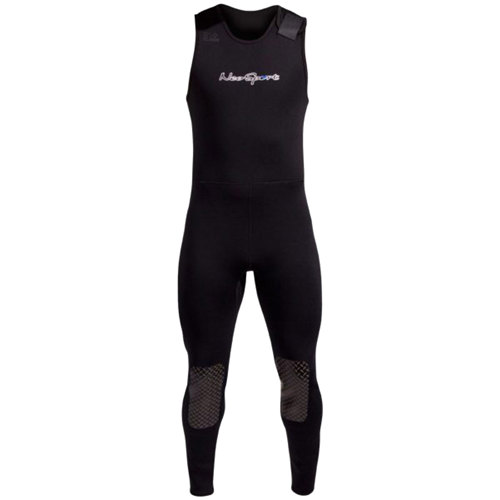
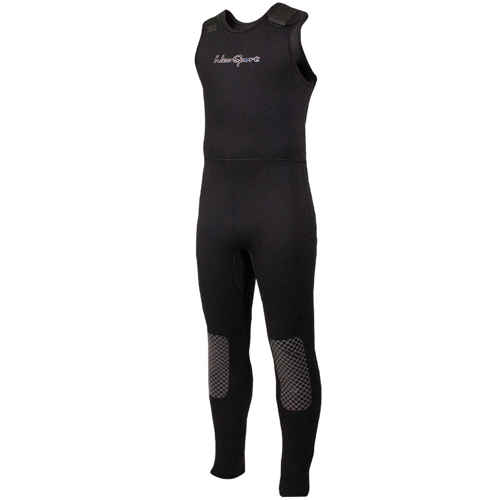
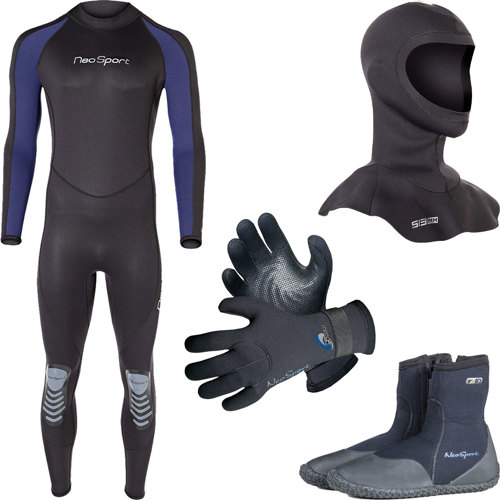
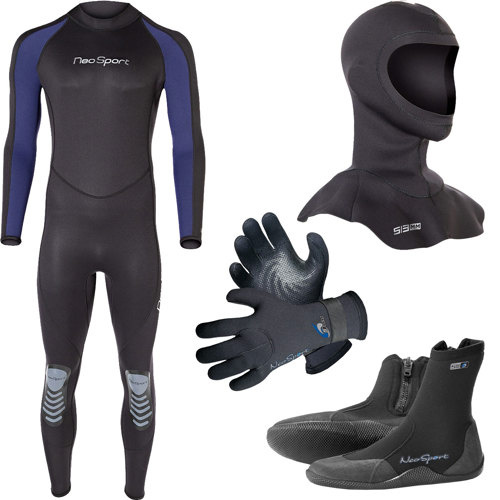
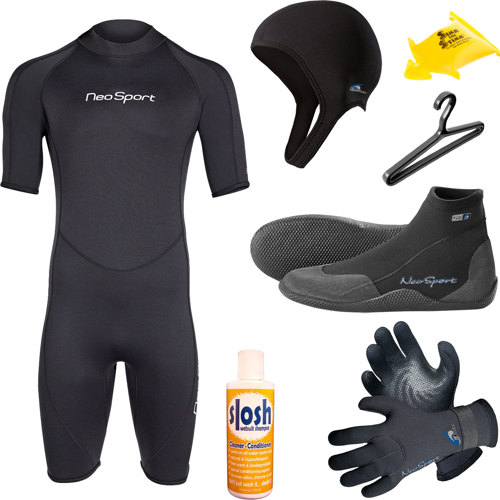
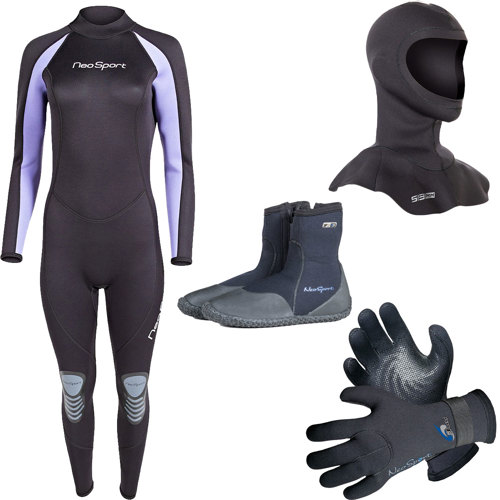
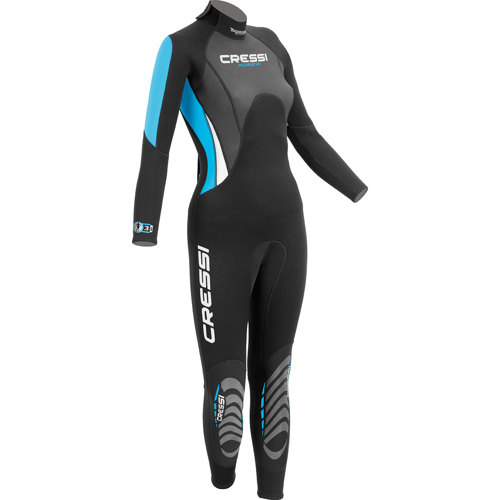
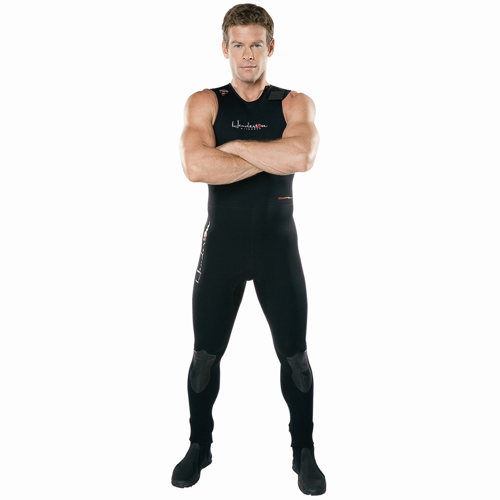
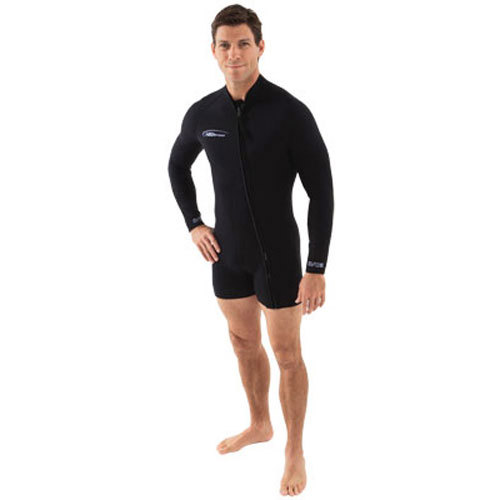
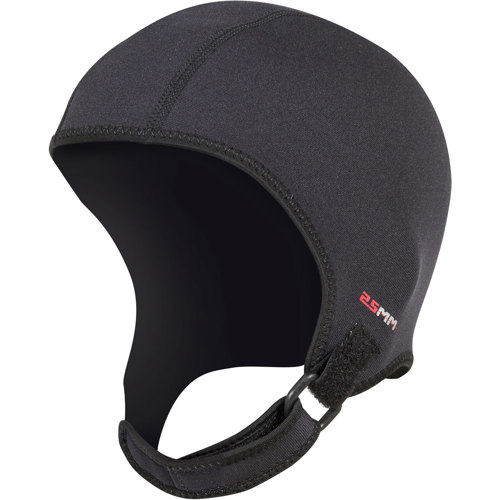
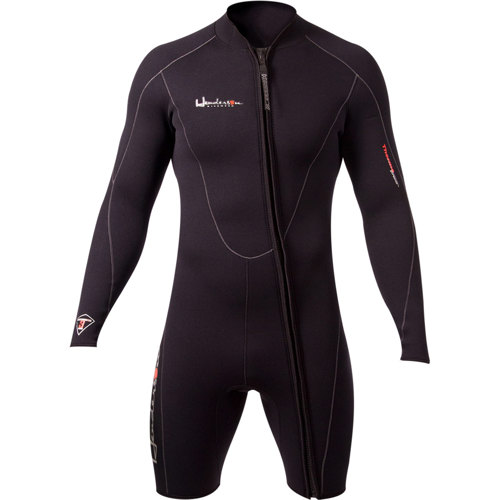
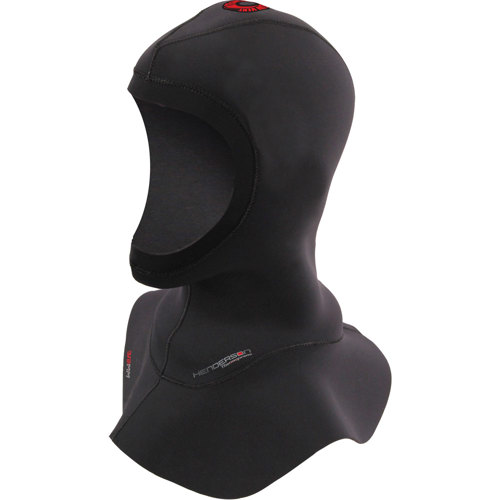
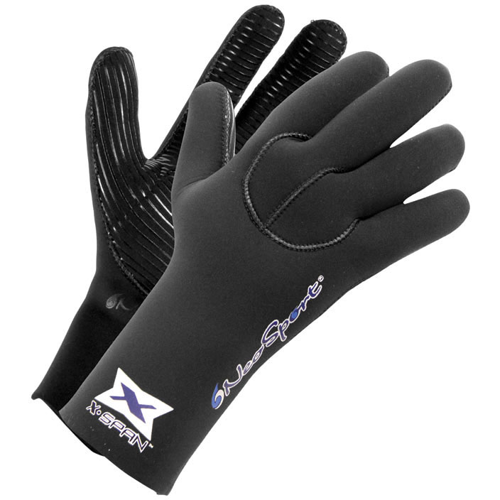
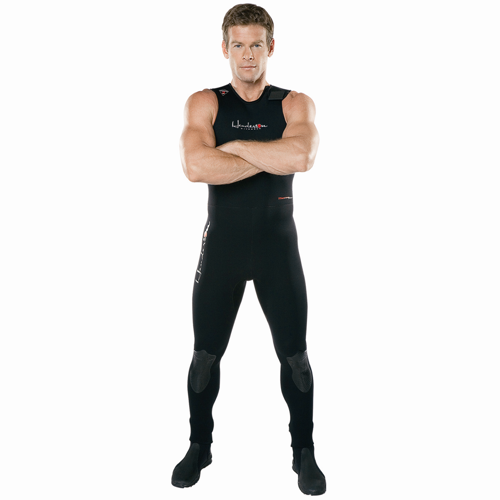
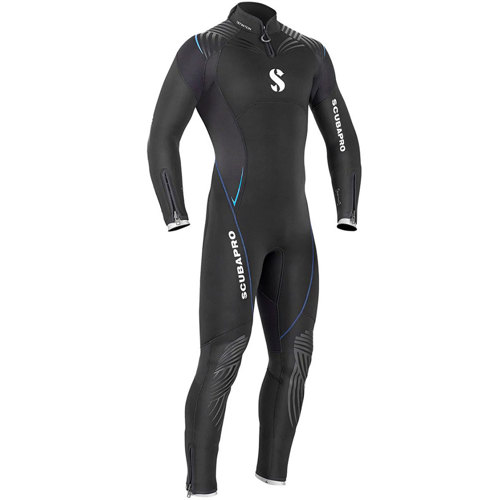
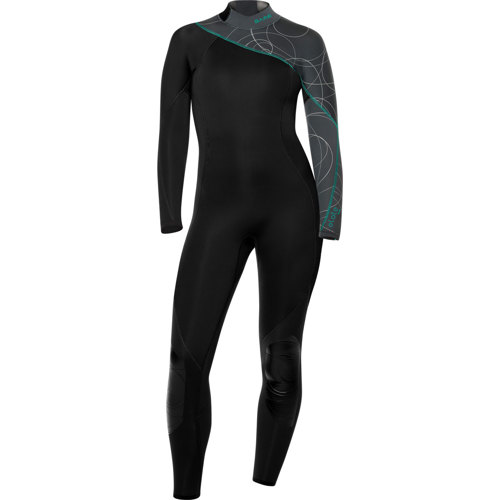
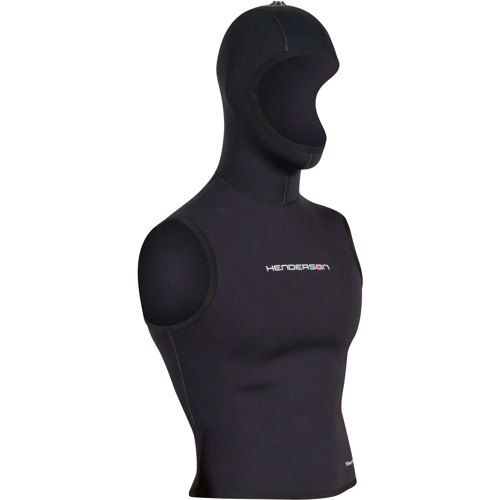
Neoprene wetsuits have become an indispensable companion for anyone venturing into the water, whether it’s for scuba diving, snorkeling, surfing, paddleboarding, or open-water swimming. As March ushers in the beginning of spring, water temperatures can be unpredictable—sometimes brisk, sometimes surprisingly mild—making the right wetsuit choice more important than ever. The secret behind the enduring popularity of neoprene wetsuits lies in their remarkable ability to balance warmth, flexibility, and protection. Made from closed-cell foam, neoprene traps a thin layer of water between the suit and your skin; your body then heats this water, creating an insulating barrier that defends against the chill of the ocean or lake. The thickness of the neoprene is a crucial factor: lighter suits, around 2mm, are ideal for those early spring days when the sun starts to warm the surface, while thicker suits, such as 5mm or more, are essential for colder waters or for divers who spend extended periods submerged. Fit is equally important—think of a wetsuit as a second skin. Too loose, and cold water will flush through, sapping your warmth; too tight, and it can restrict movement and cause discomfort. When you slip into a well-fitted wetsuit, you’ll notice how it hugs your body, offering both support and freedom, whether you’re gliding through kelp forests, catching your first wave, or floating quietly above a reef.
Beyond warmth, neoprene wetsuits offer a layer of protection against sun, wind, and marine life. For surfers and divers alike, features like smoothskin panels on the chest and back can make a real difference, shielding you from biting winds and maximizing sun absorption on chilly mornings. The type of neoprene also plays a role in performance and comfort: traditional oil-based neoprene is known for its durability, while limestone-based variants are prized for being lighter, more elastic, and more environmentally conscious. Seams are another detail that seasoned water sports enthusiasts pay close attention to—glued, blind-stitched, or taped seams significantly reduce water entry, which is vital for staying warm and comfortable. Proper maintenance extends the life of your wetsuit: rinse it with fresh water after every use, dry it in the shade, and avoid direct sunlight to prevent the material from degrading. These habits, passed down from experienced divers and surfers, ensure your wetsuit remains a reliable part of your gear season after season.
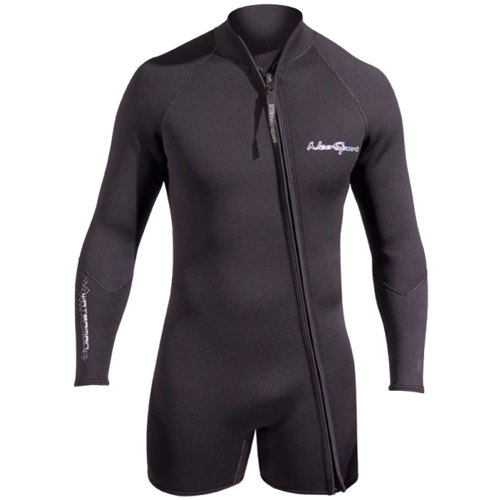
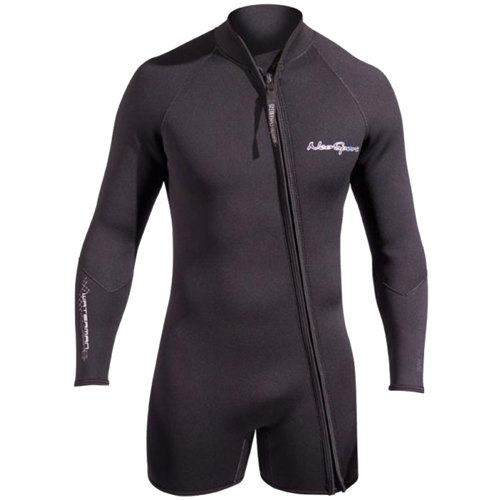
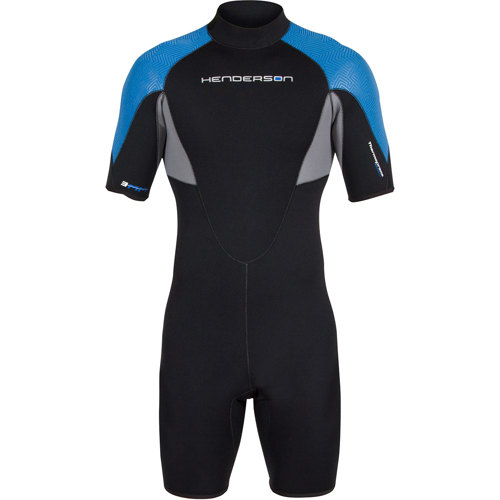
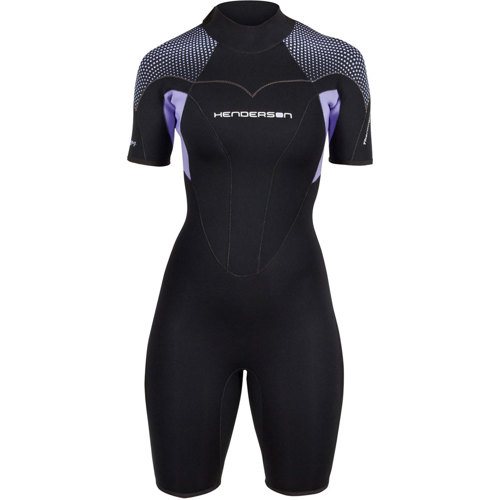
Neoprene wetsuits make thoughtful gifts for anyone passionate about water activities, from beginners taking their first lessons in a springtime pool to seasoned adventurers preparing for a cold-water dive trip. They’re also a practical investment for families who spend weekends at the beach or for athletes training in open water. As you explore different styles and thicknesses, you might find that a full-length wetsuit suits your needs for early spring, while a shorty wetsuit becomes your go-to as the water warms up—for those interested in a versatile option, our collection of
Neoprene Shorty Wetsuits offers excellent choices for warmer conditions. Whether you’re gifting a suit to a friend eager to try surfing or upgrading your own gear for the upcoming dive season, the right neoprene wetsuit can transform your experience, letting you focus on the thrill of the water rather than the temperature. With thoughtful selection and care, a quality wetsuit becomes more than just equipment—it’s your gateway to adventure, comfort, and unforgettable moments beneath the surface.