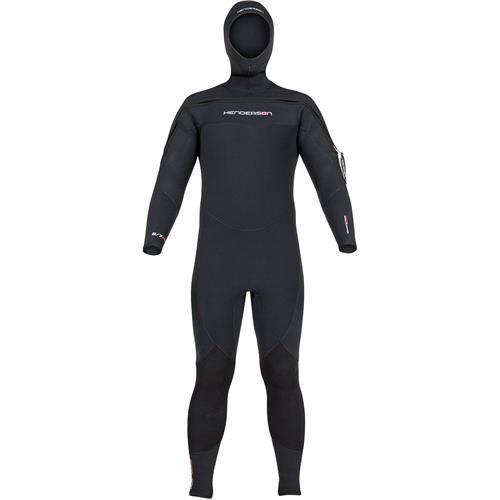
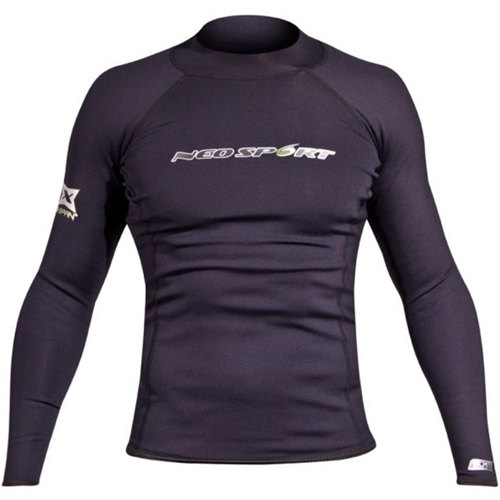
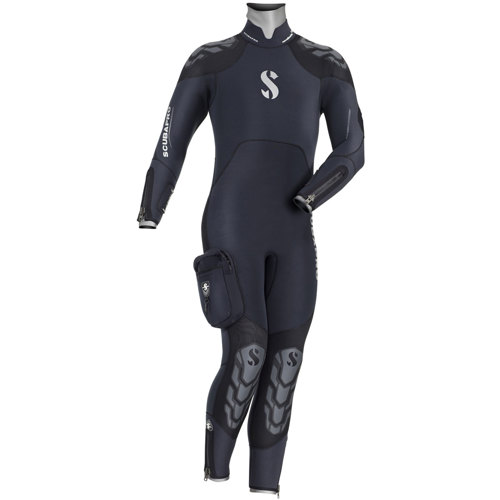
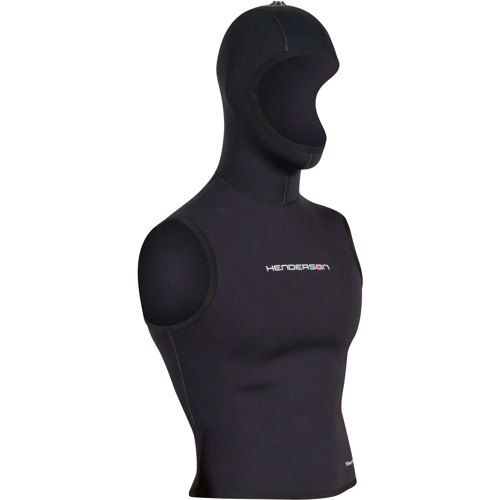
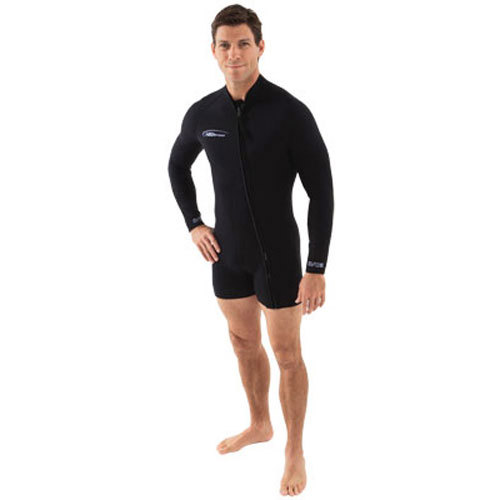
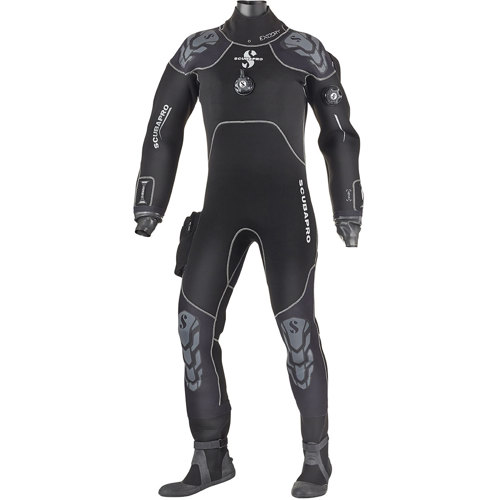
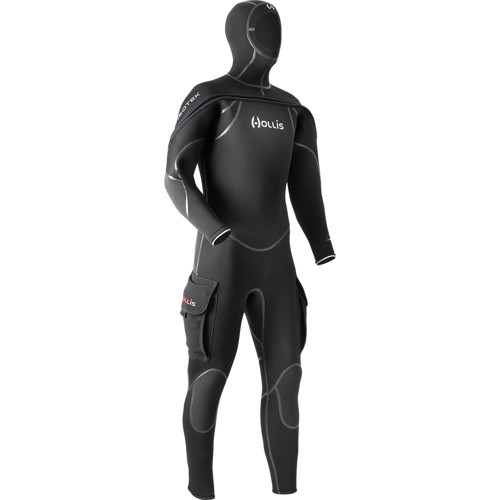
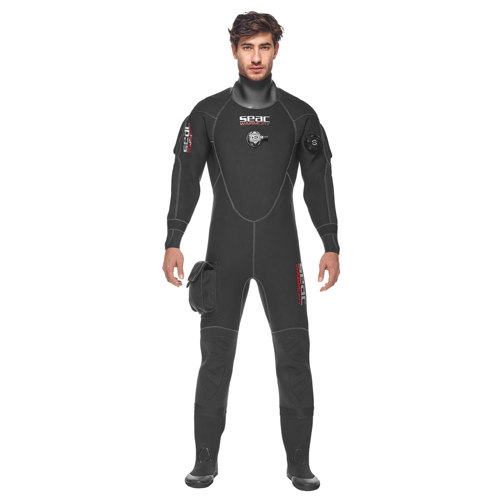
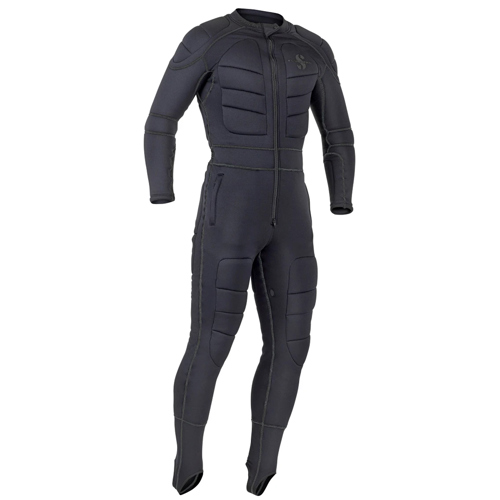
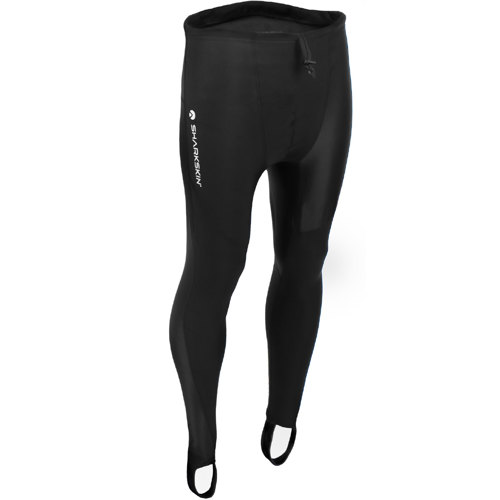
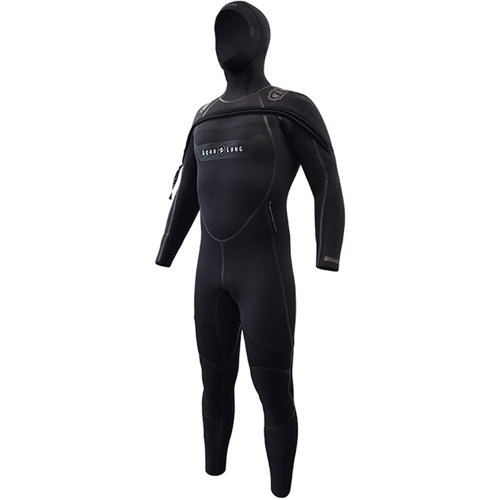
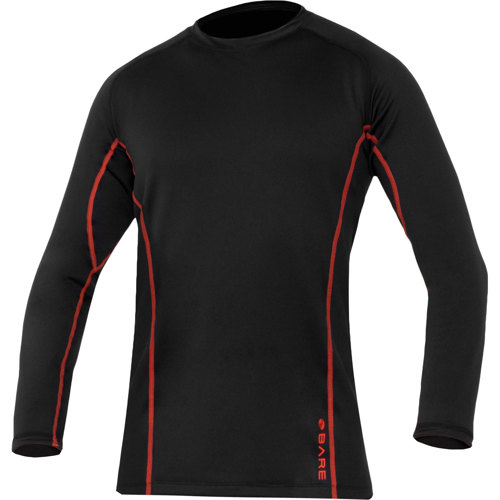
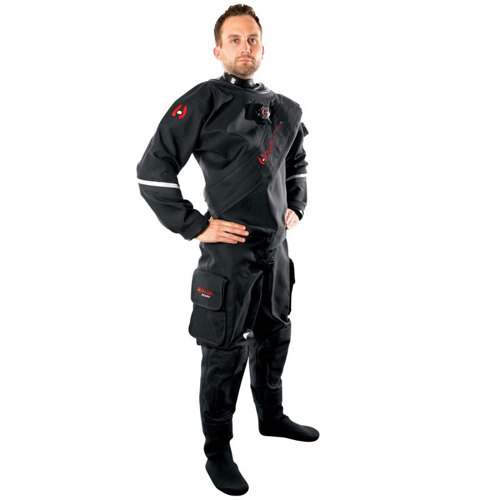
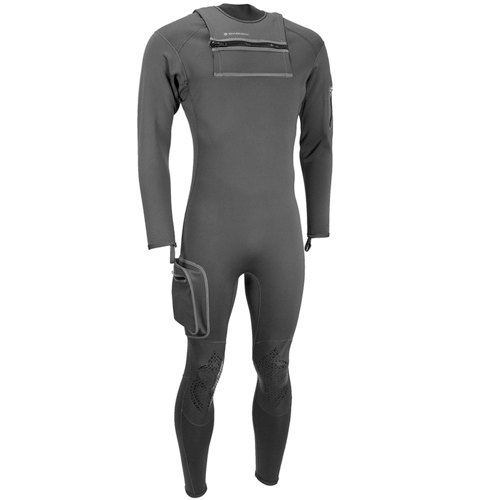
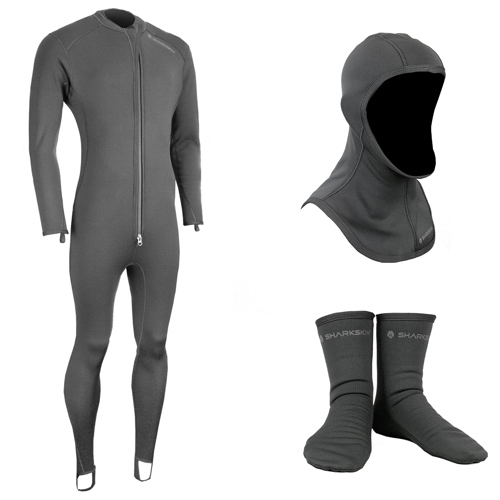
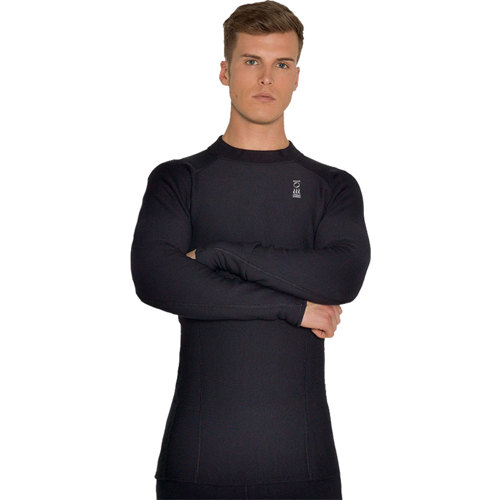
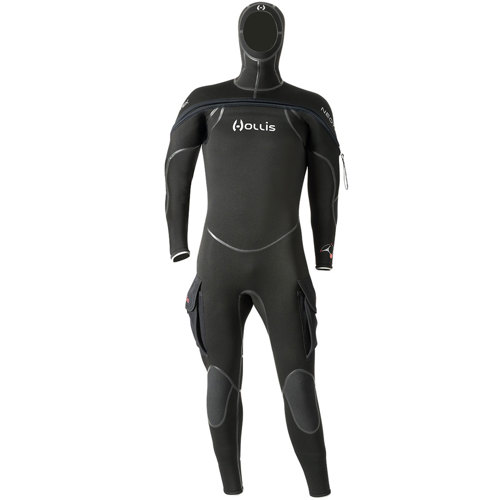
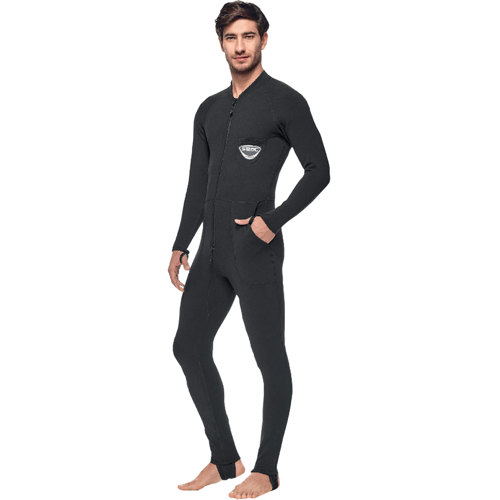
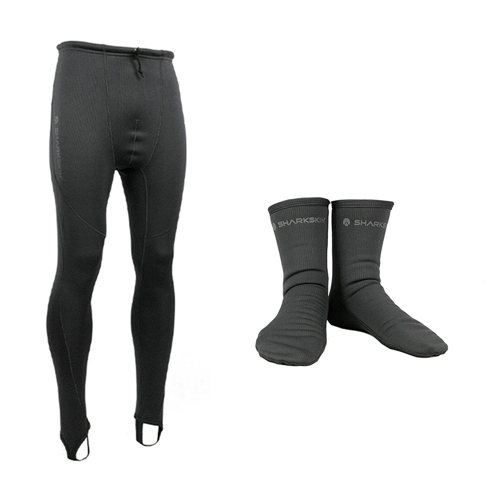
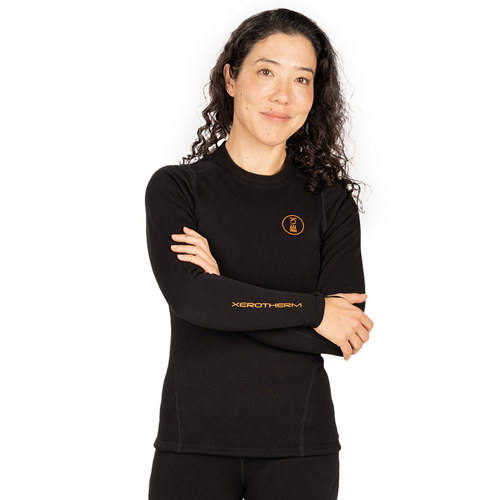
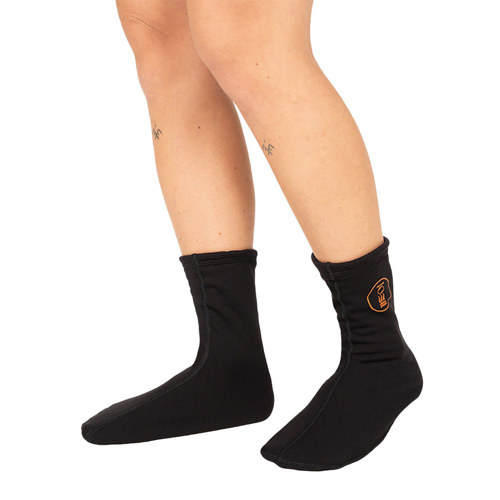
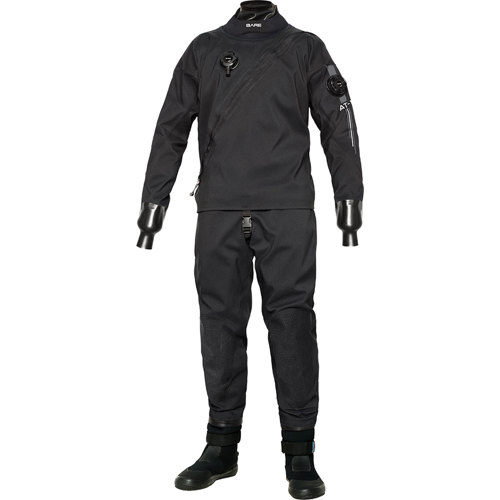
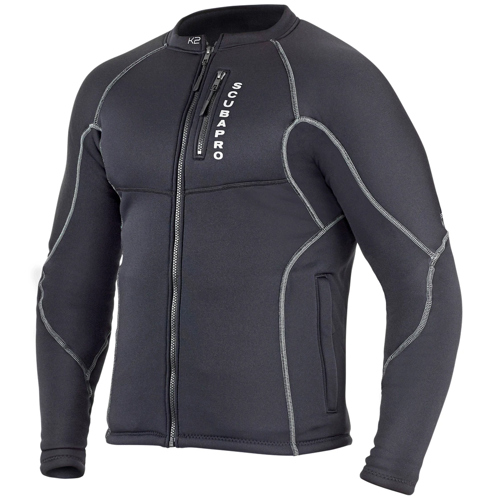
When preparing for cold-water diving, the choice of neoprene dry suit layers becomes a crucial part of your dive planning and overall comfort. As winter deepens and water temperatures drop, the right layering system can be the deciding factor between a memorable dive and a miserable one. Neoprene dry suits, with their inherent insulation, offer a unique blend of warmth and flexibility, but selecting the appropriate undergarments remains essential for regulating body temperature and ensuring moisture management. Seasoned divers know that layering starts with a moisture-wicking base layer—think polyester, polypropylene, or Merino wool. These materials pull sweat away from your skin, preventing that bone-chilling dampness that can set in after your first descent. Over this, a low-bulk, insulating mid-layer, such as a thin fleece or specialized synthetic garment, provides additional warmth without restricting movement. Unlike shell suits, which often require thick, bulky undergarments, the natural insulation of neoprene allows for a more streamlined approach—less bulk, more mobility, and still plenty of protection against the cold.
Choosing the right neoprene layer is not just about staying warm; it’s about maintaining dexterity, buoyancy control, and overall enjoyment under water. Cotton is best left on shore, as it absorbs moisture and saps body heat, leaving you cold and uncomfortable within minutes. Instead, opt for technical fabrics designed specifically for diving—these are engineered to retain warmth even when compressed at depth and to dry quickly between dives. Many divers, especially those exploring temperate or colder waters in January, swear by a combination of thermal base layers and a mid-weight fleece suit. For those braving the chilliest conditions, heated vests or gloves can be added for extra comfort, but always ensure your fit remains snug yet flexible; too many layers can restrict movement and impact trim or buoyancy. It’s also important to consider your extremities—one pair of thick wool or fleece socks is usually sufficient, as over-layering can lead to cramped feet and impaired circulation. If you’re shopping for a diver in your life, these technical undergarments make thoughtful, practical gifts, particularly for those planning winter adventures or liveaboard trips where warmth is paramount.
Every diver’s needs are unique, shaped by their experience, dive environment, and personal comfort thresholds. Some prefer the minimalism and freedom of a single neoprene layer, while others layer up for extended dives in icy waters. Fit is everything: neoprene dry suits are cut closer to the body than shell suits, so it’s vital to strike the right balance—enough insulation to stay warm, but not so much that mobility is sacrificed. Don’t forget that extra insulation can affect buoyancy, often requiring a slight adjustment to your weighting. Whether you’re exploring kelp forests, investigating shipwrecks, or simply enjoying a peaceful winter dive, the right combination of base and mid-layers can make all the difference. For more information on selecting the ideal neoprene layer for your next adventure, visit our comprehensive guide at
Neoprene Layers and dive into comfort, safety, and warmth all season long.