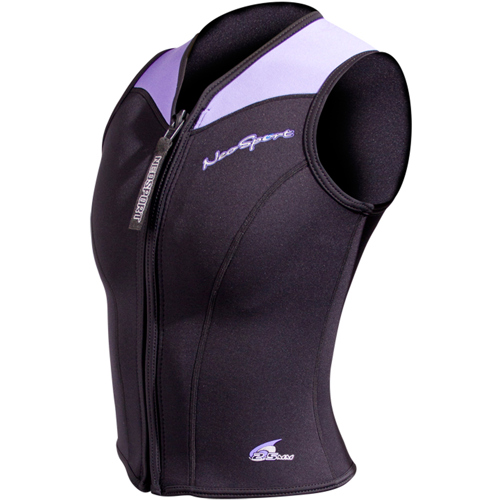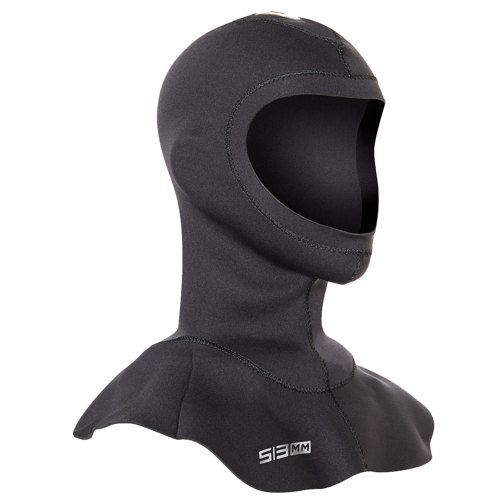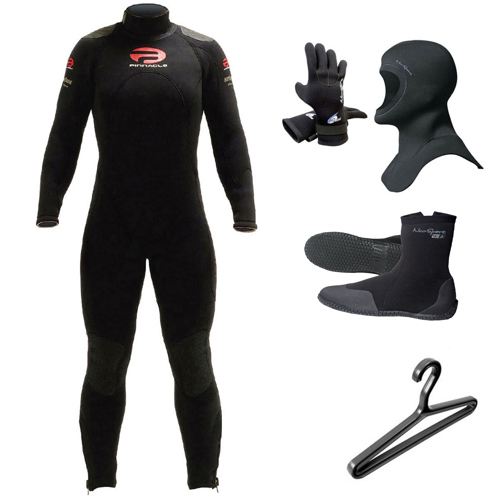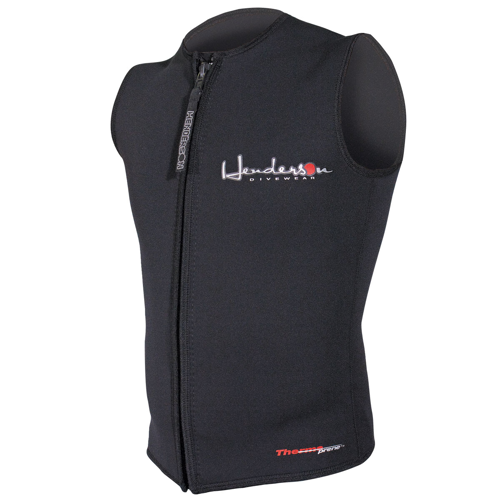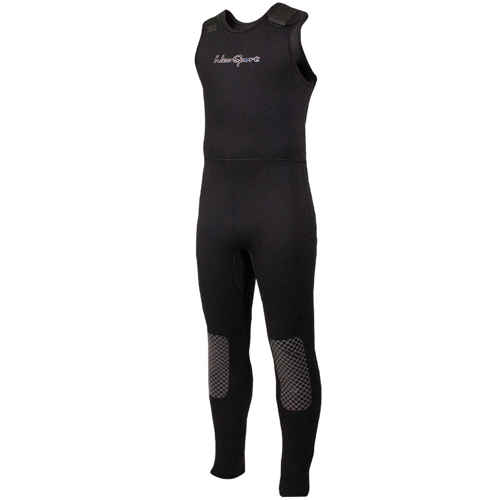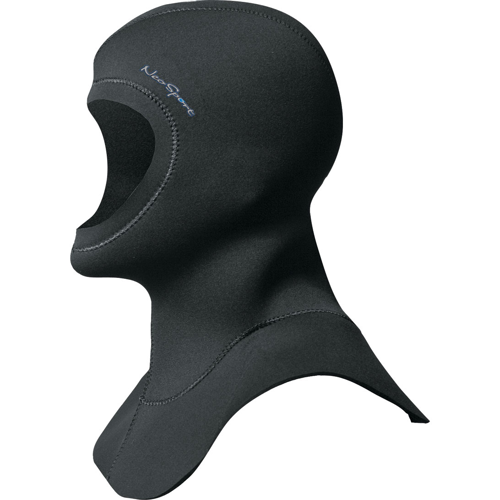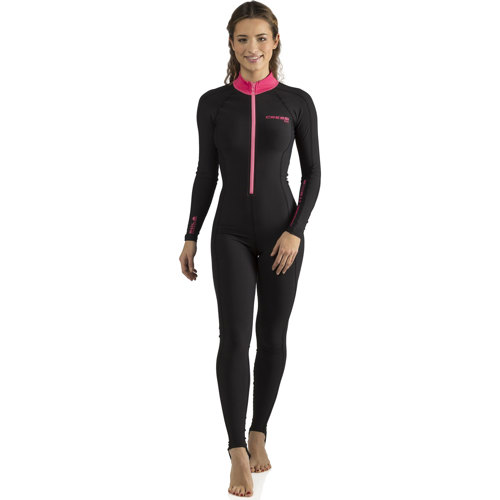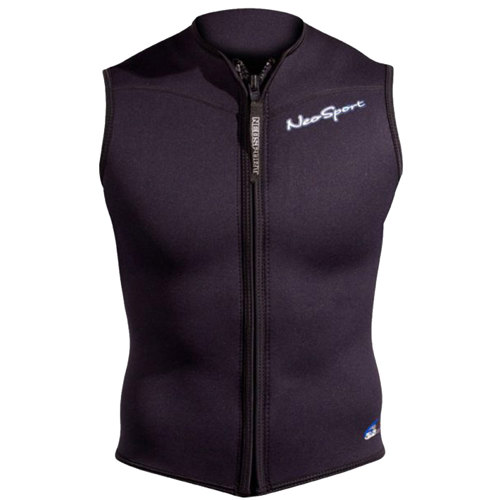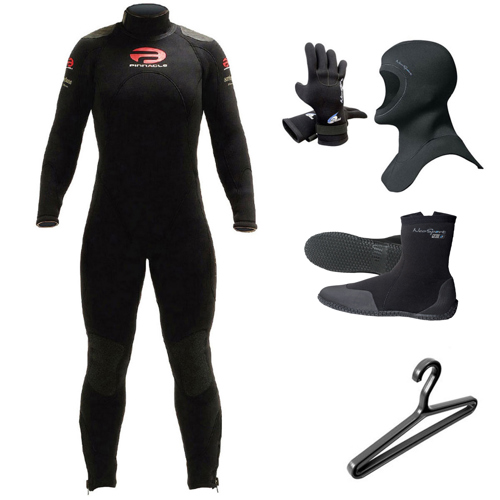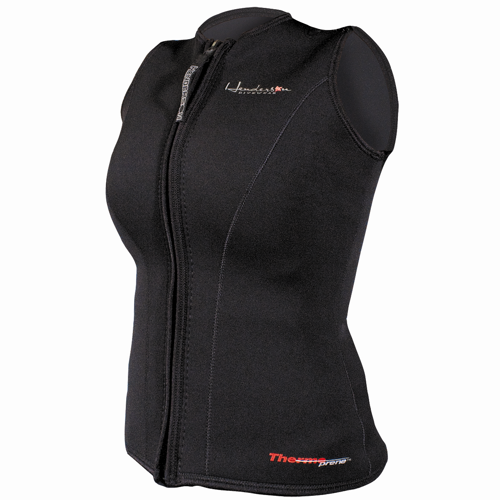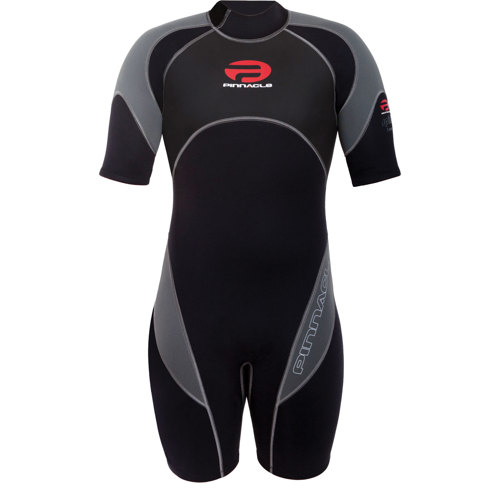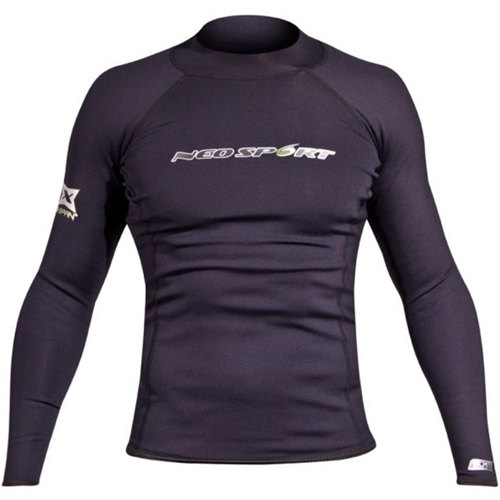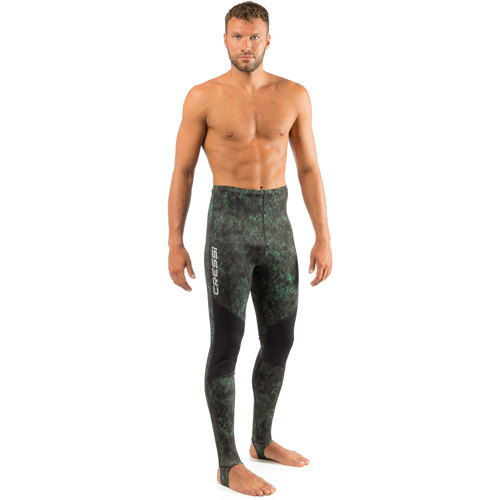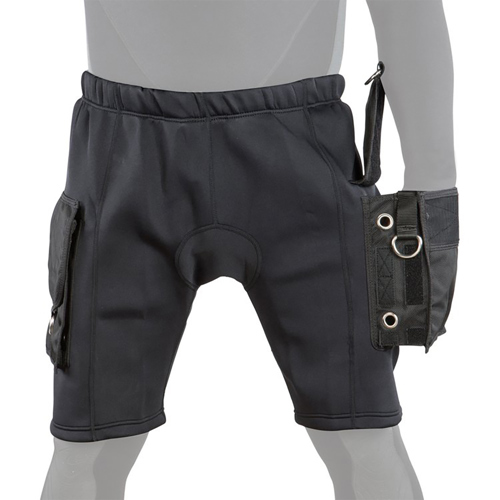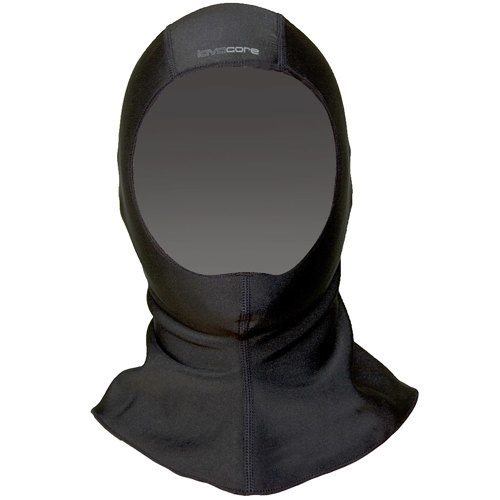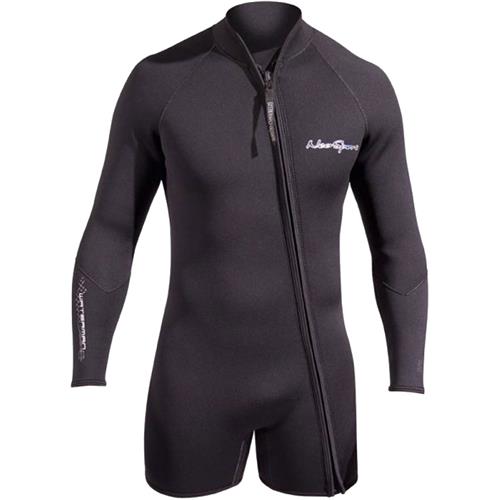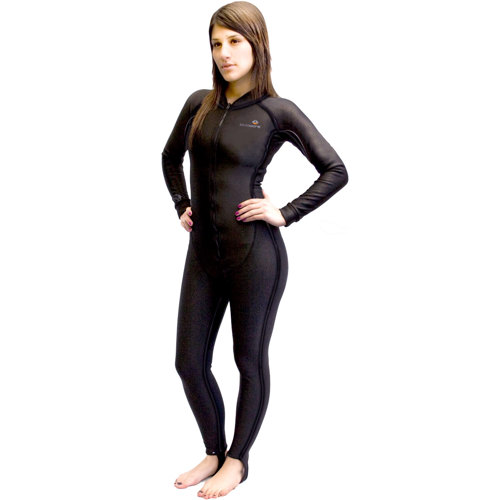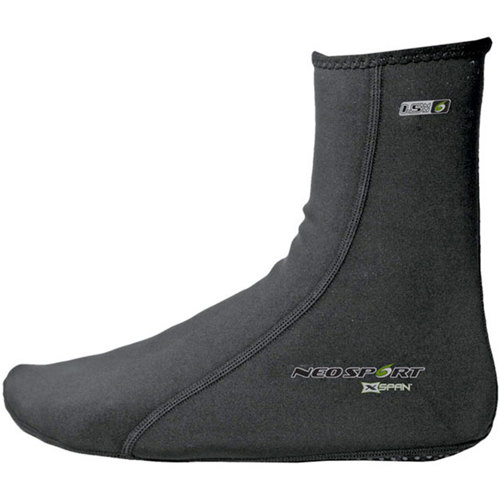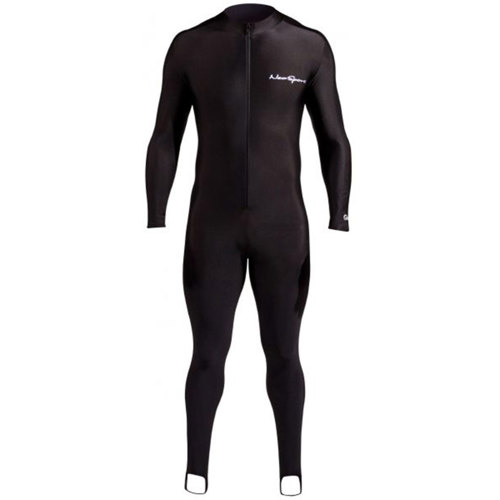
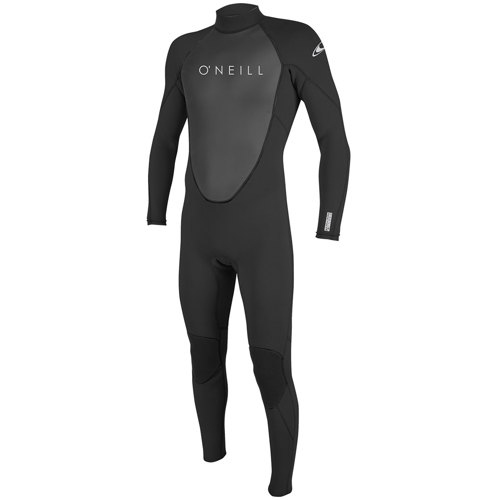
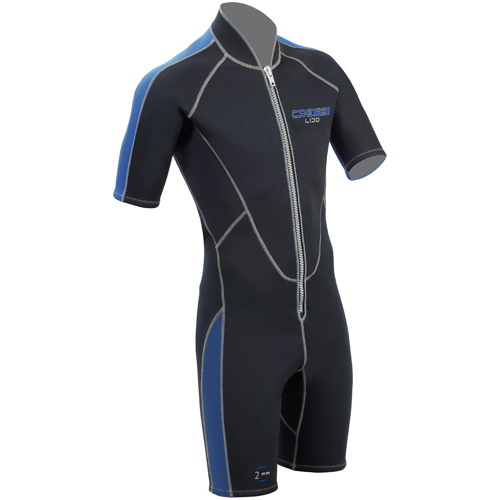
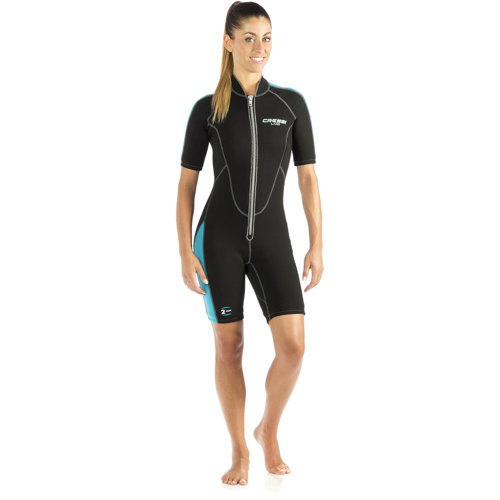
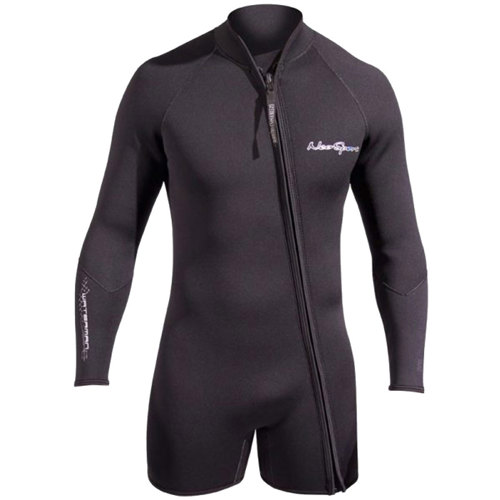
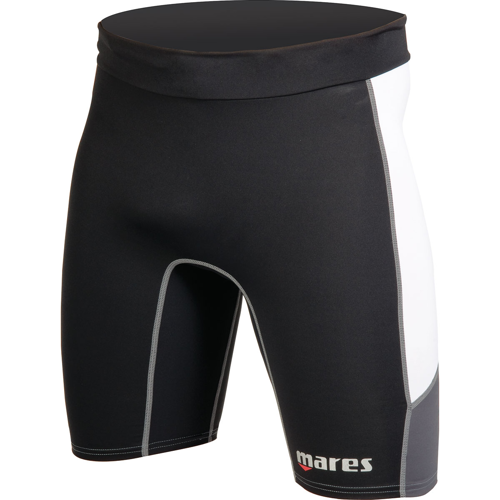
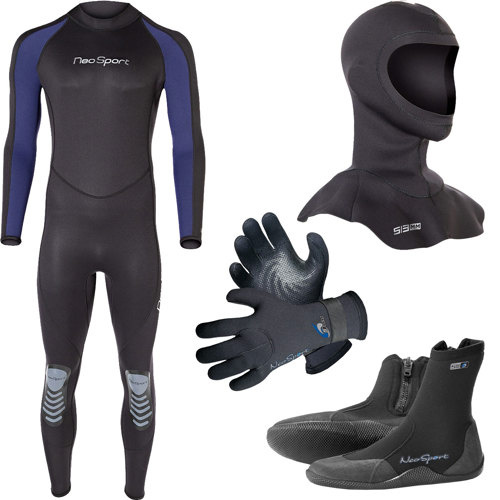
Wetsuit layering is an essential strategy for divers, snorkelers, surfers, and anyone who enjoys spending extended time in the water, especially as conditions shift from the cool mornings of late spring to the sun-drenched afternoons of late summer. With water temperatures and weather patterns often fluctuating throughout the season, layering wetsuits allows you to fine-tune your comfort and protection without sacrificing mobility or adding unnecessary bulk. Whether you’re gearing up for early morning dives when the water can still bite with a chill, or planning a long day of paddleboarding under a blazing sun, the right combination of base, mid, and outer layers can make all the difference. Many seasoned divers start with a lightweight rash guard or a skin-tight thermal shirt as a base layer, which not only provides a barrier against chafing seams but also helps with hygiene and sun protection during surface intervals. Over this, a thin neoprene vest or shorty adds targeted insulation around your core, letting you adapt to cooler thermoclines or longer sessions. The main wetsuit—often a marine wetsuit designed for versatility and durability—serves as the primary shield against cold and abrasion, while accessories like gloves, boots, and hoods protect the extremities, which are especially prone to heat loss.
For those who are new to watersports or are shopping for gifts, wetsuit layering offers a practical and thoughtful way to support a loved one’s time in the water. It’s a popular choice for both beginners and experienced divers, since layering wetsuits can be tailored to individual tolerance for cold, activity level, and the specific demands of local dive sites or surf breaks. A well-chosen set of layers can extend a diver’s season, making it possible to enjoy early spring dives or late summer excursions without discomfort. It’s also a great solution for travelers who expect to encounter a range of water temperatures on a single trip. When selecting gear, fit and adjustability are key—look for features found in the best adjustable wetsuit options, such as flexible panels, secure seals, and easy-to-use closures, which allow for a snug yet comfortable fit over multiple layers. Materials matter too: high-stretch neoprene and quick-drying fabrics can enhance comfort and reduce the hassle of changing between dives or activities. And if you’re looking for more specialized thermal protection, especially for colder environments or technical diving, you might want to explore additional options like
Neoprene Dry Suit Layers, which provide advanced insulation and layering solutions.
The beauty of wetsuit layering lies in its adaptability. Whether you’re a freediver chasing summer’s first thermocline, a spearfisher heading out before sunrise, or a recreational swimmer who loves to linger in the water, layering lets you personalize your setup for every adventure. It’s not just about staying warm; it’s about maximizing your time and enjoyment in the water, preventing chafing, and protecting your skin from the elements. Many divers share stories of how an extra vest or thermal rash guard transformed a shivering, shortened dive into a relaxed, memorable experience. For families, layering wetsuits is especially useful when outfitting growing kids—adding or removing layers as they change or as conditions shift. As you browse the selection of layering gear, consider how each piece can help you adapt to the day’s conditions, extend your comfort, and make every outing on, in, or under the water more enjoyable.