Marine Safety Equipment
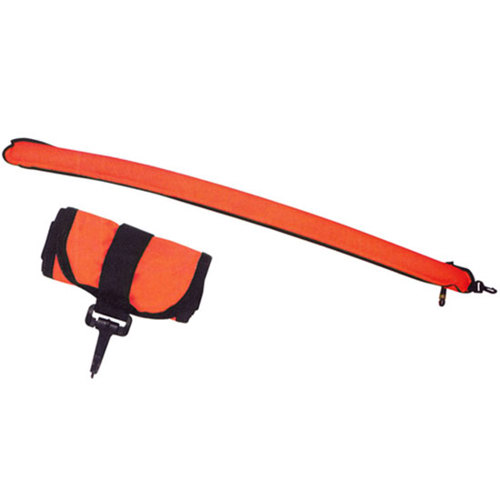
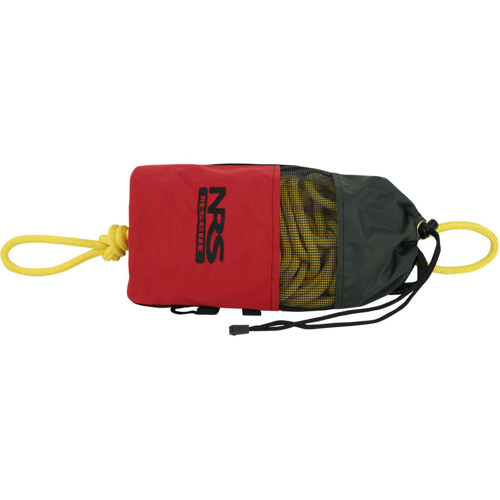
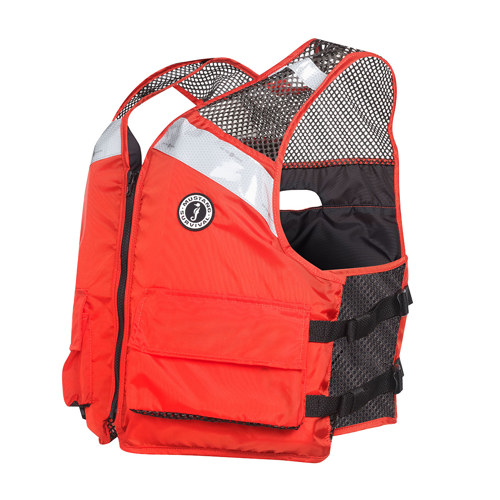
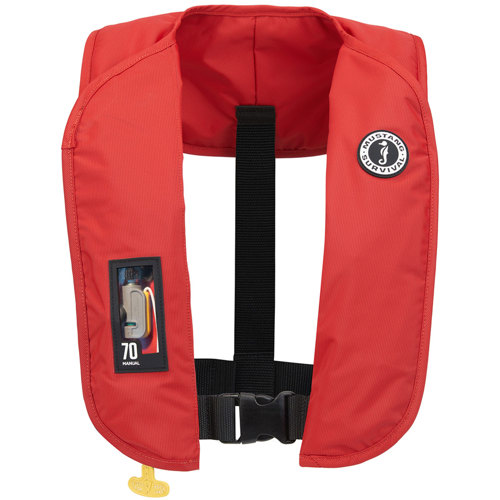
Staying safe on the water requires a thoughtful approach to preparation, and the right marine safety equipment can make all the difference in both routine outings and unexpected emergencies. Whether you’re a recreational boater, a dedicated scuba diver, or someone who spends long hours working offshore, assembling a reliable set of marine safety products is an essential part of responsible seamanship. As the weather warms and waterways become busier, the need for comprehensive open water safety equipment becomes even more apparent. The basics begin with USCG-approved personal flotation devices for every passenger, but true preparedness means going beyond the minimum requirements. Sound-producing devices such as whistles or horns ensure you can signal for help, while visual distress signals—whether classic pyrotechnic flares or modern LED beacons—can be literal lifesavers if you need to attract attention from a distance. Many seasoned mariners keep a dedicated abandon ship or “ditch” bag packed with waterproof flashlights, signal mirrors, spare batteries, and other survival essentials that can be grabbed at a moment’s notice. Emergency beacons like EPIRBs and PLBs offer peace of mind, transmitting your exact location to search and rescue authorities should the unexpected occur far from shore. For those venturing offshore or exploring remote dive sites, inflatable life rafts and comprehensive marine first aid kits round out a prudent safety arsenal.
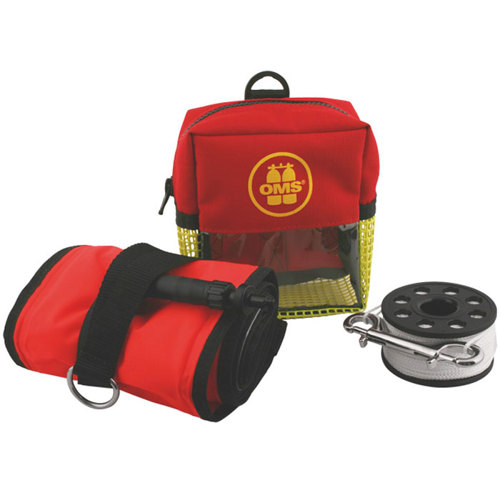
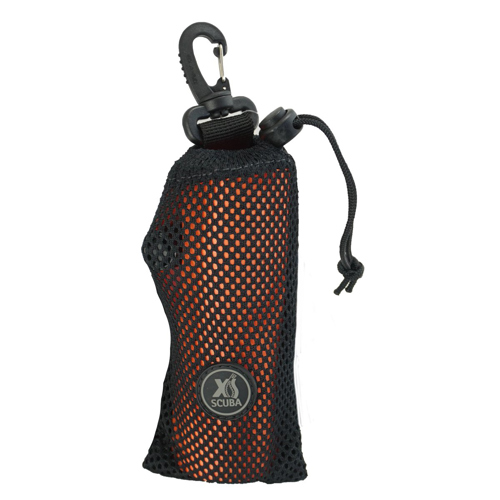
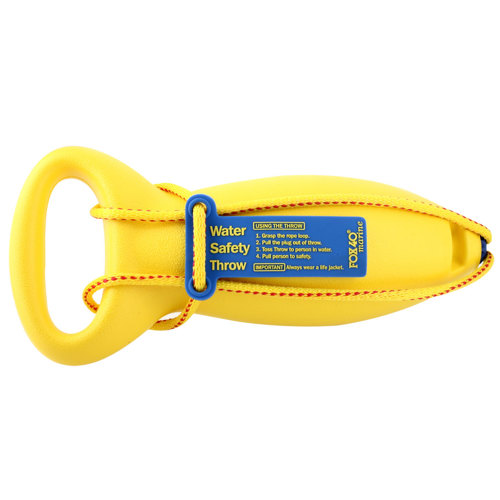
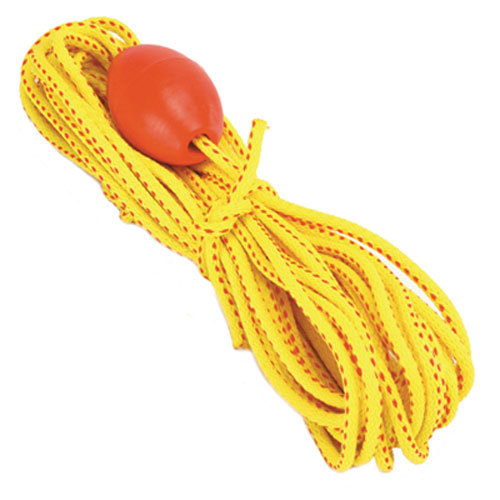
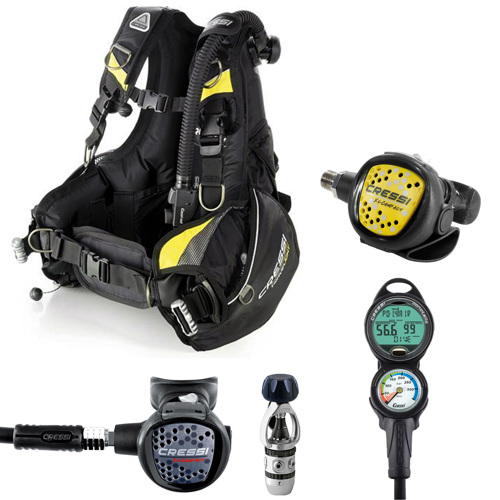
Marine safety equipment isn’t just for boat owners or seasoned professionals—it’s also a thoughtful and practical gift for anyone who loves the water, from new boaters to experienced divers, kayakers, or paddleboarders. Parents introducing their children to marine adventures will find reassurance in robust safety gear, while maritime workers depend on specialized safety gear for maritime workers tailored to the unique risks of their environment. First responders and marine biologists often require advanced marine biology equipment for first responders, such as oxygen kits, trauma supplies, and rapid-deployment flotation devices, to ensure they’re ready for any scenario while conducting research or performing rescues. When selecting gear, consider not only the type and size of your vessel but also the waters you’ll be navigating—coastal boating, open ocean crossings, and inland lakes each present distinct hazards and regulatory requirements. Features like water resistance, buoyancy, visibility, and ease of deployment should factor heavily into your decision-making process. Many boaters and divers appreciate the peace of mind that comes from having their safety essentials organized in purpose-built
Marine Safety Kits, which bundle critical items for quick access in an emergency. As the seasons shift and adventures on the water continue, investing in quality marine safety equipments ensures you’re prepared for both everyday fun and the unexpected, allowing you to focus on the joys of exploration with confidence and security.