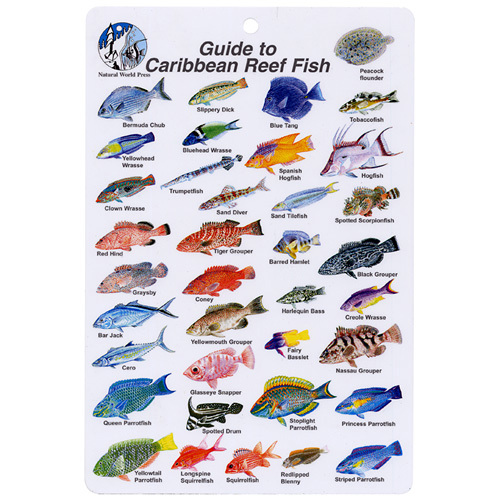
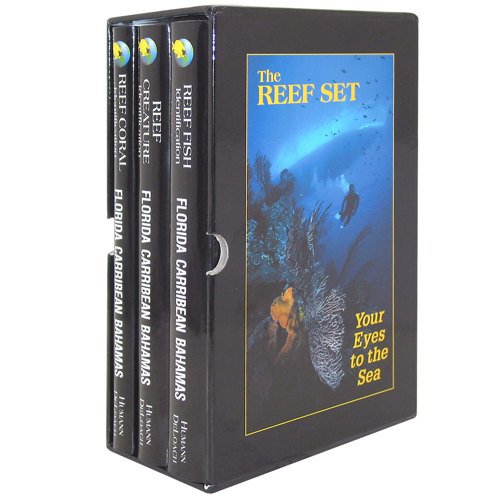
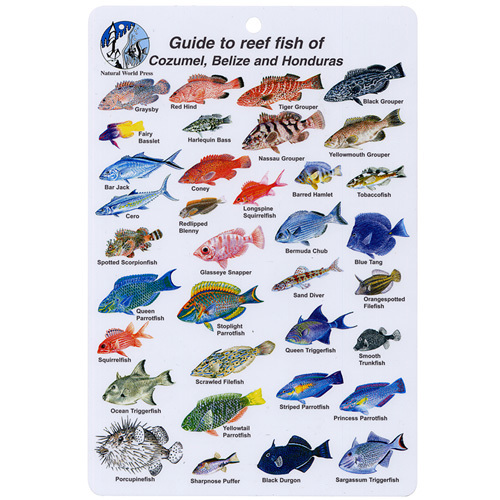
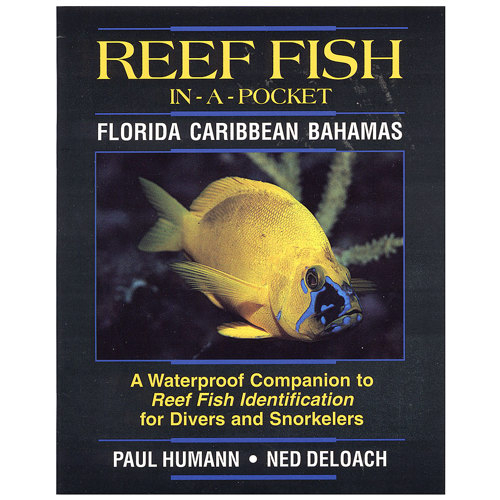
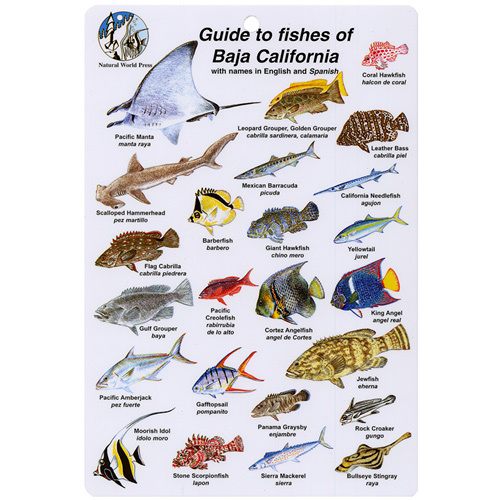
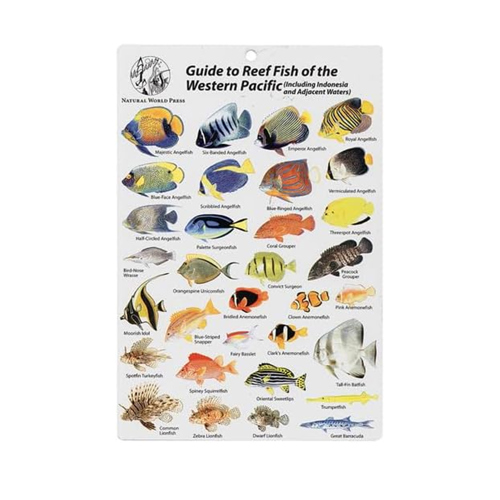
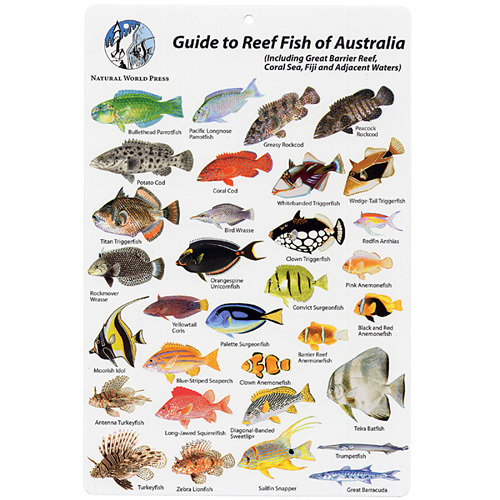
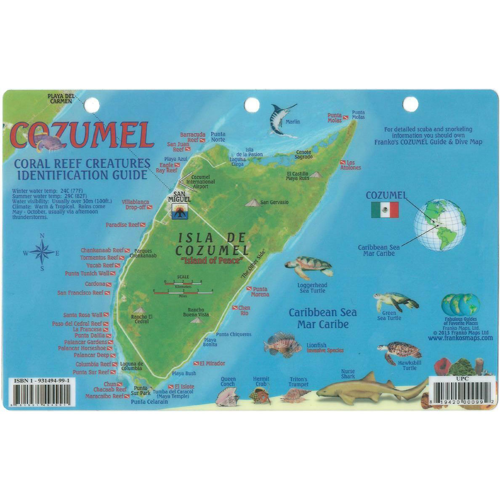
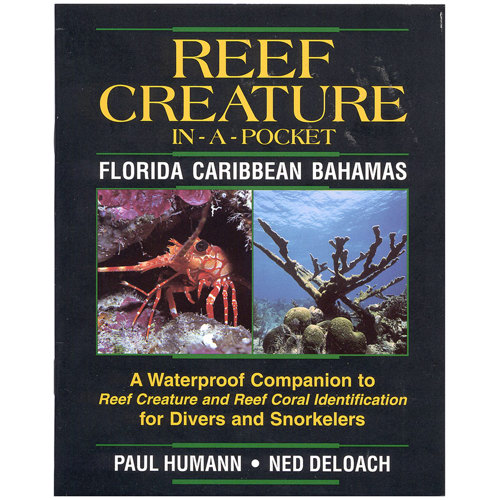
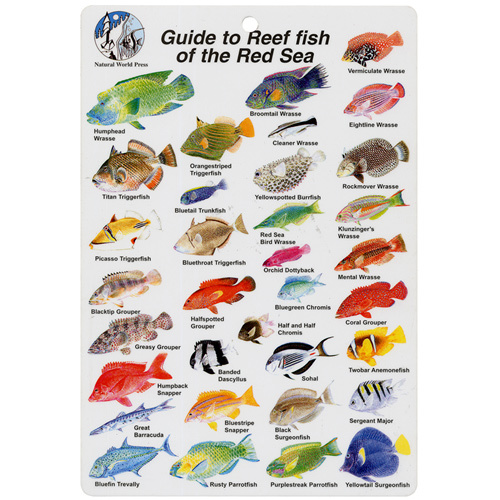
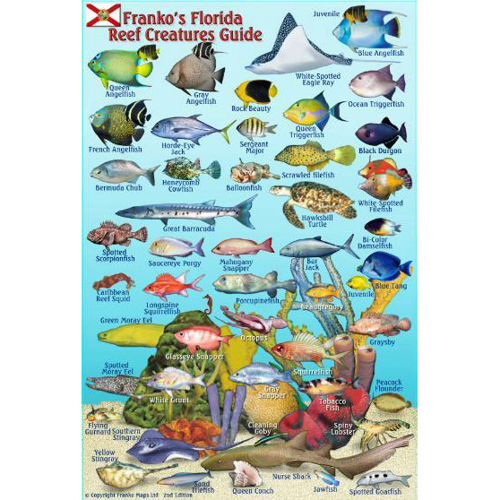
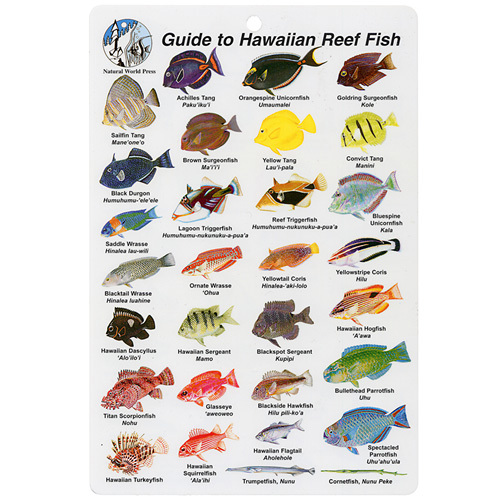
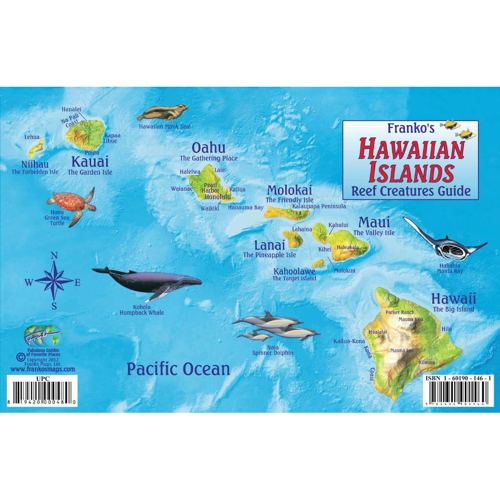
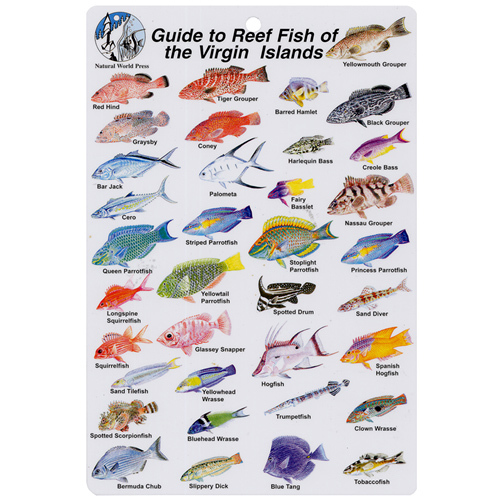
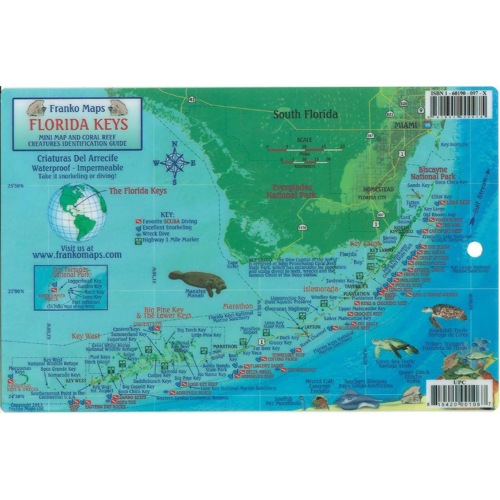
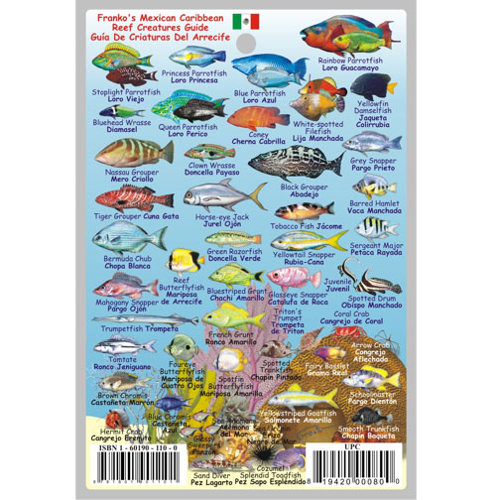
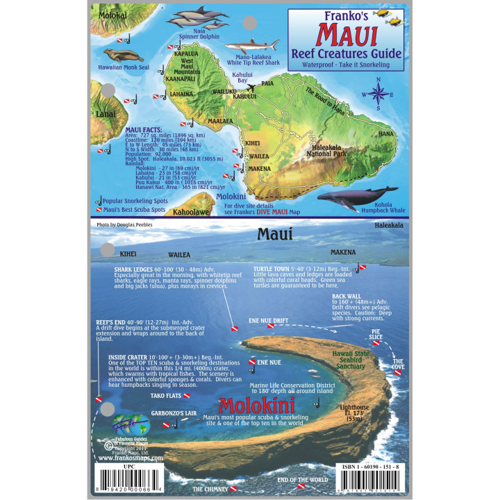
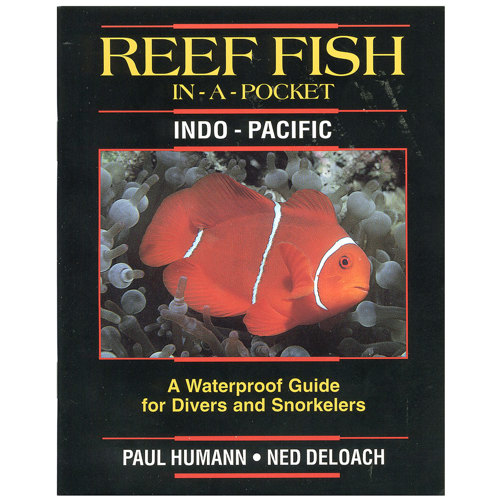
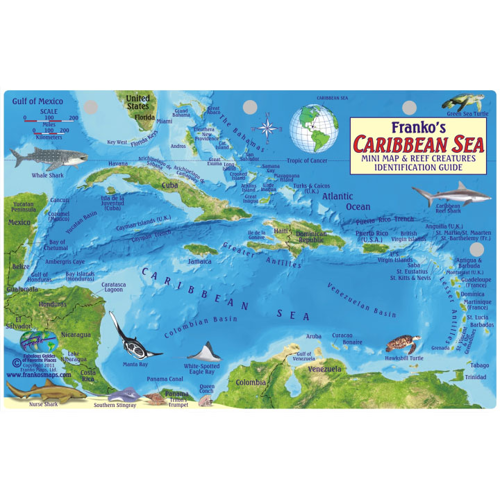
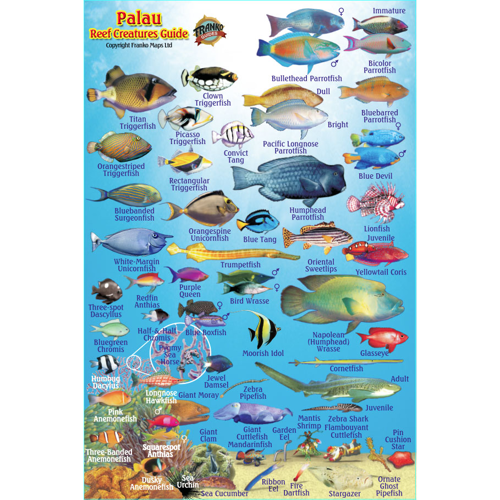
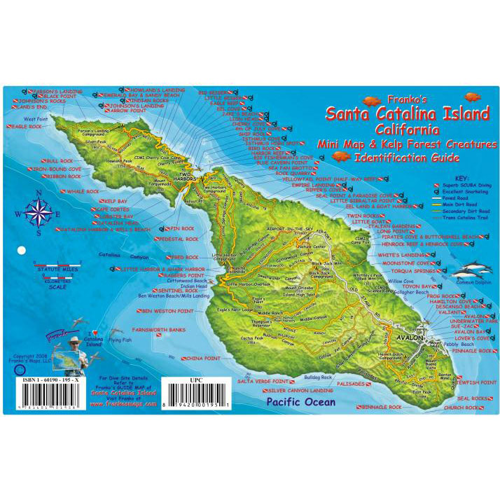
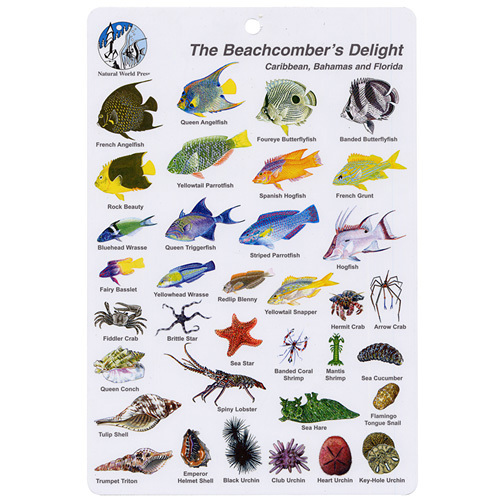
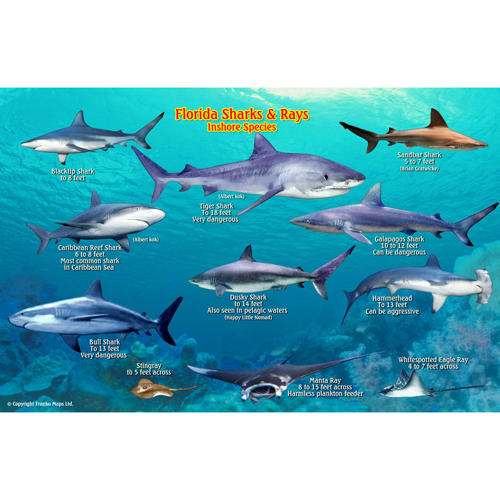
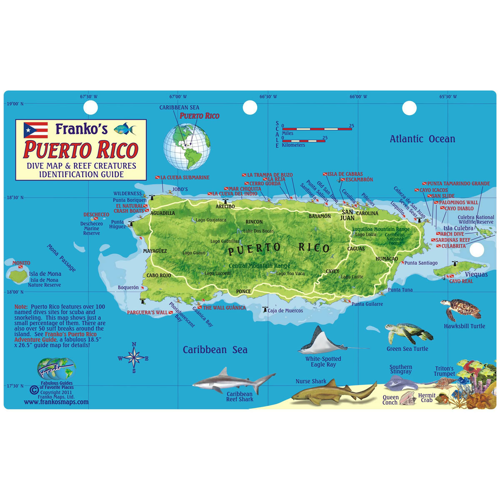
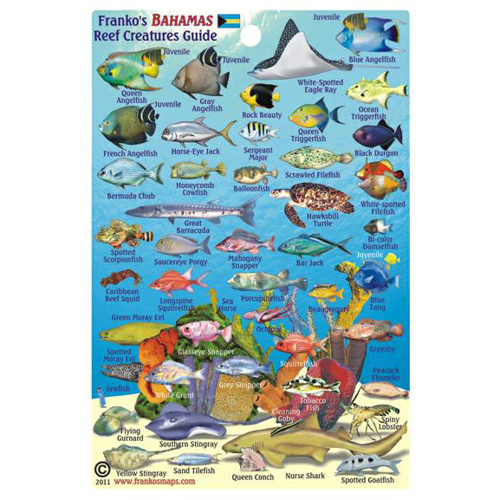
Exploring the underwater world is a journey marked by discovery, and having the right marine id resources on hand can turn every dive into an interactive learning experience. Marine id maps and marine identification tools are essential for divers, snorkelers, boaters, and marine enthusiasts who want to deepen their connection with the ocean. These products are designed to help users recognize, understand, and appreciate the incredible diversity of marine life and underwater habitats. Whether you’re planning a summer dive trip, prepping for a family snorkeling adventure, or simply want to enhance your knowledge of local reefs and marine protected areas, a reliable marine id map is invaluable. For those who enjoy fishing, sailing, or kayaking, marine id cards and maps can also provide critical information about underwater topography, artificial reefs, and regulatory boundaries, helping you navigate responsibly and maximize your time on the water.
The appeal of marine id products goes beyond their practical function—they make thoughtful and educational gifts for ocean lovers of all ages. Imagine gifting a young snorkeler their first marine id card, sparking a lifelong interest in marine biology, or equipping a seasoned diver with a detailed map that reveals hidden ledges and vibrant habitats beneath the waves. During the warmer months, as water temperatures rise and visibility improves, more people are drawn to the sea, making this the perfect season to update your collection of marine id tools. From high-resolution 3D relief maps that highlight underwater structures to portable cards that slip into your wetsuit pocket, these resources cater to everyone from beginners to expert marine naturalists. They’re especially useful for those participating in citizen science projects, underwater photography, or eco-tourism, where accurate marine life identification and habitat awareness are key to responsible exploration.
When selecting a marine id map or card, consider the environment you’ll be exploring and the level of detail you need. Some maps offer intricate bathymetric data for identifying underwater features like drop-offs, wrecks, and coral formations, while others focus on regulatory layers, such as marine protected area boundaries and fishing zones. Durability is also important—look for waterproof, tear-resistant materials that can withstand repeated use in saltwater and sun. For divers, a compact scuba id card is ideal for quick reference underwater, while boaters might prefer larger, laminated maps for onboard navigation. Many modern marine identification products also integrate digital tools, allowing you to access live data and updates on your smartphone or tablet. No matter your approach, investing in quality marine id resources enhances safety, supports conservation, and adds a richer dimension to every marine adventure. For a comprehensive selection of guides and resources to complement your marine id map, visit our curated collection of
Marine Identification Guides.