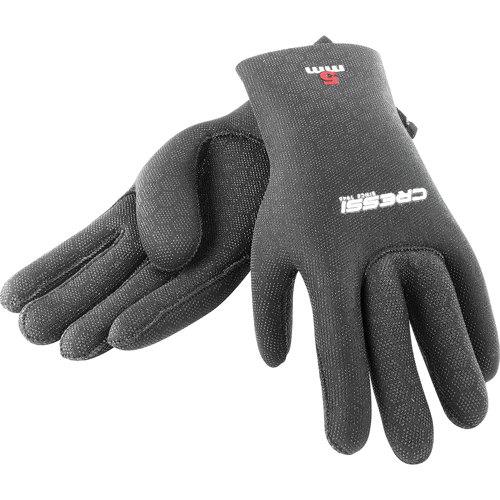
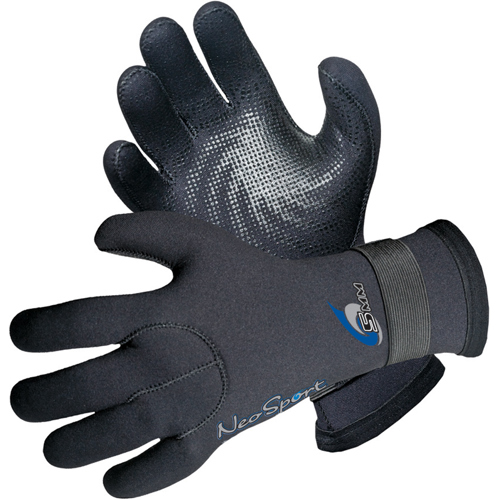
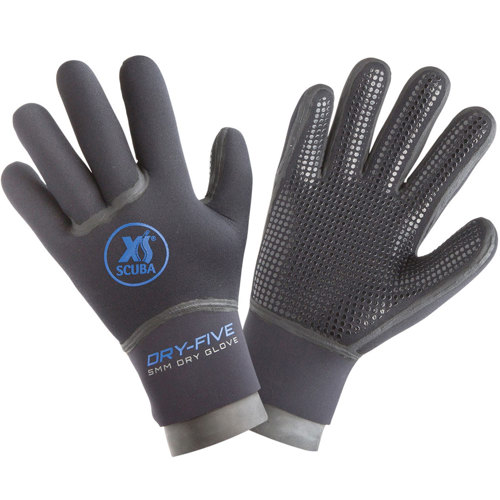
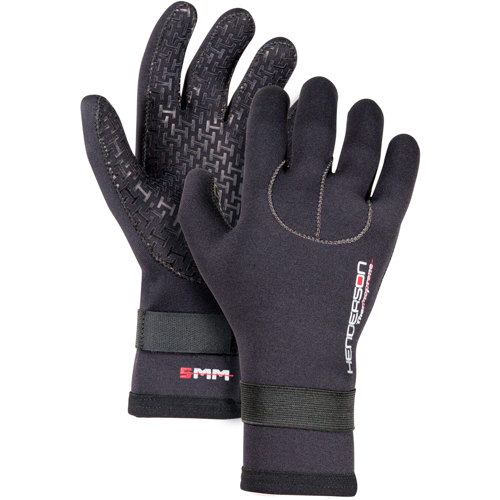
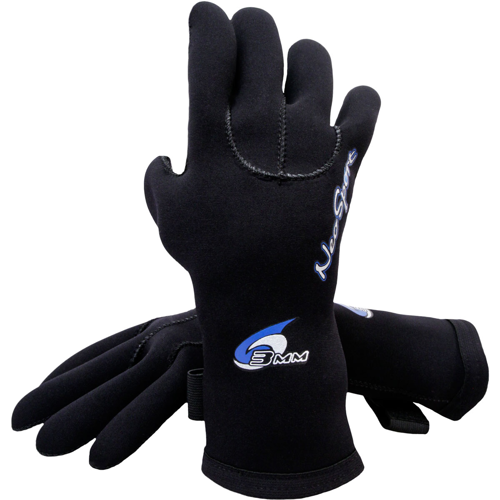
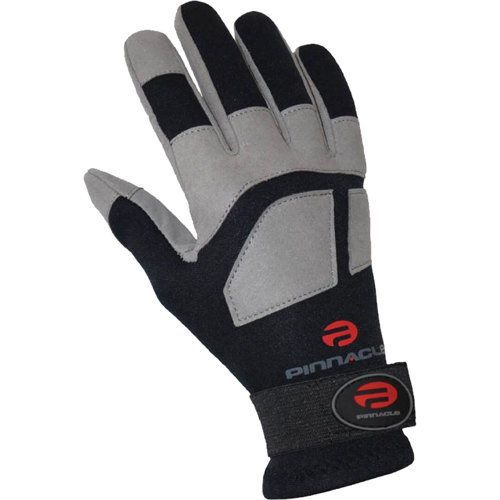
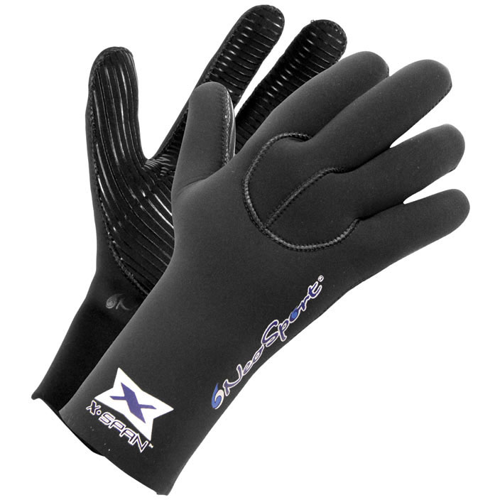
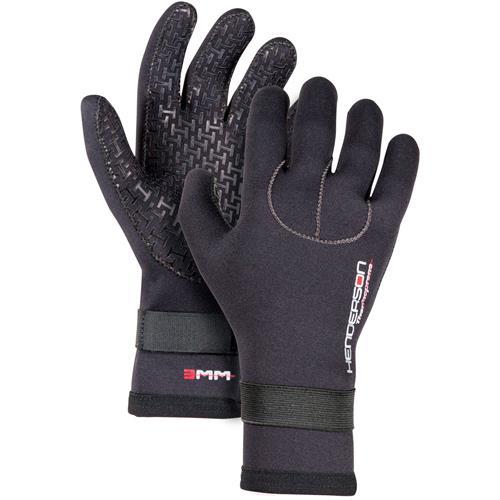
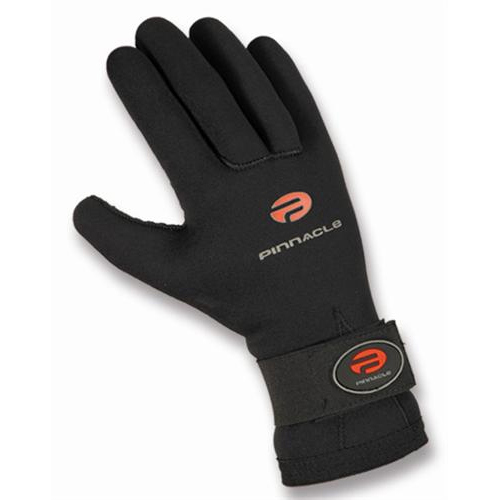
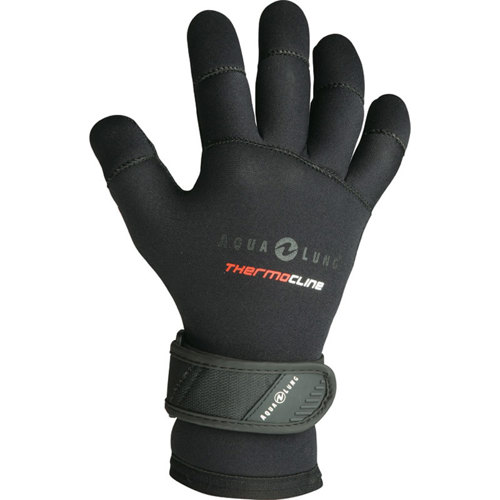
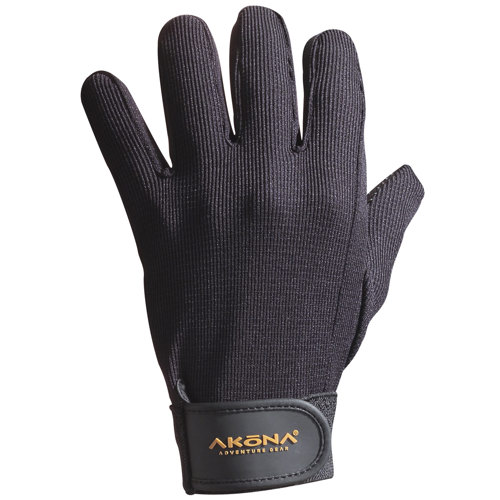
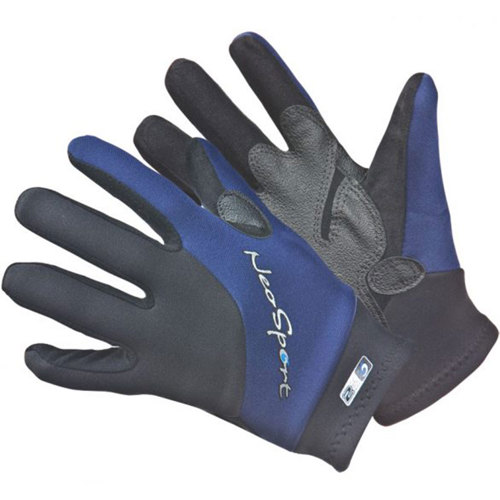
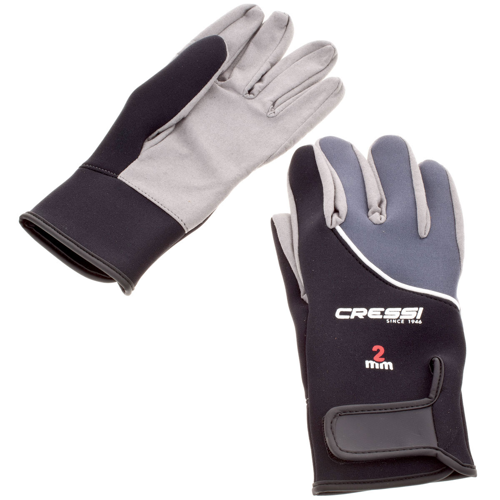
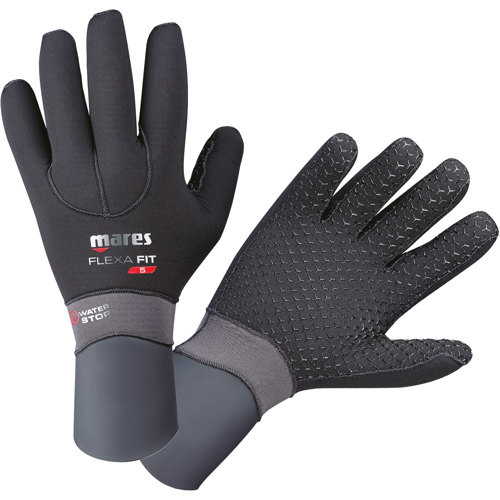
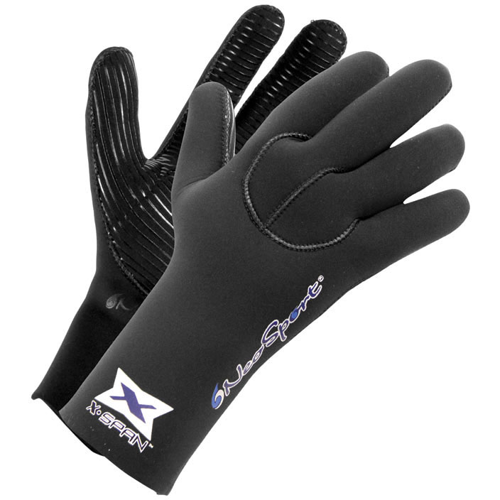
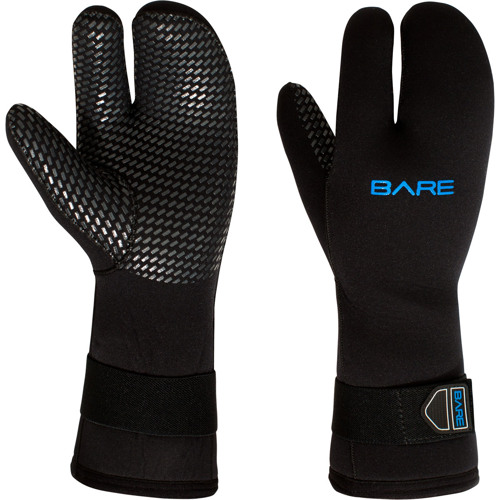
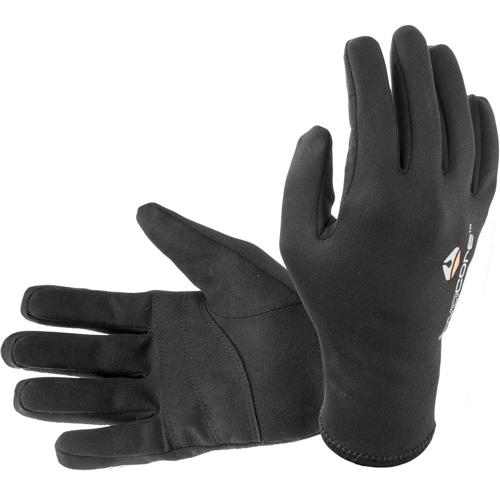
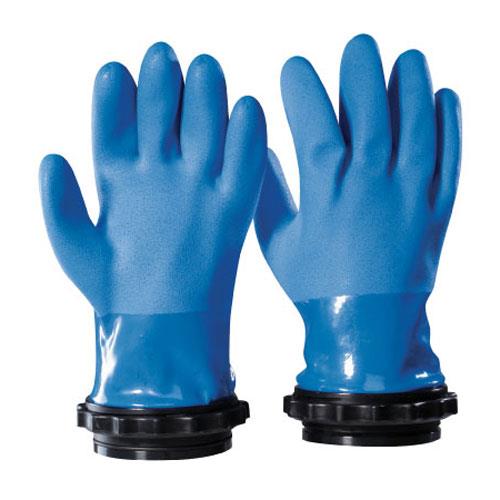
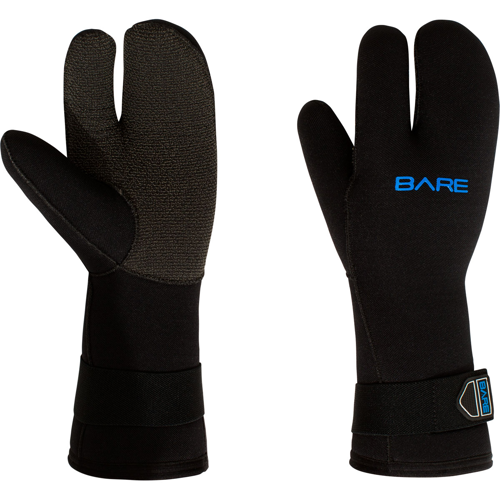
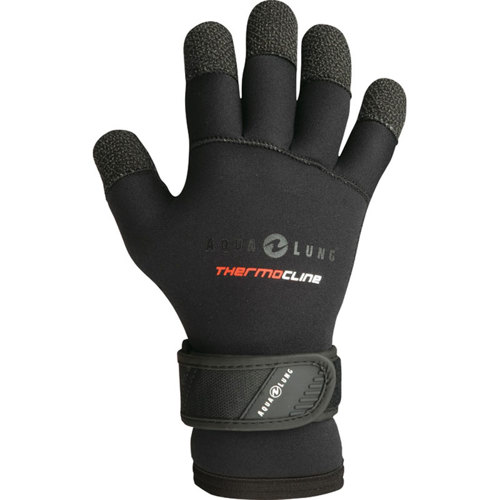
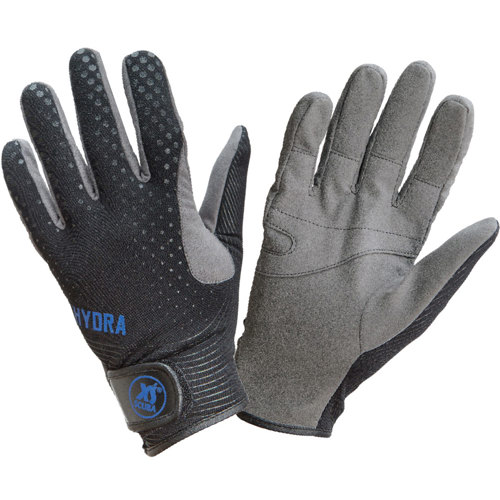
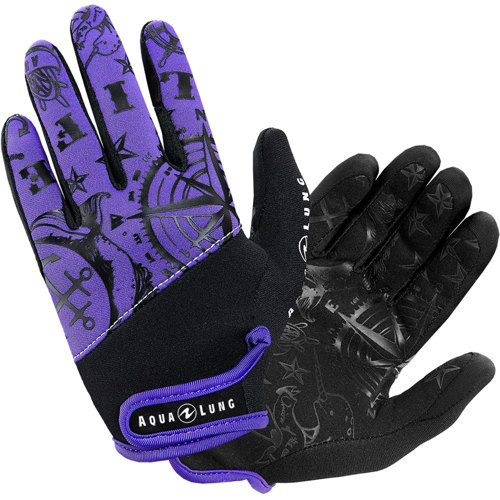
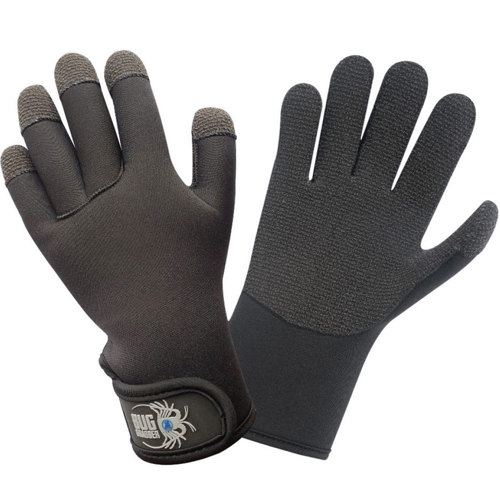
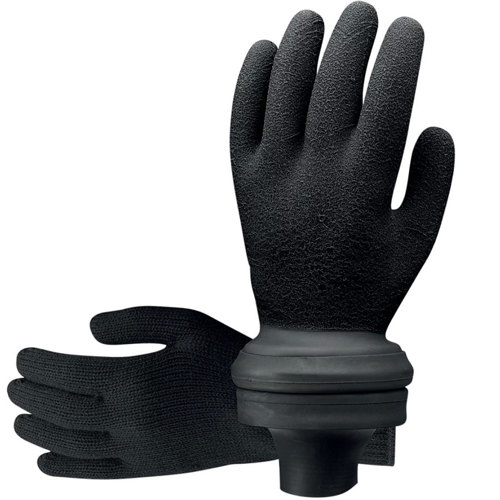
Whether you’re gearing up for a spring dive, prepping for a season of offshore fishing, or getting ready to maintain your aquarium, marine environment gloves are a vital piece of your watersports and aquatic toolkit. As March ushers in longer days and milder temperatures, water enthusiasts of all kinds start to plan their next adventures, and protecting your hands becomes more important than ever. The right gloves are more than just an accessory—they’re essential for comfort, safety, and performance in unpredictable marine conditions. Crafted from advanced materials like neoprene, nitrile, or latex, these gloves are engineered to withstand the unique challenges of wet environments. Neoprene gloves, for example, are prized among divers and snorkelers for their thermal insulation and flexibility, allowing for dexterous movement even in cold water. Nitrile and latex options excel in their waterproof and puncture-resistant properties, making them an excellent choice for handling sharp gear, fish spines, or abrasive surfaces. Technical hybrids, blending waterproof and breathable fabrics with reinforced palms, offer versatile protection for those who split their time between sailing, fishing, and underwater exploration.
Marine environment gloves are designed to meet the needs of a wide range of users, from seasoned divers navigating rocky reefs to sailors gripping slick ropes on a brisk morning sail. Anglers appreciate double-dipped nitrile gloves for their superior grip on wet surfaces and robust defense against fin spines, while aquarium hobbyists rely on long, chemical-resistant gloves to maintain tanks without risking skin irritation or contamination. These gloves are also a thoughtful gift for anyone who spends time on or near the water—whether they’re a weekend paddleboarder, a commercial fisherman, or a marine biologist conducting fieldwork. The tactile sensitivity provided by modern marine gloves means you can tie knots, manage lines, or handle delicate marine life without sacrificing protection. For those venturing into deeper or colder waters, specialized options like
Deep Sea Gloves provide an extra layer of insulation and durability, ensuring hands stay warm and agile during extended submersion. The right pair of gloves can make all the difference, transforming a challenging task into a comfortable and safe experience.
When choosing marine environment gloves, consider the specific conditions you’ll face and the activities you love most. Think about the water temperature, the potential hazards—like barnacles, sea urchins, or sharp equipment—and how much dexterity you’ll need for your tasks. Many water sports enthusiasts keep several pairs on hand, rotating between lightweight gloves for warm-weather snorkeling and thicker, reinforced styles for early spring or deep-sea dives. The transition from winter to spring is an ideal time to assess your gear, ensuring your gloves are free from tears, fit snugly without restricting movement, and are appropriate for your next adventure. Investing in quality marine gloves not only protects your hands from the elements but also enhances your overall experience, letting you focus on the thrill of discovery, the satisfaction of a well-tied knot, or the simple pleasure of a day spent by the water’s edge.