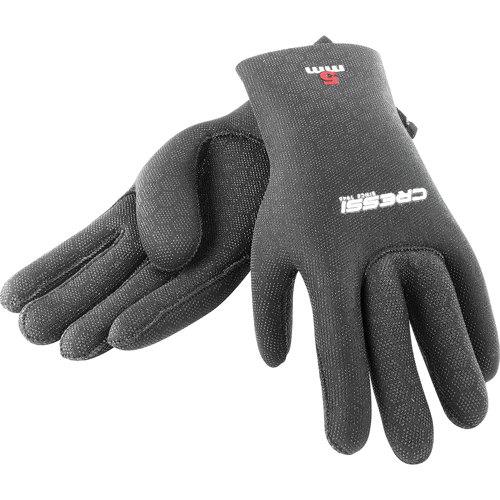
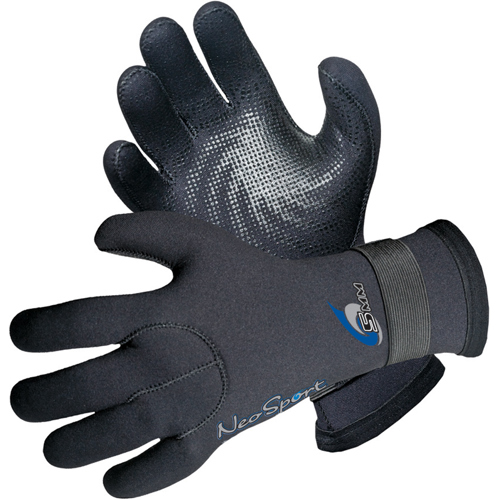
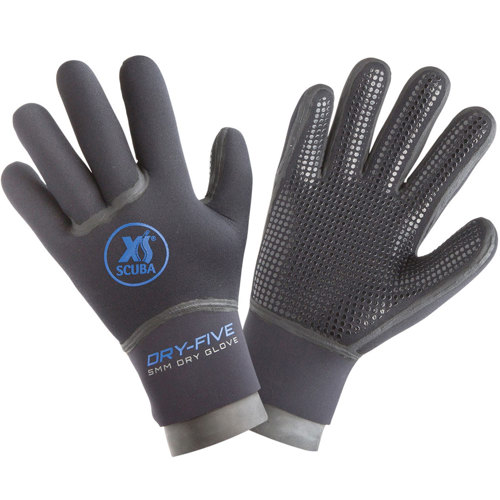
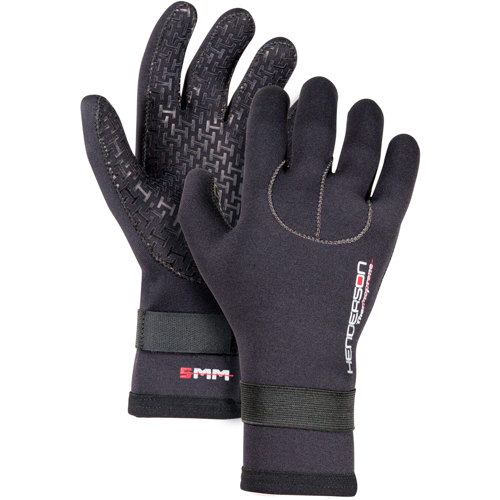
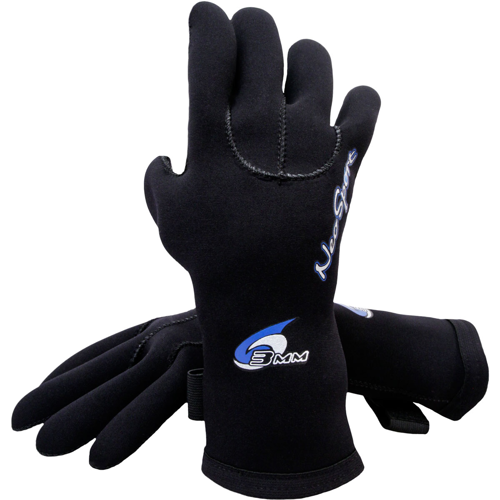
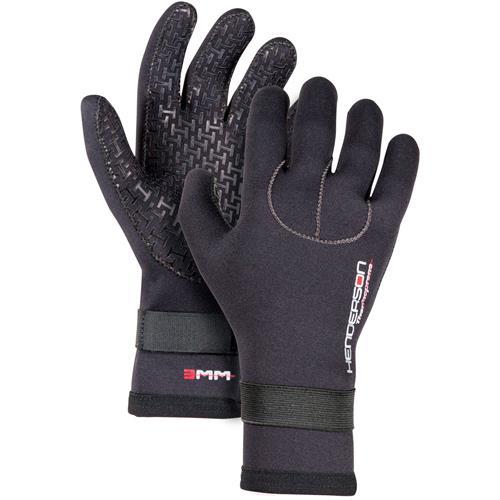
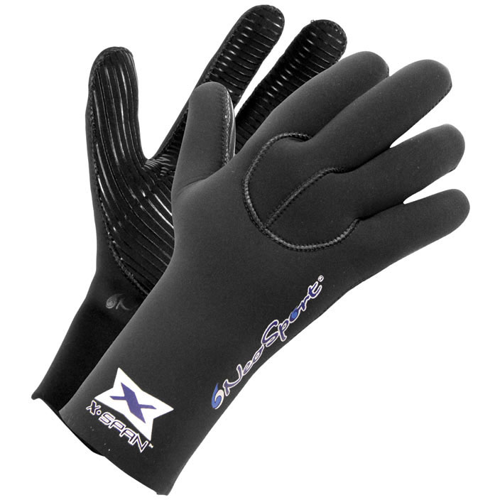
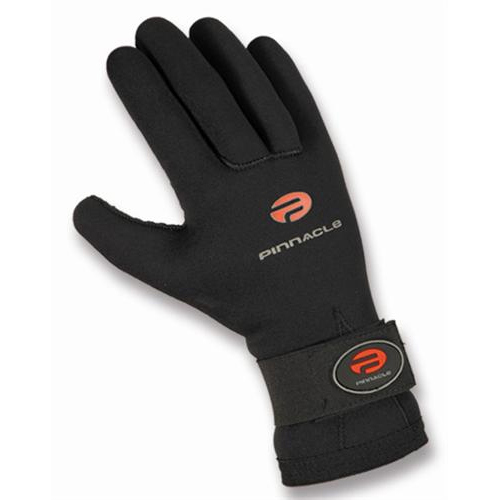
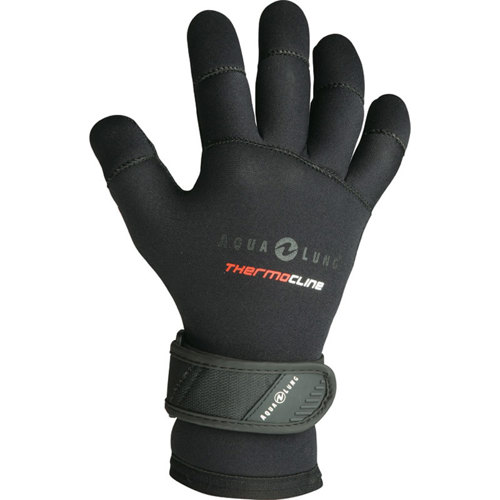
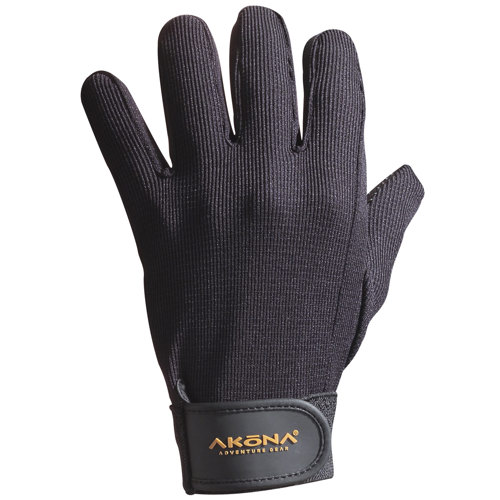
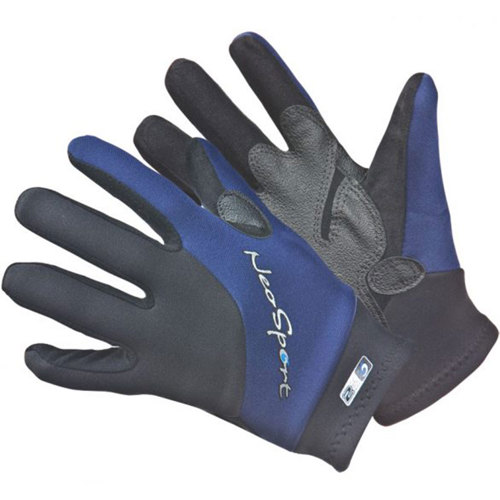
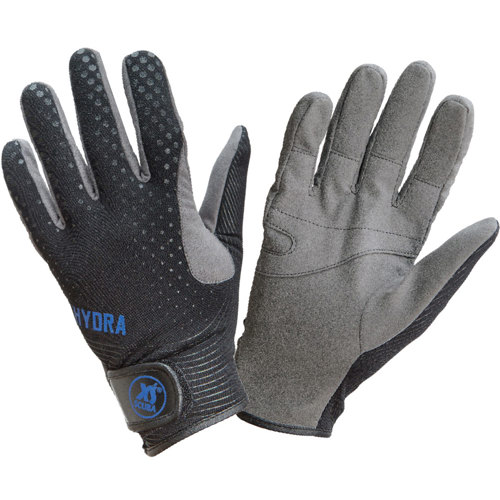
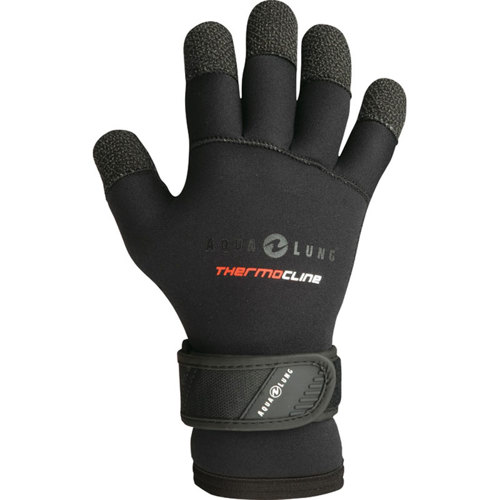
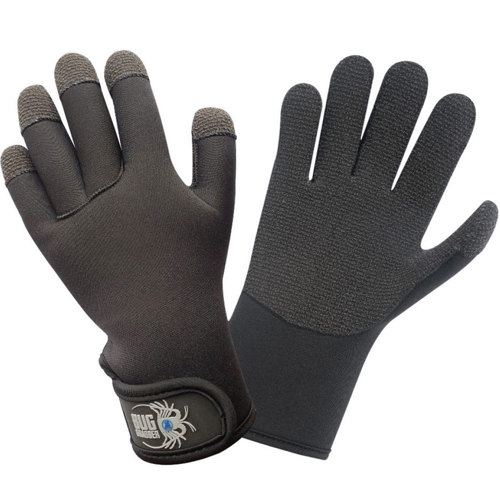
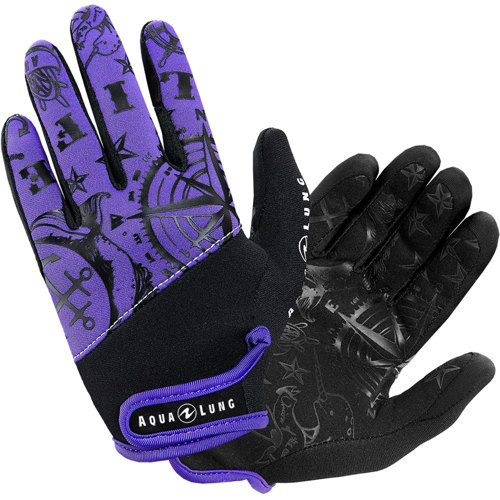
For scientists, marine biologists, and underwater archaeologists, the right pair of gloves can make all the difference during fieldwork beneath the surface. Underwater research often demands extended periods in cold, abrasive, or unpredictable environments, and the hands are particularly vulnerable to the elements. Whether you’re collecting samples along a rocky coastline, repairing submerged equipment, or cataloging marine life in a chilly kelp forest, underwater gloves are essential for both protection and dexterity. As May ushers in warmer weather in many regions, research schedules ramp up, and divers transition from thick winter gear to more versatile options. However, even in late spring and early summer, thermoclines and deep water can still be unforgivingly cold, making it crucial to select gloves that match both the temperature and the tasks at hand.
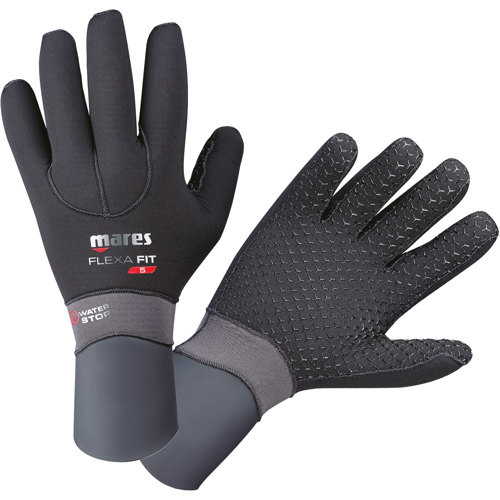
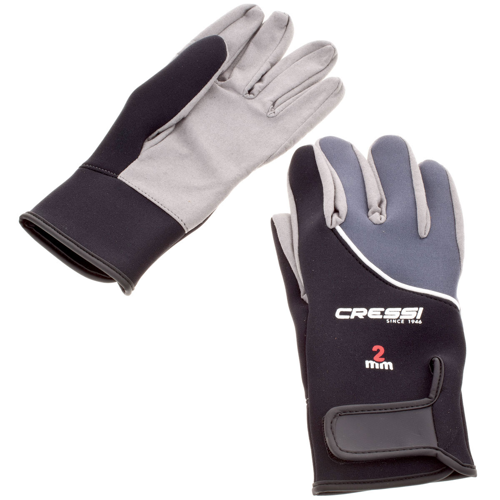
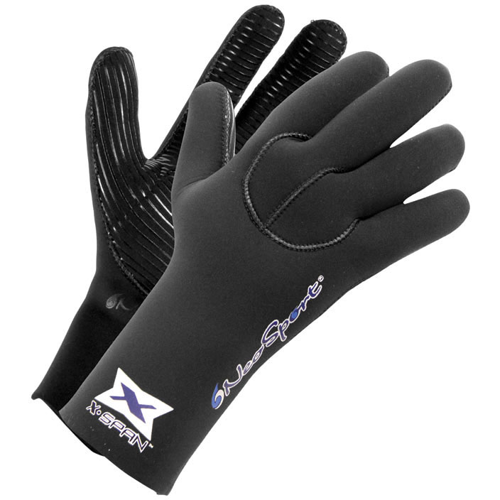
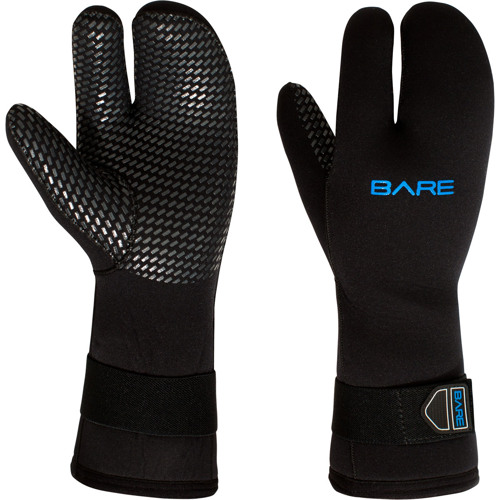
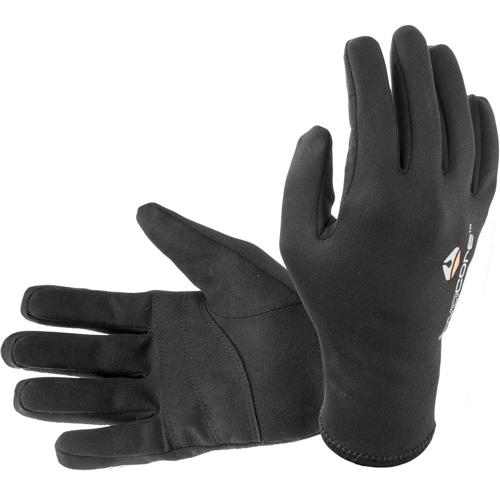
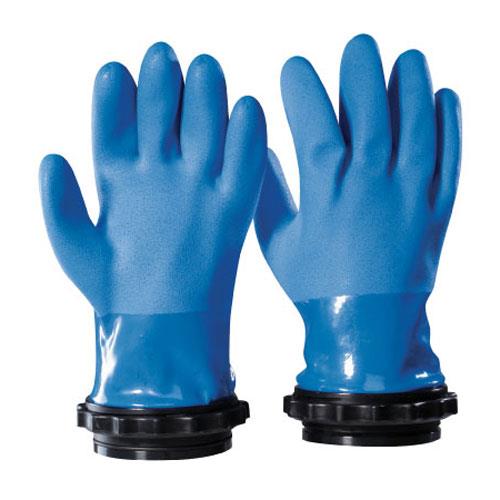
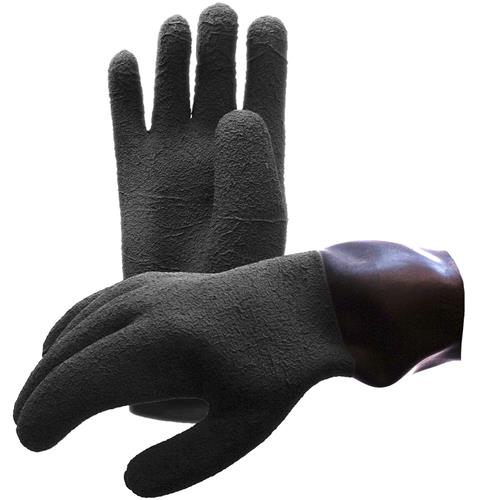
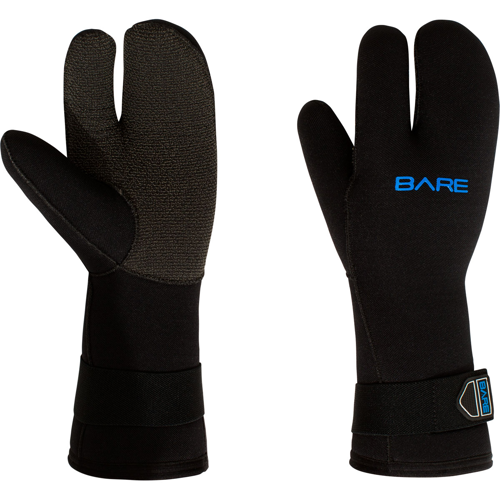
Choosing the ideal gloves for underwater research involves balancing warmth, flexibility, and durability. For cold-water dives or extended submersion, thicker neoprene gloves—often in the 5mm to 7mm range—offer insulation and shield hands from sharp rocks or coral, while specialized models with reinforced palms or Aramid/Kevlar panels deliver extra grip and abrasion resistance. These wetsuit gloves are indispensable when handling heavy research gear or working in rugged underwater habitats. In contrast, researchers working in temperate or tropical waters, or those who need to record data or manipulate small instruments, will appreciate thinner gloves in the 1.5mm to 3mm range. These provide enough protection without sacrificing the tactile sensitivity needed for delicate tasks. Laboratory gloves, such as nitrile or latex, are sometimes used in underwater settings where chemical resistance is necessary, especially when handling sensitive equipment or biological samples. For those conducting deep or long-term studies, dry gloves are a wise investment, keeping hands both warm and dry to maintain dexterity during lengthy dives.
The fit of your gloves is just as important as their material or thickness. A snug fit prevents water from flushing in and out, which can sap warmth and reduce effectiveness, but gloves that are too tight can restrict circulation and cause discomfort. For those with specific needs or preferences, options such as pepas de neopreno or neopren handsker offer tailored solutions for various climates and research styles. Underwater gloves also make thoughtful gifts for students, interns, or colleagues starting a new field season, especially as research teams gear up for summer expeditions. If you’re preparing for demanding dives or simply want to explore the full range of options, you may also want to browse our
Deep Sea Gloves collection for even more specialized protection. With the right gloves, you can focus on your research, confident that your hands are safeguarded—no matter where your next underwater adventure takes you.