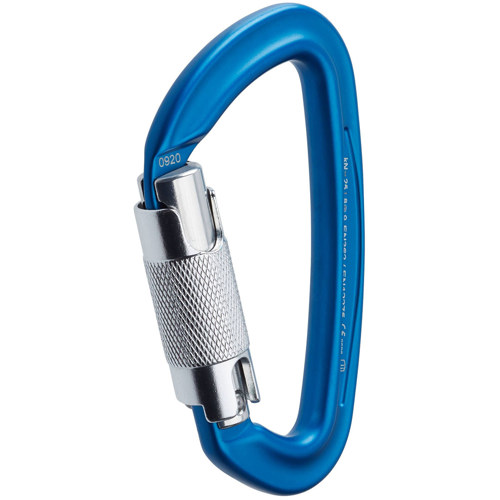
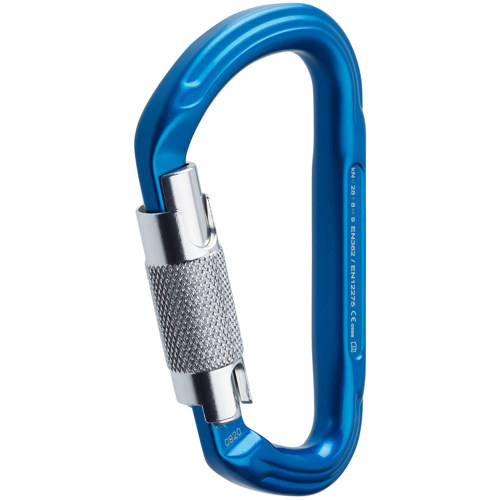
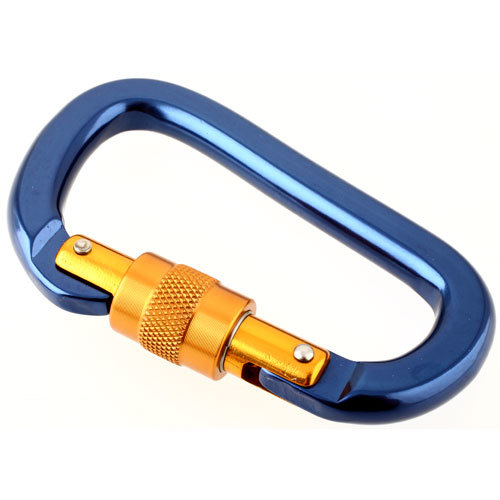
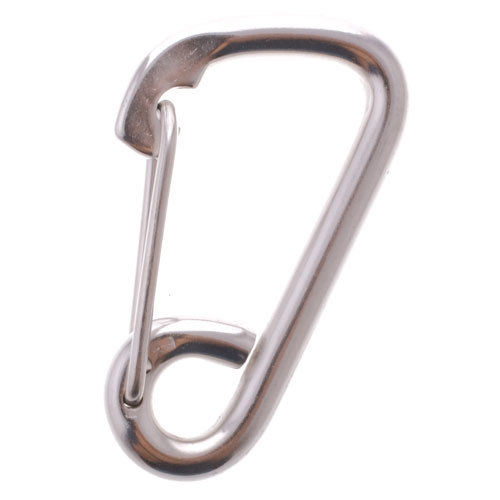
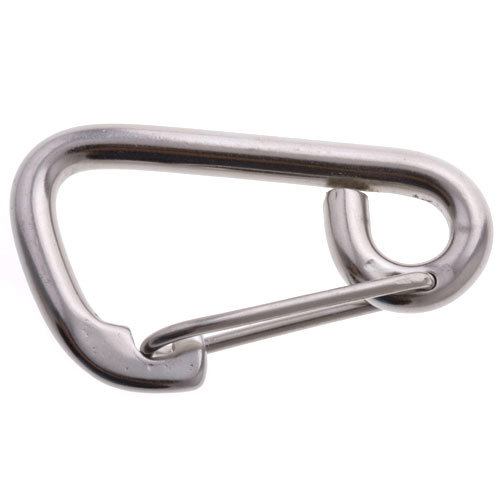
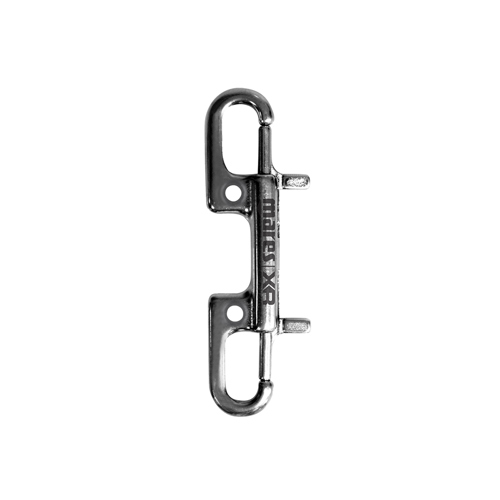
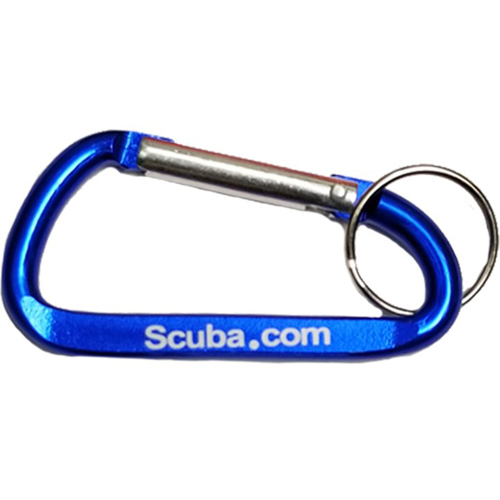
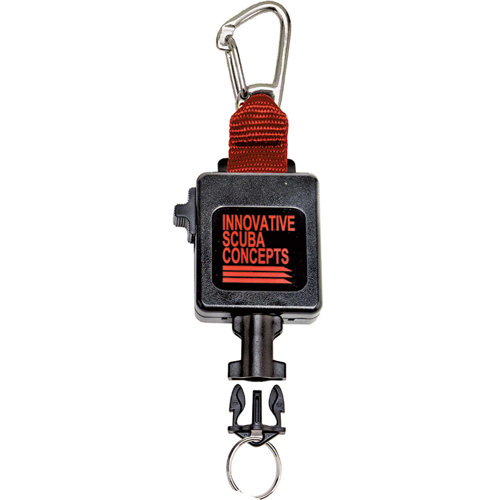
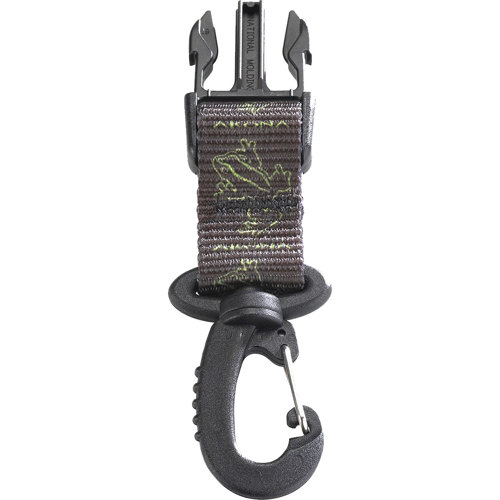
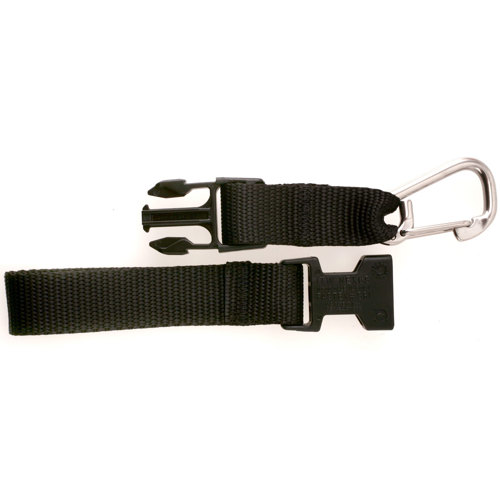
Locking carabiners are an essential component in the toolkit of anyone who values secure connections during underwater exploration, climbing, rescue operations, or even organizing gear for travel and adventure. Unlike standard carabiners, locking models are engineered with a built-in safety mechanism on the gate, ensuring that accidental openings are virtually eliminated. This feature is particularly crucial in environments where reliability can mean the difference between a smooth outing and a dangerous mishap. Whether you’re setting up a belay system, managing anchor points, or securing critical equipment to your harness or BCD, the peace of mind that comes with a locking carabiner is unmatched. As spring approaches and more divers, climbers, and outdoor enthusiasts prepare for longer days and warmer waters, now is a popular time to refresh gear and inspect hardware for safety and performance. The subtle click and satisfying twist of a screw-lock or auto-lock carabiner becomes second nature with regular use, and for many, these compact yet robust connectors are as much a symbol of preparedness as they are a practical necessity.
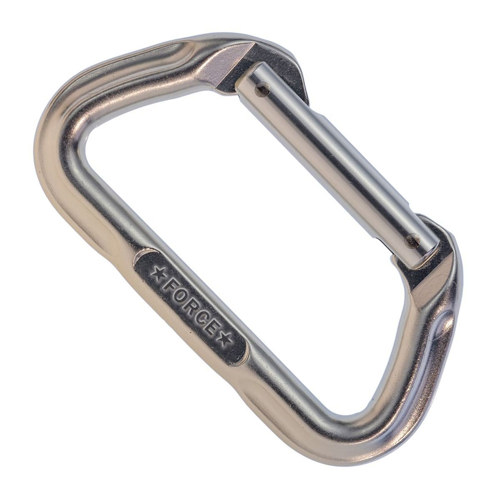
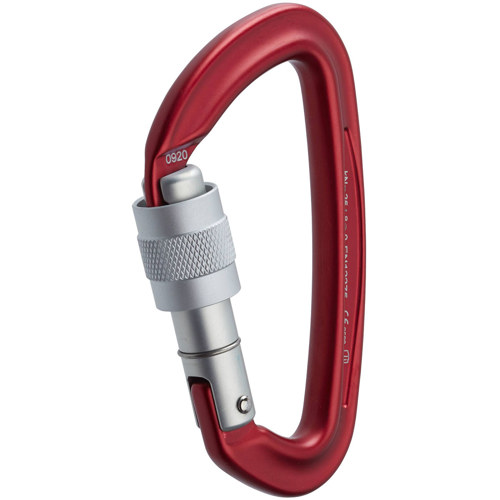
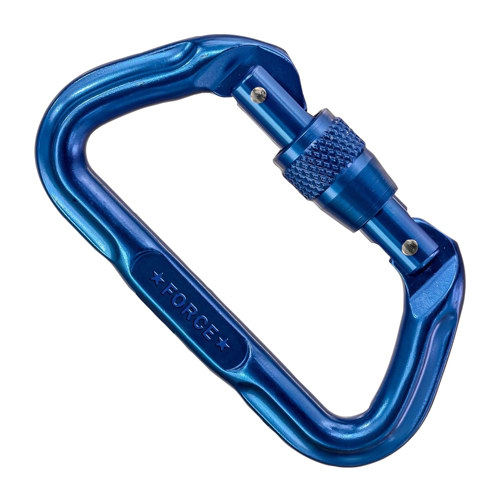
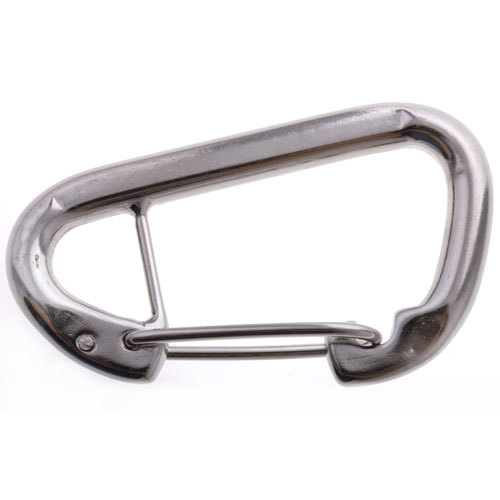
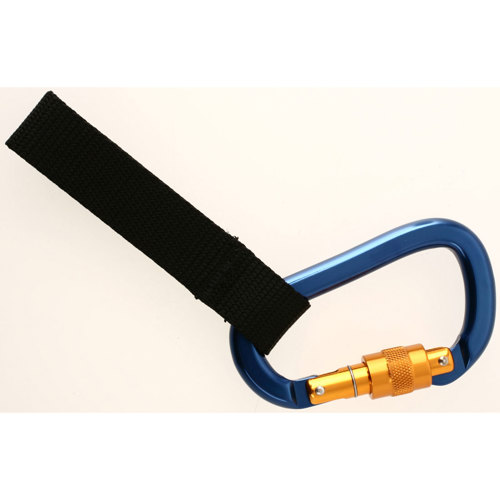
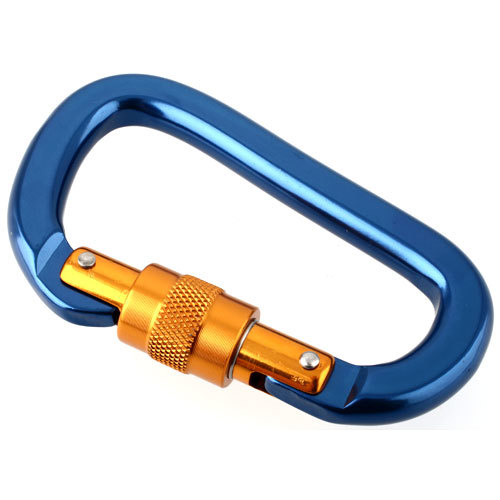
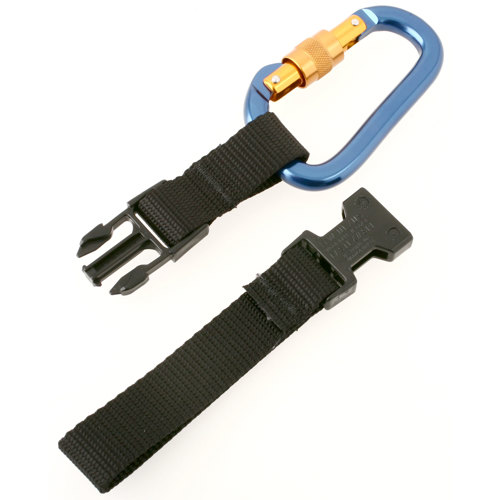
When selecting a locking carabiner, several factors come into play to ensure you’re choosing the right tool for the job. The type of locking mechanism is one of the first decisions to make. Screw-gate models require manual threading to secure the gate, offering a tactile confirmation that the carabiner is locked, which can be reassuring in high-stakes scenarios. Auto-locking and triple-action carabiners, on the other hand, provide rapid, one-handed operation and are favored where speed and security are equally important—think rescue situations or technical dives where gloves are standard. The shape of the carabiner also influences its functionality: Pear or HMS shapes are ideal for belay devices and rope work, D-shaped carabiners excel in strength and versatility, and ovals are the go-to for pulley systems or complex rigging. Weight is another consideration, especially for those who carry multiple carabiners on long excursions; locking models tend to be heavier than their non-locking counterparts, so they’re best reserved for critical connections. Maintenance should not be overlooked—keeping locking mechanisms free from sand, salt, and grit is essential for smooth operation and longevity, particularly after saltwater dives or in sandy environments. A quick rinse and periodic inspection can extend the life of your gear and help prevent corrosion or freezing in cold weather.
Locking carabiners make thoughtful gifts for a wide range of people, from seasoned divers and avid climbers to anyone who appreciates reliable equipment for camping, boating, or even organizing gear at home. There’s a sense of trust that comes from handing over a well-chosen carabiner to a friend or family member, knowing it will serve them well on their next adventure. For those building a gear kit from scratch, it’s wise to start with a few locking carabiners in various shapes and locking styles to cover different scenarios. And for anyone interested in learning more about the nuances of carabiner safety, including tips on proper loading and maintenance, our comprehensive guide on
Safety Carabiners offers detailed insights. As you gear up for the active season ahead, investing in quality locking carabiners ensures that every connection—whether underwater, on the trail, or at the crag—is as secure as possible. With the right selection, you’ll be ready to tackle new challenges, confident that your equipment is engineered to perform when it matters most.