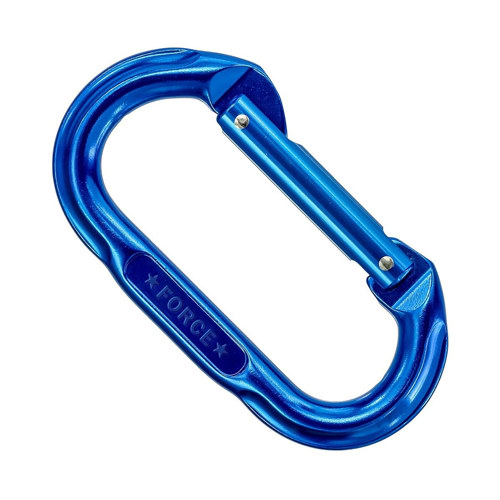
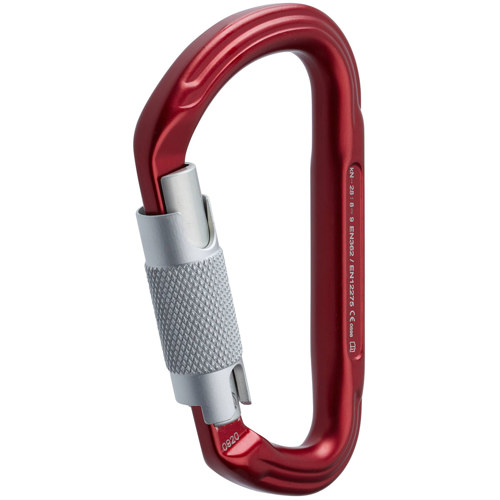
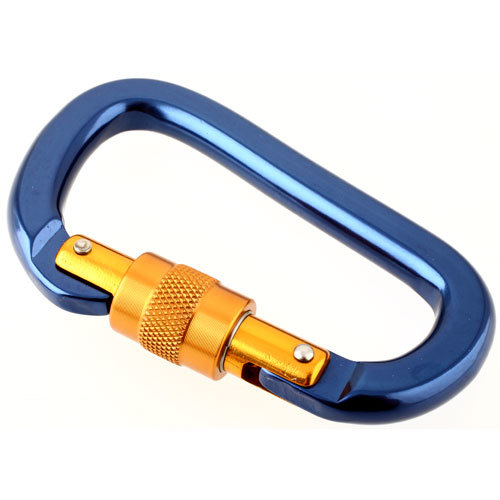
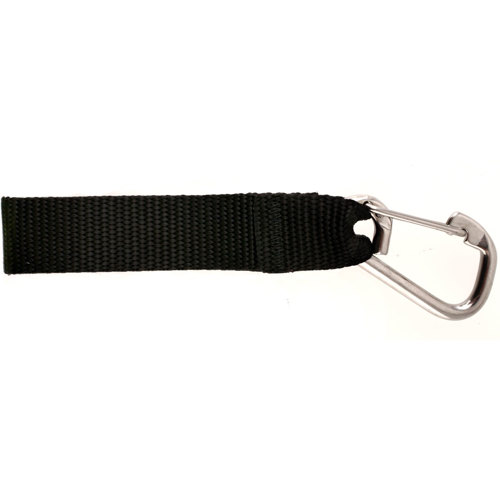
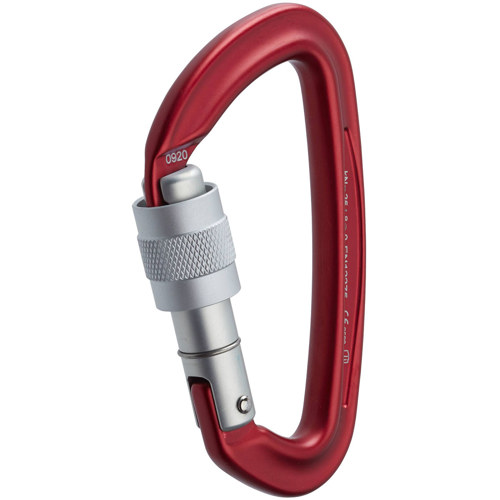
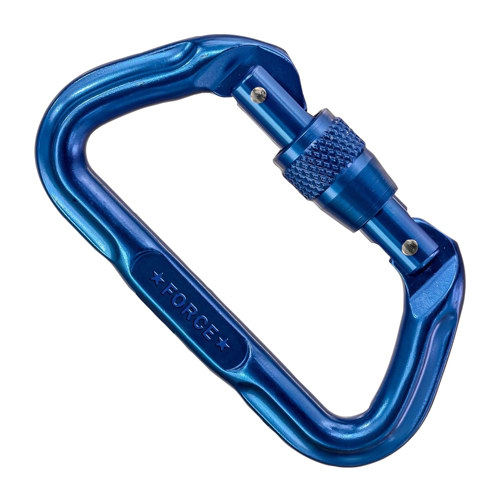
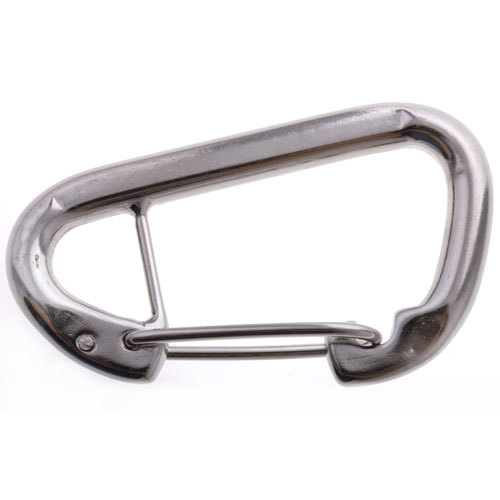
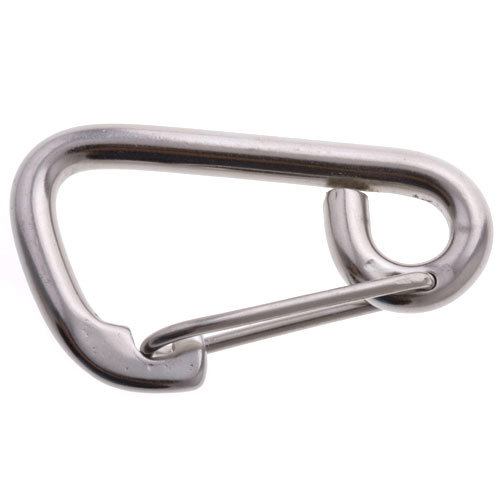
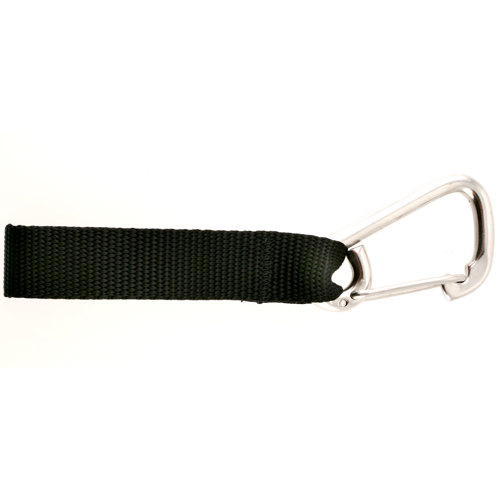
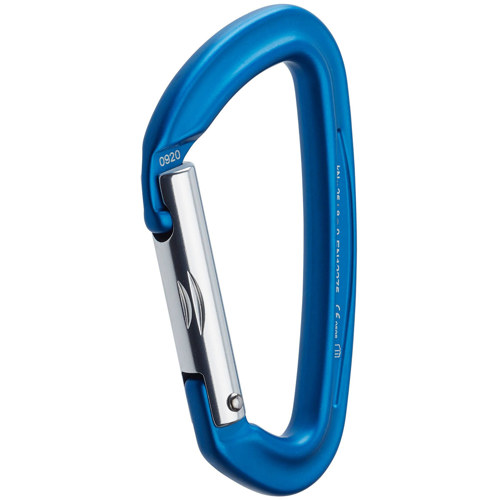
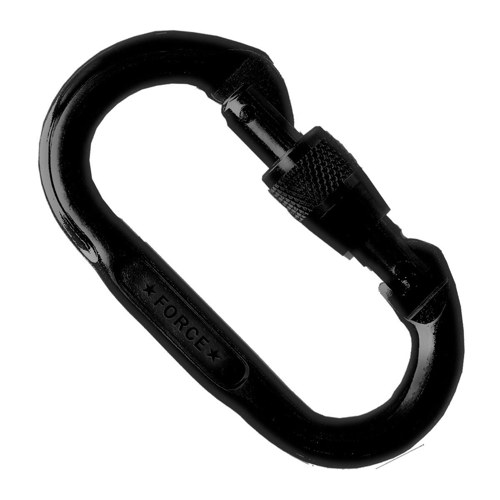
Climbing carabiners are an indispensable piece of equipment for anyone venturing into the vertical world, whether scaling rock faces, exploring via ferratas, or setting up anchors in the gym. Their robust metal construction—usually aluminum for weight savings or steel for maximum durability—forms the backbone of any secure climbing system. The design seems simple at first glance: a strong, oval or D-shaped loop with a spring-loaded gate. But within that simplicity lies a world of specialized engineering, tailored to the diverse needs of modern climbers. As winter gives way to early spring, many climbers begin dusting off their gear and dreaming of crisp days at the crag, making now an ideal time to assess and update your carabiner selection. From the wire-gate models favored for their lightness and resistance to freezing up during cold-weather outings, to the sturdy locking carabiners essential for belaying, rappelling, or building anchors, each style offers its own advantages. The difference between a D-shape, oval, or pear-shaped (HMS) carabiner isn’t just about aesthetics—it’s about how the load is distributed, how easily you can clip in, and how much gear you can rack. Seasoned climbers often accumulate a collection, each piece carrying memories of routes tackled and lessons learned, while newcomers quickly discover that the right carabiner can make all the difference in both safety and efficiency.
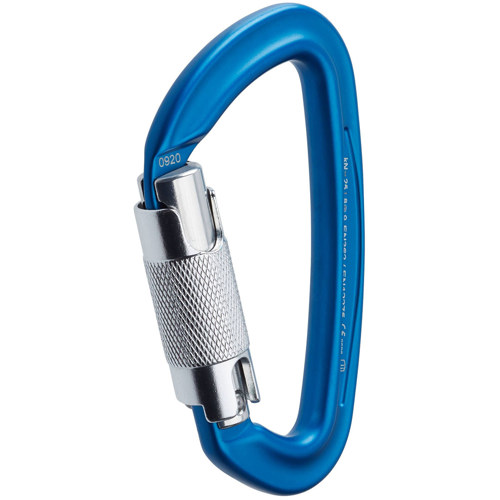
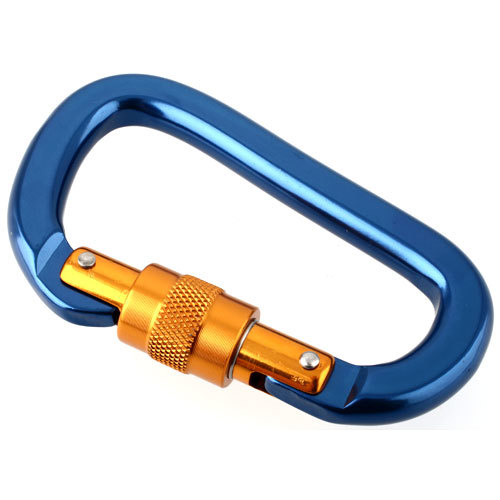
When considering which climbing carabiners to add to your kit, it’s important to think about the scenarios where each type will be put to use. Locking carabiners, whether screw-gate or auto-locking, are the gold standard for any situation where accidental gate opening could have serious consequences—think belaying, rappelling, or connecting to an anchor. The peace of mind that comes from a well-locked gate is hard to overstate, especially when you’re hundreds of feet off the ground and every connection matters. Non-locking carabiners, on the other hand, shine in situations where speed and ease of use are paramount, such as clipping quickdraws or racking gear. Their wire or solid gates offer snappy action, and the reduced weight can make a noticeable difference on long multi-pitch climbs or alpine adventures. For those who love to tinker with their rack, or for anyone who enjoys introducing friends and family to the sport, a thoughtfully chosen carabiner makes a practical and appreciated gift. It’s not uncommon to see climbers exchanging favorite pieces at the end of a trip, each carabiner carrying a story along with its battle scars. Whether you’re a guide assembling a set for group instruction, a boulderer needing a few for chalk bags and brushes, or a trad climber building a rack for the season ahead, understanding the nuances of carabiner selection is key to climbing safely and efficiently.
Above all, safety is the guiding principle when choosing and using carabiners. Always check the strength ratings, typically measured in kilonewtons (kN), and ensure they match the demands of your intended activities. Climbers learn to inspect their gear religiously: a dropped carabiner, even from a modest height, can develop invisible microfractures that compromise its integrity. Before each climb, gates and locks should be checked for smooth action and full closure, and carabiners should be oriented to avoid cross-loading or accidental gate opening. Advances in design, such as keylock noses that prevent snagging and auto-locking gates that close with a reassuring click, have made modern carabiners safer and easier to use than ever before. For those focused on the highest standards of protection, or for anyone looking to deepen their understanding of specialized locking mechanisms and best practices, our dedicated page on
Safety Carabiners offers further insights and recommendations. Whether you’re assembling your first rack or fine-tuning a well-loved set, investing in quality carabiners—and understanding their proper use—lays the foundation for safe, memorable adventures on rock, ice, or gym walls.