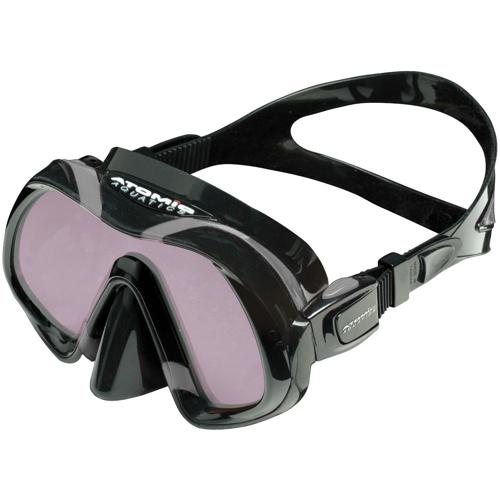
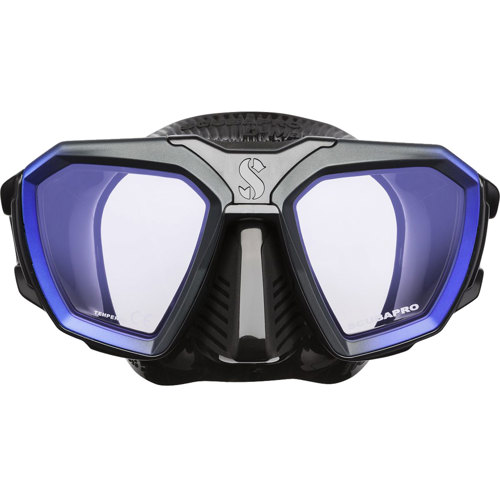
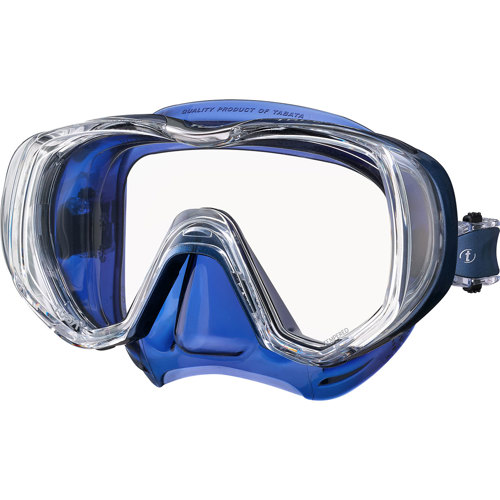
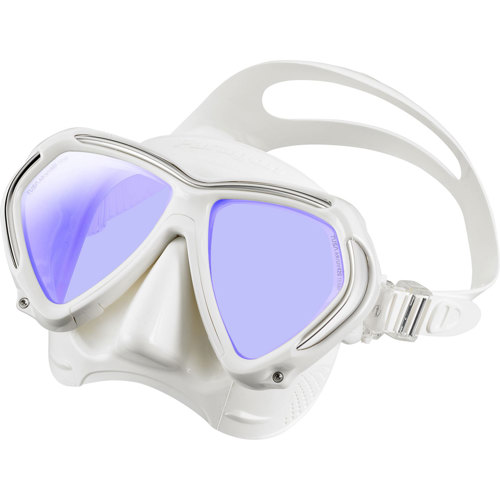
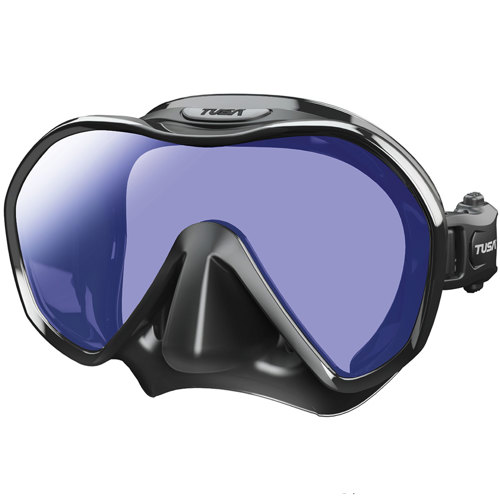
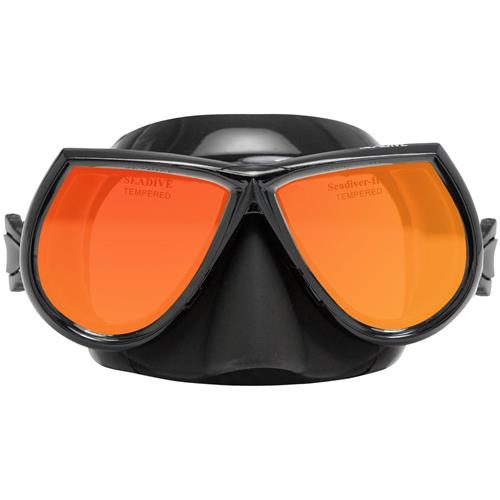
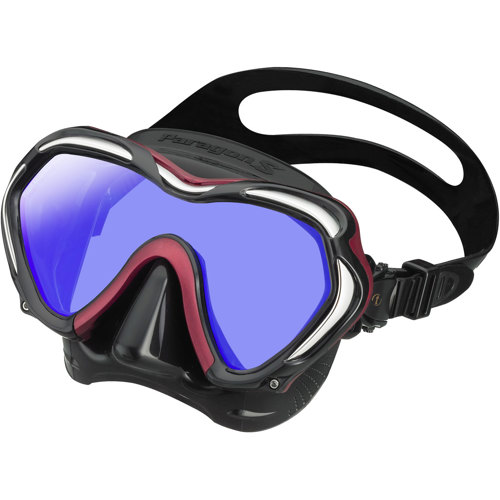
Light transmission lenses have become an integral part of both everyday eyewear and specialized equipment for outdoor enthusiasts, professionals, and anyone who values optimal vision in changing environments. These lenses, often referred to as photochromic or light-adaptive lenses, are engineered to react seamlessly to varying light conditions by automatically adjusting their tint. When exposed to sunlight or UV rays, they darken to provide protection and comfort, then return to a clear state indoors or in low-light settings. This intelligent adaptation not only simplifies life for those who move frequently between indoor and outdoor spaces, but also offers essential eye protection by filtering out 100% of UVA and UVB rays, as well as reducing exposure to blue-violet light. For people who spend long hours outdoors—whether hiking, cycling, sailing, or enjoying watersports as the weather warms—these lenses can dramatically reduce glare, minimize eye strain, and enhance visual clarity, making them a practical and thoughtful choice for both personal use and as a gift for active friends or family members.
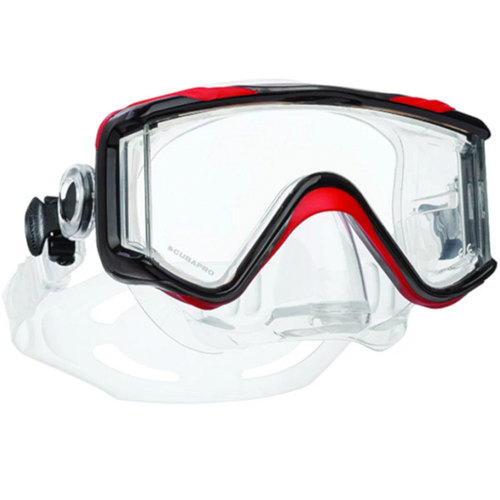
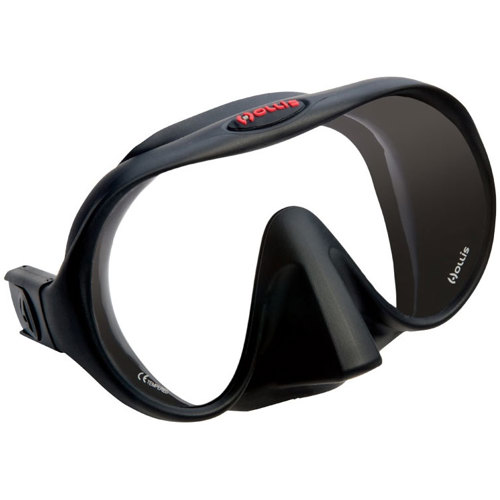
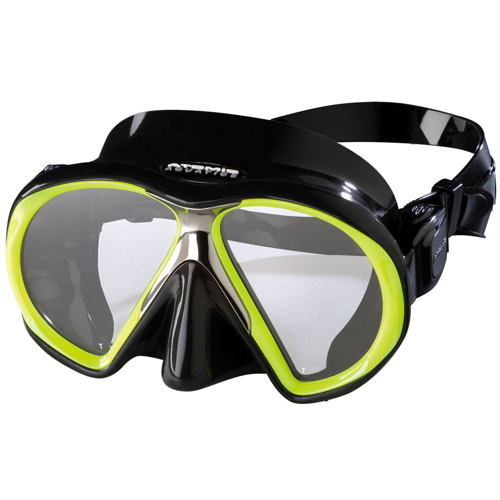
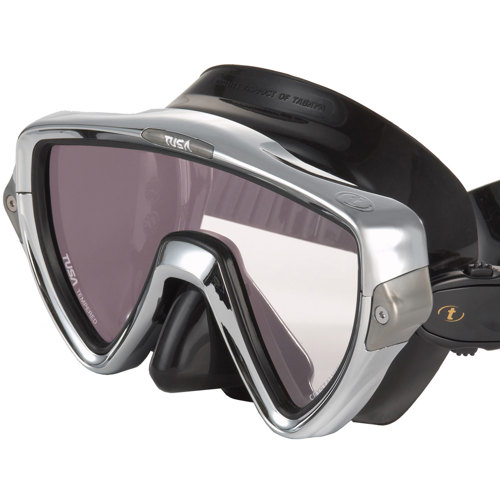
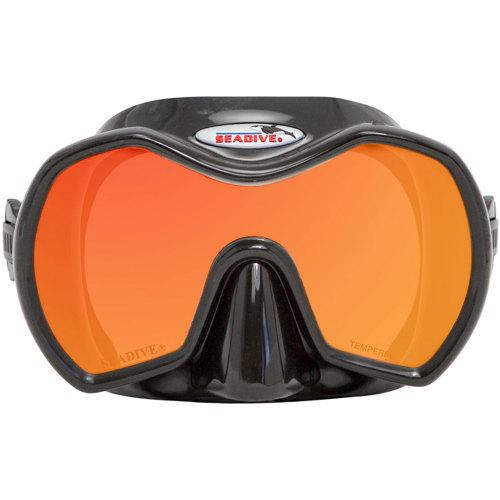
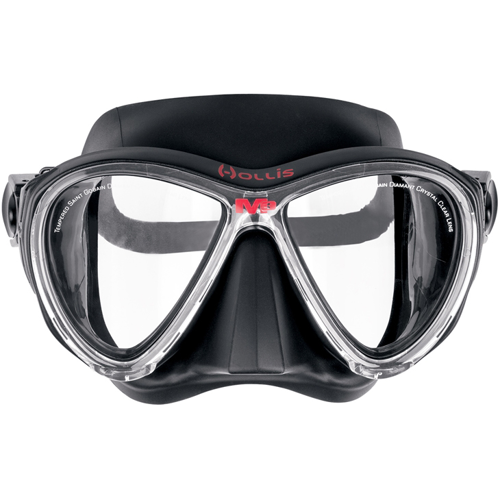
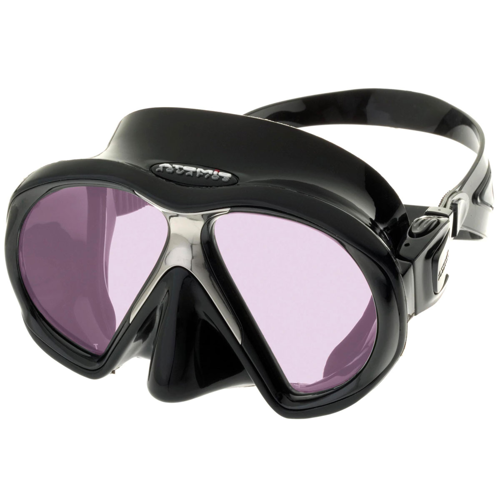
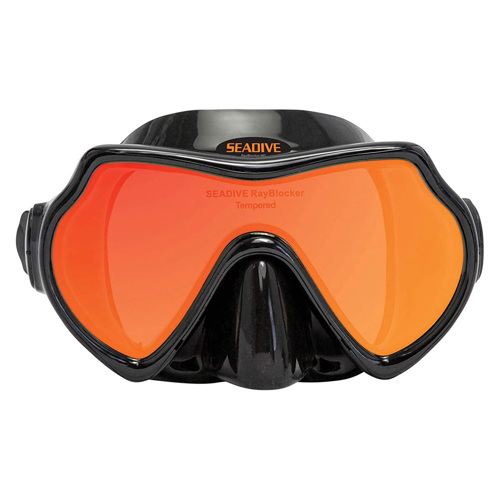
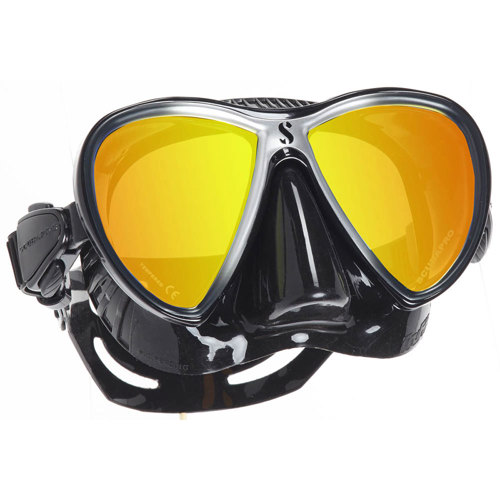
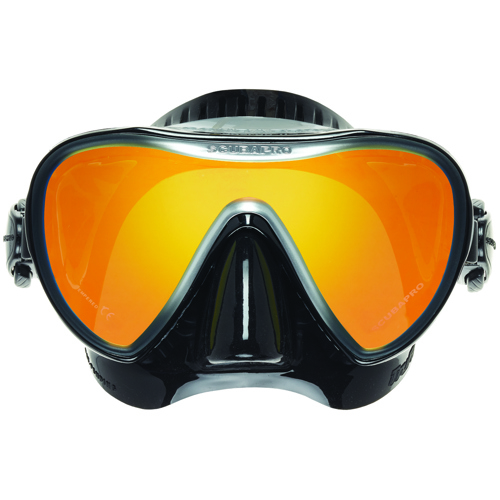
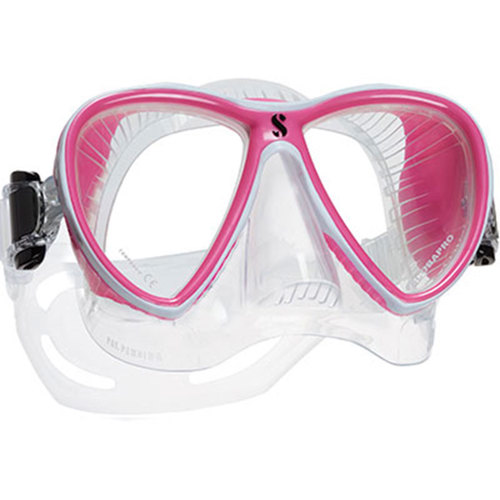
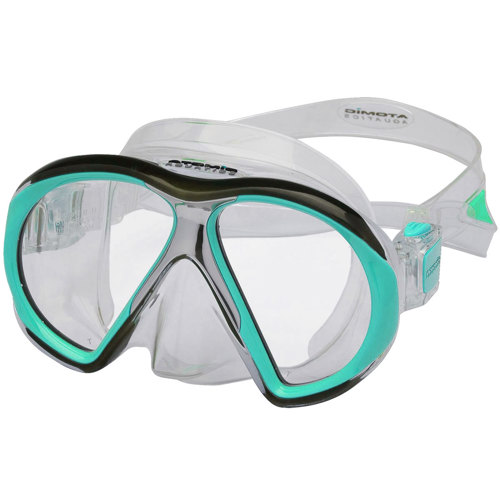
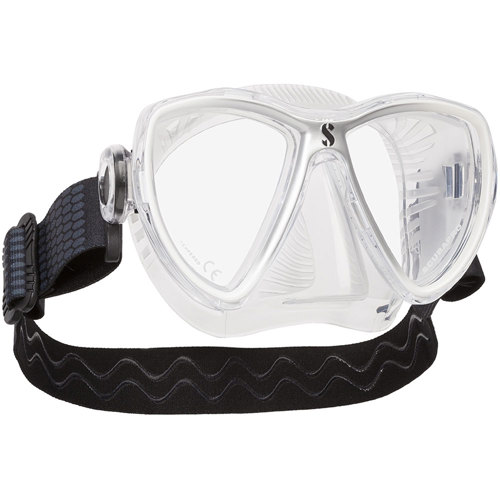
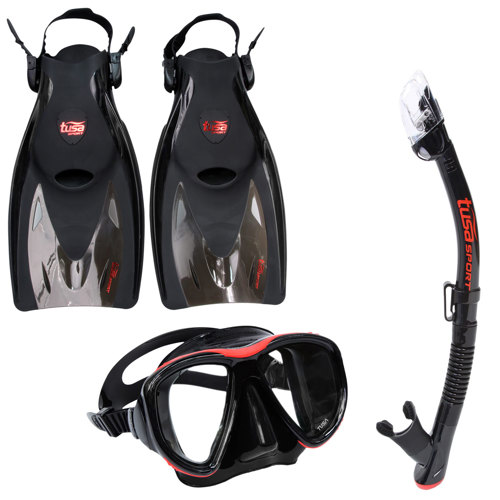
Selecting the right light transmission lenses involves considering several factors, chief among them being the visible light transmission (VLT) percentage. VLT reflects the amount of visible light that passes through a lens, directly impacting how dark or light the lens appears. Lenses with a low VLT, such as 10%, are very dark and ideal for bright, sunny days on open water or snow, where glare is intense and visibility can be compromised without proper protection. Higher VLT lenses, around 70%, are better suited for overcast days, early mornings, or environments where light is more diffuse. The versatility of these lenses is further enhanced by their availability in a range of styles and colors, allowing users to match their eyewear to specific activities, personal preferences, or even prescription requirements. Many modern designs also incorporate features such as polarization for additional glare reduction, scratch-resistant coatings, and hydrophobic layers that repel water—crucial for those who spend time near or on the water. For divers and snorkelers, integrating light transmission technology into mask lenses can make a world of difference in underwater visibility, especially when exploring reefs or wrecks where light conditions can change rapidly with depth and movement.
Gifting a pair of light transmission lenses, or a mask equipped with this technology, is a thoughtful gesture for anyone who enjoys the outdoors, commutes frequently, or works in environments with fluctuating lighting. The convenience of not having to switch between regular glasses and sunglasses appeals to travelers, athletes, and professionals alike. For those interested in maximizing their underwater experience, pairing these lenses with the right mask frame further enhances comfort and performance. To explore compatible options, consider visiting the
Frameless Mask Frames For Light Transmission page, where you can find frames designed to optimize the benefits of light-adaptive lenses. Whether preparing for a season of adventure or simply seeking to protect your eyes during the brighter months, investing in quality light transmission lenses ensures clearer, safer, and more enjoyable vision in every environment.