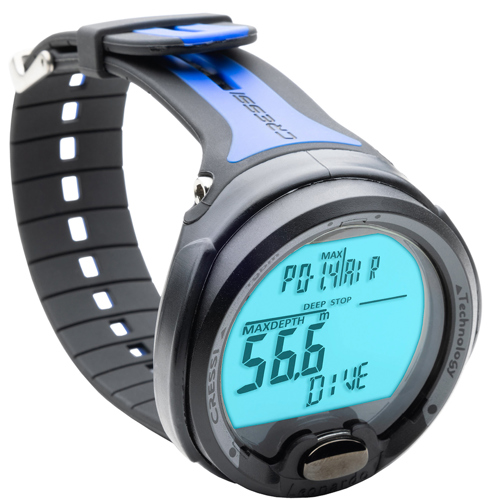
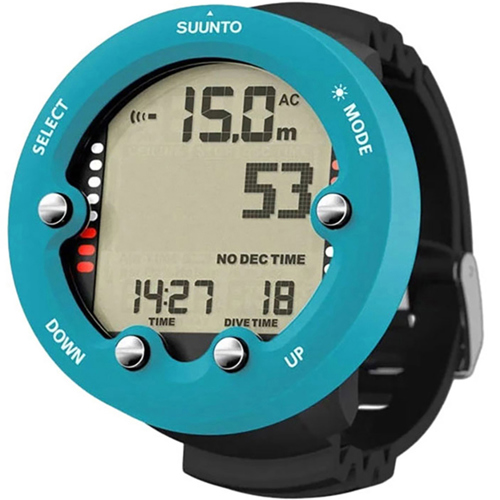
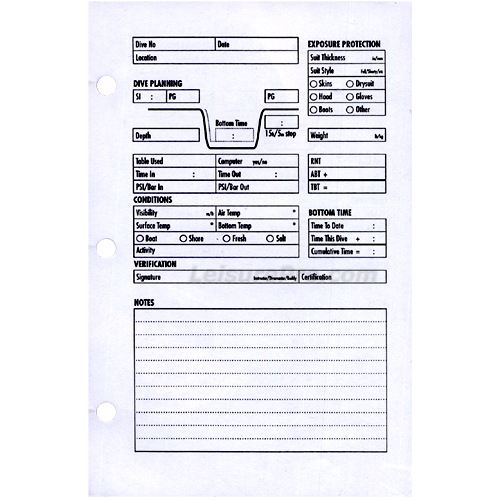
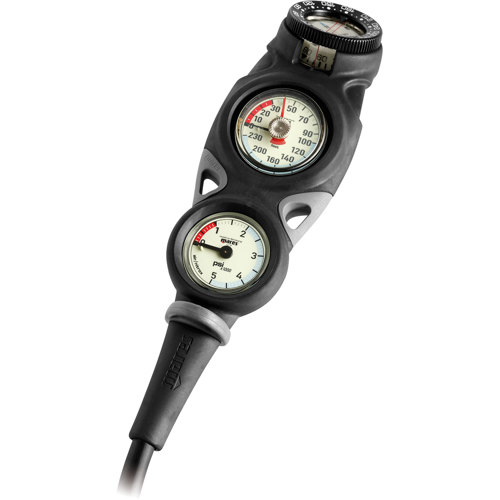
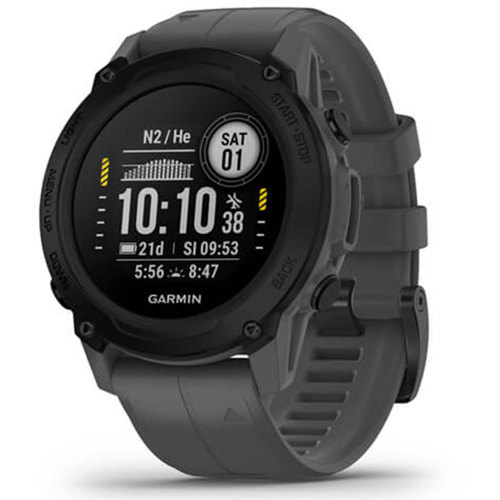
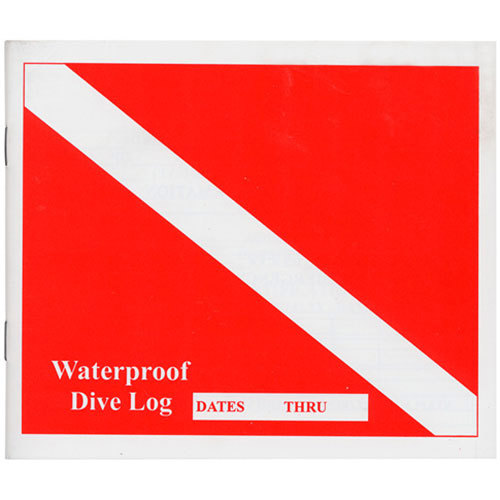
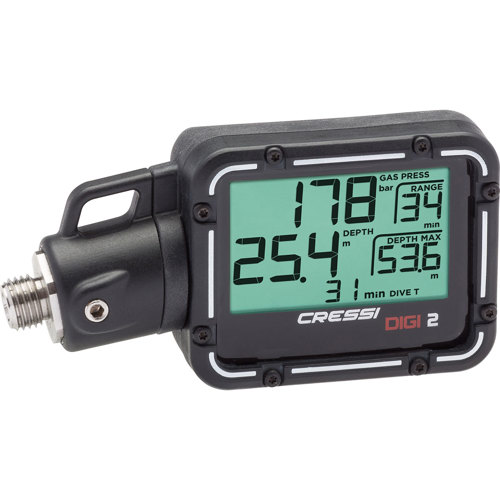
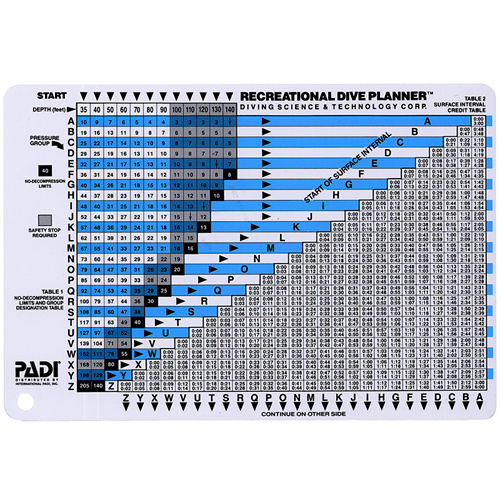
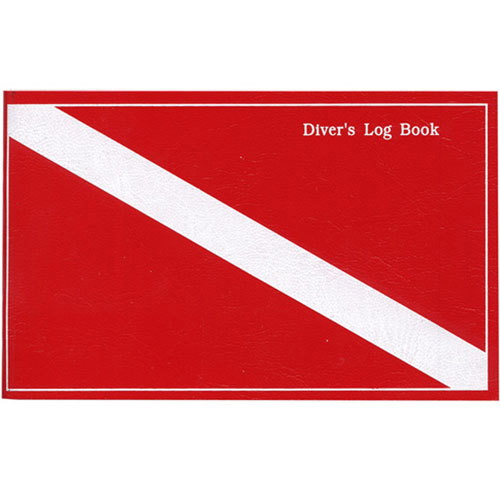
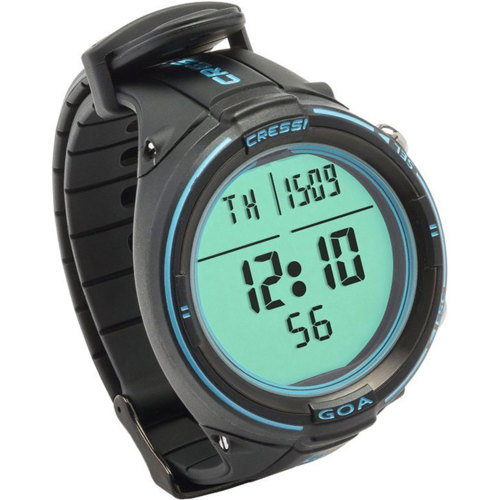
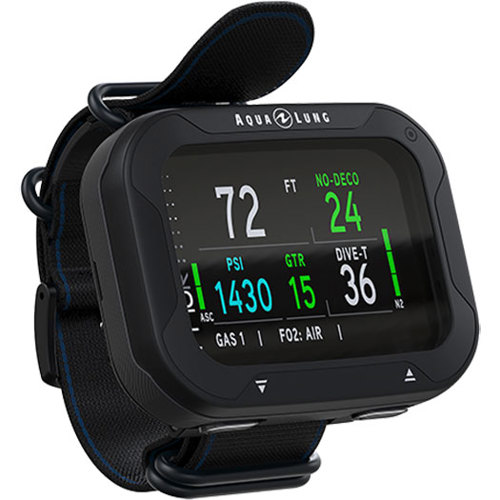
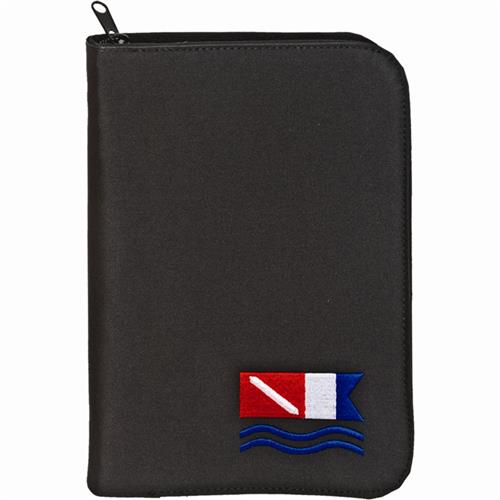
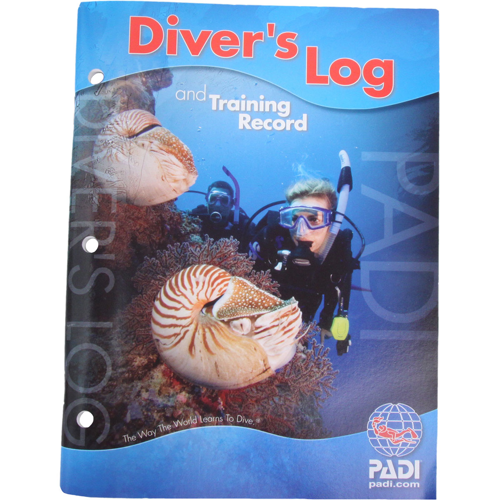
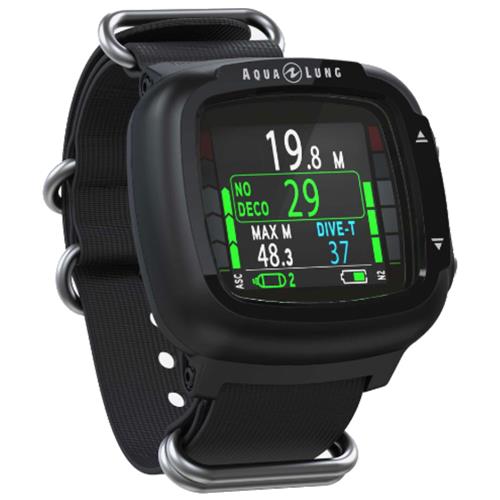
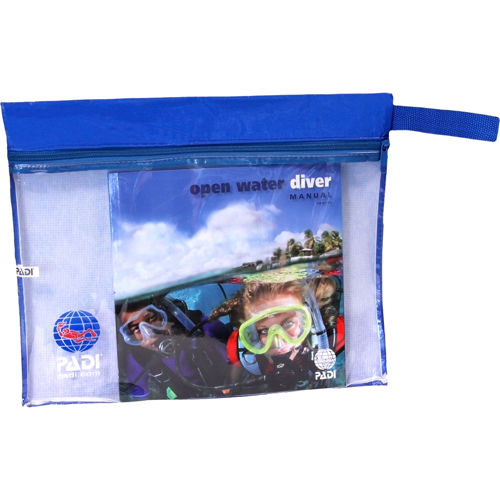
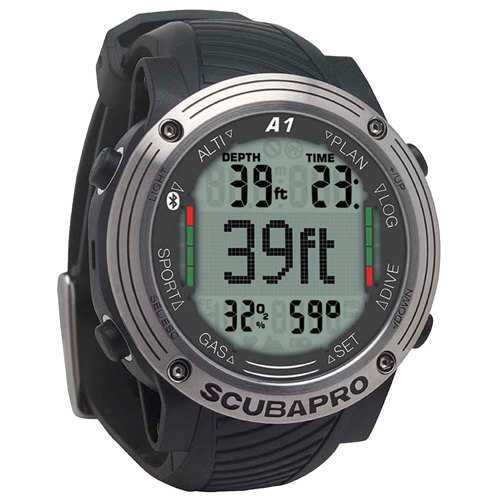
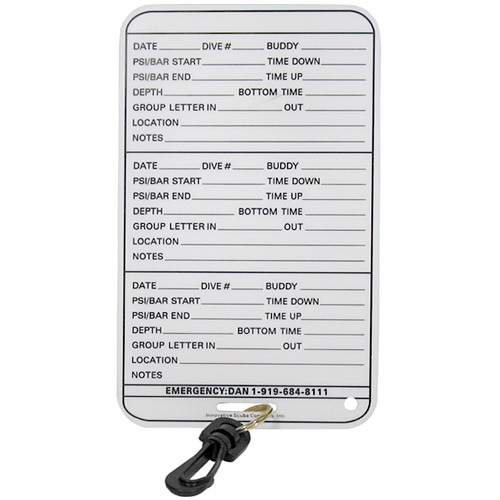
Careful dive planning is the foundation of every safe and memorable underwater adventure, whether you’re a seasoned diver plotting a complex multi-day trip or a beginner preparing for your first open water experience. The right dive planning items are essential for organizing your gear, maximizing safety, and ensuring you have the confidence to explore beneath the surface. As the weather warms and dive conditions become more inviting, many divers begin to review their equipment and fill out their kits with tools that support both pre-dive preparation and in-water safety. Dive computers, logbooks, and dive tables are at the heart of any planning process, helping you track depth, time, and no-decompression limits. These devices are not just for technical divers; even recreational divers benefit from monitoring their profiles and recording details for future reference. Alongside digital tools, traditional items like waterproof logbooks and printed dive tables remain popular for their reliability and ease of use, especially when traveling to remote locations where electronics may not always be practical.
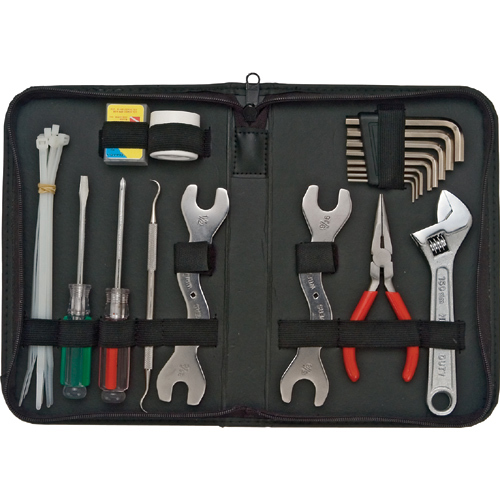
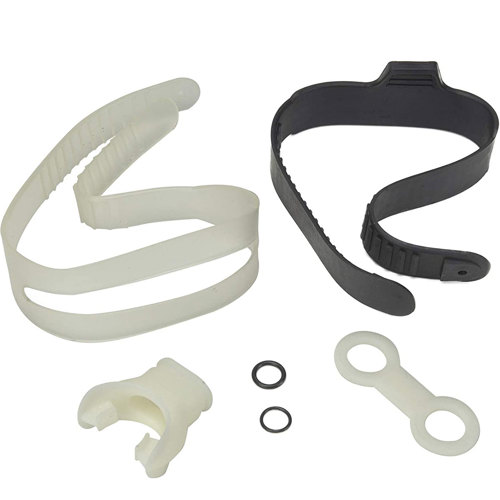
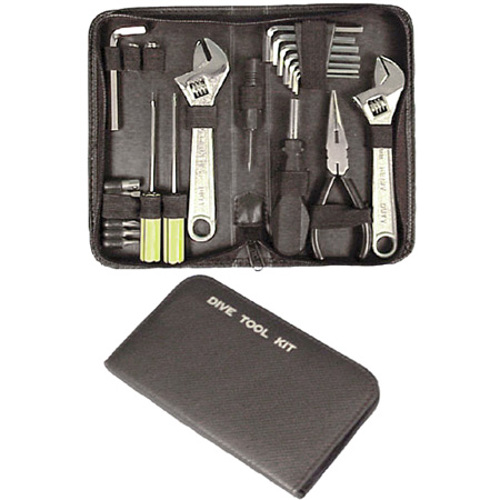
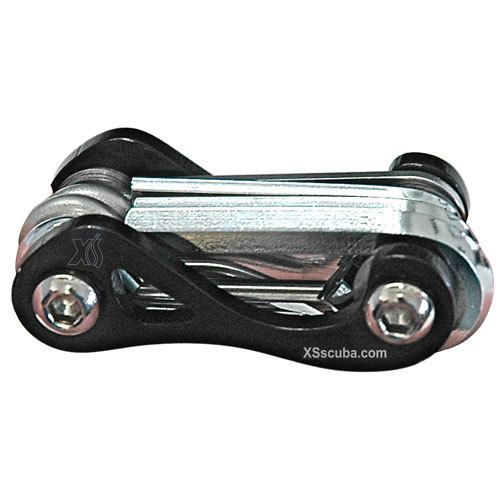
Safety gear is another crucial aspect of dive planning, and thoughtful divers never leave shore without a well-stocked save-a-dive kit. This kit usually includes spare O-rings, mask and fin straps, silicone grease, zip ties, and a multi-tool—simple items that can mean the difference between a successful dive and a canceled trip. Surface Marker Buoys (SMBs) and signaling devices like whistles or signal mirrors are indispensable for marking your position and attracting attention at the surface, particularly when diving in new or busy locations. Cutting devices such as dive knives or shears are carried for both safety and utility, offering peace of mind in environments where entanglement hazards may be present. Dive lights and backup lights are important not only for night dives but also for exploring crevices, wrecks, or simply increasing visibility on overcast days. For those who love to plan every detail, exposure suits, gloves, and hoods can be selected based on the water temperature and anticipated conditions, ensuring comfort and protection. These items are often appreciated as thoughtful gifts for dive buddies, instructors, or family members embarking on certification courses, as they demonstrate a commitment to safety and preparedness.
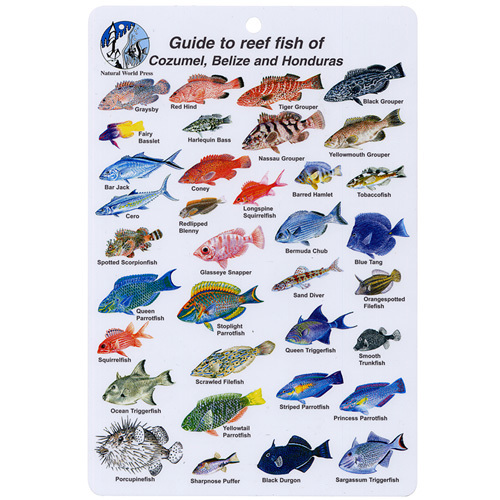
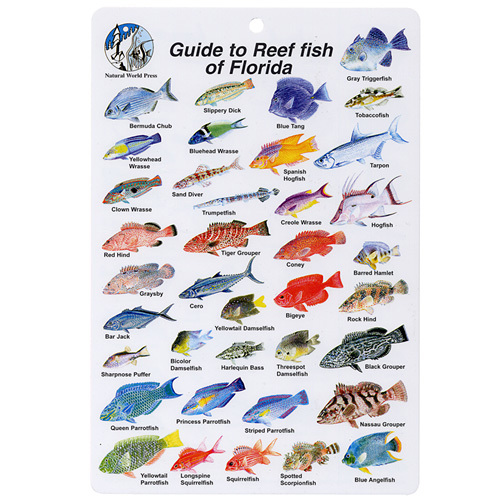
Beyond equipment, successful dive planning includes researching dive sites, reviewing local regulations, and mapping out entry and exit points. Many divers find value in consulting up-to-date resources like
Dive Planning Maps to visualize underwater topography, identify points of interest, and anticipate currents or hazards. Packing a first aid kit with reef-safe sunscreen, seasickness medication, and ear drops is also wise, especially when venturing to new environments or spending extended time on boats. Keeping your certification card and insurance information handy is a must, as many dive operators require proof of training and coverage before allowing access to certain sites. Whether you’re organizing a solo excursion, a group outing, or a family trip, having the right planning items ensures you can focus on the excitement of discovery, knowing you’re prepared for whatever the underwater world has in store. Dive planning isn’t just about logistics—it’s about building confidence, fostering safety, and setting the stage for unforgettable experiences beneath the waves.