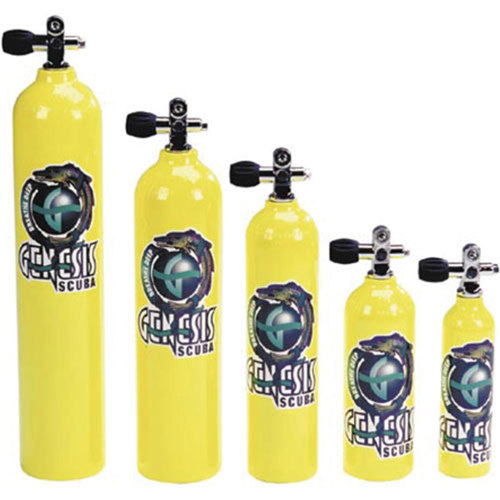
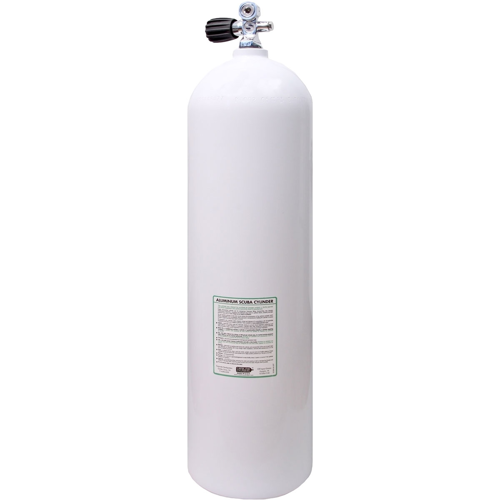
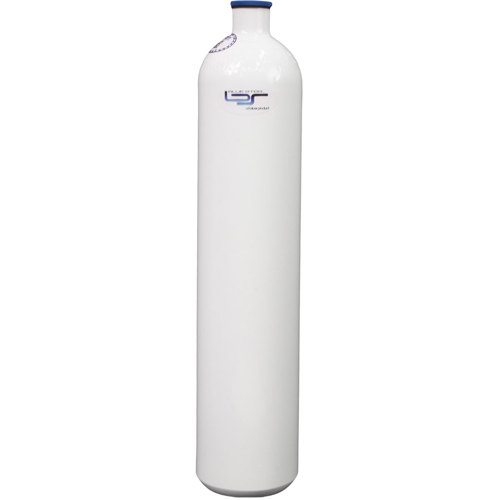
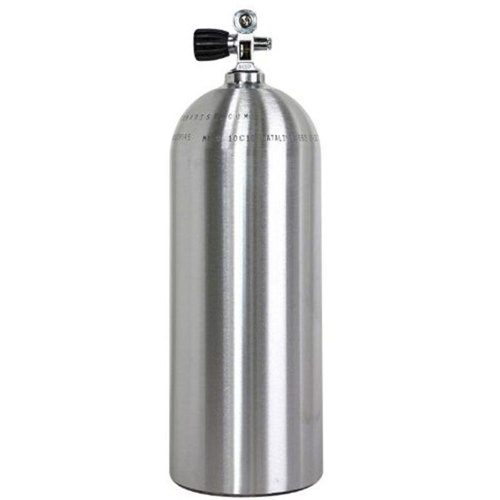
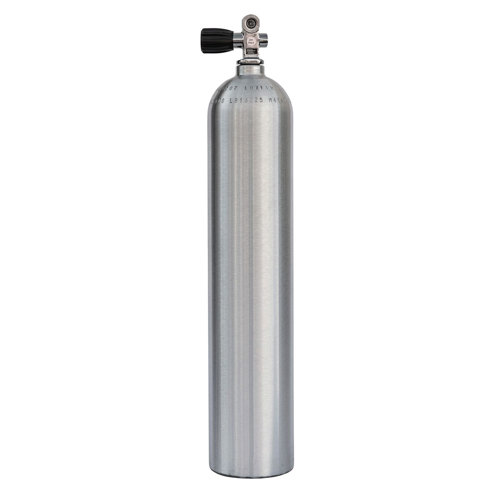
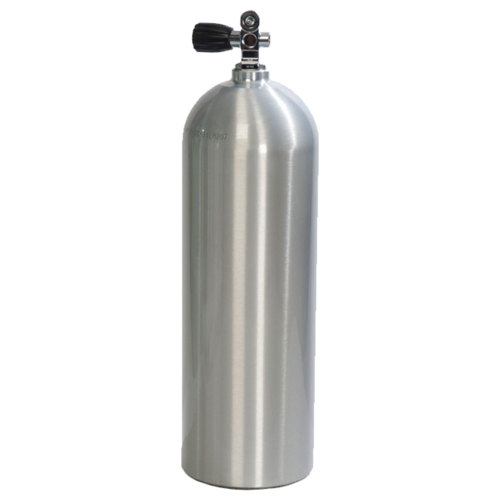
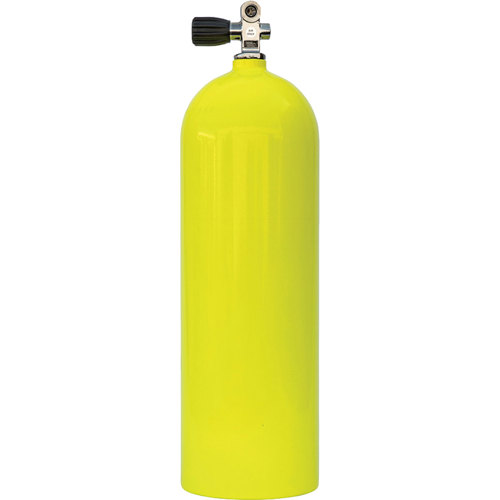
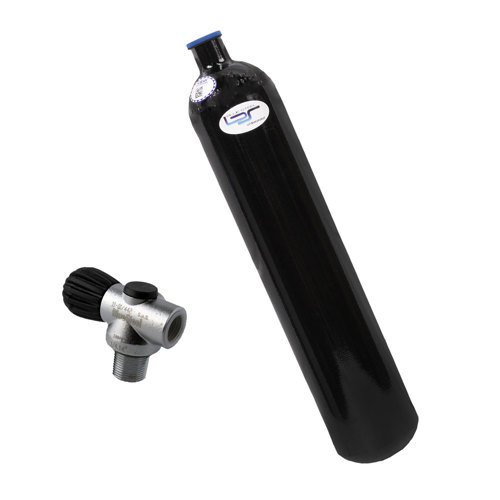
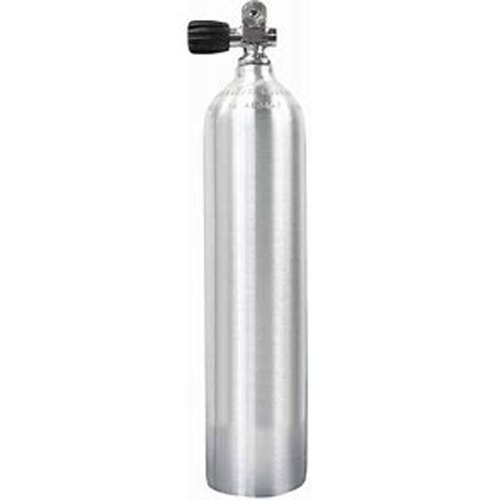
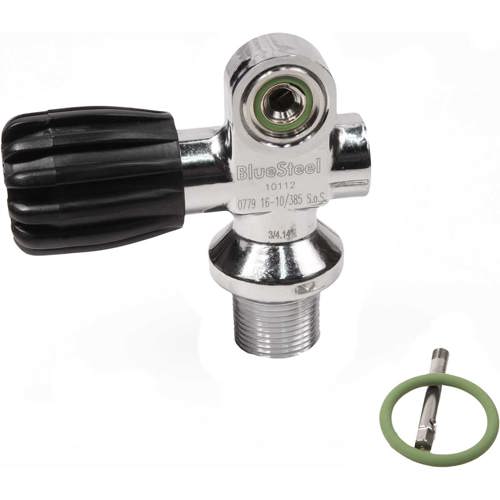
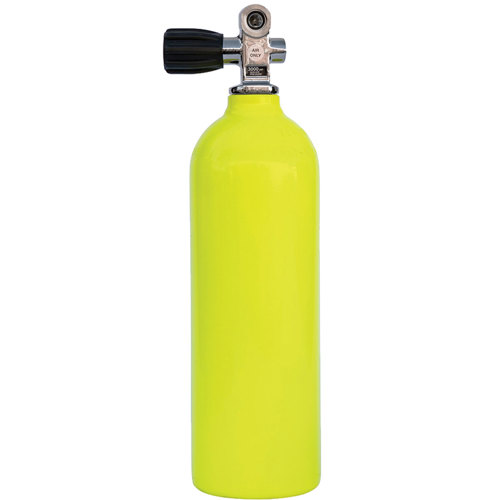
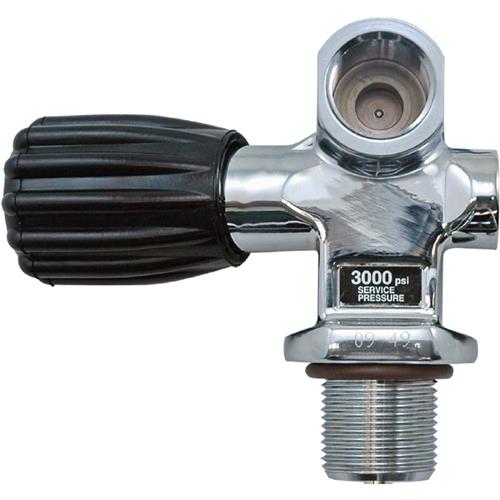
High pressure cylinders are the unsung workhorses behind a wide array of essential activities, from industrial and laboratory operations to the exhilarating world of underwater exploration. Crafted from robust chromium-molybdenum steel or lightweight aluminum, these seamless containers are meticulously engineered to store and transport gases at pressures ranging from 2,200 to 6,000 PSI. Their construction—often through hot-spinning or deep-drawing processes—ensures exceptional structural integrity, allowing them to safely manage the intense internal forces associated with compressed gases. If you’ve ever watched a welder at work, observed a hospital’s oxygen supply, or spent time on a dive boat, you’ve likely seen high pressure cylinders in action. In the context of scuba diving, these cylinders—commonly referred to as scuba diving cylinders—are indispensable, providing the life-sustaining air that divers rely on beneath the surface. The winter months, such as February, often see divers planning their next adventures or maintaining their gear in anticipation of spring and summer dives, making this a prime time to consider upgrading or replacing high pressure tanks.
When selecting a high pressure cylinder, there are several important factors to weigh, each with its own impact on performance, safety, and convenience. Material choice is a key consideration: steel cylinders are prized for their durability and compact size, while aluminum options are favored for their lighter weight—often up to a third less than steel—which can make transport and handling much easier, especially for those who travel frequently or need to carry multiple tanks. Capacity is another critical aspect, typically referenced by water volume or cubic feet, and should be matched to the intended use; for example, larger cylinders are ideal for extended dives or technical applications, while smaller tanks may suit recreational divers or those needing a backup air source. Safety is paramount, so it’s essential to ensure any cylinder meets DOT/TC regulations and to check for markings such as DOT-3AA (steel) or DOT-3AL (aluminum), which indicate compliance with stringent manufacturing standards. Features like a plus sign (+) allow for safe overfilling, and a star symbol (*) denotes eligibility for a 10-year retest interval, offering peace of mind and long-term value. Proper maintenance, regular inspections, and adherence to retest intervals are all part of responsible cylinder ownership, helping to ensure that these vessels remain reliable through years of use.
High pressure cylinders make thoughtful and practical gifts for a range of recipients, from the seasoned diver eager to expand their setup to the aspiring underwater photographer who needs extra air for long sessions beneath the waves. They’re also appreciated by those involved in technical diving, where specialized gas blends and higher capacities are a necessity. For families or friends supporting a loved one’s passion for the underwater world, a new scuba diving cylinder can be a meaningful gesture, symbolizing trust and adventure. As you explore the options, consider how the right cylinder can enhance safety, flexibility, and enjoyment—whether it’s for a demanding expedition, a leisurely weekend dive, or even non-diving uses like emergency preparedness or medical applications. For a comprehensive selection and further details on specifications, safety features, and maintenance tips, visit our dedicated page on
Diving High Pressure Tanks. Here, you’ll find resources to help you make an informed decision, ensuring your next high pressure cylinder is perfectly suited to your needs, season after season.