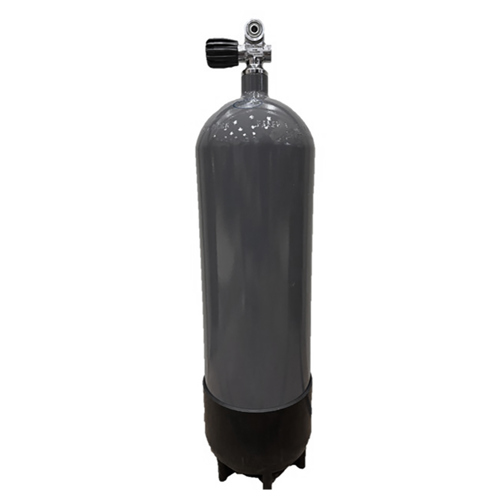
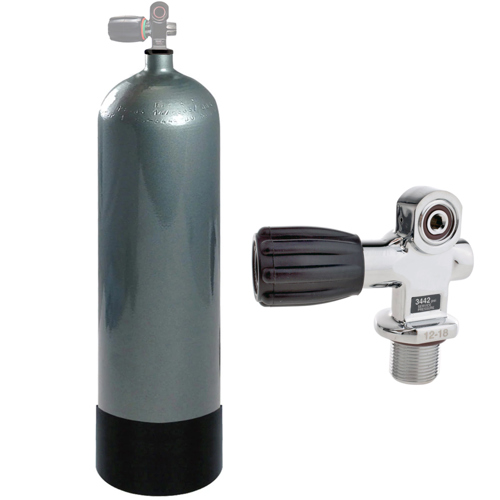
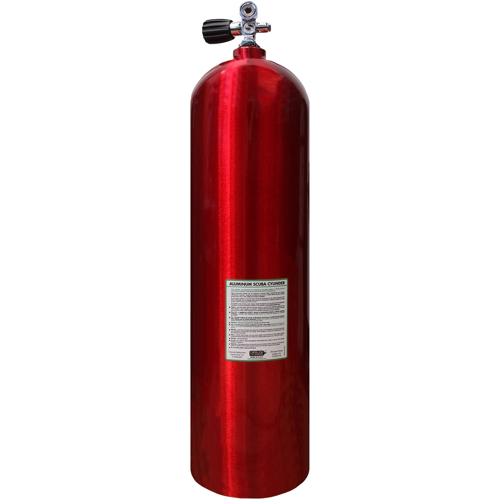
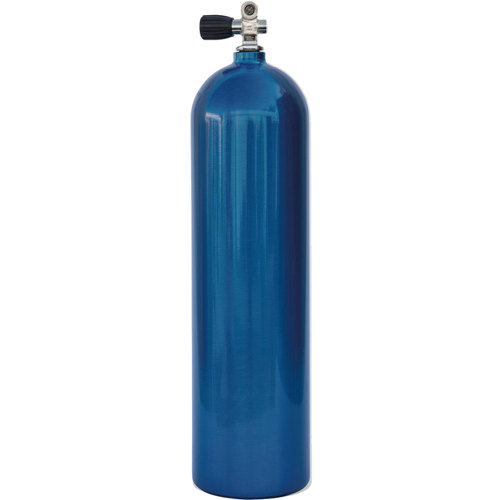
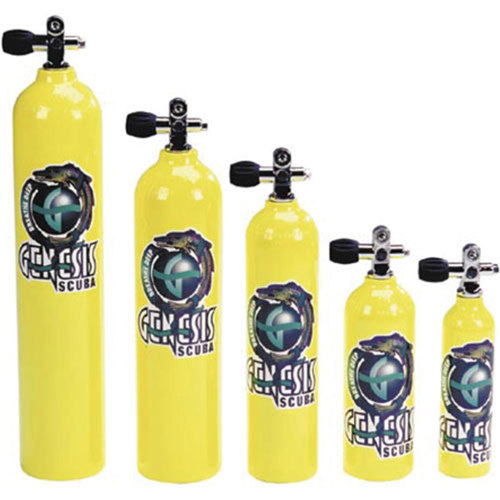
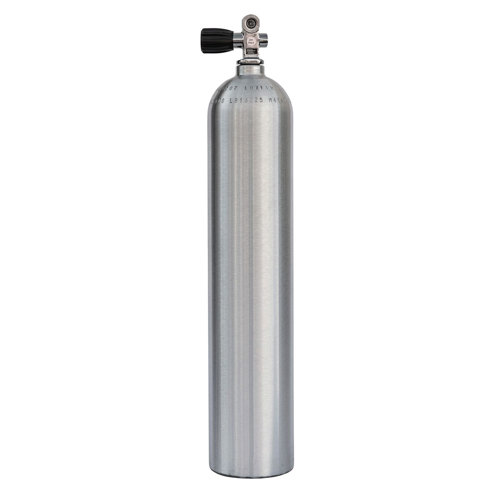
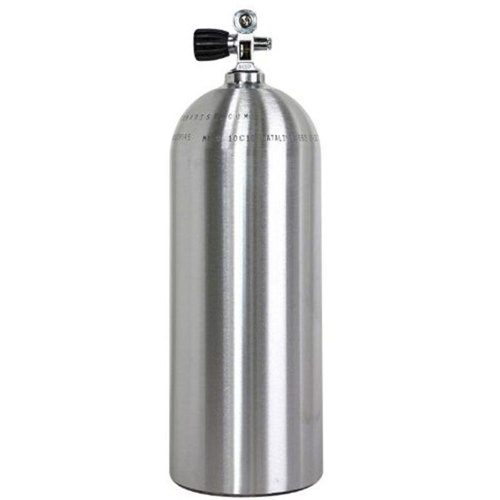
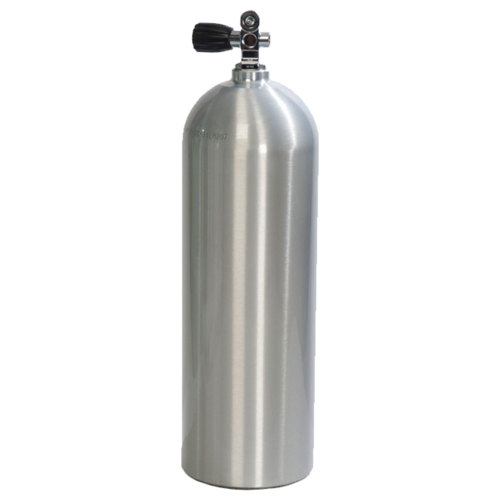
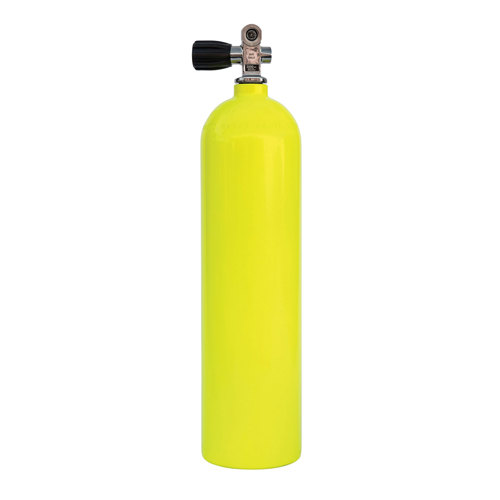
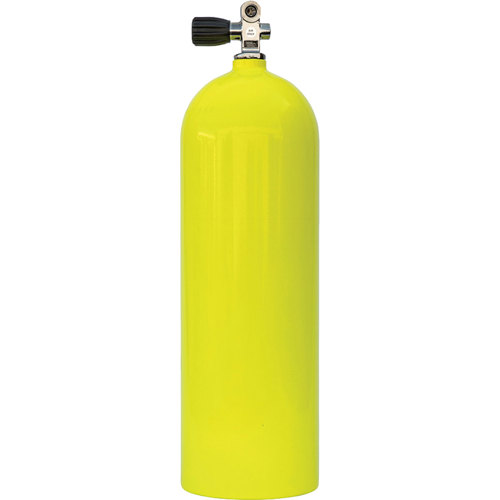
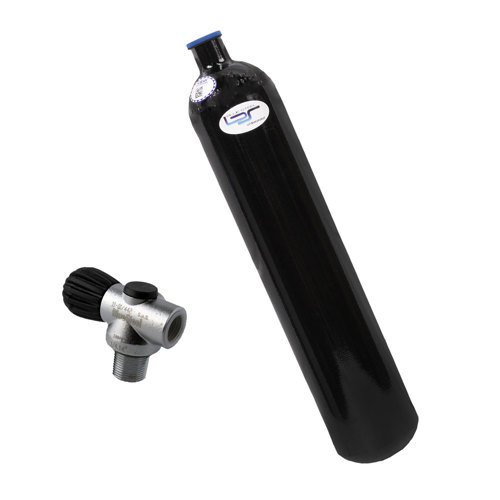
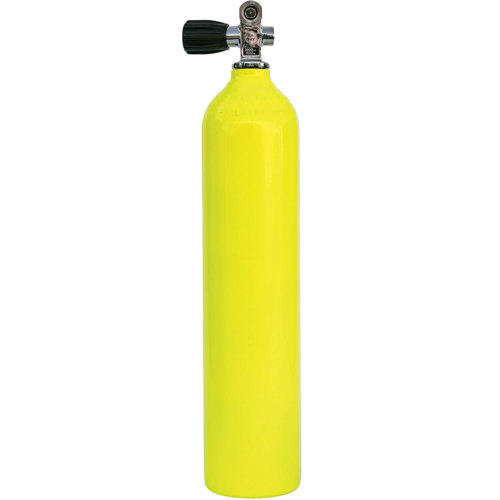
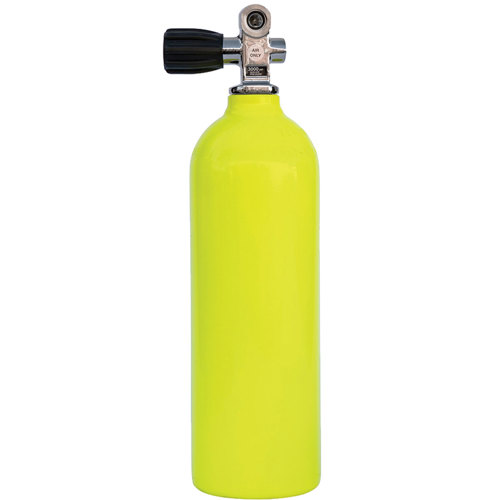
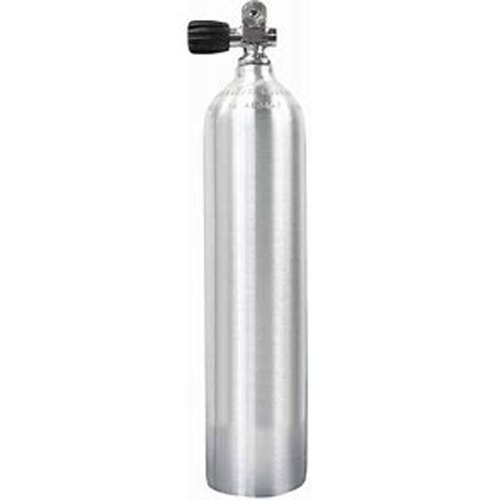
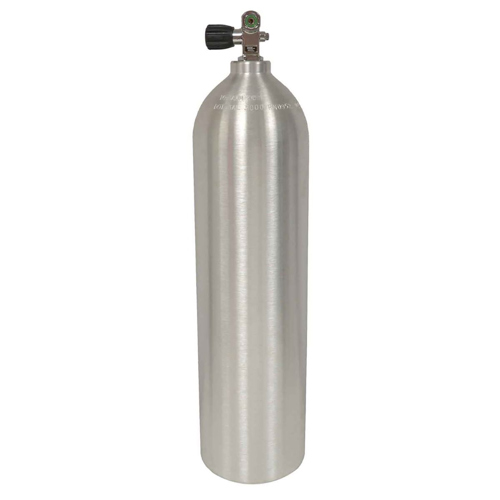
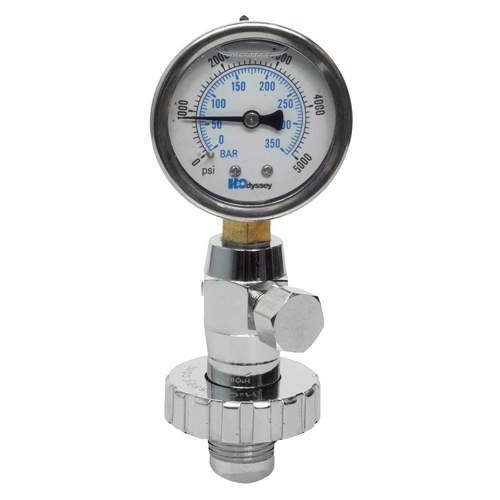
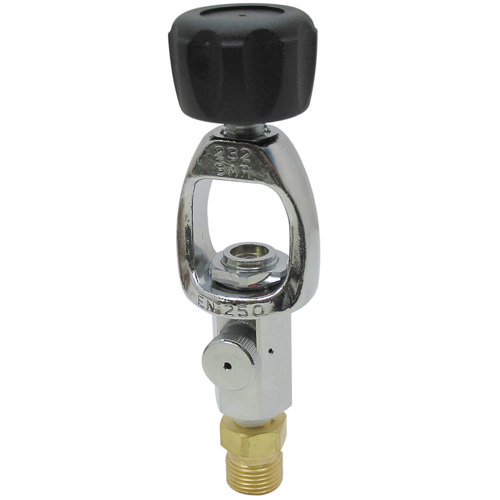
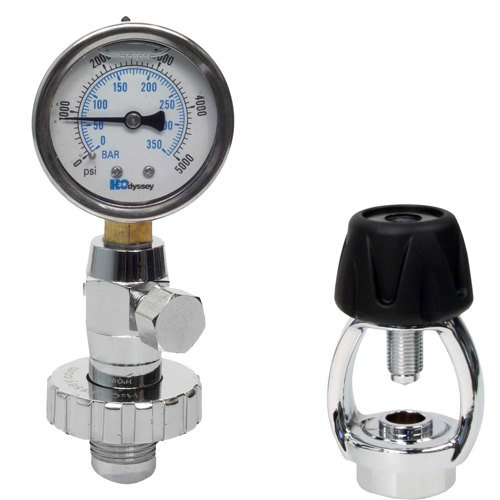
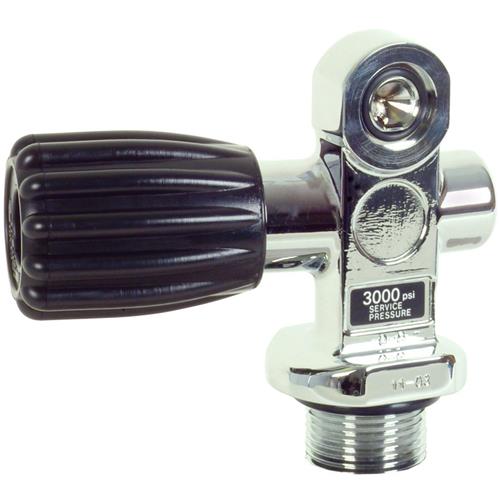
Diving high pressure tanks are an essential piece of equipment for any diver who values extended bottom time, deeper explorations, or simply the peace of mind that comes with a generous air reserve. Distinguished by their robust construction—often steel, but sometimes high-strength aluminum—these cylinders are engineered to handle working pressures in the range of 3300 to 3500 PSI (227–241 bar), far surpassing standard 3000 PSI tanks. The result is a compact yet high-capacity air supply, ideal for technical divers venturing into overhead environments or those planning longer recreational dives in remote locations. The winter months, with their cooler water temperatures and often clearer visibility, are a favorite season for experienced divers to embark on more ambitious underwater adventures, making a high pressure scuba tank an especially timely investment. Unlike standard tanks, these cylinders frequently require DIN-compatible first-stage regulators, a detail worth considering if you’re upgrading or assembling your kit. The steel construction, while heavier on land, offers a welcome benefit in the water—improved buoyancy characteristics that can help you achieve perfect trim with less added weight. For divers who travel or those who dive from yachts, the choice between a lightweight high capacity tank vs ultra high capacity tank often comes down to balancing portability with air supply, especially if storage space is at a premium or if the yacht fuel tank limits what you can bring aboard.
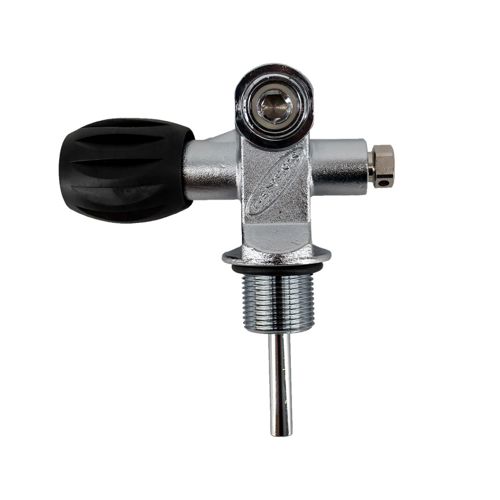
When selecting a diving high pressure tank, it’s important to think about who will be using it and the intended diving environment. Technical divers, instructors, and experienced recreational divers often gravitate toward the 100, 117, 120, or even 133 cubic foot sizes, appreciating the flexibility and safety margin these tanks provide. The ability to fill these cylinders to a lower pressure for shorter, shallower dives means you always have a larger reserve at your disposal, which can be reassuring in unpredictable open water conditions. On the other hand, newer divers or those who dive infrequently may prefer a more manageable size and weight, especially if they’re gifting a tank to a loved one who is just beginning their underwater journey. The winter holiday season is a popular time for giving practical, adventure-ready gifts, and a high pressure scuba tank is a thoughtful choice for any diver looking to expand their horizons. Maintenance is a key consideration with these tanks—higher pressures place additional stress on the tank and its components, so regular inspection, proper valve care, and adherence to hydrostatic testing schedules are non-negotiable for safe operation. The diving valve high and the quality of the fill station become even more critical at these elevated pressures, so partnering with reputable dive shops for fills and servicing is a must.
Whether you’re planning a series of deep wreck dives, gearing up for a technical course, or simply want the confidence that comes with extra air, high pressure tanks are a cornerstone of serious dive planning. Their versatility extends to being filled for standard dives, maximizing your reserve, or supporting side-mount and stage configurations for advanced divers. The choice between steel and aluminum, DIN or yoke, and the right capacity for your needs can make a significant difference in your comfort and safety underwater. For those seeking more guidance on the safest options and best practices, our comprehensive guide on
Safe Diving Tanks is an excellent resource. As always, investing in quality equipment and staying informed ensures that every dive—whether in the brisk December waters or the balmy days ahead—is both memorable and secure.