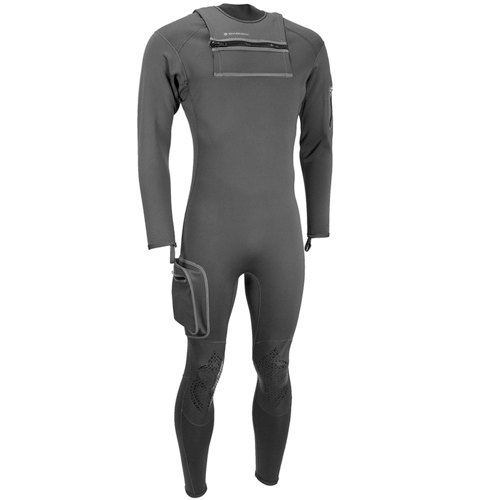
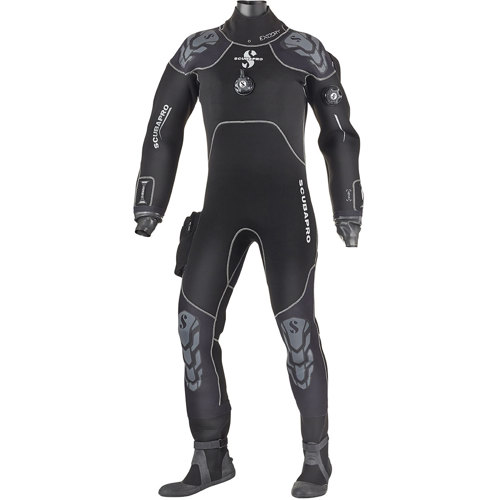
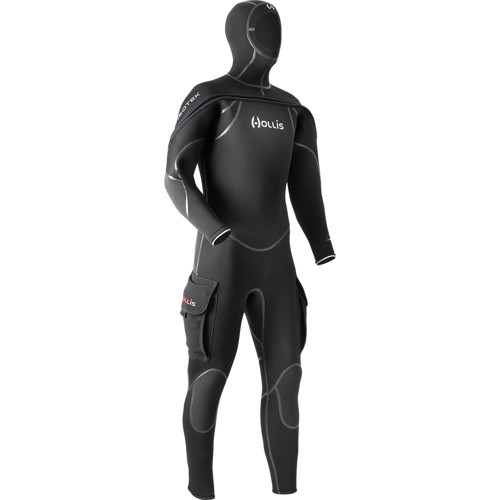
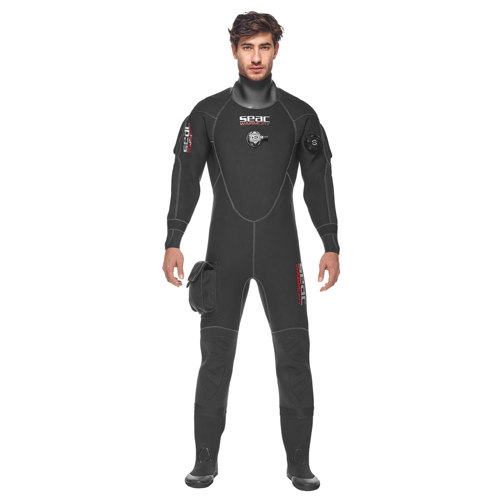
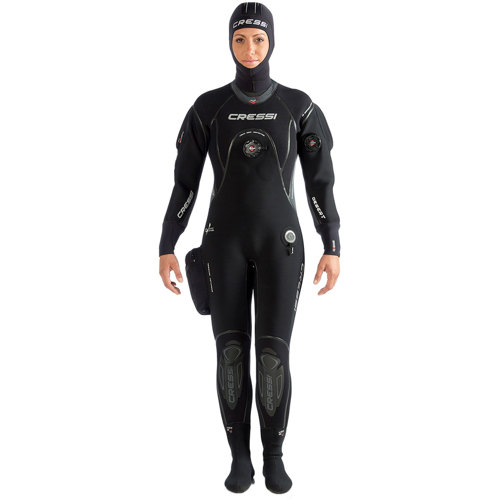
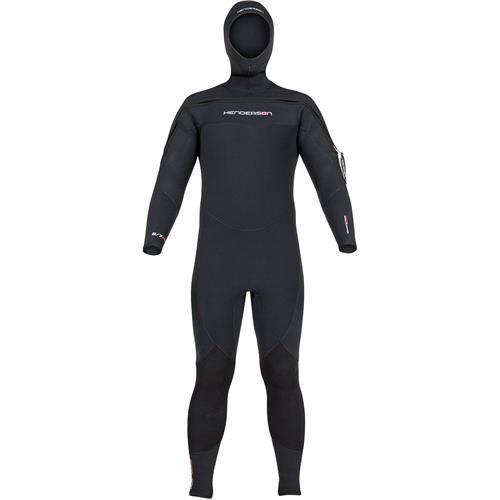
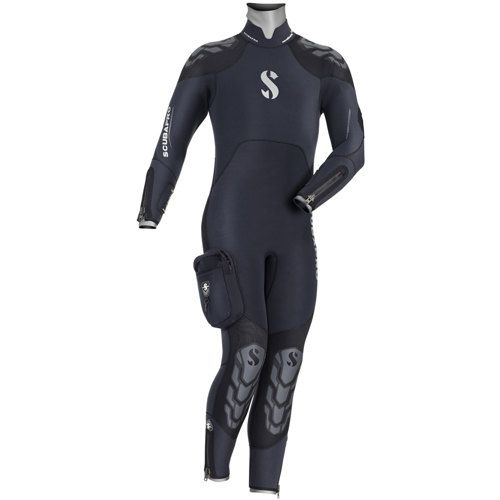
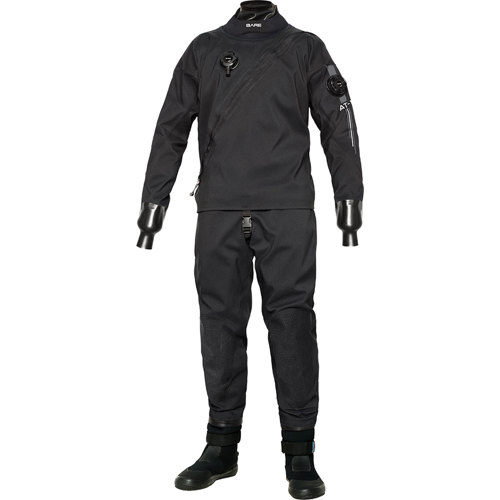
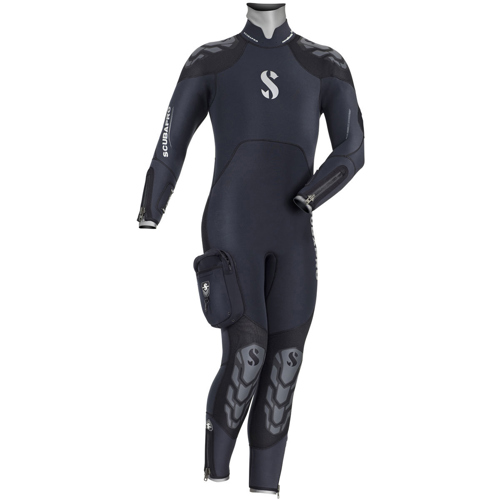
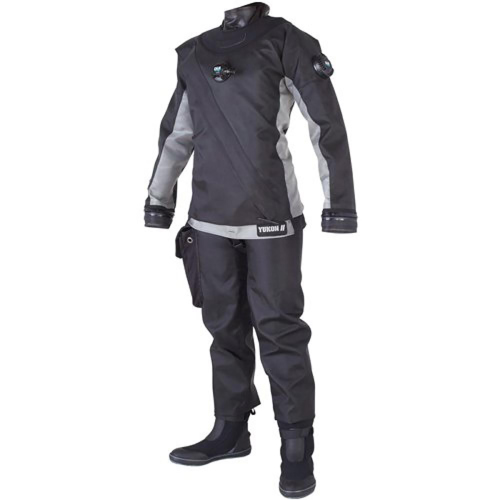
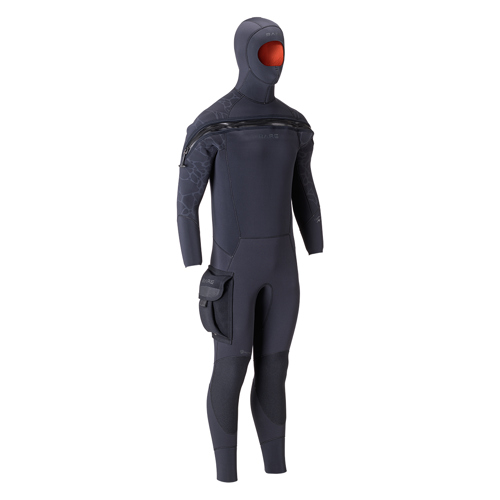
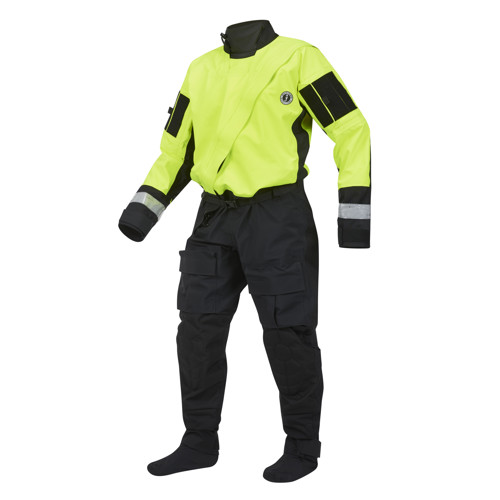
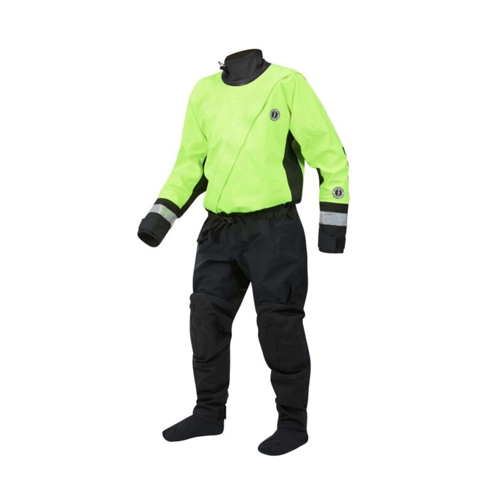
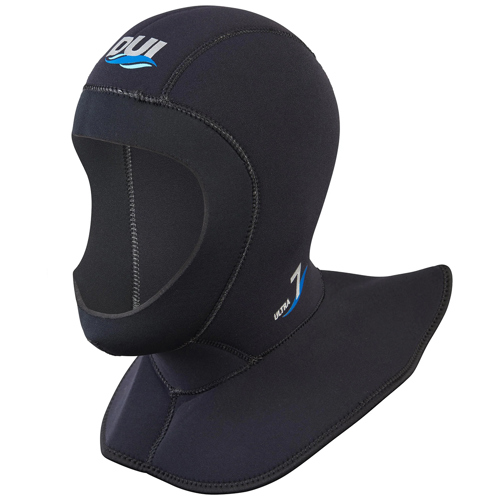
High Density Neoprene Drysuits
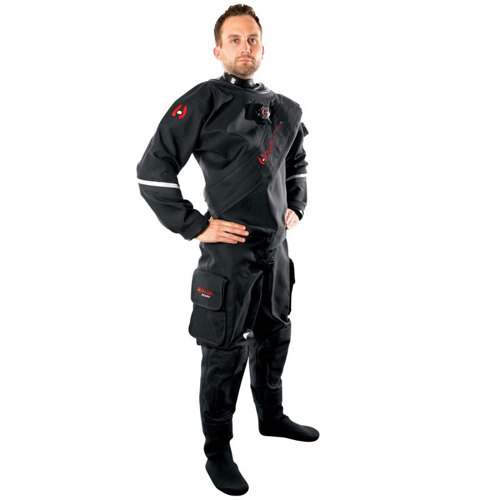
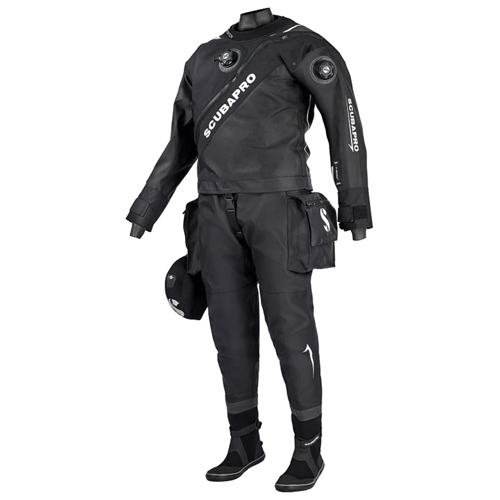
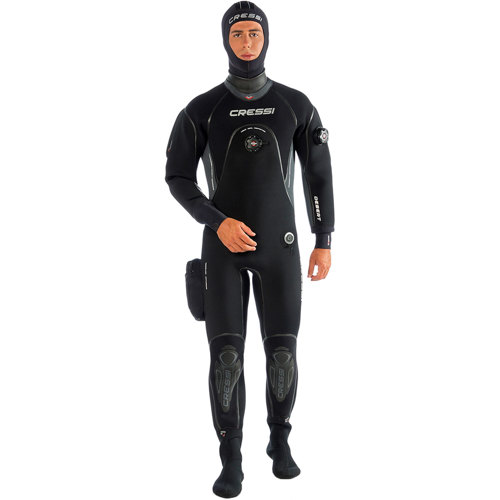
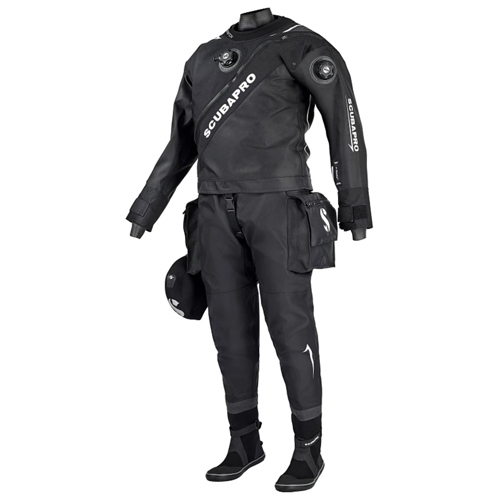
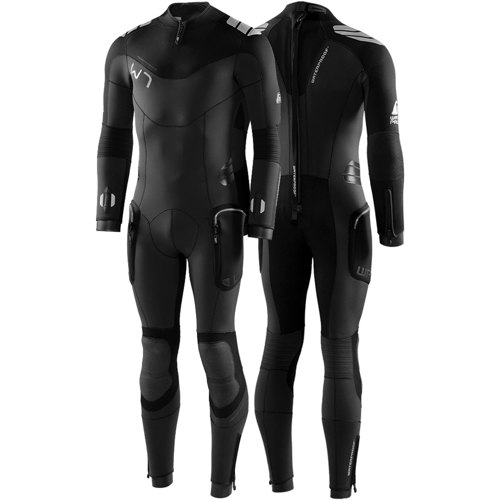
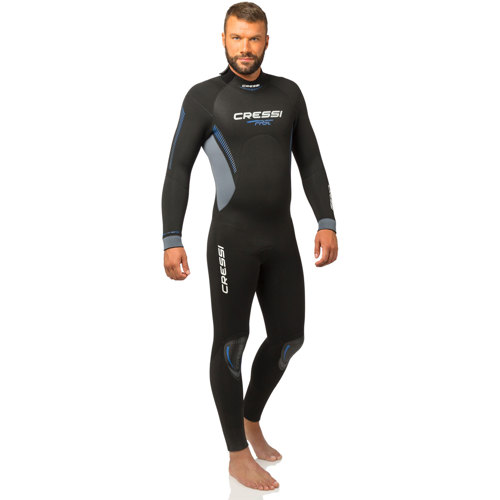
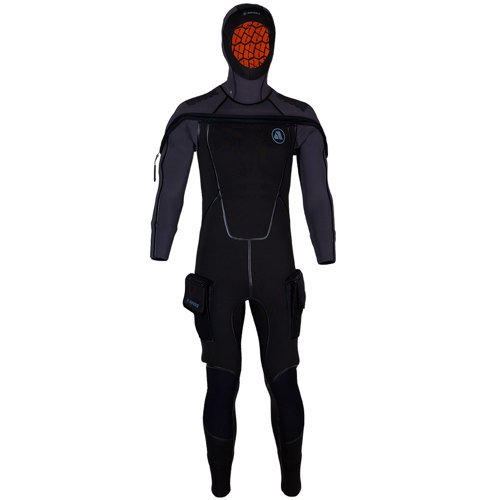
High density neoprene drysuits have become a staple for divers seeking reliable thermal protection and durability in colder water conditions. As winter lingers and water temperatures dip, the need for a robust barrier against the chill becomes paramount, especially for those who refuse to let the season dictate their diving schedule. Unlike traditional wetsuits that rely on a snug fit and water exchange for insulation, a neoprene drysuit creates a watertight seal, keeping the diver completely dry while leveraging the insulating properties of thick, compressed neoprene. This makes them particularly appealing for technical divers, instructors, and anyone who spends extended periods underwater, such as underwater photographers or scientific researchers. The dense neoprene material not only offers excellent insulation but also provides added resistance to compression at depth, which means you stay warmer and more comfortable throughout your dive. The extra buoyancy and padding can be an advantage during long dives or when carrying heavy gear, and many divers find the fit of a drysuit neoprene model to be more forgiving and flexible compared to membrane drysuits.
When considering a neoprene dry suit, it’s important to think about the type of diving you plan to do and the environments you’ll encounter. High density neoprene drysuits are particularly favored in colder freshwater lakes, temperate coastal waters, and even in icy conditions where staying warm is not just a matter of comfort but safety. They also make an excellent choice for divers who want a suit that’s less prone to punctures and abrasions, withstanding the rigors of rocky entries or encounters with shipwrecks and underwater structures. For those new to cold water diving, investing in a quality drysuit neoprene model can open up a whole new world of year-round exploration, from kelp forests to submerged caves. These suits are also a thoughtful gift for the experienced diver in your life, especially as the diving season transitions from winter to spring and the water remains brisk. The joy of donning a well-fitted neoprene drysuit before slipping into chilly water is hard to overstate; it’s the difference between cutting a dive short and savoring every moment beneath the surface. Seasoned divers often recall their first winter dive in a high density suit as a revelation—suddenly, the cold becomes a distant memory, replaced by the thrill of discovery and the comfort of reliable gear.
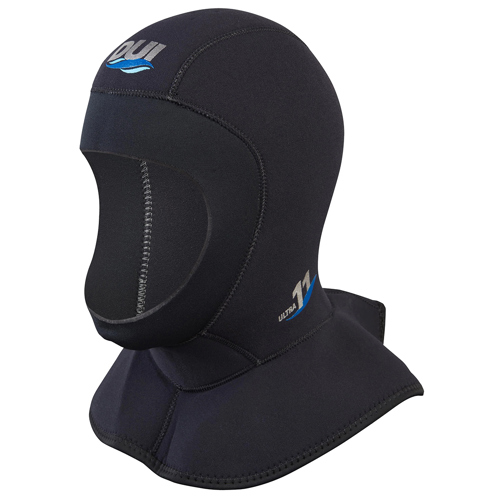
For those comparing options, it’s helpful to remember that the thickness and density of the neoprene will affect not only warmth but also buoyancy and mobility. Some divers prefer the added insulation and slightly heavier feel of a high density suit, while others appreciate the streamlined fit and ease of movement. Proper layering with thermal undergarments can further enhance comfort, especially on multi-dive days or in particularly frigid waters. Maintenance is straightforward but essential; regular rinsing, careful storage, and periodic checks of seals and zippers will keep your drysuit neoprene investment performing for years. Whether you’re gearing up for a cold morning dive, planning an expedition to northern dive sites, or simply want to extend your season beyond the summer months, exploring the range of
High Density Diving Suits can help you find the perfect balance of warmth, durability, and comfort. With the right neoprene drysuit, the underwater world remains inviting, no matter how low the mercury drops.